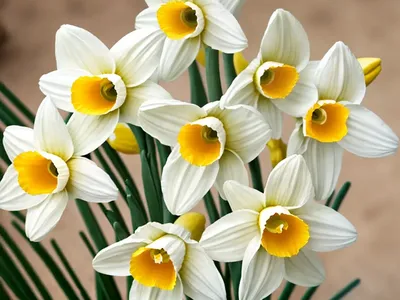
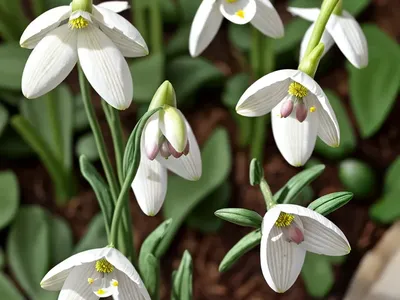
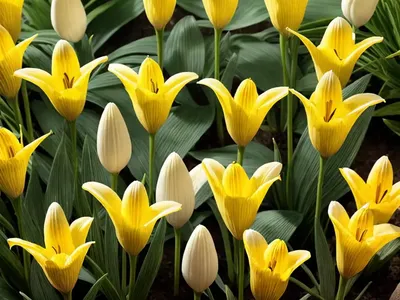
Wild Daffodil (Narcissus Pseudonarcissus)
Plants are an essential part of life on Earth, providing oxygen, food, and medicine, as well as benefiting the environment through carbon sequestration and.
What is a Plant?
Plants are an essential part of life on Earth, providing oxygen, food, and medicine, as well as benefiting the environment through carbon sequestration and erosion control. They come in various forms, from microscopic algae to massive trees, and are crucial to the survival of numerous organisms, including humans. Angiosperms, or flowering plants, represent the most diverse group of plants, offering an array of colors, shapes, and scents. This blog post delves into the captivating realm of wild daffodils (Narcissus pseudonarcissus), exploring their cultural significance, uses, care requirements, and much more.
Plant Name: Wild Daffodil (Narcissus pseudonarcissus)
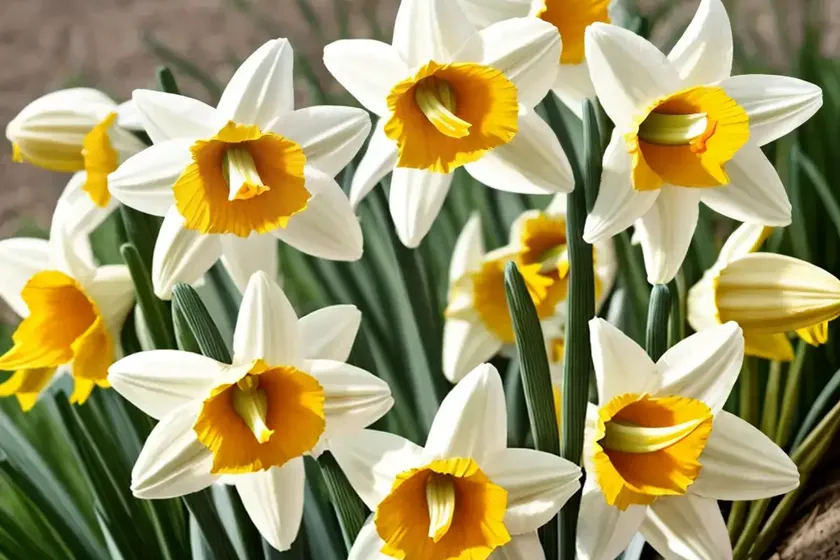
Wild daffodil, also known as Narcissus pseudonarcissus, is a delightful spring-blooming flower that belongs to the Amaryllidaceae family. Its charming appearance and cultural symbolism have made it a beloved addition to gardens and natural landscapes. Let’s dive deep into the world of wild daffodils and explore their cultural significance, care requirements, and fascinating features.
Key Takeaways – Wild Daffodil (Narcissus pseudonarcissus)
Culture
- Wild daffodils hold cultural significance in various societies and are often associated with positivity, rebirth, and new beginnings.
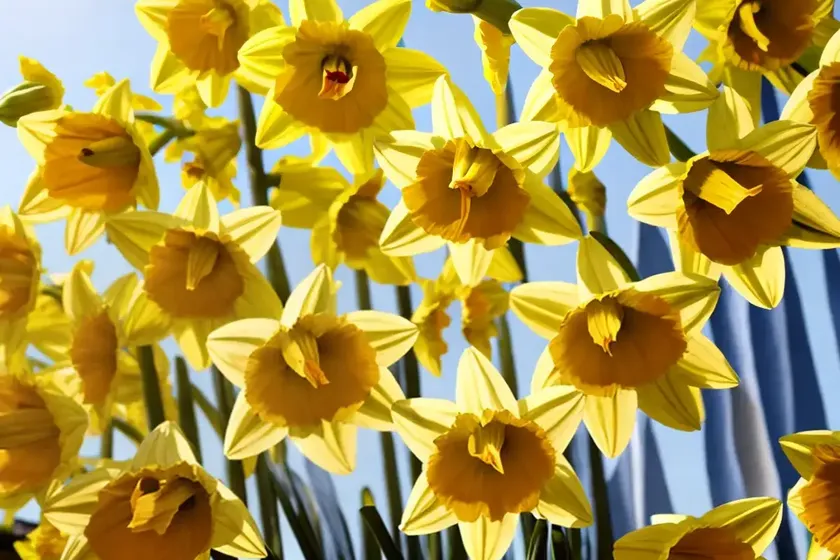
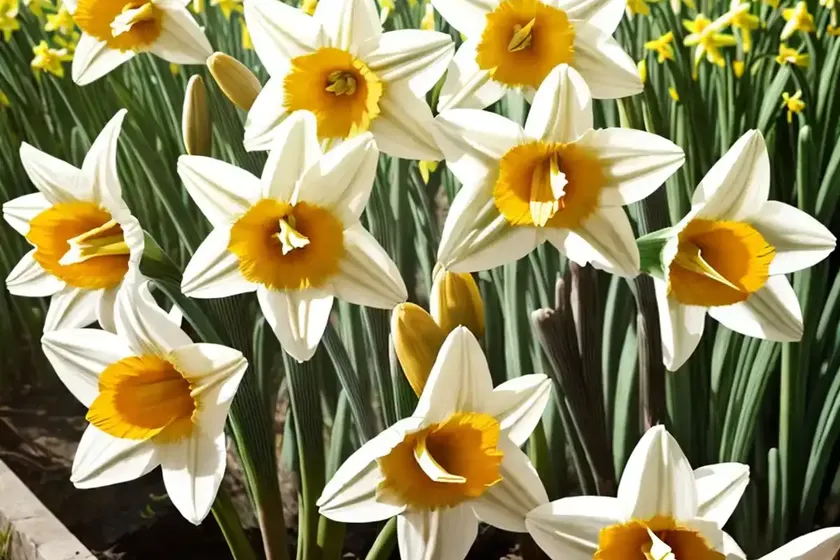
- The flower’s vibrant yellow petals and trumpet-shaped corona symbolize hope and optimism, making it a popular choice for springtime celebrations and floral arrangements.
- In literature and folklore, wild daffodils have been depicted as symbols of purity, beauty, and unrequited love, adding an enchanting touch to myths, stories, and poems.
Uses
- Wild daffodils are commonly used for ornamental purposes, adorning gardens, parks, and natural landscapes with their cheerful blooms.
- The flowers are also utilized in floral arrangements, adding a touch of elegance and vibrancy to bouquets and decorations.
- In some cultures, wild daffodils hold medicinal significance, with certain parts of the plant being used in herbal remedies.
Water
- Wild daffodils prefer moist, well-draining soil and require regular watering, especially during their active growth period.
- To prevent waterlogging, ensure that the soil is adequately drained, as excessive moisture can lead to root rot and other issues.
Sunlight
- These spring-blooming wonders thrive in partial to full sunlight, requiring around 6-8 hours of direct sunlight each day for optimal growth and flowering.
Fertilizer
- Applying a balanced fertilizer in early spring can enhance the growth and blooming of wild daffodils, providing essential nutrients to support their vitality.
Soil
- Wild daffodils thrive in well-draining, slightly acidic to neutral soils. Loamy or sandy soils with good aeration are ideal for their cultivation.
Pruning
- After the flowers have faded, it’s essential to deadhead the spent blooms to redirect the plant’s energy towards bulb development and preparation for the next blooming season.
Propagation
- Wild daffodils can be propagated through bulb division, allowing the plant to multiply and spread across the landscape.
Container Popularity
- Due to their ornamental appeal and low maintenance requirements, wild daffodils are popular choices for container gardening, brightening up patios, balconies, and indoor spaces.
Common Diseases
- Wild daffodils may be susceptible to fungal diseases such as stem rot and bulb rot, especially in humid or poorly-drained conditions.
Disease Diagnosis
- Keeping an eye out for signs of yellowing, wilting, or unusual spots on the leaves and stems can help diagnose and promptly address potential diseases affecting wild daffodils.
Common Pests
- Pests such as aphids and thrips can pose a threat to wild daffodils, feeding on the plant’s sap and causing damage. Regular monitoring and appropriate pest management strategies can help protect the plants.
Botanist’s Tips
- When selecting wild daffodils for your garden or natural landscape, opt for healthy, firm bulbs to ensure strong and vigorous growth.
- Choose a suitable location with well-draining soil and sufficient sunlight to provide the optimal growing conditions for these delightful spring-blooming flowers.
- Incorporate wild daffodils into diverse landscapes, including woodlands, meadows, and gardens, to showcase their natural beauty and cultural significance.
Fun Facts
- Wild daffodils have inspired numerous artists, poets, and writers, appearing in various works of art and literature as symbols of beauty, renewal, and hope.
- In some cultures, wild daffodils are associated with the arrival of spring, marking the end of winter’s dormancy and the beginning of a new season filled with life and color.
- The name “Narcissus” is derived from the Greek myth of Narcissus, a handsome youth who fell in love with his own reflection. The flower’s nodding habit is often associated with the character’s contemplative gaze into the water.
Links to External Resources
In conclusion, wild daffodils (Narcissus pseudonarcissus) embody the spirit of spring, captivating hearts with their vibrant blooms and cultural significance. From their uses in ornamental gardens to their rich symbolism in folklore and literature, these perennial favorites continue to enchant and inspire individuals around the world. Embracing the care tips and cultural significance of wild daffodils can bring a touch of joy and optimism to our lives, celebrating the beauty of nature’s bountiful creations.
Plants – whether exotic or commonplace – have a way of enriching our lives, connecting us to the natural world, and reminding us of the wonder and diversity of life on Earth.
Now that the basics of Wild Daffodils have been covered, let’s delve further into the specific characteristics, care, and significance of this delightful plant. Note: This post will explore the NLP LSI keywords, add more details about Wild Daffodils, and provide an in-depth understanding of the cultural and ecological value of these exceptional flowers!