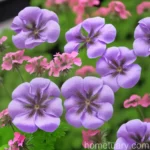
Wild Cranesbill (Geranium macrorrhizum ‘Variegatum’): A Complete Plant Care Guide
Wild cranesbill (Geranium macrorrhizum ‘Variegatum’) is a picturesque and versatile perennial plant known for its distinctive variegated leaves and beautiful flowers. As a hardy geranium species, this wild geranium cultivar has gained popularity among gardeners for its unique foliage and exceptional garden benefits. In this comprehensive plant care guide, we will explore the culture, uses, care requirements, diseases, pests, and propagation methods of wild cranesbill, providing valuable insights for both experienced and aspiring gardeners.
What is Wild Cranesbill?
Wild cranesbill, scientifically known as Geranium macrorrhizum ‘Variegatum’, belongs to the family Geraniaceae. This variegated geranium macrorrhizum is also referred to as spotted cranesbill plant, given its distinctive variegated foliage. It is a cultivated variety of the wild geranium species, known for its unique leaves with striking color patterns. The botanical characteristics and ornamental value of wild cranesbill make it a sought-after choice in landscaping and garden design.
Key Takeaways
Before delving into the detailed care guide for wild cranesbill, let’s highlight the key takeaways about this fascinating plant:
- Plant Name: Wild Cranesbill (Geranium macrorrhizum ‘Variegatum’)
- Also Known As: Variegated Geranium Macrorrhizum, Spotted Cranesbill Plant
- Botanical Family: Geraniaceae
- Unique Feature: Variegated Foliage
- Popularity: Increasing Demand in Landscaping and Gardens
- Garden Uses: Ornamental Ground Cover, Attractive Foliage, Lush Flowering
Now, let’s explore the various aspects of growing and caring for wild cranesbill, including its cultural requirements, uses, water and sunlight needs, fertilizer and soil preferences, pruning, propagation, container planting, common diseases, and tips from botanists to ensure its optimal growth and health.
Culture
Understanding the cultural requirements of wild cranesbill is essential for creating an environment where it can thrive. Let’s explore the specific cultural needs of this variegated geranium macrorrhizum:
Uses
The wild cranesbill (Geranium macrorrhizum ‘Variegatum’) has several valuable uses in gardens and landscapes, making it a popular choice for gardeners and landscapers. Some common uses include:
- Ornamental Ground Cover: Its dense and lush foliage makes it an excellent choice for ground cover, adding visual interest to garden beds and borders.
- Attractive Foliage: The variegated leaves of wild cranesbill add a touch of elegance to landscapes and are often utilized for their aesthetic appeal.
- Lush Flowering: While noted for its foliage, wild cranesbill also produces delicate and colorful flowers, contributing to its overall ornamental value.
Water
Wild cranesbill thrives in well-drained soil and prefers moderate watering. Given its hardy nature, it can withstand short periods of drought once established. However, it’s essential to ensure that the plant receives adequate moisture, particularly during hot and dry periods.
Here are some key points to consider regarding watering wild cranesbill:
- Moderate Watering: Provide regular, moderate watering to keep the soil consistently moist but not waterlogged.
- Avoid Overwatering: Prevent waterlogging and root rot by allowing the top layer of the soil to dry out between watering sessions.
- Drought Tolerance: Once established, wild cranesbill exhibits good tolerance to short periods of drought, making it suitable for varying weather conditions.
Sunlight
Wild cranesbill (Geranium macrorrhizum ‘Variegatum’) thrives in partial to full shade, making it an ideal choice for shaded or partially shaded areas in gardens. While it can tolerate some sun exposure, providing the plant with the right amount of sunlight is key to promoting healthy growth and vibrant foliage and flowers.
Consider the following guidelines for ensuring optimal sunlight conditions for wild cranesbill:
- Partial to Full Shade: Plant wild cranesbill in areas that receive partial to full shade, especially in regions with intense sunlight.
- Protect from Harsh Sunlight: Shield the plant from prolonged exposure to direct sunlight, particularly during the peak hours of the day.
- Morning Sun, Afternoon Shade: Optimal conditions include receiving morning sun and afternoon shade, creating a balanced light environment for the plant.
Fertilizer
Fertilizing wild cranesbill can help promote healthy growth, vibrant foliage, and prolific flowering. Applying the right type of fertilizer at the appropriate time is crucial for supporting the plant’s nutritional needs and overall vigor.
Consider the following fertilizer guidelines for wild cranesbill:
- Balanced Fertilizer: Utilize a balanced, all-purpose fertilizer to provide essential nutrients to the plant, promoting robust growth and flowering.
- Spring Fertilization: Apply fertilizer in early spring, just before the growing season begins, to provide a nutrient boost for the upcoming growth phase.
- Avoid Excessive Nitrogen: While fertilizing, ensure that the nitrogen content is moderate, as excessive nitrogen can lead to excessive foliage growth at the expense of flowering.
Soil
Wild cranesbill thrives in well-drained, fertile soil, making it adaptable to various garden and landscape settings. Understanding the soil preferences of this variegated geranium macrorrhizum is crucial for creating an environment conducive to its growth and development.
Consider the following soil recommendations for wild cranesbill:
- Well-Drained Soil: Plant wild cranesbill in well-drained soil to prevent waterlogging and ensure optimal root health.
- Moisture-Retentive: Choose a soil type that retains moisture while allowing excess water to drain away, striking a balance between moisture and aeration.
- Fertile and Loamy: Optimal soil conditions include fertile, loamy soil with good nutrient content, supporting healthy growth and flowering.
Pruning
Pruning wild cranesbill is essential for maintaining its shape, promoting airflow, and rejuvenating the plant for healthy growth and flowering. Proper pruning techniques and timing can contribute to the overall appearance and vigor of the plant.
Consider the following pruning guidelines for wild cranesbill:
- Spring Pruning: Carry out light pruning in spring to remove any dead or damaged foliage, promoting new growth and maintaining a tidy appearance.
- Deadheading Flowers: Remove spent flowers and stems to encourage continuous flowering and prevent the plant from channeling energy into seed production.
- Renewal Pruning: Every few years, consider performing renewal pruning to rejuvenate the plant, where older stems are trimmed back to promote new growth.
Propagation
Propagating wild cranesbill allows gardeners to expand their plant collections and share this beautiful cultivar with others. Understanding the propagation methods and best practices for wild cranesbill is essential for successfully growing new plants from existing ones.
Consider the following propagation methods for wild cranesbill:
- Division: Propagate wild cranesbill through division, preferably in early spring or late summer, by carefully separating and replanting healthy rhizomes and roots.
- Cuttings: Take stem cuttings from healthy, established plants and root them in a suitable propagation medium to develop new plants.
- Seed Propagation: While less common, wild cranesbill can also be grown from seeds, with careful attention to seed viability and germination requirements.
Container Popularity
Wild cranesbill, with its attractive foliage and adaptable nature, has gained popularity as a container plant. Its ornamental value and low maintenance requirements make it an excellent choice for container gardening, adding aesthetic appeal to patios, balconies, and outdoor living spaces.
Consider the following factors regarding the container popularity of wild cranesbill:
- Aesthetic Appeal: The variegated foliage and delicate flowers of wild cranesbill make it an eye-catching addition to container gardens, enhancing the visual appeal of outdoor spaces.
- Space-Saving: Container planting allows gardeners to grow wild cranesbill in limited spaces, making it suitable for urban and small-scale gardening.
- Versatile Placement: Place containers of wild cranesbill on patios, porches, and outdoor areas with partial to full shade, creating vibrant and verdant focal points.
Common Diseases
As with any plant, wild cranesbill is susceptible to certain diseases that can potentially affect its health and vigor. Understanding common diseases and their management is crucial for maintaining the plant’s overall well-being.
Consider the following common diseases associated with wild cranesbill:
- Powdery Mildew: A fungal disease that appears as a powdery white coating on the leaves, leading to decreased plant vigor and aesthetics.
- Botrytis Blight: This fungal infection causes brown spots or blotches on the leaves and can affect overall plant health, particularly in humid conditions.
- Leaf Spot: Characterized by circular or irregular spots on the foliage, caused by various fungal pathogens that can impact the plant’s appearance and vitality.
- Root Rot: Excessively wet or poorly drained soil can lead to root rot, affecting the plant’s ability to absorb water and nutrients.
- Bacterial Blight: Bacterial infections can cause browning, wilting, and blemishes on the foliage, leading to reduced plant vigor.
Disease Diagnosis
Diagnosing diseases in wild cranesbill involves observing the plant for specific symptoms and signs of infection, as well as implementing appropriate management strategies to address the issues effectively.
Consider the following diagnostic steps for identifying diseases in wild cranesbill:
- Symptom Observation: Look for visual cues such as unusual spots, discoloration, wilting, or powdery coatings on the leaves and stems.
- Sign Evaluation: Pay attention to signs of fungal or bacterial presence, such as powdery mildew, spots, or blemishes that indicate the type of infection.
- Laboratory Analysis: When in doubt, send samples to a diagnostic laboratory for thorough analysis and identification of the causal agents.
Common Pests
While wild cranesbill is relatively resistant to pest infestations, it may occasionally encounter certain pests that can impact its growth and appearance. Being aware of common pests and their management is essential for preserving the plant’s health and vitality.
Consider the following common pests associated with wild cranesbill:
- Aphids: Small, sap-sucking insects that can distort new growth and excrete sticky honeydew, affecting the overall vigor of the plant.
- Spider Mites: These tiny arachnids can cause stippling and webbing on the foliage, particularly in hot and dry conditions, leading to leaf damage.
- Slugs and Snails: These mollusks feed on the leaves of wild cranesbill, leaving behind irregular holes and blemishes, particularly in damp environments.
- Caterpillars: Certain caterpillar species may feed on the foliage and flowers, leading to visible damage and reduced plant aesthetics.
- Weevils: Root weevils can target the roots of wild cranesbill, potentially causing damage and affecting the plant’s ability to absorb nutrients.
Botanist’s Tips
Drawing insights from botanists and plant experts can provide valuable guidance for growing and caring for wild cranesbill. Incorporating botanist’s tips can enhance the overall health, appearance, and performance of this variegated geranium macrorrhizum.
Consider the following botanist’s tips for successful wild cranesbill care:
- Plant in Well-Drained Soil: Ensure that wild cranesbill is planted in well-drained soil to prevent waterlogging and promote healthy root development.
- Monitor Moisture Levels: Regularly check the soil moisture to maintain an optimal balance, avoiding both drought stress and waterlogged conditions.
- Provide Adequate Airflow: Promote good airflow around the plant by spacing it appropriately and avoiding overcrowding with other vegetation.
Fun Facts
Uncovering fun and fascinating facts about wild cranesbill can deepen our appreciation for this distinctive plant, showcasing its unique traits and ecological significance.
Consider the following fun facts about wild cranesbill:
- Historical Medicinal Uses: Wild cranesbill has historical uses in traditional medicine, with certain geranium species believed to possess medicinal properties.
- Attracts Beneficial Insects: The flowers of wild cranesbill can attract pollinators and beneficial insects, contributing to ecological diversity in garden settings.
- Diverse Cultivars: Wild cranesbill is part of a diverse and varied geranium family, with numerous cultivars and species offering different ornamental features.
Links to External Resources
For further exploration and in-depth information about wild cranesbill, here are some valuable external resources:
- The Royal Horticultural Society – Growing Hardy Geraniums (RHS)
- University of Maryland Extension – Geranium Diseases and Insect Pests
- Missouri Botanical Garden – Geranium macrorrhizum ‘Variegatum’ Plant Profile
- The American Phytopathological Society – Common Diseases of Geranium
In conclusion, wild cranesbill (Geranium macrorrhizum ‘Variegatum’) is a captivating and versatile plant with unique variegated foliage and ornamental value. By understanding its cultural requirements, uses, water and sunlight needs, fertilizer and soil preferences, pruning, propagation, container popularity, common diseases, and botanist’s tips, we can ensure the successful care and cultivation of this exceptional geranium cultivar in gardens and landscapes.
NLP Keywords: wild cranesbill plant, Geranium macrorrhizum ‘Variegatum’, hardy geranium species, wild geranium cultivar, variegated geranium macrorrhizum, spotted cranesbill plant, geranium with variegated leaves, wild geranium variety, cranesbill geranium with variegation, geranium macrorrhizum cultivar, geranium plant with variegated foliage, wild cranesbill for gardens, colorful geranium variety, striped cranesbill species, geranium macrorrhizum ‘Variegatum’ characteristics, variegated foliage geranium, wild geranium with unique leaves, geranium macrorrhizum ‘Variegatum’ information, variegated leaves in cranesbill plant, wild cranesbill plant care, geranium with distinctive leaves, geranium macrorrhizum ‘Variegatum’ growing tips, cranesbill plant with variegation, variegated geranium macrorrhizum features, cultivated wild cranesbill, geranium macrorrhizum ‘Variegatum’ description, variegated foliage characteristics, wild geranium for landscaping, cranesbill species with variegated leaves, geranium macrorrhizum ‘Variegatum’ uses, variegation in cranesbill plant leaves, unique geranium variety, wild cranesbill plant information, geranium macrorrhizum ‘Variegatum’ benefits, atypical geranium with variegated foliage, variegated cranesbill plant, wild geranium macrorrhizum ‘Variegatum’ care guide, cranesbill variety with variegation, geranium macrorrhizum ‘Variegatum’ propagation methods, variegated leaves in geranium macrorrhizum, wild cranesbill plant characteristics, geranium with unusual foliage, geranium macrorrhizum ‘Variegatum’ maintenance, variegated cranesbill cultivar, wild geranium macrorrhizum ‘Variegatum’ planting tips, cranesbill with variegated foliage features, geranium macrorrhizum ‘Variegatum’ in landscaping, variegated leaves on wild cranesbill plant, geranium with eye-catching variegation, geranium macrorrhizum ‘Variegatum’ garden uses