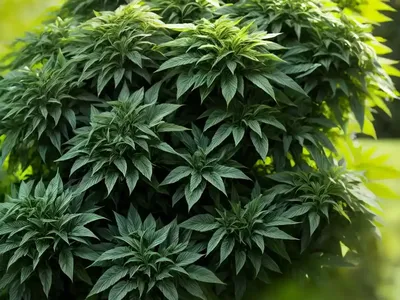
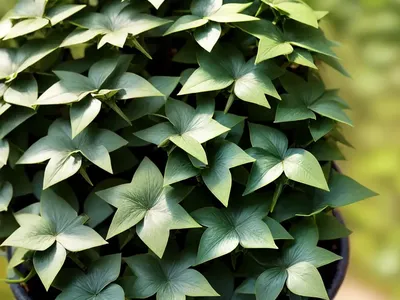
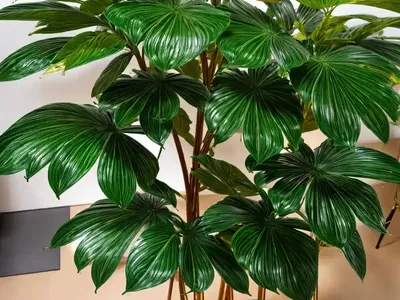
Whorled Marshpennywort (Hydrocotyle Verticillata)
Whorled Marshpennywort, scientifically known as Hydrocotyle Verticillata, is an aquatic plant species native to the Americas. This delicate and fascinating.
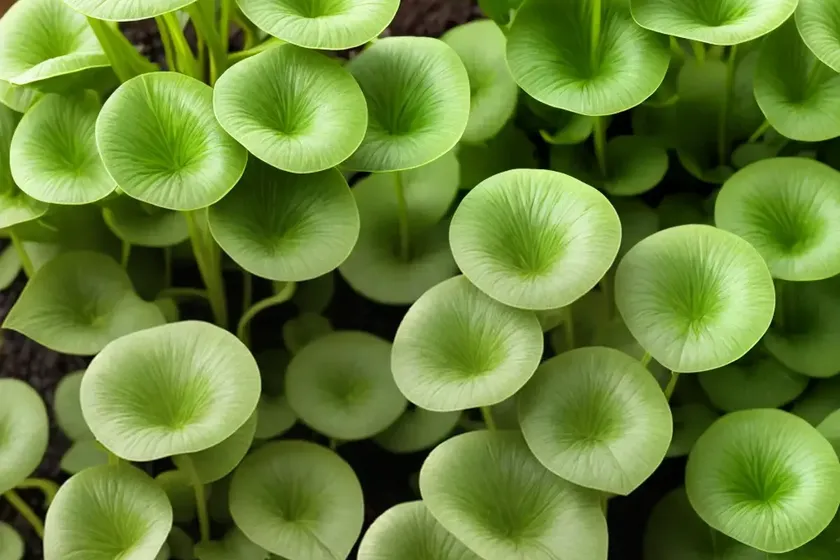
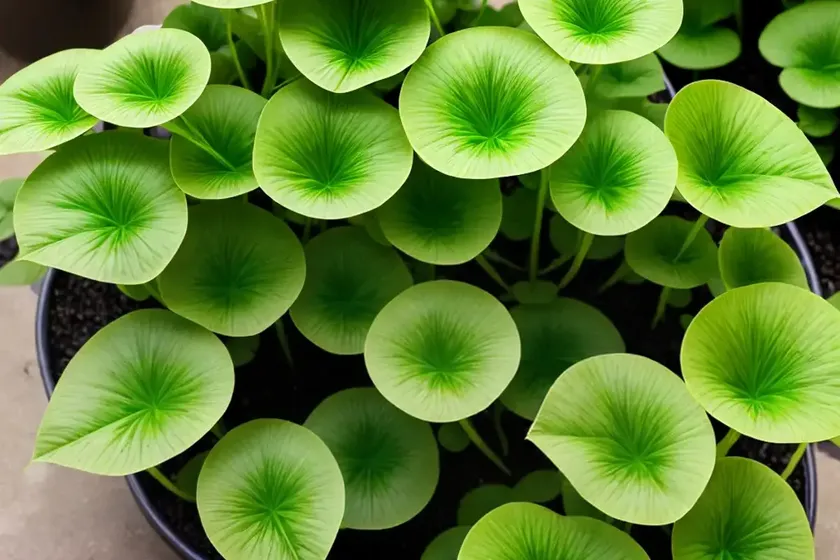
Whorled Marshpennywort, scientifically known as Hydrocotyle Verticillata, is an aquatic plant species native to the Americas. This delicate and fascinating plant holds specialized cultural and ecological significance and has increasingly become popular among gardening and landscaping enthusiasts. In this comprehensive guide, we will explore the key aspects of cultivating and caring for Whorled Marshpennywort, including its cultural uses, preferred water and sunlight conditions, soil and fertilizer requirements, propagation techniques, and common pests and diseases.
What is Whorled Marshpennywort?
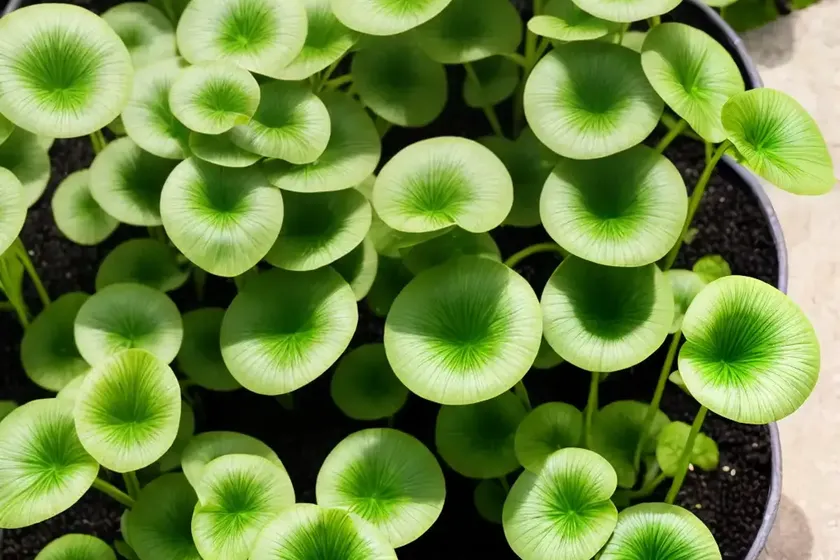
Whorled Marshpennywort, also known as whorled marshwort, is a perennial aquatic plant that belongs to the Apiaceae or parsley family. It is recognized for its distinctive circular leaves that resemble the shape of small umbrellas, and it thrives in moist, water-logged environments.
This fascinating plant typically grows in shallow water bodies, including marshes, wetlands, and the edges of ponds, where it contributes to the ecological diversity and stability of such environments. While its natural habitat is in aquatic ecosystems, it can also be cultivated in water gardens, aquariums, and terrariums to enhance the aesthetic appeal and environmental balance of these settings.
Key Takeaways – Whorled Marshpennywort (Hydrocotyle Verticillata)
Whorled Marshpennywort, with its unique features and diverse applications, offers a range of benefits and focal points for plant enthusiasts, landscapers, and ecologists. Here is a concise summary of the key takeaways related to this plant:
- Cultural Uses: Whorled Marshpennywort has historical and contemporary cultural uses in traditional medicine, as well as in landscaping and ecological restoration projects.
- Water: It thrives in aquatic environments, requiring consistent moisture and appropriate water conditions for optimal growth.
- Sunlight: It prefers partial to full sunlight, with some tolerance for shaded areas.
- Fertilizer: Minimal fertilizer is sufficient for its growth, with an emphasis on organic and balanced formulations.
- Soil: As an aquatic plant, it thrives in water-logged or muddy substrates where it can establish strong, interconnected root systems.
- Pruning: Regular pruning and maintenance are essential to prevent overgrowth and maintain the plant’s health and appearance.
- Propagation: Whorled Marshpennywort can be propagated through division, cuttings, and seed propagation, providing options for expanding its presence in various settings.
- Container Popularity: It is increasingly popular as a container plant, especially in water gardens and aquatic displays.
- Common Diseases: While generally robust, Whorled Marshpennywort is susceptible to certain diseases, necessitating proactive management strategies.
- Common Pests: Pests may occasionally affect this plant, requiring vigilant monitoring and suitable pest control measures.
This guide will delve into each of these aspects in detail to provide a comprehensive understanding of Whorled Marshpennywort, empowering enthusiasts to cultivate and appreciate this unique species successfully.
Cultural Uses of Whorled Marshpennywort
Whorled Marshpennywort is a plant species valued for its diverse cultural applications, extending from traditional medicinal uses to ecological landscaping and habitat restoration efforts. Understanding its cultural significance can provide insights into its historical relevance and present-day relevance in various contexts.
Traditional Medicinal Uses
In traditional herbal medicine, Whorled Marshpennywort has been utilized for its purported therapeutic properties. It has been historically recognized for its potential to aid in the treatment of skin conditions, digestive ailments, and respiratory issues. The plant contains bioactive compounds that may contribute to its medicinal properties, although its specific pharmacological attributes require further scientific exploration.
Landscaping and Ecological Restoration
Beyond its medicinal uses, Whorled Marshpennywort holds significant value in landscaping and restoration projects. Due to its preference for moist environments, this plant is well-suited for revitalizing and enhancing the ecological balance of wetlands, pond edges, and other water bodies. Its ability to stabilize soil, provide habitat for aquatic organisms, and contribute to the aesthetic appeal of water-centric landscapes underscores its ecological and cultural relevance.
Considering its cultural uses, Whorled Marshpennywort emerges as a versatile plant intertwined with traditional practices, contemporary holistic approaches to health, and the conservation and enrichment of natural habitats.
Water Requirements for Whorled Marshpennywort
As an aquatic plant, Whorled Marshpennywort has distinct water requirements essential for its healthy growth and sustained vitality. Understanding and managing these requirements are crucial for successfully cultivating and maintaining this unique species.
Aquatic Environment
Whorled Marshpennywort is inherently adapted to aquatic environments, specifically shallow water bodies and wetland habitats. It thrives in consistently moist conditions, with its roots submerged in water or saturated soil. The plant’s natural inclination towards aquatic settings serves as a guiding principle for replicating and optimizing its water requirements in artificial or cultivated environments.
Water Quality
In both natural and cultivated environments, the quality of water directly influences the well-being of Whorled Marshpennywort. The water should ideally be clear, free from pollutants and contaminants, and possess suitable oxygen levels to support the plant’s physiological functions. Regular monitoring of water quality parameters such as pH, dissolved oxygen, and nutrient levels can help maintain an optimal aquatic environment for the plant.
Watering Frequency
For container-grown Whorled Marshpennywort, regular watering is imperative to maintain consistent moisture levels. Frequent but not excessive watering, aiming to mimic the plant’s natural water conditions, is essential. However, it’s important to avoid waterlogging, which can lead to root rot and other detrimental consequences.
In summary, providing a well-regulated aquatic environment and monitoring the water quality and watering frequency are fundamental steps in meeting the water requirements of Whorled Marshpennywort, ensuring its endurance and flourishing growth.
Sunlight Preferences for Whorled Marshpennywort
Understanding the sunlight preferences of Whorled Marshpennywort is pivotal in positioning and caring for the plant to optimize its photosynthetic activity and overall well-being. Sunlight serves as a primary energy source for plants, influencing their growth, development, and physiological processes.
Partial to Full Sunlight
Whorled Marshpennywort exhibits a preference for partial to full sunlight, indicative of its adaptation to environments with varying light intensities. When grown in natural habitats, the plant typically receives dappled sunlight in its aquatic surroundings, characterized by the presence of overhead vegetation and occasional direct sunlight. Replicating these light conditions in cultivation supports the plant’s requirements for nurturing its foliage and sustaining its metabolic activities.
Tolerance for Shaded Areas
While partial to full sunlight is ideal for Whorled Marshpennywort, it also demonstrates tolerance for shaded areas, particularly in the context of indoor or container gardening. In settings where direct sunlight is limited, such as shaded patios, indoor water gardens, or areas with obstructed natural light, the plant can adapt and thrive, albeit with moderated growth rates compared to sunnier environments.
Light Duration
Maintaining a consistent light duration aligned with the plant’s preferences is essential for ensuring its healthy development. Providing an average of 6 to 8 hours of direct or indirect sunlight per day satisfies the plant’s photosynthetic needs and promotes robust growth. For indoor or container-grown specimens, strategic placement near windows, skylights, or under suitable artificial lighting can facilitate adequate light exposure.
By adhering to the sunlight preferences of Whorled Marshpennywort and creating a balanced light environment, growers can promote the plant’s physiological vigor and vibrant appearance, contributing to its overall ornamental and ecological value.
Fertilizer Application for Whorled Marshpennywort
Fertilizer application plays a vital role in providing essential nutrients to plants, augmenting their growth, and enhancing their resilience. Understanding the appropriate fertilizer requirements for Whorled Marshpennywort is integral to sustaining its health and promoting its overall vigor.
Minimal Fertilization
Whorled Marshpennywort generally thrives with minimal fertilizer inputs, owing to its natural adaptation to nutrient-rich aquatic habitats. Excessive fertilization can lead to nutrient imbalances, water pollution, and adverse effects on the surrounding ecosystem. Therefore, adopting a conservative and targeted approach to fertilizing this species is prudent, focusing on meeting its specific nutrient needs without causing environmental harm.
Organic Formulations
Utilizing organic or naturally-derived fertilizers aligns with the plant’s ecological affinity and reduces the risk of chemical accumulation in water bodies. Organic fertilizers, such as compost, fish emulsion, and seaweed extracts, offer a balanced nutrient profile while fostering microbial activity in the substrate, contributing to the plant’s overall well-being. Furthermore, these formulations harmonize with sustainable gardening practices and promote environmental stewardship.
Balanced Nutrient Composition
When selecting fertilizers for Whorled Marshpennywort, prioritizing balanced nutrient compositions is paramount. Nitrogen, phosphorus, and potassium, along with trace elements like iron, manganese, and zinc, are pivotal for the plant’s growth, chlorophyll synthesis, and metabolic functions. Identifying fertilizers with balanced NPK ratios and micronutrient content tailored to aquatic plants can provide targeted nourishment and fortify the plant against nutrient deficiencies.
By embracing a minimal, organic, and balanced approach to fertilizer application, growers can nurture Whorled Marshpennywort sustainably, enriching its health and ecological compatibility while minimizing environmental impact.
Soil Requirements for Whorled Marshpennywort
As an aquatic plant species, Whorled Marshpennywort exhibits distinct soil requirements centered on moisture retention, texture, and composition to sustain its root system and overall vitality.
Preference for Water-Logged Substrates
Whorled Marshpennywort thrives in water-logged or muddy substrates typically found in its natural aquatic habitats. These substrates facilitate the establishment of the plant’s interconnected rhizomatous root system and provide the requisite structural support. Mimicking these water-logged conditions in cultivated environments or container settings is essential to create a favorable growth environment for the plant.
Silt and Organic Matter
Soil rich in silt and organic matter is advantageous for Whorled Marshpennywort, contributing to moisture retention, nutrient availability, and beneficial microbial activity. The presence of fine silt particles enhances water retention without impeding drainage, fostering a balanced soil moisture regime conducive to the plant’s growth. Organic matter supplements the soil with essential nutrients, promotes aeration, and bolsters the soil’s capacity to sustain microbial communities vital for the plant’s health.
Substrate Compaction
Preventing excessive soil compaction is vital for maintaining favorable soil conditions for Whorled Marshpennywort. Compacted soil impedes aeration, restricts root development, and hinders water infiltration, posing challenges to the plant’s vigor and resilience. Implementing soil amendments, such as coconut coir, perlite, or sand, can enhance substrate structure, reduce compaction, and optimize the soil’s physical properties to accommodate the plant’s root system.
By adhering to the plant’s preference for water-logged substrates and prioritizing silt-rich, organically enriched soil, enthusiasts can establish an environment conducive to the healthy growth and longevity of Whorled Marshpennywort, fostering its ornamental and ecological contributions.
Pruning Whorled Marshpennywort
Pruning serves as a fundamental aspect of plant care and maintenance, and Whorled Marshpennywort is no exception. Regular pruning not only promotes the plant’s aesthetic appeal but also mitigates potential overgrowth and supports its overall well-being.
Overgrowth Management
Whorled Marshpennywort has the potential for vigorous and expansive growth, particularly in suitable aquatic environments. Vigilant monitoring of its growth patterns and responding proactively to signs of overgrowth through targeted pruning prevent the plant from monopolizing its surroundings and encroaching on other aquatic flora. Pruning also facilitates the maintenance of the plant’s desired form and prevents overcrowding, enhancing its visual presence and ecological compatibility.
Removal of Diseased or Damaged Foliage
Identifying and promptly removing diseased or damaged foliage through pruning is crucial for mitigating the spread of diseases and preserving the plant’s vitality. Disease-prone or senescent leaves and stems should be carefully pruned and disposed of to prevent the transmission of pathogens and conserve the plant’s energy for new growth. Additionally, clearing out debris and decaying plant matter from the vicinity of Whorled Marshpennywort minimizes the risk of disease proliferation and promotes a cleaner and healthier growth environment.
Seasonal Pruning
Implementing seasonal pruning practices tailored to the plant’s growth cycles and environmental conditions fortifies its resilience and aesthetic appeal. For instance, performing rejuvenative pruning in early spring, post-flowering deadheading, and late-season maintenance align with the plant’s growth phases and contribute to its long-term vigor. Attentive pruning during seasonal transitions supports the plant’s adaptation to changing environmental demands, sustaining its health and vigor.
Through judicious pruning practices aimed at managing overgrowth, removing compromised foliage, and aligning with seasonal growth patterns, enthusiasts can empower Whorled Marshpennywort to flourish and thrive, elevating its visual allure and ecological compatibility.
Propagation Techniques for Whorled Marshpennywort
Propagating Whorled Marshpennywort through division, cuttings, or seed propagation offers opportunities to expand the plant’s presence across diverse settings, nurturing its ornamental and ecological contributions.
Division
Dividing mature clumps of Whorled Marshpennywort presents a straightforward and effective propagation method. Separating the rhizomatous root clusters into smaller sections with healthy shoots and roots facilitates the establishment of new plants, each retaining the genetic characteristics of the parent plant. Dividing the plant during its active growth phase, typically in early spring, furthers the success of the division process, enabling the newly separated sections to establish and thrive under favorable conditions.
Cuttings
Utilizing stem cuttings as a propagation technique for Whorled Marshpennywort enables the generation of new, genetically identical plants from selected parent specimens. Collecting stem cuttings with several nodes, removing lower leaves, and submerging the cut ends in water or pre-moistened rooting medium stimulates root development and subsequent growth. Facilitating well-aerated and consistently moist conditions supports the successful rooting of cuttings, initiating the progression towards independent plant establishment.
Seed Propagation
While less commonly utilized, seed propagation offers an alternative method for expanding Whorled Marshpennywort populations. Harvesting mature seeds from the plant, sowing them in pre-moistened growing media, and maintaining suitable germination conditions initiates the development of new plantlets. Seed propagation presents an avenue for exploring genetic diversity and generating offspring with unique traits, enriching the plant’s overall diversity and adaptability.
By integrating division, cuttings, or seed propagation into Whorled Marshpennywort cultivation practices, enthusiasts can contribute to the proliferation of this distinctive species, bolstering its presence in aquatic gardens, ecological restoration projects, and horticultural displays.
Container Gardening with Whorled Marshpennywort
Container gardening offers a versatile and accessible approach to cultivating Whorled Marshpennywort, harnessing its aquatic affinity in diverse settings and expanding its presence in tailored ornamental displays.
Aquatic Containers
Selecting suitable aquatic containers, such as water garden bowls, pond planters, or designated aquatic plant containers, creates an apt habitat for Whorled Marshpennywort within a controlled environment. These containers should accommodate the plant’s growth requirements, such as ample space for root expansion, sufficient water depth, and structural stability to support the plant’s water-centric lifestyle. Additionally, the containers should be positioned to receive adequate sunlight exposure, aligning with the plant’s light preferences.
Substrate and Water Management
Filling the aquatic containers with a silt-rich, organic substrate conducive to Whorled Marshpennywort’s growth ensures the provision of necessary nutrients and moisture retention. Monitoring the water level and quality, avoiding stagnation and ensuring oxygenation, is vital for sustaining the plant’s health and vitality within the confines of the container. Regularly inspecting the substrate for compaction, nutrient availability, and microbial activity supports the enduring success of the plant in the container setting.
Protection from Extreme Conditions
Shielding Whorled Marshpennywort from extreme conditions, such as temperature fluctuations, excessive sunlight exposure, and pest infestations, is essential in container gardening. Positioning the containers in shaded areas during heatwaves, providing supplemental shading, and implementing pest management measures preserve the plant’s resilience and minimize stress-inducing factors. Additionally, safeguarding the containers from potential physical damage and destabilization ensures the plant’s secure and uninterrupted growth.
Integrating Whorled Marshpennywort into container gardening practices expands its viability in diverse settings, including patios, balconies, and indoor aquatic displays, enriching its ornamental and ecological contributions while affording enthusiasts the opportunity to engage with and appreciate this distinct plant species.
Popularity of Whorled Marshpennywort in Container Gardening
Whorled Marshpennywort has gained increasing popularity in container gardening due to its distinct appearance, ecological compatibility, and adaptability to aquatic settings. Its affinity for container-based cultivation has positioned it as a sought-after addition to water gardens, aquatic displays, and indoor plant collections, enhancing the diversity and visual charm of these settings.
Aesthetic Appeal
The unique foliage structure of Whorled Marshpennywort, characterized by its circular, whorled leaves, lends a captivating and distinctive allure to container displays. Its ornamental value is accentuated when juxtaposed with other water-centric plants and in combination with aquatic features, contributing to lush and visually engaging compositions. The plant’s ability to thrive in waterlogged substrates and adapt to controlled water depths in containers further underscores its suitability for ornamental aquatic displays.
Versatile Placement
The adaptable nature of Whorled Marshpennywort facilitates its placement in a wide array of container settings, ranging from small aquatic planters to expansive pond displays. Its capacity to anchor itself in water bodies, withstand fluctuating water levels, and coexist with diverse aquatic species broadens its appeal and applicability in container gardening. Whether situated in courtyard ponds, urban water features, or interior water gardens, the versatility of Whorled Marshpennywort as a container plant enhances its presence in horticultural and ecological contexts.
Ecological Significance
Beyond its ornamental allure, the inclusion of Whorled Marshpennywort in container gardening aligns with its ecological significance, promoting awareness of and engagement with water-dependent plant species. Educating enthusiasts about the plant’s native habitat, ecosystem interactions, and aquatic dynamics through its presence in containers fosters a deeper appreciation for the interconnectedness of plant life and the aquatic environment. This inclusive approach to ecological awareness contributes to the broader ecological education and conservation efforts.
The surging popularity of Whorled Marshpennywort in container gardening reflects its multifaceted appeal, bridging ornamental, ecological, and educational dimensions while enriching the visual and functional diversity of container displays.
Common Diseases Affecting Whorled Marshpennywort
While generally resilient, Whorled Marshpennywort can be susceptible to certain diseases that may compromise its vigor and visual appeal. Recognizing and understanding these common diseases, along with appropriate proactive measures, aids in safeguarding the plant from potential health issues.
Root Rot
Root rot, caused by fungal pathogens such as Phytophthora and Pythium species, represents a significant threat to Whorled Marshpennywort, particularly in waterlogged or poorly drained substrates. Symptoms of root rot manifest as yellowing, wilting, and eventual collapse of the plant due to impaired root function and nutrient absorption. Implementing well-drained substrates, optimized