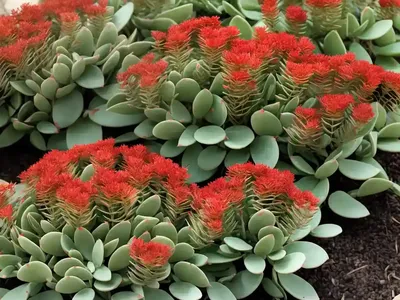
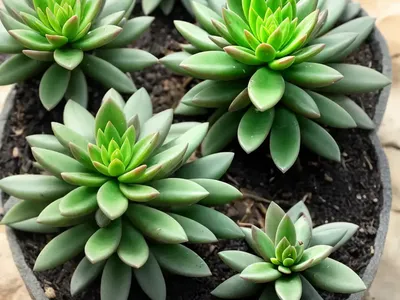
White Stonecrop (Sedum Album)
In the world of plants and gardening, there are countless species that offer beauty, functionality, and unique characteristics. One such plant is Sedum.
In the world of plants and gardening, there are countless species that offer beauty, functionality, and unique characteristics. One such plant is Sedum album, commonly known as White Stonecrop. This plant holds a special place due to its attractive appearance, ease of cultivation, and diverse uses. In this comprehensive guide, we will delve into every aspect of this remarkable plant, from its cultural requirements to its propagation and maintenance. Whether you are a seasoned gardener or a novice plant enthusiast, this guide will equip you with the knowledge to successfully grow and care for White Stonecrop.
What is White Stonecrop (Sedum album)?
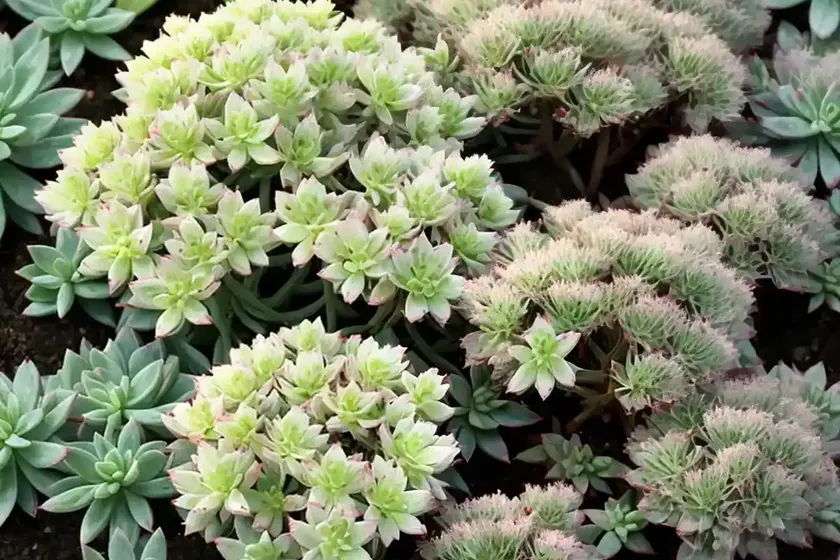
White Stonecrop, scientifically known as Sedum album, is a perennial flowering plant that belongs to the Crassulaceae family. It is native to Europe, North Africa, and parts of Asia, where it is found in rocky habitats, cliffs, and dry open ground. This plant is known for its dense foliage, star-shaped white flowers, and its ability to thrive in various environmental conditions, making it a popular choice for gardens, rockeries, and containers.
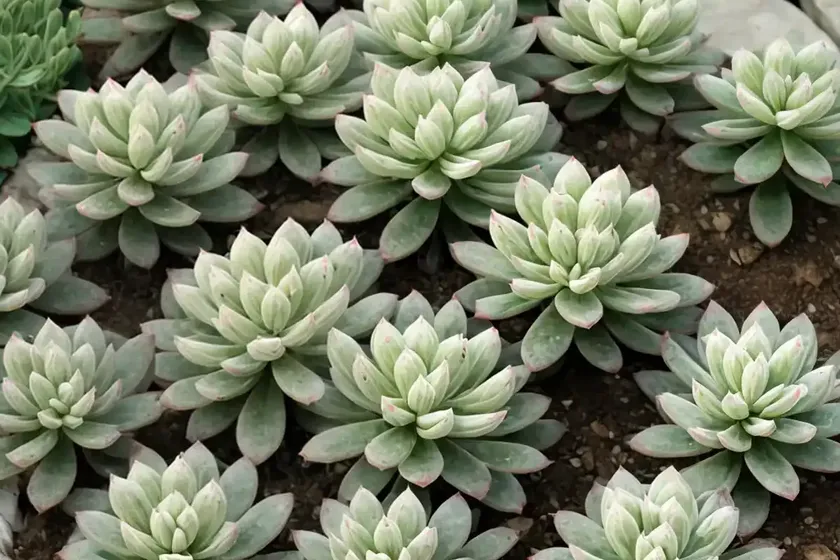
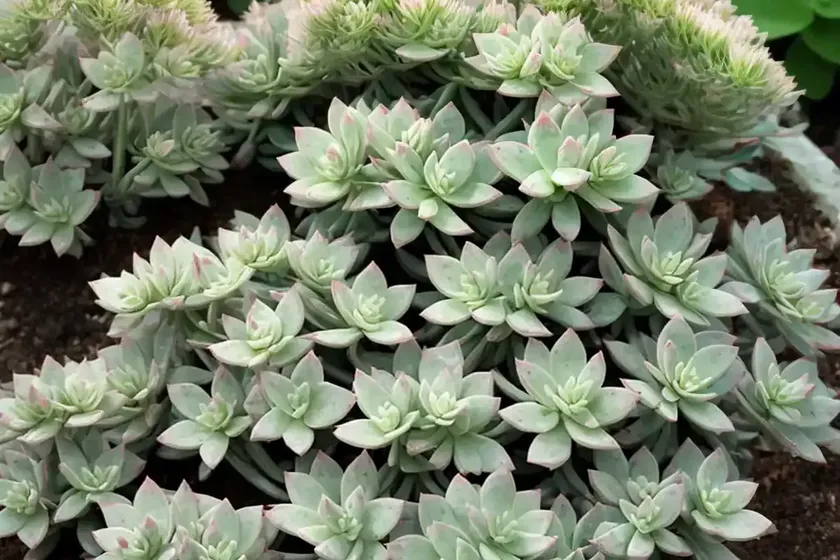
White Stonecrop is an evergreen succulent, with small, fleshy, green leaves that form compact, mat-like mounds. The plant typically reaches a height of 10–15 cm (4–6 inches) and spreads vigorously, making it an excellent ground cover. In addition to its ornamental value, Sedum album has been used historically for various medicinal purposes, and its drought-tolerant nature adds to its appeal as a low-maintenance garden plant.
Key Takeaways – White Stonecrop (Sedum album)
Before diving into the specifics of White Stonecrop cultivation, let’s take a look at the key takeaways about this plant:
- Latin Name: Sedum album
- Common Name: White Stonecrop
- Plant Type: Perennial
- Family: Crassulaceae
- Native Habitat: Europe, North Africa, Asia
- Foliage: Small, fleshy green leaves
- Flowers: Star-shaped white flowers
- Uses: Ornamental, ground cover, medicinal
- Characteristics: Drought-tolerant, low-maintenance, vigorous spread
Now that we have an overview of what Sedum album is, let’s explore the cultural requirements, uses, and maintenance of this plant in more detail.
Culture
Understanding the cultural requirements of White Stonecrop is essential for successful cultivation. This includes considerations such as water, sunlight, soil, and fertilizer preferences.
Water
One of the most appealing features of Sedum album is its remarkable drought tolerance. This plant thrives in dry conditions and is highly suitable for areas with low water availability. Overwatering is a common pitfall that can lead to root rot and other issues, so it is crucial to provide well-draining soil and avoid excessive moisture.
- Watering Frequency: White Stonecrop should be watered sparingly, especially during the growing season. Generally, it is sufficient to water the plant once every 10-14 days, or when the soil is completely dry.
- Established Plants: Once established, Sedum album is largely self-sufficient and may only require occasional watering during prolonged dry spells.
Sunlight
White Stonecrop thrives in sunny locations and is well-suited to areas with full sun exposure. Adequate sunlight is crucial for promoting healthy growth, vibrant foliage, and prolific flowering.
- Sun Requirements: The ideal location for Sedum album is one that receives at least 6–8 hours of direct sunlight per day.
- Shade Tolerance: While White Stonecrop prefers full sun, it can tolerate partial shade. However, prolonged shade may result in reduced flowering and weaker growth.
Fertilizer
Due to its adaptive nature and resilient growth habits, Sedum album has modest fertilizer needs. Excessive fertilization can lead to excessive vegetative growth and may compromise the plant’s natural form and vigor.
- Fertilizer Type: Seldom or never use a general purpose fertilizer because too much nitrogen will result in overly lush, weak growth which can lead to stem breakage and the need for staking.
- Minimal Requirements: In most cases, White Stonecrop does not require additional fertilization if grown in nutrient-rich soil.
Soil
The preference for well-draining, sandy or gravelly soil reflects White Stonecrop’s natural habitat and contributes to its ability to thrive in adverse conditions.
- Soil Type: White Stonecrop prefers well-draining soil with a sandy or gravelly texture. Soil that is too rich or water-retentive may lead to poor growth and potential root rot.
- Acidity: The pH level should be in the neutral to slightly alkaline range (6.0-7.5) for optimal growth.
Uses
The versatile nature of White Stonecrop lends itself to various uses, both ornamental and practical. Understanding the diverse applications of this plant allows for creative and strategic incorporation into garden spaces.
Ornamental
As an ornamental plant, Sedum album offers an array of aesthetic benefits. Its low, spreading habit makes it an ideal ground cover for rock gardens, borders, and dry slopes. The attractive, star-shaped white flowers add visual interest and contrast to the landscape, particularly when mass-planted or used in combination with other flowering perennials.
- Ground Cover: White Stonecrop’s vigorous, mat-forming growth habit makes it an excellent ground cover for sunny, well-drained areas. It can effectively suppress weeds and create a lush, green carpet in the garden.
- Rock Gardens: With its natural habitat in rocky terrain, Sedum album is a perfect addition to rock gardens and alpine plantings. Its ability to thrive in challenging conditions and provide a burst of color in spring and summer makes it a valuable component of these garden designs.
Medicinal Uses
In addition to its ornamental value, White Stonecrop has a history of medicinal use. Traditionally, certain parts of the plant have been employed for their therapeutic properties, albeit with caution and under the guidance of experts. While it is essential to consult qualified sources for medicinal purposes, it is worth acknowledging the historical significance of White Stonecrop in this context.
Conservation and Erosion Control
The dense, spreading growth of Sedum album also makes it a potential candidate for erosion control and conservation efforts. In areas prone to soil erosion, particularly on slopes or disturbed sites, White Stonecrop can help stabilize the soil and prevent further degradation. Its ability to thrive in challenging environments and its low maintenance requirements contribute to its suitability for such applications.
Pruning
Proper pruning plays a crucial role in maintaining the health and appearance of White Stonecrop. Regular pruning can help manage growth, rejuvenate the plant, and encourage abundant flowering.
- Pruning Frequency: White Stonecrop typically benefits from pruning once a year, preferably in early spring before new growth emerges. This allows for the removal of old, woody stems and encourages fresh growth.
- Cutting Technique: Using clean, sharp pruners, trim back any dead or damaged stems, as well as overgrown areas. Additionally, spent flower clusters can be trimmed to tidy the appearance and potentially encourage a second flush of blooms.
Propagation
The ability to propagate White Stonecrop through various methods provides opportunities for expanding plantings, sharing with others, and establishing new gardens. Understanding the propagation techniques for Sedum album is valuable for conserving and utilizing this plant in diverse settings.
Division
Dividing established White Stonecrop plants is an effective means of propagation and rejuvenation. This method allows for the creation of new plants from existing ones, particularly when they become overcrowded or when rejuvenation is desired.
- Process: To divide White Stonecrop, carefully lift the plant from the soil and separate the root mass into smaller sections. Each division should have a healthy root system and several stems. Replant the divisions in prepared soil and water thoroughly to encourage establishment.
Stem Cuttings
Propagating Sedum album from stem cuttings is a reliable method for generating new plants that are genetically identical to the parent. This technique can be employed to create numerous plants, particularly when a larger quantity is desired.
- Cutting Preparation: Select healthy, non-flowering stems and make clean cuts with a sharp knife or scissors. The cuttings should be 4–6 inches long, with the lower leaves removed to expose a small section of bare stem.
- Rooting Medium: Plant the cuttings in a well-draining rooting medium, such as a mixture of perlite and peat. Keep the medium consistently moist and provide gentle bottom heat if possible to encourage root development.
Seed Propagation
While less commonly used than division or stem cuttings, growing White Stonecrop from seeds allows for genetic diversity and can be an exciting propagation method for those interested in starting plants from scratch.
- Seed Preparation: Collect seeds from mature flower heads and ensure they are fully dry before storage. When ready to sow, surface-sow the seeds onto prepared, moist soil, and lightly cover them with a thin layer of sand or vermiculite.
- Germination and Growth: Provide a consistent, moderate level of moisture to the seedbed and place it in a warm, bright location. Germination typically occurs within 1–3 weeks, after which the seedlings can be carefully transplanted to individual containers or garden locations.
Container Popularity
The adaptability of White Stonecrop extends to container cultivation, making it a popular choice for diverse garden settings and urban spaces. This succulent plant is well-suited to container growing, allowing for creative arrangements, easy maintenance, and a range of design possibilities.
Container Selection
Choosing the right containers for growing Sedum album is an important consideration to ensure the plant’s health and success. Containers should provide ample space for root development, good drainage, and stability to support the plant’s spreading habit.
- Size and Depth: Select containers that are at least 8–10 inches deep to accommodate the root system and promote stability. Wide, shallow containers are particularly suitable for showcasing the plant’s trailing or spreading growth habit.
- Drainage Holes: Ensure that the containers have sufficient drainage holes to prevent waterlogging and maintain healthy soil conditions.
Design and Arrangement
Container gardening with White Stonecrop offers an array of design opportunities, from solo plantings to mixed arrangements with other compatible species. The versatility of Sedum album allows it to be combined with various container companions, offering texture, color, and contrast.
- Solo Plantings: Planted as a standalone feature, White Stonecrop can be showcased in a single large container, allowing its natural form and trailing habit to take center stage.
- Mixed Combinations: Pairing White Stonecrop with other succulents, ornamental grasses, or flowering perennials can create visually appealing container compositions. Consider the plant’s growth habit, texture, and color when selecting companions for mixed arrangements.
Common Diseases
While White Stonecrop is generally resilient and low-maintenance, it can be susceptible to certain diseases under specific conditions. Being aware of these potential issues allows for proactive management and prevention measures.
Root Rot
Overwatering and poorly drained soil can lead to root rot in Sedum album. This condition is characterized by wilting, yellowing foliage, and a general decline in the plant’s health.
- Preventive Measures: Ensure well-draining soil, avoid overwatering, and situate the plant in a location with adequate air circulation to minimize the risk of root rot.
- Treatment: If root rot is suspected, carefully remove the affected plant from the soil, trim away rotted roots, and replant in fresh, dry soil. Adjust watering practices to prevent recurrence.
Fungal Diseases
White Stonecrop can be vulnerable to certain fungal diseases, particularly in conditions of high humidity or prolonged moisture.
- Symptoms: Fungal diseases may manifest as spotting on the foliage, powdery mildew, or other indicators of fungal presence.
- Management: Provide good air circulation, avoid overhead watering, and ensure proper spacing between plants to reduce humidity and prevent the spread of fungal diseases.
Disease Diagnosis
Accurately diagnosing and identifying potential diseases impacting White Stonecrop is crucial for implementing targeted management strategies and ensuring the plant’s long-term health.
Visual Inspection
Regular visual assessments of the plant’s foliage, stems, and overall appearance can reveal signs of disease, stress, or other issues.
- Observation: Look for discoloration, wilting, spotting, or other abnormalities on the foliage. Pay attention to changes in growth patterns and overall vigor.
Expert Consultation
In cases where disease diagnosis is challenging or when symptoms are unclear, consulting with a plant pathologist or experienced horticulturist can provide valuable insights and guidance for effective management.
- Professional Guidance: Seek the expertise of professionals to accurately diagnose diseases, recommend treatment options, and implement preventive measures.
Common Pests
While generally resistant to pests, White Stonecrop may occasionally encounter insect-related issues that can affect its growth and appearance. Understanding the potential pests and their management is essential for maintaining healthy plants.
Aphids
Aphids are a common pest that may infest White Stonecrop, particularly during periods of new growth or in crowded plantings.
- Identification: Look for clusters of small, soft-bodied insects on the foliage, often in large numbers.
- Control: Use a gentle spray of water or insecticidal soap to dislodge and control aphid populations. Encourage natural predators such as ladybugs and lacewings to assist in pest management.
Spider Mites
Spider mites can be problematic for White Stonecrop, particularly in warm, dry conditions. These tiny pests can cause stippling, webbing, and overall decline in plant health.
- Detection: Carefully inspect the undersides of the plant’s leaves for signs of fine webbing, speckling, or mite activity.
- Management: Regularly spraying the foliage with water, particularly the undersides, can help reduce spider mite populations. Additionally, horticultural oils or insecticidal soaps can be used to control infestations.
Botanist’s Tips
As a botanist, it’s essential to offer practical tips and insights that contribute to the successful cultivation and enjoyment of White Stonecrop. Consider the following recommendations for optimal plant care.
- Consider Seasonal Changes: White Stonecrop may exhibit different growth habits and appearance throughout the seasons. Acknowledge and appreciate the plant’s seasonal dynamics, from spring flowering to winter dormancy.
- Monitor Soil Conditions: Regularly assess the soil moisture and drainage to ensure that White Stonecrop is not subjected to excessive moisture, which can lead to issues of rot and fungal diseases.
- Adaptive Planting Schemes: Incorporate White Stonecrop into various garden designs, from rock gardens and alpine settings to perennial borders and urban plantings. Its diverse uses and adaptability make it a valuable addition to diverse landscapes.
Fun Facts
In addition to its practical uses and cultural importance, White Stonecrop offers intriguing and engaging qualities that add to its appeal. Consider the following fun facts about Sedum album:
- Butterfly Magnet: The flowers of White Stonecrop are attractive to various pollinators, including butterflies, bees, and other beneficial insects. By planting Sedum album, you can contribute to local pollinator populations and add an element of biodiversity to your garden.
- Historical Uses: Throughout history, White Stonecrop has been employed for various medicinal purposes, ranging from wound healing to digestive support. While caution is advised when using plants for medicinal reasons, it is fascinating to explore the historical significance of this species.
- Global Adaptation: White Stonecrop’s natural distribution spans diverse regions, from the rocky cliffs of Europe to the arid landscapes of North Africa and Asia. Its ability to thrive in challenging environments underscores its resilience and adaptability.
- Symbolism: In some cultures, Sedum album has been associated with symbolism and traditional beliefs. Its inclusion in folklore and cultural narratives adds depth to its significance beyond its ornamental and practical uses.
Links to External Resources
As a comprehensive guide to White Stonecrop (Sedum album), it is helpful to provide access to external resources that offer further insights, images, and in-depth information. The following links can serve as valuable references for enthusiasts and individuals seeking additional knowledge about this remarkable plant:
- Royal Horticultural Society – Sedum album
- Missouri Botanical Garden – White Stonecrop
- Gardening Know How – Sedum album Care
- University of California – Sedum and Other Stonecrops
- The Spruce – Popular Stonecrop Varieties
By utilizing external resources, enthusiasts and gardeners can enhance their understanding of White Stonecrop, explore diverse perspectives, and glean practical recommendations for its care and cultivation.
In conclusion, White Stonecrop (Sedum album) stands as a fascinating and valuable plant with a myriad of uses, cultural significance, and practical applications. Whether admired for its ornamental beauty, utilized for its medicinal properties, or incorporated into conservation efforts, this resilient and adaptable species offers a wealth of opportunities for plant enthusiasts and gardeners. By appreciating the diversity and cultural relevance of Sedum album, individuals can foster a deeper connection to the natural world and the remarkable plants that enrich our lives and landscapes.
With its versatile nature, resilience, and aesthetic appeal, White Stonecrop continues to captivate and inspire individuals across the globe, serving as a testament to the enduring importance of plants in our lives and ecosystems.
So next time you encounter a patch of White Stonecrop, take a moment to appreciate its beauty, practicality, and ecological significance, and consider the rich history and cultural relevance that make this plant truly exceptional.