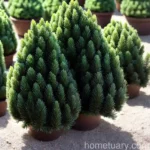
White Spruce (Picea glauca ‘Pendula’): A Complete Guide
White spruce, scientifically known as Picea glauca ‘Pendula’, is a stunning weeping conifer that adds grace and beauty to any landscape. This elegant tree is a versatile and low-maintenance plant suitable for a wide range of settings, from urban environments to rural gardens. In this comprehensive guide, we will delve into the various aspects of the white spruce, including its culture, uses, care requirements, common diseases, pests, and much more. By the end, you will have a thorough understanding of this magnificent tree and be equipped with the knowledge needed to grow and care for it effectively.
What is White Spruce (Picea glauca ‘Pendula’)?
White spruce, also referred to as Picea glauca ‘Pendula’, is a striking coniferous tree that belongs to the Pinaceae family. Originating from North America, this tree is renowned for its graceful weeping habit and attractive blue-green foliage, making it a sought-after choice for landscape architects and garden enthusiasts. The ‘Pendula’ in its name refers to its pendulous, or cascading, branches, which add an element of elegance to any outdoor space.
White spruce is characterized by its slender, spire-like form, and it can reach impressive heights, typically growing between 30 to 60 feet tall with a spread of 10 to 20 feet. The tree’s weeping branches gently sweep the ground, creating a dramatic visual effect that is both charming and unique. As with many conifers, the white spruce ‘Pendula’ is an evergreen, retaining its foliage throughout the year and offering a year-round display of beauty.
Key Takeaways – White Spruce (Picea glauca ‘Pendula’)
Before we delve into the specifics, let’s summarize the key takeaways about white spruce ‘Pendula’:
-
Botanical Name: Picea glauca ‘Pendula’
-
Common Name: White spruce, Weeping white spruce
-
Family: Pinaceae
-
Height: 30 to 60 feet
-
Spread: 10 to 20 feet
-
Foliage: Blue-green needles
-
Habit: Weeping, pendulous branches
Now that we have an overview of what white spruce ‘Pendula’ is, let’s explore its culture, uses, and how to care for this stunning tree in your garden or landscape.
Culture of White Spruce (Picea glauca ‘Pendula’)
Understanding the cultural requirements of white spruce ‘Pendula’ is essential for ensuring its health and vitality. This includes factors such as water, sunlight, soil, and fertilizer needs.
Water
While established white spruce trees are relatively drought-tolerant, it is important to provide consistent moisture, especially during dry spells, to aid in their growth and overall well-being. When newly planted, regular watering is crucial to help the tree establish its roots in its new environment. As a rule of thumb, deep, infrequent watering is preferred over frequent, shallow watering to encourage a strong and deep root system.
Sunlight
White spruce ‘Pendula’ thrives in full sun to partial shade. It performs best when exposed to at least six hours of direct sunlight daily but can tolerate some shade, particularly in hotter regions. However, adequate sunlight is critical to ensure the tree’s vigorous growth and the development of its characteristic weeping form.
Soil
This conifer prefers well-drained soil that is slightly acidic to neutral. While it can adapt to a range of soil types, including clay and sandy soils, it is crucial to avoid waterlogged or excessively compacted soil, as this can lead to root rot and other issues. Amending the soil with organic matter, such as compost, can improve drainage and provide essential nutrients for the tree.
Fertilizer
White spruce ‘Pendula’ generally requires minimal fertilization, as excessive nutrients can have adverse effects on its growth and health. A balanced, slow-release fertilizer applied in early spring can provide the necessary nutrients for robust growth. It is important to follow the recommended application rates for your specific soil conditions and the age of the tree.
Uses of White Spruce (Picea glauca ‘Pendula’)
The versatility of white spruce ‘Pendula’ makes it a valuable addition to various landscaping settings and garden designs. Here are some common uses of this graceful weeping tree:
-
Ornamental Specimen: The distinctive weeping form and striking blue-green foliage make white spruce ‘Pendula’ an excellent choice as a focal point in the landscape. Whether planted as a standalone specimen or incorporated into a mixed border, it adds a touch of elegance and visual interest to the surroundings.
-
Privacy Screen: Due to its dense, weeping branches, white spruce ‘Pendula’ can serve as an effective privacy screen, providing a natural barrier and adding a sense of seclusion to outdoor spaces. When planted in a row, the trees create a living wall that shields against unwanted views and noise.
-
Windbreak: The weeping habit of white spruce ‘Pendula’ also makes it well-suited for use as a windbreak or shelterbelt. Planted strategically, it helps mitigate the impact of strong winds and creates a more sheltered microclimate, benefiting the surrounding plants and structures.
-
Landscaping: This striking tree can be incorporated into various landscape designs, including cottage gardens, woodland settings, and formal landscapes. Its graceful form and year-round appeal make it a valuable addition to both residential and commercial properties.
Pruning White Spruce (Picea glauca ‘Pendula’)
Pruning is an essential aspect of white spruce ‘Pendula’ maintenance, helping to shape the tree, remove dead or diseased branches, and maintain its overall health. It is important to approach pruning with care to preserve the tree’s natural weeping form and prevent damage to its delicate branches.
Pruning Guidelines
-
Timing: Prune white spruce ‘Pendula’ in late winter or early spring before new growth begins. This timing allows the tree to heal quickly and minimizes stress on the plant.
-
Sanitization: Use clean, sharp pruning shears to make precise cuts, and disinfect the blades before and after each use to prevent the spread of diseases.
-
Branch Removal: Trim any dead, damaged, or crossing branches to improve air circulation and maintain the tree’s shape. Avoid excessive pruning of the weeping branches to preserve the tree’s natural form.
-
Water Sprouts: Remove any water sprouts or vigorous vertical shoots that detract from the tree’s overall appearance.
-
Caution: Be mindful not to over-prune, as this can compromise the tree’s natural beauty and lead to stress.
Propagation of White Spruce (Picea glauca ‘Pendula’)
Propagation of white spruce ‘Pendula’ is commonly achieved through grafting, as it allows for the preservation of the tree’s weeping habit and other desirable characteristics. While propagation from seed is possible, it can result in variability in the weeping form and is thus less commonly practiced for this particular cultivar.
Grafting
Grafting involves joining a shoot or bud from a desired white spruce ‘Pendula’ specimen (the scion) onto the rootstock of a compatible white spruce variety. This method allows for the production of genetically identical trees with the same weeping habit and other desired traits.
Steps for Grafting
-
Selecting Scion: Choose a healthy, disease-free shoot from the desired white spruce ‘Pendula’ tree as the scion. The scion should exhibit the weeping habit and other characteristics specific to the cultivar.
-
Preparing Rootstock: Identify a suitable white spruce rootstock and prepare it for grafting by making a clean, angled cut to create a compatible surface for the scion.
-
Graft Union: Carefully join the scion and rootstock using an appropriate grafting technique, such as whip grafting or cleft grafting, ensuring proper alignment and secure attachment.
-
Protection: Provide proper protection and support for the graft union to facilitate successful healing and integration of the scion with the rootstock.
-
Care and Monitoring: After grafting, monitor the newly grafted tree carefully, ensuring optimal growing conditions and providing any necessary care to promote successful establishment.
White Spruce (Picea glauca ‘Pendula’) in Containers
White spruce ‘Pendula’ can also be grown in containers, allowing individuals with limited space to enjoy the beauty of this weeping tree on patios, balconies, and other outdoor areas. When cultivating white spruce ‘Pendula’ in containers, certain considerations and care practices are essential for the tree’s well-being.
Container Selection
Choose a large, sturdy container with ample drainage holes to accommodate the tree’s root system and promote proper air circulation. The container should be proportionate to the size of the tree and provide stability to prevent tipping over in windy conditions.
Soil and Watering
Use a well-draining potting mix designed for conifers or a blend of peat, pine bark, and perlite to ensure adequate drainage and aeration. Water the tree regularly, ensuring the soil remains consistently moist but not waterlogged. Container-grown trees may require more frequent watering than those planted in the ground, especially during hot or dry periods.
Sunlight and Temperature
Place the container in a location that receives full to partial sunlight, depending on the specific light requirements of white spruce ‘Pendula’. Protect the tree from extreme temperatures and provide insulation during winter to shield the roots from freezing.
Maintenance
Regularly monitor the tree for signs of stress, such as wilting or yellowing foliage, and provide appropriate care as needed. Periodically check the container for root congestion, and consider repotting the tree into a larger container as it grows.
Popularity of White Spruce (Picea glauca ‘Pendula’)
The weeping white spruce has gained popularity among homeowners, landscapers, and gardeners alike due to its unique form and ornamental value. Whether used as a focal point in a garden, incorporated into a mixed border, or planted as a privacy screen, this elegant tree adds a touch of sophistication to any setting. Its adaptability to a variety of soil types and growing conditions, coupled with its low-maintenance nature, further contributes to its widespread appeal in the landscaping industry.
Landscaping Trends
In recent years, there has been a notable increase in the use of weeping conifers, such as white spruce ‘Pendula’, in contemporary landscape designs. Their graceful and sculptural forms create a sense of movement and visual interest in outdoor spaces, making them a favored choice for modern garden designs and commercial landscapes.
Residential Gardens
White spruce ‘Pendula’ is a favored addition to residential gardens, where it serves as a captivating centerpiece or an eye-catching accent. Its ability to thrive in various climate zones and its resistance to many common pests and diseases make it an attractive option for homeowners seeking an elegant and hassle-free tree for their outdoor space.
Common Diseases of White Spruce (Picea glauca ‘Pendula’)
While white spruce ‘Pendula’ is generally resistant to many pests and diseases, it can still be susceptible to certain issues under specific environmental conditions or cultural practices. Understanding the common diseases that can affect this tree is essential for early detection and appropriate management.
Common Diseases
-
Cytospora Canker: This fungal disease can cause dieback of the tree’s branches, as well as the formation of cankers on the trunk. Pruning infected branches and promoting overall tree health through proper cultural practices can help manage this disease.
-
Rhizosphaera Needle Cast: This needle blight disease can lead to the premature shedding of needles, resulting in thinning foliage. Fungicide applications and proper sanitation measures can aid in controlling the spread of this disease.
-
Needle Rusts: Various rust fungi can infect the needles of white spruce ‘Pendula’, leading to discoloration and premature shedding of needles. Fungicide treatments and removal of infected plant material can help manage this issue.
-
Phytophthora Root Rot: Excessive soil moisture and poor drainage can contribute to the development of root rot, leading to decline and eventual death of the tree. Improving soil drainage and avoiding overwatering are crucial for preventing this disease.
Disease Diagnosis
Diagnosing diseases affecting white spruce ‘Pendula’ requires a keen eye and an understanding of common symptoms associated with each specific disease. Look for signs such as discoloration of needles, presence of cankers, dieback of branches, and other visible indicators of disease. In some cases, consulting with a professional arborist or plant pathologist can aid in accurate diagnosis and tailored treatment recommendations.
Common Pests Affecting White Spruce (Picea glauca ‘Pendula’)
While white spruce ‘Pendula’ is relatively resistant to many pests, it can still face occasional infestations by certain insects. Identifying and addressing pest issues promptly is crucial for protecting the health and vigor of the tree.
Common Pests
-
Spruce Spider Mites: These tiny arachnids can feed on the needles of white spruce ‘Pendula’, causing stippling and discoloration of the foliage. Regular monitoring and application of miticides can help manage spider mite infestations.
-
Spruce Gall Adelgids: These small, aphid-like insects can form galls on the twigs of spruce trees, including white spruce ‘Pendula’. Pruning and disposing of affected plant material can aid in controlling infestations.
-
Spruce Needleminer: The larvae of this moth species can cause browning and distortion of the needles as they feed within the foliage. Biological control agents and targeted insecticide applications can assist in managing this pest.
-
Spruce Sawfly: The larvae of these sawflies can consume the needles of white spruce ‘Pendula’, leading to defoliation and reduced vigor. Using insecticidal soaps or horticultural oils can help deter sawfly infestations.
Pest Management
Implementing cultural practices that promote tree health, such as proper watering and fertilization, can contribute to the overall resilience of white spruce ‘Pendula’ against pest attacks. Additionally, regular monitoring for signs of pest activity and timely intervention through targeted treatments can aid in maintaining the tree’s vitality.
Botanist’s Tips for White Spruce (Picea glauca ‘Pendula’) Care
For optimal care of white spruce ‘Pendula’ and to ensure its longevity and attractiveness, consider the following tips:
-
Site Selection: Choose a well-drained location with ample sunlight for planting white spruce ‘Pendula’. Avoid areas prone to waterlogging or extreme environmental stress.
-
Watering: Provide consistent moisture to newly planted trees and maintain moderate soil moisture for established specimens. Avoid overwatering and water stress, as both can negatively impact the tree’s health.
-
Mulching: Apply a layer of organic mulch around the base of the tree to retain soil moisture, moderate soil temperature, and discourage weed growth. Maintain a gap between the mulch and the trunk to prevent moisture-related issues.
-
Pruning: Practice selective pruning to remove dead or diseased branches, shape the tree, and promote proper air circulation. Avoid excessive pruning of the weeping branches to preserve the tree’s natural form.
-
Root Health: Monitor soil conditions and drainage to prevent root-related issues, such as rot and compaction. Implement proper cultural practices to promote the development of a healthy root system.
-
Monitoring: Regularly inspect the tree for signs of diseases, pests, or stress. Address any issues promptly through appropriate interventions, such as targeted treatments or cultural adjustments.
By incorporating these botanist’s tips into your care routine, you can help ensure the vitality and beauty of white spruce ‘Pendula’ in your landscape.
Fun Facts about White Spruce (Picea glauca ‘Pendula’)
Let’s take a moment to appreciate some fascinating and lesser-known facts about white spruce ‘Pendula’:
-
Wildlife Habitat: The dense foliage of white spruce ‘Pendula’ provides shelter and nesting sites for various bird species and small mammals, contributing to local wildlife diversity.
-
Timber Use: White spruce wood is utilized in the construction of musical instruments, such as guitars and pianos, due to its excellent tonal qualities and resilience.
-
Winter Interest: The blue-green foliage of white spruce ‘Pendula’ retains its color throughout winter, adding visual interest to the landscape during the colder months.
-
Cold Tolerance: White spruce is well-adapted to cold climates and is often found in northern regions, where it thrives in harsh environmental conditions.
-
Longevity: With proper care, white spruce ‘Pendula’ can live for several decades, gracing the landscape with its weeping beauty for generations to come.
Links to External Resources
For further information and in-depth guidance on white spruce ‘Pendula’ and related topics, consider exploring the following external resources:
- The Spruce: White Spruce Tree
- Colorado State University Extension: Spruce Species
- Missouri Botanical Garden: Picea glauca ‘Pendula’
These resources offer valuable insights, care recommendations, and detailed descriptions of white spruce ‘Pendula’ and related topics, providing a comprehensive knowledge base for enthusiasts and professionals alike.
In conclusion, white spruce ‘Pendula’ stands as a captivating and adaptable tree that enriches outdoor spaces with its graceful form and enduring beauty. Whether planted in gardens, as a privacy screen, or as a focal point in the landscape, this weeping conifer captures the imagination and leaves a lasting impression. By understanding its cultural needs, uses, care requirements, common diseases, and pests, individuals can cultivate and cherish this remarkable tree, contributing to the richness and diversity of their outdoor environments. As with all living organisms, proper care and attention to detail are essential in nurturing the splendor of white spruce ‘Pendula’ and appreciating its timeless allure.
Do you have white spruce in your garden or have considered adding it to your landscape? Share your thoughts and experiences with this magnificent tree in the comments below!