White Ramping Fumitory (Fumaria Capreolata)
Plants, with their remarkable diversity and multitude of uses, have captivated human interest for centuries. From their cultural significance to their.
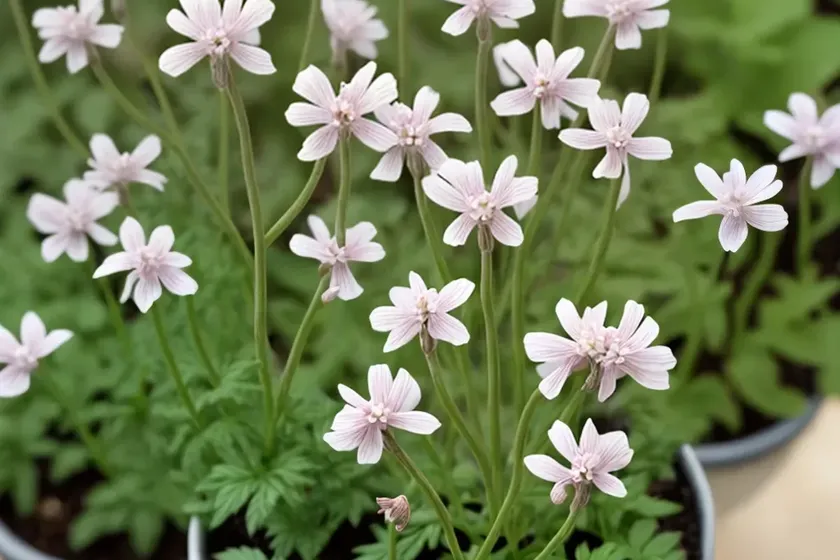
Plants, with their remarkable diversity and multitude of uses, have captivated human interest for centuries. From their cultural significance to their medicinal properties, plants continue to play a pivotal role in our lives. In this article, we delve into the captivating world of White Ramping Fumitory (Fumaria capreolata), exploring its cultural uses, growing conditions, common diseases and pests, as well as botanist’s tips and fun facts associated with this intriguing plant.
What is White Ramping Fumitory (Fumaria capreolata)?
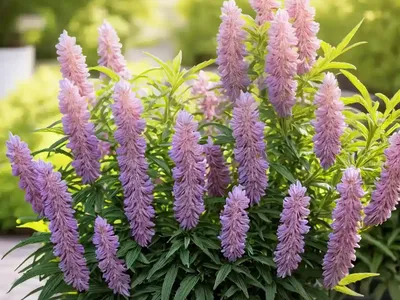
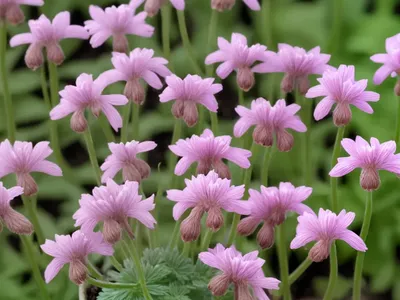
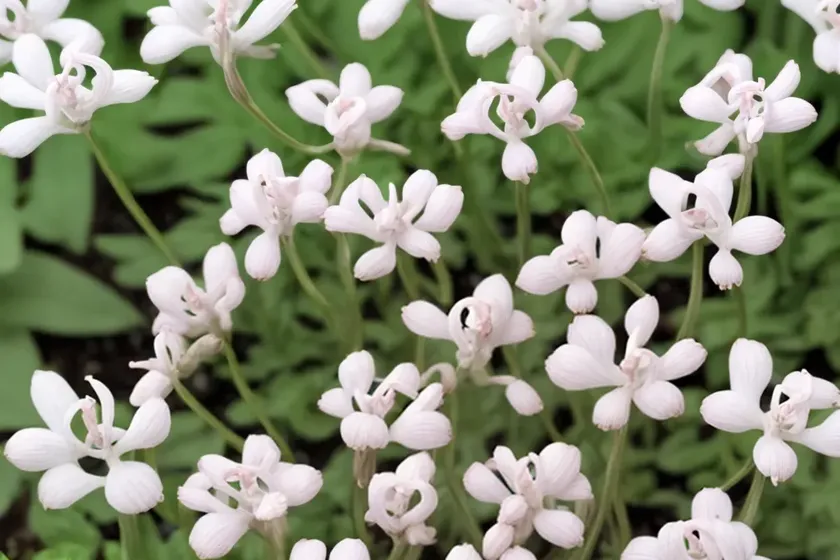
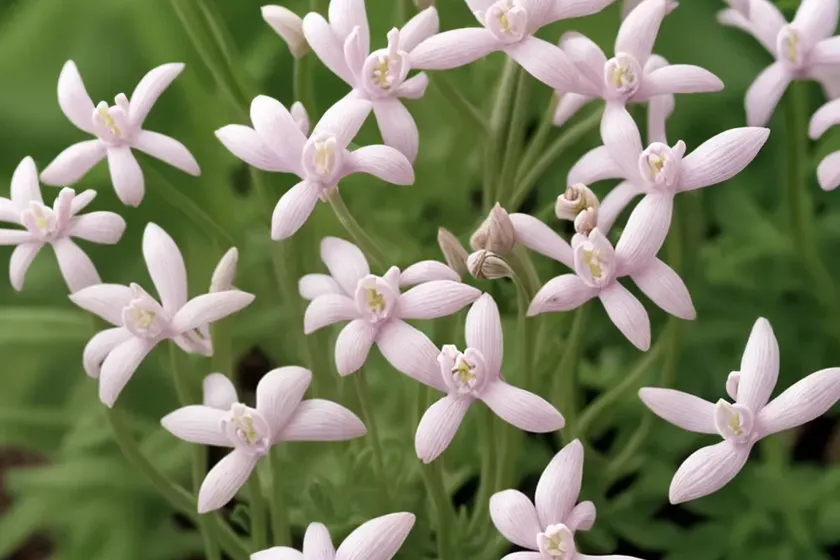
White Ramping Fumitory (Fumaria capreolata), a member of the Fumitory family, is an herbaceous plant characterized by its delicate, lacy foliage and clusters of small, white flowers. This creeping plant, often found in gardens, hedgerows, and waste grounds, has been historically recognized for its medicinal and ornamental value.
Key Takeaways – White Ramping Fumitory (Fumaria capreolata)
Before delving into the specifics of White Ramping Fumitory, it’s essential to understand some key takeaways about this plant. Below, we outline the significant points that will be discussed in this article:
- Plant Name: White Ramping Fumitory (Fumaria capreolata)
- Cultural Uses
- Growing Conditions
- Water
- Sunlight
- Fertilizer
- Soil
- Pruning
- Propagation
- Container Popularity
- Common Diseases
- Disease Diagnosis
- Common Pests
- Botanist’s Tips
- Fun Facts
- Links to External Resources
Now, let’s explore each of these facets in detail.
Cultural Uses
White Ramping Fumitory has been esteemed for its diverse cultural uses throughout history. From its medicinal properties to its ornamental appeal, this plant has left an indelible mark in various cultures. Below are some of its significant cultural uses:
- Medicinal Properties: In traditional medicine, White Ramping Fumitory has been utilized for its purported medicinal properties, with applications ranging from skin ailments to digestive issues.
- Ornamental Plant: Its delicate, lacy foliage and clusters of white flowers make White Ramping Fumitory a coveted ornamental plant in gardens and landscape designs.
- Historical Significance: This plant carries historical significance, featuring in folklore, rituals, and traditional medicinal practices in various cultures.
Growing Conditions
To cultivate White Ramping Fumitory successfully, it’s essential to understand its specific requirements concerning water, sunlight, soil, and other critical factors.
Water
White Ramping Fumitory thrives in moderately moist soil. It’s crucial to maintain adequate moisture levels, ensuring that the soil doesn’t become waterlogged, as this can lead to root rot. Regular but moderate watering is recommended, especially during dry periods.
Sunlight
This plant favors partial shade to full sun. In hotter climates, providing some shade during the hottest part of the day can prevent wilting and sun damage to the foliage and flowers.
Fertilizer
While White Ramping Fumitory is not excessively demanding in terms of fertilizer, applying a balanced, all-purpose fertilizer in the early spring can promote healthy growth and abundant flowering.
Soil
The plant thrives in well-draining, fertile soil. Loamy soil with good organic content is ideal for White Ramping Fumitory’s growth and development.
Pruning
Pruning White Ramping Fumitory primarily involves deadheading spent flowers to encourage continuous blooming. Additionally, removing any damaged or diseased parts of the plant promotes overall health and aesthetics.
Propagation
White Ramping Fumitory can be propagated through seeds or division. Propagating from seeds typically occurs in the spring, while division is best done in the early fall.
Container Popularity
Due to its creeping and trailing habit, White Ramping Fumitory is well-suited for container gardening. Its cascading growth habit makes it an excellent choice for hanging baskets or as a spiller in mixed container plantings.
Common Diseases
Like any plant, White Ramping Fumitory is susceptible to certain diseases that can hinder its growth and vitality. Understanding these diseases and their diagnosis is crucial for effective plant care.
Disease Diagnosis
Common diseases that can affect White Ramping Fumitory include fungal infections such as powdery mildew and leaf spot diseases. Additionally, root rot can occur in waterlogged soil conditions. Regular inspection of the plant for any signs of discoloration, wilting, or abnormal growth can aid in timely diagnosis and treatment.
Common Pests
White Ramping Fumitory may encounter pests such as aphids, spider mites, and whiteflies, among others. Regular monitoring for pest infestations and employing appropriate control measures such as insecticidal soaps or neem oil can help mitigate pest damage.
Botanist’s Tips
Plant enthusiasts and botanists often have valuable insights and tips for cultivating specific plants. Here are some expert tips for nurturing White Ramping Fumitory:
- Mulching: Applying a layer of organic mulch around the plant can help conserve soil moisture and deter weed growth.
- Companion Planting: Pairing White Ramping Fumitory with companion plants that share similar cultural requirements can enhance its overall growth and appearance.
- Pruning Frequency: Regular deadheading and light pruning can promote a bushier and more floriferous plant.
Fun Facts
Exploring the quirky and lesser-known aspects of plants often adds a sense of wonder and intrigue. Here are some fun facts about White Ramping Fumitory:
- Historical Significance: White Ramping Fumitory has been associated with various folklore beliefs and traditional medicinal practices, reflecting its rich cultural history.
- Attracts Pollinators: The delicate white flowers of White Ramping Fumitory attract pollinators such as bees and butterflies, enhancing biodiversity in the garden.
- Culinary Uses: While not as common, the leaves of White Ramping Fumitory can be used in salads, soups, and other culinary preparations, adding a mild, herbal flavor.
Links to External Resources
For additional information on White Ramping Fumitory and related topics, the following external resources provide valuable insights and in-depth knowledge:
– Royal Horticultural Society – White Ramping Fumitory
– Missouri Botanical Garden – Fumaria capreolata
– PubMed Central – Medicinal Properties of Fumaria capreolate
– University of Maryland Medical Center – Fumitory
– North Carolina State University – Fumaria capreolata
In conclusion, White Ramping Fumitory (Fumaria capreolata) stands as a fascinating plant with a rich tapestry of cultural uses, growing requirements, and intriguing characteristics. Its delicate white flowers and historical significance contribute to its allure as an ornamental and medicinal plant. By understanding its cultural uses, optimal cultivation conditions, and potential challenges, enthusiasts and horticulturists can fully appreciate the unique charm of White Ramping Fumitory.