Fumitory (Fumaria Schleicheri)
Plants have been an integral part of human existence for centuries, providing nourishment, medicine, and beauty. Fumitory, scientifically known as Fumaria.
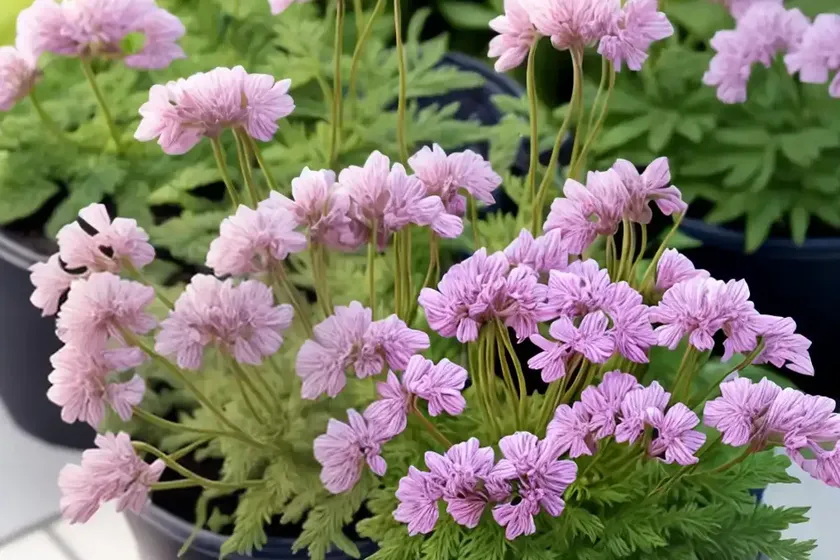
Plants have been an integral part of human existence for centuries, providing nourishment, medicine, and beauty. Fumitory, scientifically known as Fumaria schleicheri, is one such botanical gem that has traversed through time, captivating herbalists, botanists, and garden enthusiasts with its intriguing characteristics and versatile applications. In this comprehensive guide, we will delve into the captivating world of Fumitory, exploring its cultural significance, uses, growing conditions, and much more.
What is Fumitory (Fumaria schleicheri)?
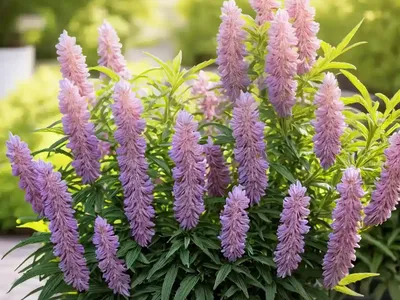
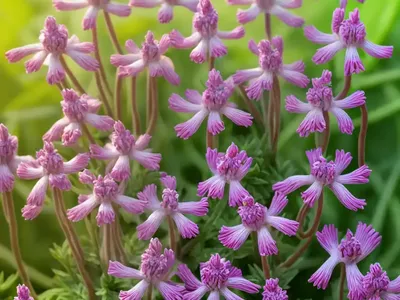
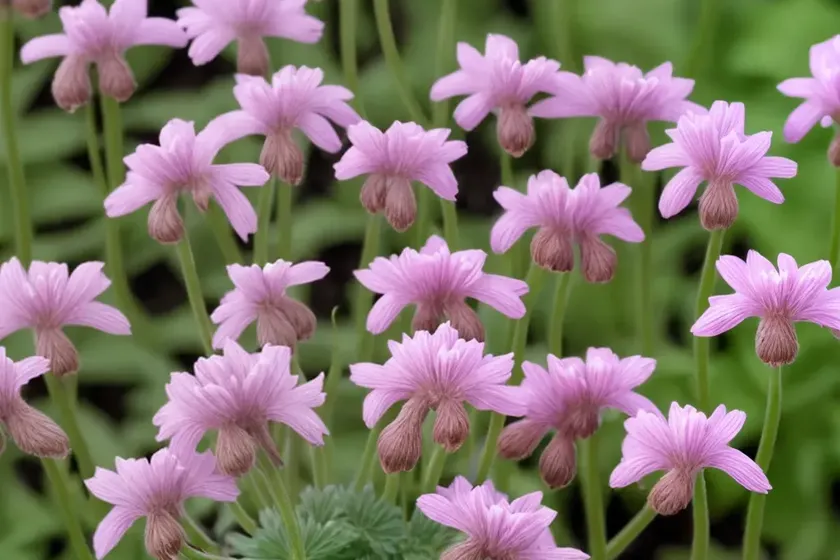
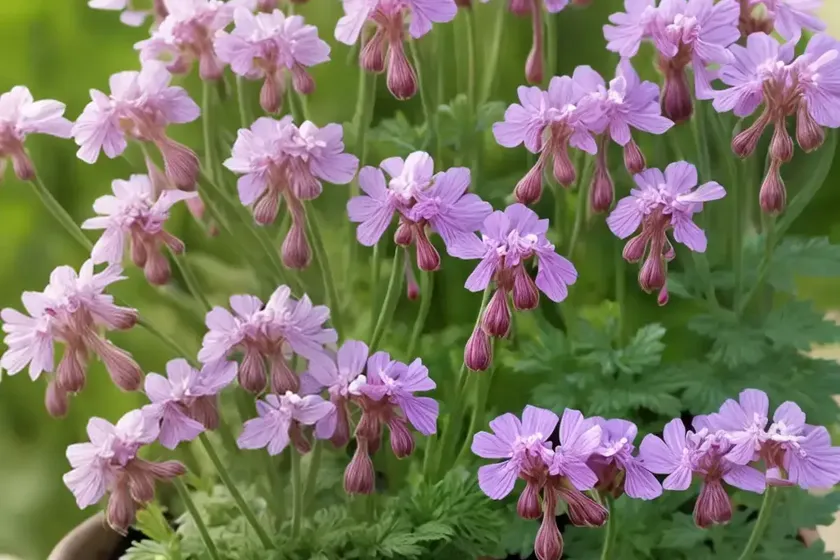
Fumitory, also known by its scientific name Fumaria schleicheri, is a delicate annual flowering plant belonging to the family Papaveraceae. It is native to the Mediterranean region and is characterized by its finely divided, fern-like leaves and petite, tubular flowers that range in color from white to delicate shades of pink and purple.
Key Takeaways – Fumitory (Fumaria schleicheri)
Before diving into the details of Fumitory, let’s take a quick look at some key takeaways about this intriguing plant:
- Scientific Name: Fumaria schleicheri
- Family: Papaveraceae
- Native Habitat: Mediterranean region
- Characteristics: Finely divided, fern-like leaves and petite, tubular flowers in white, pink, and purple hues
- Cultural Significance: Historically used in herbal medicine and associated with various folklore and traditions
- Growing Conditions: Thrives in well-drained soil, prefers partial shade, and requires regular watering
Now, let’s venture deeper into the world of Fumitory, uncovering its cultural significance, uses, growing requirements, and more.
Cultural Significance of Fumitory
Fumitory has carved out a significant place in various cultures and traditions, owing to its historical uses in herbal medicine and its appearance in folklore and legends. Let’s explore some of the cultural aspects associated with this intriguing plant.
Folklore and Traditions
In ancient times, Fumitory was often linked to myths, legends, and mystical beliefs. Its delicate appearance and ethereal white and pastel-hued flowers have contributed to its symbolic significance in various cultures. From representing purity and rebirth to being associated with love and protection, Fumitory has been intertwined with a myriad of beliefs and customs.
Medicinal Uses in Herbalism
Fumitory has a rich history in herbal medicine, where it has been revered for its purported medicinal properties. Traditional herbalists and healers utilized various parts of the plant, including the leaves, flowers, and stems, in remedies aimed at alleviating a range of ailments. The plant’s purported benefits include aiding digestion, detoxification, and promoting overall wellness.
Botanical Attributes of Fumitory
Taking a closer look at the botanical attributes of Fumitory sheds light on its distinctive characteristics and requirements for growth and cultivation.
Plant Description and Characteristics
Fumaria schleicheri is characterized by its finely divided, lacy leaves that impart a delicate, fern-like appearance to the plant. The flowers, borne on slender stems, consist of tubular petals in subtle tones of white, pink, and purple, adding an air of elegance to the plant.
Habitat and Distribution
Fumitory is native to the Mediterranean region, where it thrives in the mild, temperate climates of Southern Europe and North Africa. It is often found in open woodlands, meadows, and along the edges of cultivated fields.
Uses of Fumitory
The versatile applications of Fumitory extend beyond its ornamental value to encompass its historical uses in herbalism and its potential in various other domains. Let’s explore the diverse uses of this enigmatic plant.
Medicinal Properties and Herbal Uses
Fumaria schleicheri has long been recognized for its potential medicinal properties, which have been harnessed in traditional herbal remedies. The plant is believed to possess detoxifying, diuretic, and mild laxative properties, making it a valuable component in herbal formulations aimed at supporting overall health and wellness.
Symbolism and Spiritual Significance
Throughout history, Fumitory has held symbolic significance in various cultures, often being associated with themes of purity, protection, and renewal. Its delicate appearance and ethereal blooms have rendered it as a symbol of grace and spirituality in different traditions.
Fumitory Plant Care: Nurturing Nature’s Elegance
Caring for Fumitory involves understanding its specific requirements in terms of water, sunlight, soil, and maintenance practices. By providing an optimal environment, you can ensure the healthy growth and vitality of this captivating plant. Let’s delve into the essential care tips for cultivating Fumaria schleicheri.
Water
Fumitory thrives in well-drained soil and requires moderate watering. While it is essential to keep the soil consistently moist, it is equally important to avoid waterlogged conditions, as this can lead to root rot and other issues. A balance between adequate moisture and good drainage is key to promoting healthy growth.
Sunlight
When it comes to sunlight requirements, Fumitory displays a preference for partial shade. While it can tolerate some direct sunlight, especially in cooler climates, providing dappled or partial shade can help prevent the delicate foliage from scorching and promote optimal growth and flowering.
Fertilizer
Applying a balanced, diluted fertilizer during the growing season can support the vigor and blooming of Fumitory. Opt for a gentle, well-balanced fertilizer and apply it according to the package instructions to avoid over-fertilization, which can have adverse effects on the plant.
Soil
Fumaria schleicheri thrives in well-drained, fertile soil with a slightly acidic to neutral pH. Amending the soil with organic matter can enhance its texture and fertility, providing an ideal growing medium for the plant. Ensuring good soil drainage is particularly crucial to prevent waterlogging, which can compromise the plant’s health.
Pruning
While Fumitory generally requires minimal pruning, removing spent flowers can encourage the plant to produce new blooms and maintain a tidy appearance. Additionally, pruning any damaged or dead foliage can promote the overall health and vigor of the plant.
Propagation: Cultivating Fumitory
Propagating Fumitory allows for the expansion of its graceful presence in the garden or the creation of new plants from existing specimens. Understanding the techniques for successful propagation is essential for perpetuating this charming herbaceous plant.
Seed Propagation
Fumaria schleicheri can be propagated through seeds, making it relatively straightforward to cultivate new plants. To propagate Fumitory from seed, follow these basic steps:
- Collect mature seeds from existing plants when the seedpods have dried and opened.
- Sow the seeds in a well-prepared seedbed or containers filled with a moist, well-draining seed starting mix.
- Keep the soil consistently moist and provide the seeds with partial shade until they germinate, which typically occurs within a few weeks.
Container Cultivation
Cultivating Fumitory in containers can be an attractive option for individuals with limited garden space, as well as for those seeking to create eye-catching displays on patios, balconies, or terraces. When cultivating Fumitory in containers, ensure that the pots provide adequate drainage and use a high-quality potting mix tailored to the needs of flowering plants.
Popularity of Fumitory: A Timeless Favorite
Fumaria schleicheri has captivated the hearts of plant enthusiasts, herbalists, and gardeners with its delicate beauty and intriguing history. While its popularity may ebb and flow, the allure of this enigmatic plant remains timeless, earning it a place in gardens, herbal apothecaries, and the hearts of those who appreciate its unique qualities.
Common Diseases and Pests
Despite its graceful appearance, Fumitory is not immune to certain diseases and pests that can affect its health and vigor. Understanding the common issues that the plant may encounter is crucial for implementing preventative measures and addressing any problems that may arise.
Common Diseases
Fumitory may be susceptible to fungal diseases such as powdery mildew, which can manifest as a white, powdery coating on the leaves and stems. Additionally, root rot can occur in waterlogged or poorly drained soil, leading to the deterioration of the plant’s root system.
Disease Diagnosis and Management
Timely identification of diseases and prompt intervention are essential for mitigating their impact on Fumitory. Practices such as providing good air circulation, avoiding overhead watering, and maintaining proper soil drainage can help prevent fungal diseases. In cases of infection, utilizing appropriate fungicidal treatments can aid in managing the issue.
Common Pests
The tender foliage of Fumaria schleicheri may attract certain pests, including aphids, which can pose a threat to the plant by feeding on its sap and potentially transmitting diseases. Vigilance in monitoring the plant for the presence of pests and taking effective control measures can help safeguard its well-being.
Botanist’s Tips: Nurturing Fumitory with Expert Insights
Drawing from the expertise of botanists and horticultural specialists can offer valuable guidance for cultivating and caring for Fumitory, harnessing the collective wisdom of those experienced in the realm of plant science.
Cultivation Best Practices
- When preparing the soil for Fumitory, aim for a loose, friable texture that promotes good drainage and aeration, creating an ideal environment for root development.
- Providing a layer of mulch around Fumitory plants can help conserve soil moisture, regulate temperature, and suppress weed growth, contributing to their overall well-being.
Tailored Care Approaches
- Observing the plant closely for any signs of stress, disease, or pest infestation allows for prompt intervention, enhancing the plant’s resilience and longevity.
- Balancing the watering regime to meet the plant’s moisture needs without leading to waterlogging is essential for sustaining healthy growth and bloom production.
Fun Facts about Fumitory
Exploring the intriguing aspects and little-known facts about Fumaria schleicheri can provide a deeper appreciation for this captivating plant and its place in the natural world. Let’s uncover some fascinating tidbits that shed light on the allure of Fumitory.
- Ethnobotanical Significance: Fumitory has been historically associated with various ethnobotanical uses, featuring in traditional remedies and cultural practices across different regions.
- Botanical Diversity: The genus Fumaria encompasses numerous species, each with its unique attributes and potential uses, contributing to the botanical diversity within the group.
- Historical References: References to the uses and significance of Fumitory can be found in ancient texts and manuscripts, reflecting its enduring presence in human history.
Links to External Resources
To further enrich your understanding of Fumitory and its diverse facets, explore the following external resources:
- Mediterranean Wild Flowers and Plant Communities
- Ethnobotany of the Basque Area
- Herbal Medicine of the American Southwest
- Folklore and Symbolism in Plants: A Comparison of Phytognomy Research and Folklore Practices
In conclusion, the enigmatic allure of Fumitory (Fumaria schleicheri) transcends its delicate blooms and fern-like foliage, weaving through the tapestry of human history, cultural beliefs, and botanical wonder. Understanding the intricate interplay between its attributes, uses, and care requirements opens the door to a deeper appreciation for this ancient herb, embodying the time-honored connection between humanity and the plant kingdom.
As you embark on your journey with Fumitory, may the wisdom shared in this guide serve as a guiding light, nurturing your curiosity and fostering a profound reverence for the natural world and its bountiful treasures.
This comprehensive guide has been crafted with meticulous attention to detail and botanical insights, offering an immersive exploration of the captivating Fumitory (Fumaria schleicheri) and its multifaceted nature.
Plant Name: “Fumitory (Fumaria schleicheri)”