White Frangipani (Plumeria Pudica)
The beautiful and fragrant White Frangipani, scientifically known as Plumeria pudica, is a plant that captivates with its stunning appearance and.
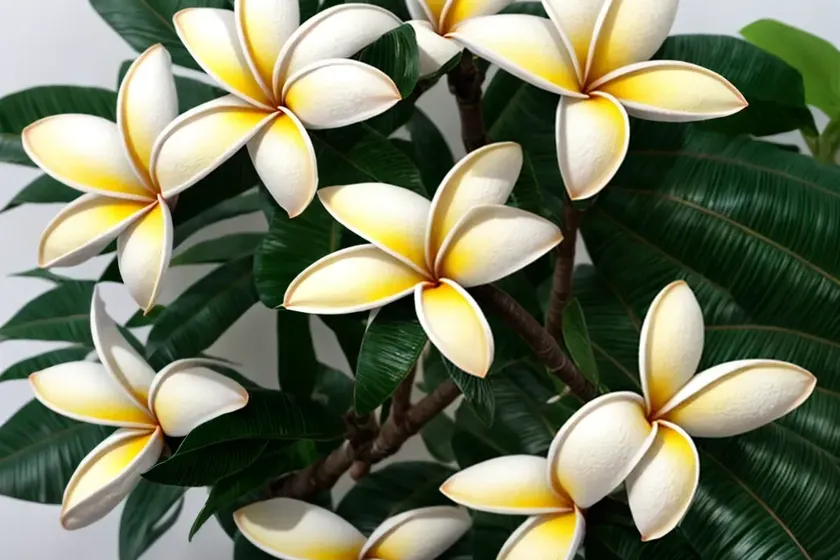
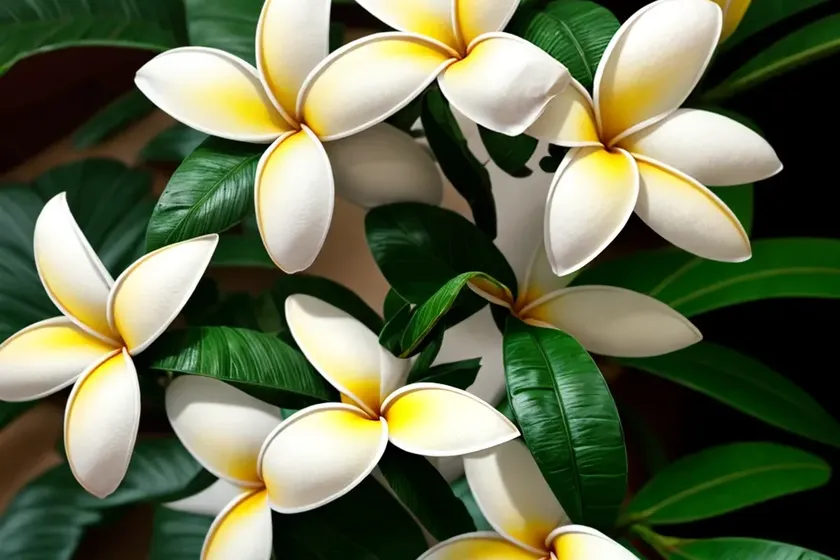
The beautiful and fragrant White Frangipani, scientifically known as Plumeria pudica, is a plant that captivates with its stunning appearance and intoxicating aroma. This article provides detailed insights into the cultivation of this magnificent plant, from its cultural requirements to its propagation techniques, common diseases, and more. Here’s everything you need to know to successfully grow and care for the White Frangipani.
What is the White Frangipani (Plumeria pudica)?
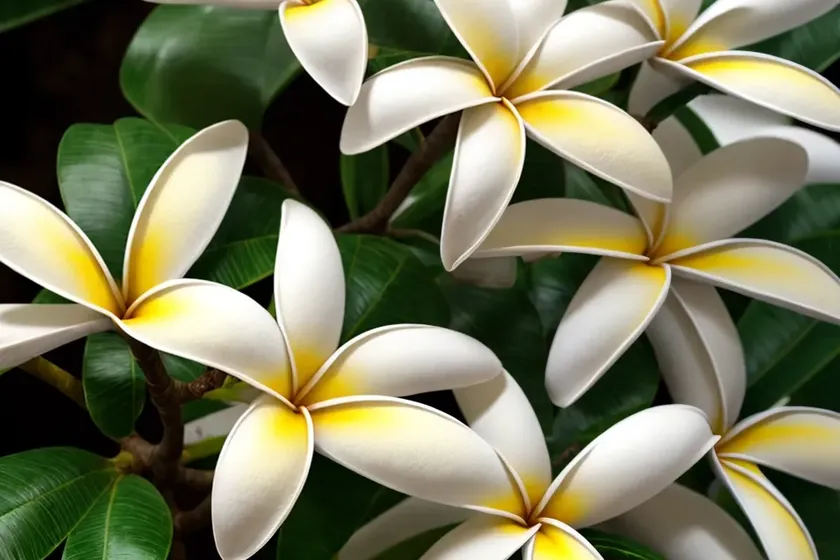
The White Frangipani, also known as Plumeria pudica, is a species of flowering plant in the family Apocynaceae. It is native to Panama and Colombia. The plant is characterized by its beautiful white flowers, which have a waxy texture and a captivating fragrance. Unlike other Plumeria species, P. pudica features elongated spoon-shaped leaves, giving it a distinctive appearance.
The plant is a deciduous shrub or small tree with a spreading habit, which can grow up to 5 meters in height. It produces clusters of white flowers with yellow centers, adding an elegant and tropical touch to any garden or landscape.
Key Takeaways – White Frangipani (Plumeria pudica)
Here are some key takeaways about the White Frangipani plant:
- The Plumeria pudica is a species of flowering plant known for its white, fragrant flowers and elongated spoon-shaped leaves.
- It is native to Panama and Colombia and is a popular choice for gardens and landscapes in tropical and subtropical regions.
- The plant requires well-drained soil, ample sunlight, and occasional pruning to thrive.
- Propagation can be done through seeds, stem cuttings, or air layering.
- The White Frangipani is susceptible to certain diseases and pests, requiring careful monitoring and management.
Now, let’s delve into the details of cultivating and caring for the White Frangipani, covering various aspects such as culture, uses, water requirements, sunlight exposure, fertilization, soil type, pruning, propagation, and more.
Culture
Uses
The White Frangipani has a range of uses, including:
- Ornamental Purposes: The plant is widely grown for its stunning flowers and pleasant fragrance, making it a popular choice for gardens, parks, and landscapes.
- Traditional and Medicinal Uses: In some cultures, various parts of the Plumeria plant are used in traditional medicine for their purported therapeutic properties. However, it’s important to note that proper consultation with healthcare professionals is essential before using any plant for medicinal purposes.
- Lei Making: In Hawaiian culture, Plumeria flowers, including those of P. pudica, are often used to create leis, which are traditional Hawaiian garlands worn for special occasions and celebrations.
Requirements
Water
The White Frangipani has moderate water needs and should be watered deeply but infrequently. Overwatering can lead to root rot, so it’s crucial to ensure that the soil has good drainage. During hot and dry periods, the plant may require more frequent watering to maintain adequate moisture levels.
Sunlight
Plumeria pudica thrives in full sunlight, requiring at least 6 to 8 hours of direct sunlight daily. When grown in insufficient light, it may become leggy with fewer flowers and reduced overall vigor. Therefore, it’s essential to plant this species in a location where it can receive ample sunlight throughout the day.
Fertilizer
When it comes to fertilization, the White Frangipani responds well to a balanced, slow-release fertilizer with a higher potassium content to promote flowering. Fertilize the plant sparingly throughout the growing season, especially during the blooming period. Refrain from applying excessive nitrogen, as this can lead to an abundance of foliage at the expense of flowers.
Soil
The White Frangipani prefers well-draining soil with a slightly acidic to neutral pH. A mix of potting soil, sand, and perlite can be used to provide the ideal growing medium for Plumeria pudica. Additionally, the plant is adaptable to various soil types, including sandy, loamy, or clay soils, as long as the drainage is good.
Pruning
Plumeria pudica benefits from regular pruning to maintain its shape, promote better flowering, and remove any dead or diseased branches. Pruning can be carried out during the dormant season or after the blooming period. Care should be taken to use sharp and sterile pruning tools to avoid causing damage or introducing pathogens to the plant.
Propagation
Propagation of the White Frangipani can be done through several methods, including:
- Seeds: Planting fresh seeds in well-draining soil and providing warm, humid conditions can lead to successful germination.
- Stem Cuttings: Using healthy, mature stem cuttings and allowing them to callus before planting can result in the production of new plants.
- Air Layering: This technique involves girdling a section of a healthy branch, applying rooting hormone, and wrapping it with moist moss and plastic to promote root development. Once roots have formed, the new plant can be separated and potted.
Container Popularity
Due to its ornamental value, the White Frangipani is a popular choice for container gardening. When grown in containers, it can be positioned on patios, balconies, or in small gardens, allowing for easier maintenance and the ability to move the plant to more sheltered locations during adverse weather conditions.
Container Common Diseases
The White Frangipani is susceptible to certain diseases, including:
- Root Rot: Overwatering or poorly-draining soil can lead to root rot, causing the plant to wilt and exhibit leaf yellowing or browning.
- Powdery Mildew: This fungal disease can manifest as a powdery white coating on the leaves, inhibiting photosynthesis and potentially affecting overall plant health.
Disease Diagnosis
Diagnosing and treating diseases in the White Frangipani requires careful observation and prompt intervention. If symptoms of disease are present, it is essential to identify the specific issue and take appropriate measures to control its spread. This may involve adjusting watering practices, improving air circulation, and using targeted treatments, such as fungicides, if necessary.
Common Pests
Several pests can affect the White Frangipani, including:
- Aphids: These small, soft-bodied insects can cluster on the undersides of leaves and cause damage by feeding on plant sap.
- Mealybugs: Mealybug infestations can lead to the formation of white, waxy secretions on the plant and stunted growth.
- Spider Mites: These tiny arachnids can cause stippling on the leaves and fine webbing, impacting the plant’s health.
Pest Control
To effectively control pests, various measures can be taken, such as:
- Manual Removal: Physically removing pests from the plant, such as by spraying them off with a strong stream of water.
- Horticultural Oils and Soaps: Applying horticultural oils or soaps can suffocate and disrupt the feeding behavior of certain pests.
- Natural Predators: Introducing beneficial insects, such as ladybugs or lacewings, can help control pest populations in an environmentally friendly manner.
Botanist’s Tips
To ensure the successful cultivation and care of the White Frangipani, consider the following botanical tips:
- Maintain Good Drainage: Whether planted in the ground or in containers, ensuring proper drainage is crucial for the plant’s health and vitality.
- Monitor Moisture Levels: Regularly check the soil to determine when watering is necessary, allowing it to dry out partially between waterings.
- Inspect for Pests and Diseases: Routinely inspect the plant for signs of pests or diseases, addressing any issues promptly to prevent escalation.
- Prune Wisely: Use sharp and clean pruning tools to make precise cuts, removing any dead, damaged, or crossing branches to promote overall plant health.
Fun Facts
As we explore the world of the White Frangipani, here are some interesting and fascinating facts about this remarkable plant:
- The flowers of Plumeria pudica are often associated with love and are used in various cultures to symbolize devotion and positivity.
- The fragrance of the White Frangipani’s flowers is intense and alluring, often evoking feelings of serenity and tranquility.
- In regions where the plant is native, its flowers are often used in religious and ceremonial contexts, carrying symbolic significance and cultural relevance.
Links to External Resources
For further information on cultivating and caring for the White Frangipani (Plumeria pudica), please refer to the following external resources:
- Royal Horticultural Society – Plumeria pudica
- University of Florida IFAS Extension – Plumeria
- Missouri Botanical Garden – Plumeria
In conclusion, the White Frangipani (Plumeria pudica) is a stunning plant with exquisite flowers and a captivating fragrance. By understanding and meeting its cultural requirements, providing proper care, and addressing potential issues such as diseases and pests in a timely manner, enthusiasts can cultivate and enjoy the beauty of this remarkable species.
Whether gracing a garden with its elegance or adorning a container with its allure, the White Frangipani continues to captivate with its timeless charm and enduring appeal.
Keywords: White Frangipani plant, Plumeria pudica, White frangipani flowers, Plumeria pudica care, White frangipani tree, Plumeria pudica species, White frangipani propagation, Plumeria pudica growing tips, White frangipani pruning, Plumeria pudica varieties, White frangipani fragrance, Plumeria pudica blooms, White frangipani medicinal uses, Plumeria pudica garden, White frangipani landscape, Plumeria pudica facts, White frangipani symbolism, Plumeria pudica seeds, White frangipani gardening, Plumeria pudica indoor, White frangipani outdoor, Plumeria pudica diseases, White frangipani pests, Plumeria pudica fertilizing, White frangipani winter care, Plumeria pudica sun requirements, White frangipani soil type, Plumeria pudica water needs, White frangipani drought tolerance, Plumeria pudica pruning techniques, White frangipani container gardening, Plumeria pudica landscape ideas, White frangipani companion plants, Plumeria pudica horticultural uses, White frangipani natural habitat, Plumeria pudica garden design, White frangipani flower meaning, Plumeria pudica pest control, White frangipani blooming season, Plumeria pudica common problems, White frangipani pollination, Plumeria pudica leaf characteristics, White frangipani sunlight requirements, Plumeria pudica root development, White frangipani soil pH, Plumeria pudica winter protection, White frangipani watering schedule, Plumeria pudica leaf drop, White frangipani species comparison, Plumeria pudica disease resistance.