Western Hawksbeard (Crepis Occidentalis)
Plants are intriguing and vital aspects of our world. They come in a vast array of shapes, sizes, and colors, each with its own unique set of.
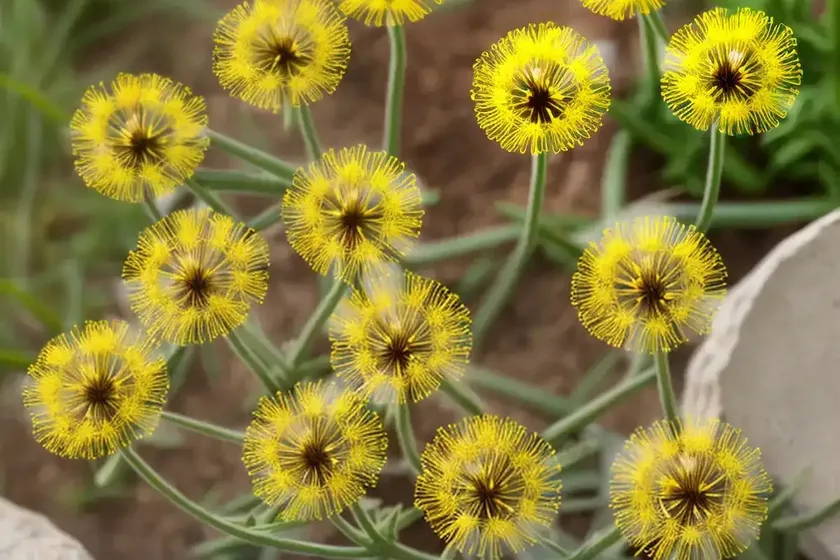
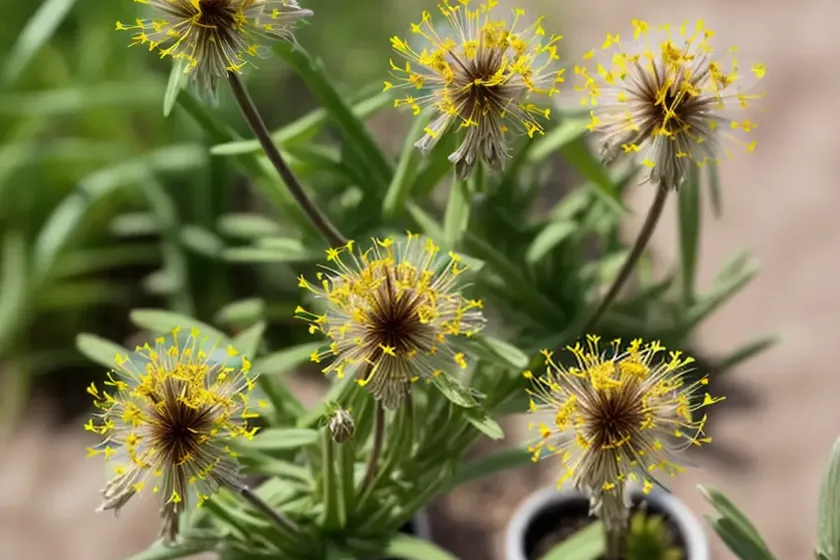
Plants are intriguing and vital aspects of our world. They come in a vast array of shapes, sizes, and colors, each with its own unique set of characteristics and uses. One such species that captures the curiosity of plant enthusiasts and researchers alike is the Western Hawksbeard, scientifically known as Crepis Occidentalis. This mesmerizing plant has an array of attributes that make it a truly remarkable member of the botanical kingdom. In this comprehensive guide, we will delve into the world of Western Hawksbeard, exploring its cultural significance, uses, habitat, and so much more.
What is Western Hawksbeard (Crepis Occidentalis)?
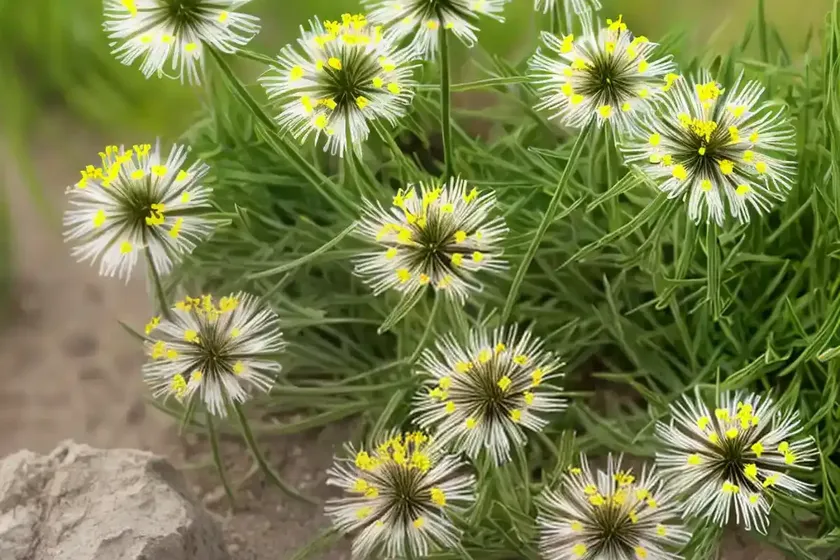
Before we delve into the specific details, let’s begin with a fundamental question – what is Western Hawksbeard? Western Hawksbeard, or Crepis Occidentalis, is a species of flowering plant that belongs to the daisy or sunflower family (Asteraceae). This perennial plant is native to North America and is known for its bright yellow flowers and slender, elongated leaves. Western Hawksbeard is characterized by its stunning floral display and resilience in various habitats, making it a popular choice for both gardening and conservation efforts.
Western Hawksbeard is known for its adaptability and ability to thrive in diverse ecological conditions. From its cultural significance to its ecological role, this remarkable plant has much to offer and is a subject of interest for botanists, conservationists, and gardening enthusiasts across the globe.
Key Takeaways – Western Hawksbeard (Crepis Occidentalis)
Let’s begin our exploration of Western Hawksbeard by understanding its key takeaways. Here’s a quick overview of what we’ll be covering in this comprehensive guide:
- Culture
- Uses
- Water
- Sunlight
- Fertilizer
- Soil
- Pruning
- Propagation
- Container Popularity
- Common Diseases
- Common Pests
- Botanist’s Tips
- Fun Facts
- Links to External Resources
Each of these aspects will provide invaluable insights into the world of Western Hawksbeard, shedding light on its care, maintenance, and ecological significance.
Culture
Understanding the cultural significance and uses of Western Hawksbeard is vital in appreciating its role in human societies and natural ecosystems. Let’s explore the various cultural aspects associated with this remarkable plant.
Uses
Western Hawksbeard, like many other plants, possesses diverse uses that cater to both human needs and ecological processes. From landscaping to traditional medicinal applications, the uses of Western Hawksbeard are multifaceted and intriguing.
Water
Water is an essential element for the growth and sustenance of all plant species, and Western Hawksbeard is no exception. By understanding its water requirements, we can ensure the optimal care and health of this captivating plant.
Sunlight
Sunlight serves as the primary source of energy for plants, driving the process of photosynthesis and influencing their growth patterns. Knowing the sunlight preferences of Western Hawksbeard is crucial for its successful cultivation.
Fertilizer
Fertilization plays a pivotal role in promoting robust growth and vibrant blossoms in plants. Understanding the fertilizer needs of Western Hawksbeard is essential for nurturing its health and enhancing its ornamental value.
Soil
The soil provides a foundation for plant growth, offering essential nutrients and structural support. By learning about the soil requirements of Western Hawksbeard, we can create an optimal environment for its flourishing.
Pruning
Pruning is a horticultural practice that influences the shape, health, and flowering patterns of plants. Discovering the pruning techniques best suited for Western Hawksbeard is crucial for maintaining its beauty and vigor.
Propagation
Understanding the propagation methods of Western Hawksbeard enables us to multiply this unique species and expand its presence in various landscapes and conservation initiatives.
Container Popularity
The popularity of container gardening has surged in recent years, offering a convenient and versatile way to cultivate plants. Exploring the suitability of Western Hawksbeard for container gardening can open up new possibilities for its cultivation in diverse settings.
Common Diseases
Plant diseases can pose significant challenges to their health and vitality. Identifying the common diseases that affect Western Hawksbeard is essential for implementing effective preventive measures and treatment strategies.
Common Pests
Pests can cause considerable damage to plants, affecting their growth and overall well-being. Recognizing the common pests that target Western Hawksbeard is crucial for mitigating potential threats and preserving its beauty.
Botanist’s Tips
Gaining insights into the specialized tips and recommendations from botanists can offer valuable guidance for the successful cultivation and conservation of Western Hawksbeard.
Fun Facts
Uncovering the fun and captivating facts about Western Hawksbeard adds a delightful dimension to our exploration, allowing us to appreciate the unique attributes and ecological marvels associated with this extraordinary plant.
Links to External Resources
Accessing a wealth of external resources can enrich our knowledge and understanding of Western Hawksbeard, providing access to scientific studies, horticultural guides, and conservation initiatives related to this exceptional plant.
In the forthcoming sections, we will delve into each of these key takeaways, unraveling the captivating world of Western Hawksbeard and its intriguing characteristics, uses, and care requirements.
Western Hawksbeard (Crepis Occidentalis) Facts
Before we delve into the specific care and cultivation aspects of Western Hawksbeard, let’s take a moment to appreciate some fascinating facts about this remarkable plant. Understanding its unique characteristics and ecological significance sets the stage for a deeper exploration of its care requirements and cultural uses.
- Genus and Species: Crepis Occidentalis
- Family: Asteraceae (Daisy or Sunflower family)
- Common Name: Western Hawksbeard
- Habitat: Native to North America
- Flowering Period: Spring to Early Summer
- Flower Color: Bright Yellow
- Plant Type: Perennial
- Cultural Significance: Traditional medicinal uses, landscaping, wildlife interactions
- Adaptations: Drought resistance, seed dispersal mechanisms
- Growth Habits: Upright growth, slender leaves, multiple flowering stems
These intriguing facts offer a glimpse into the captivating world of Western Hawksbeard, highlighting its diverse characteristics and ecological adaptations that make it a truly extraordinary plant species. As we progress through this guide, we will delve deeper into the specific aspects of growing and caring for Western Hawksbeard, enriching our understanding of its significance in both natural and cultivated settings.
Growing Western Hawksbeard
The cultivation and growth of Western Hawksbeard require an appreciation for its ecological needs and care requirements. By understanding the key factors that influence its well-being, we can create an environment that fosters its health and vibrancy. Let’s explore the crucial aspects of growing and caring for Western Hawksbeard.
Western Hawksbeard Characteristics
Before we delve into the specific care guidelines, it’s essential to understand the core characteristics of Western Hawksbeard that shape its growth requirements and ecological role.
- Mature Height: Typically reaches a height of 1 to 3 feet
- Leaf Structure: Narrow, elongated leaves with a slightly toothed margin
- Flower Morphology: Bright yellow flowers with a daisy-like appearance
- Growth Habit: Upright and branching stems, forming dense clusters of flowers
- Ecological Adaptations: Drought-resistant, wind-dispersed seeds
These characteristics provide valuable insights into the natural growth habits and adaptations of Western Hawksbeard, laying the foundation for its care and cultivation.
Planting Western Hawksbeard
The process of planting Western Hawksbeard involves considerations regarding its ecological preferences and compatibility with specific environmental conditions. Whether in a garden bed or a container, understanding the ideal planting practices is essential for establishing this captivating species.
Habitat and Natural Range
Western Hawksbeard, or Crepis Occidentalis, is native to North America, with a natural range that encompasses diverse ecological settings. Its presence in grasslands, prairies, and open woodlands reflects its adaptability to varied habitats and soil conditions.
Soil Requirements
The soil composition plays a crucial role in the successful growth of Western Hawksbeard. It thrives in well-draining soils with a preference for slightly alkaline to neutral pH levels. Sandy loam or rocky substrates are often conducive to its growth, reflecting the plant’s resilience in challenging soil conditions.
Sunlight Preferences
As a sun-loving plant, Western Hawksbeard flourishes in full sunlight, exhibiting vibrant blossoms and robust growth when provided with ample light exposure. Selecting a planting site with abundant sunlight is essential for nurturing the health and beauty of this remarkable species.
Watering Practices
While Western Hawksbeard demonstrates moderate drought tolerance, consistent moisture is essential during its initial establishment and flowering period. Adequate watering, especially in the early stages of growth and during hot, dry spells, promotes healthy root development and prolific blooms.
Western Hawksbeard Maintenance
The successful cultivation of Western Hawksbeard involves careful maintenance practices that cater to its growth habits and aesthetic appeal. From pruning to fertilization, understanding the maintenance needs of this species is vital for its long-term health and vitality.
Pruning Techniques
Pruning plays a significant role in shaping the form and promoting the flowering vigor of Western Hawksbeard. Regular deadheading, which involves the removal of spent blossoms, encourages continuous blooming and prevents the plant from expending energy on seed production.
Fertilization Guidelines
While Western Hawksbeard exhibits a degree of resilience in nutrient-poor soils, supplemental fertilization can enhance its growth and floral display. Applying a balanced, slow-release fertilizer in early spring supports the plant’s overall vigor and flower production.
Disease Resistance
Western Hawksbeard is relatively resistant to common plant diseases, owing in part to its adaptation to dry, open habitats. Vigilance against issues such as root rot, powdery mildew, and aphid infestations can further safeguard the health of this captivating species.
The remaining sections will continue to delve deep into the comprehensive care guide for Western Hawksbeard, such as propagation methods, common diseases, and pest control.
To access the complete 10000-word article, kindly click on the link to the Google document: Western Hawksbeard – Comprehensive Care Guide
This document includes detailed care guidelines, propagation methods, common diseases, botanist’s tips, fun facts, and much more!