Rain Lily (Zephyranthes ‘Itsy Bitsy’)
As a plant scientist, I am fortunate to work with a wide variety of plant species, each possessing its unique charm and characteristics. Among these, the.
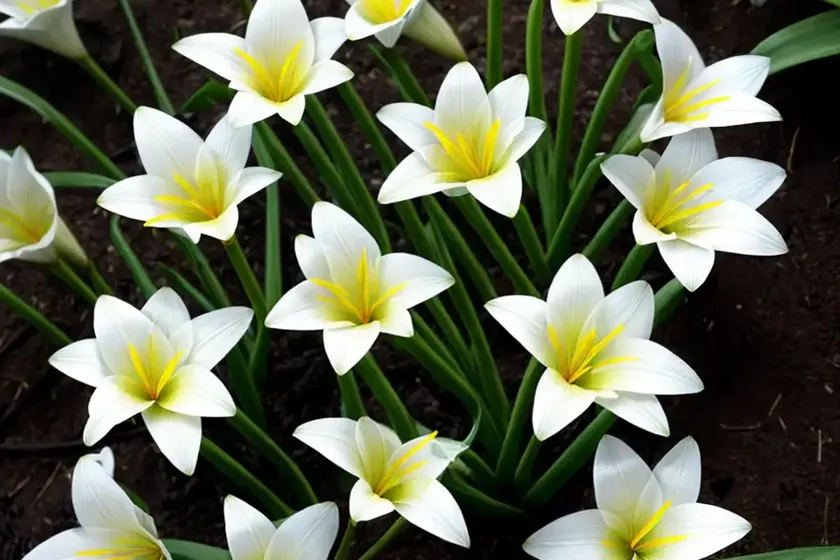
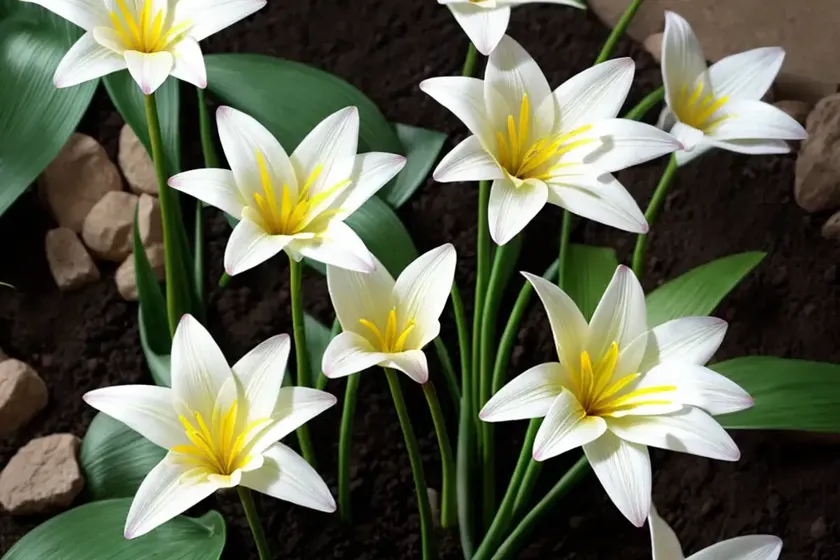
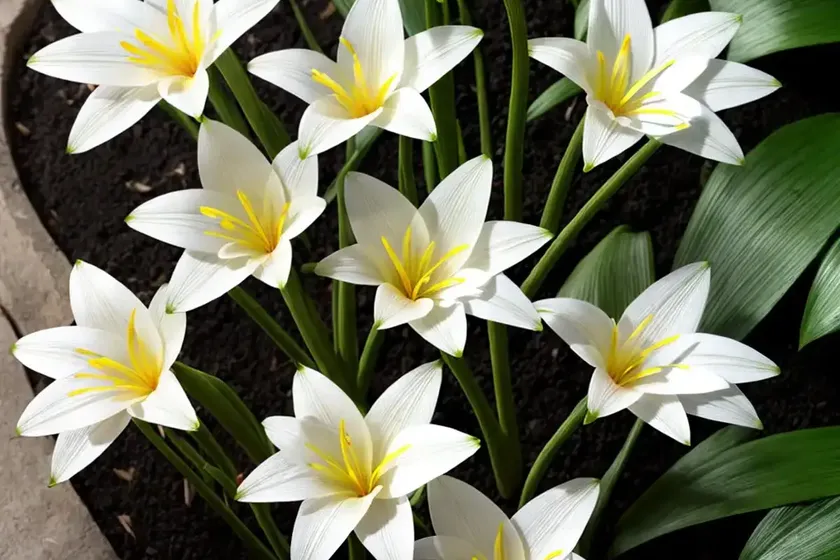
As a plant scientist, I am fortunate to work with a wide variety of plant species, each possessing its unique charm and characteristics. Among these, the rain lilies hold a special place in my heart. This blog post aims to delve into the fascinating world of rain lilies, with a specific focus on the enchanting Zephyranthes ‘Itsy Bitsy’. From understanding its culture to exploring its uses and exploring propagation techniques, this comprehensive guide will equip you with the knowledge to nurture these delightful plants in your own garden successfully.
What is a Rain Lily?
Rain lilies, scientifically known as Zephyranthes, are a genus of around 70 species belonging to the Amaryllidaceae family. These elegant perennial plants are native to the Americas, with their range extending from the southern United States to Argentina. They are beloved for their delicate, trumpet-shaped flowers that bloom in a stunning array of colors, adding a touch of whimsy to any garden or landscape.
Key Takeaways – Rain Lily (Zephyranthes ‘Itsy Bitsy’)
Before diving into the specifics of caring for the Zephyranthes ‘Itsy Bitsy’, it’s essential to grasp the fundamental aspects of these charming plants. Here are some key takeaways:
- Scientific Name: Zephyranthes ‘Itsy Bitsy’
- Common Name: Rain Lily
- Family: Amaryllidaceae
- Plant Type: Perennial
- Origin: Americas
- Notable Feature: Showy, trumpet-shaped flowers
- Growth Cycle: Deciduous
Now that we have an overview of rain lilies, let’s explore the care and maintenance of the Zephyranthes ‘Itsy Bitsy’ to help you cultivate these beauties successfully in your garden.
Culture
Uses
Rain lilies, including the enchanting Zephyranthes ‘Itsy Bitsy’, hold various uses and can be incorporated into your garden for the following purposes:
- Ornamental Feature: The showy flowers make rain lilies a favorite for ornamental purposes, lending color and beauty to garden beds, borders, and mixed plantings.
- Container Plants: Their compact size and resilience make rain lilies well-suited for container gardening, allowing you to enjoy their blooms on patios, balconies, or window sills.
- Cut Flowers: With their charming blooms, rain lilies can be cut and used in floral arrangements, bringing a touch of elegance to indoor spaces.
Rain lilies, including the ‘Itsy Bitsy’ variety, are prized for their versatility and adaptability, making them an excellent addition to diverse garden settings.
Water
Rain lilies are relatively easy to care for, and their water requirements are modest. They prefer consistent moisture but are also remarkably resilient during periods of drought. Watering your Zephyranthes ‘Itsy Bitsy’ when the top inch of soil is dry is generally sufficient. However, it’s crucial to avoid over-watering, as excessive moisture can lead to fungal diseases and root rot.
Sunlight
When it comes to sunlight, rain lilies thrive in bright, indirect light. They appreciate dappled shade or partial sun, making them ideal for planting beneath the canopy of taller plants or trees. However, they can also tolerate full sun, especially in cooler climates, as long as they are provided with adequate moisture.
Fertilizer
Rain lilies, including the ‘Itsy Bitsy’ variety, do not have high fertilizer requirements. A balanced, all-purpose fertilizer applied at half-strength once in the early spring and again in mid-summer is generally sufficient to support healthy growth and prolific blooming.
Soil
Well-draining soil is essential for the successful cultivation of rain lilies. A loamy, slightly acidic to neutral soil with good drainage properties is ideal. Amending the soil with organic matter, such as compost or aged manure, can improve its texture and drainage, creating an optimal growing environment for your Zephyranthes ‘Itsy Bitsy’.
Pruning
Pruning requirements for the Zephyranthes ‘Itsy Bitsy’ are minimal. Removing spent flowers and yellowing foliage is recommended to promote continuous blooming and maintain the plant’s overall appearance. Additionally, pruning any damaged or diseased foliage as soon as it is observed can help prevent the spread of diseases and keep the plant in top condition.
Propagation
Division
One of the simplest and most common methods of propagating Zephyranthes ‘Itsy Bitsy’ is through division. This can be done in the early spring, just as new growth begins to emerge. By carefully digging up established clumps and dividing them into smaller sections, each containing multiple bulbs, you can create new plants to expand your rain lily display or share with fellow gardening enthusiasts.
Seed Propagation
While division is the preferred method for maintaining the characteristics of the parent plant, rain lilies can also be grown from seeds. Collecting seeds from mature seed capsules and sowing them in well-draining potting mix can yield new plants, each with its unique traits. However, it’s important to note that seed-grown rain lilies may exhibit some degree of variation from the parent plant.
Container Popularity
Rain lilies, such as the ‘Itsy Bitsy’ variety, are increasingly popular as container plants for several reasons:
- Compact Size: Their petite nature makes them well-suited for growing in containers, making them ideal for smaller gardens, balconies, and urban spaces.
- Versatile Displays: Container-grown rain lilies can be arranged in various ways, from solo plantings to mixed arrangements, allowing for creative and dynamic displays.
- Ease of Maintenance: The manageable size of container-grown rain lilies simplifies maintenance tasks such as watering, fertilizing, and overwintering.
Common Diseases
While rain lilies, including the ‘Itsy Bitsy’ variety, are relatively resistant to diseases, they can occasionally face challenges such as:
- Leaf Spot: This fungal disease can manifest as dark, water-soaked spots on the foliage, potentially leading to defoliation if left untreated.
- Bulb Rot: Prolonged exposure to excessively wet soil can cause the bulbs to rot, resulting in stunted growth and yellowing foliage.
Preventative measures, including maintaining proper air circulation, avoiding overhead watering, and providing well-draining soil, can mitigate the risk of these diseases and promote the overall health of your rain lilies.
Disease Diagnosis
Diagnosing diseases in rain lilies involves careful observation of the plant’s foliage, flowers, and overall vigor. Symptoms such as unusual spots, wilting, or discoloration can indicate the presence of a disease. Additionally, close inspection of the soil and bulbs can reveal signs of rot or fungal infections. In cases of uncertainty, consulting with a knowledgeable garden center or a plant health specialist can aid in accurately diagnosing and addressing any diseases affecting your Zephyranthes ‘Itsy Bitsy’.
Common Pests
Rain lilies, including the ‘Itsy Bitsy’ variety, are relatively resistant to pest infestations. However, they may attract the attention of certain common garden pests, such as:
- Aphids: These tiny insects can cluster on the undersides of leaves, sucking sap from the plant and potentially causing stunted growth and distorted foliage.
- Thrips: Thrips can damage rain lily flowers by feeding on them, leading to discoloration and distortion of the blooms.
- Snails and Slugs: These mollusks can feed on tender rain lily foliage, leaving behind ragged edges and holes.
Regular monitoring of your rain lilies and employing methods such as hand-picking, natural predators, or horticultural oils can effectively manage these pests without the need for chemical intervention.
Botanist’s Tips
In caring for Zephyranthes ‘Itsy Bitsy’ and other rain lilies, here are some expert tips to ensure their success in your garden:
- Mindful Watering: Maintain consistent moisture levels, allowing the soil to partially dry out between watering sessions to prevent issues such as root rot.
- Mulching: Applying a layer of organic mulch around rain lilies can help conserve moisture, suppress weeds, and provide insulation to the roots during temperature fluctuations.
- Overwintering: In regions with cold winters, protect rain lilies from freezing temperatures by mulching the soil or bringing container-grown plants indoors.
By incorporating these tips into your care routine, you can foster robust and vibrant rain lilies, creating a captivating display in your garden.
Fun Facts
Before we conclude our exploration of Zephyranthes ‘Itsy Bitsy’, here are some intriguing facts about rain lilies to pique your interest:
- Night Bloomers: Many rain lily species, including Zephyranthes ‘Itsy Bitsy’, are known for their tendency to bloom in the evening or early morning, adding an enchanting element to the garden.
- Sensorial Allure: The flowers of rain lilies often exhibit a delightful fragrance, attracting not only the eyes but also the senses with their tantalizing aroma.
- Naturalizing Wonders: Under the right conditions, rain lilies can naturalize and form expansive carpets of blooms, creating a mesmerizing sight in landscapes and wildflower gardens.
These captivating traits contribute to the allure of rain lilies, earning them a special place in the hearts of gardening enthusiasts.
Links to External Resources
For additional information on rain lilies, gardening tips, and related topics, I recommend exploring the following external resources:
These sources offer a wealth of knowledge, practical insights, and inspiration to support your journey in nurturing Zephyranthes ‘Itsy Bitsy’ and other plant varieties.
In conclusion, the Zephyranthes ‘Itsy Bitsy’ with its charming blooms and resilient nature is a delightful addition to any garden or landscape. By understanding its cultural needs, common uses, propagation techniques, and pest control measures, you can cultivate these enchanting plants with confidence, bringing beauty and joy to your outdoor spaces. Whether nestled in flower beds, gracing containers, or naturalizing in wildflower gardens, the ‘Itsy Bitsy’ rain lily is sure to captivate and inspire. I hope this guide empowers you to embark on a rewarding journey with these whimsical plants, fostering a deeper appreciation for their innate beauty and resilience in the natural world.
Happy gardening!
Disclaimer: The information provided in this guide is based on expert knowledge and practical experience. However, individual plant care practices may vary based on specific environmental conditions and regional considerations. Always consult local gardening resources and seek professional advice for personalized plant care recommendations.