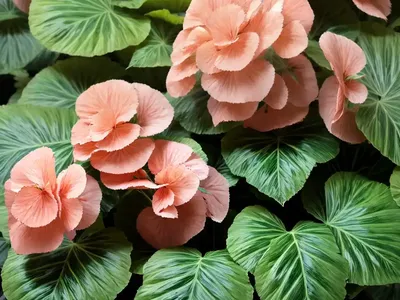
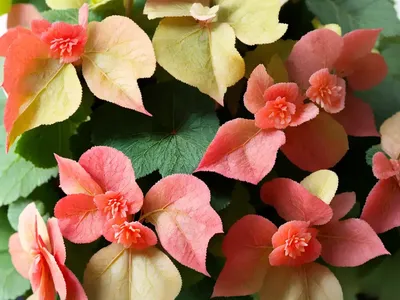
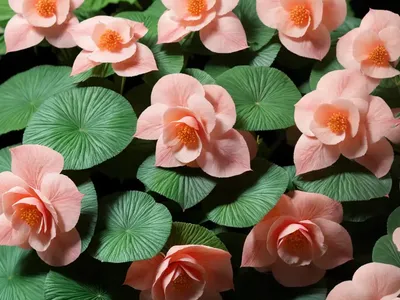
Wax Begonia (Begonia X Semperflorens-cultorum)
Wax Begonia, scientifically known as Begonia x semperflorens-cultorum, is a popular and beautiful flowering plant that has captured the hearts of many.
Introduction
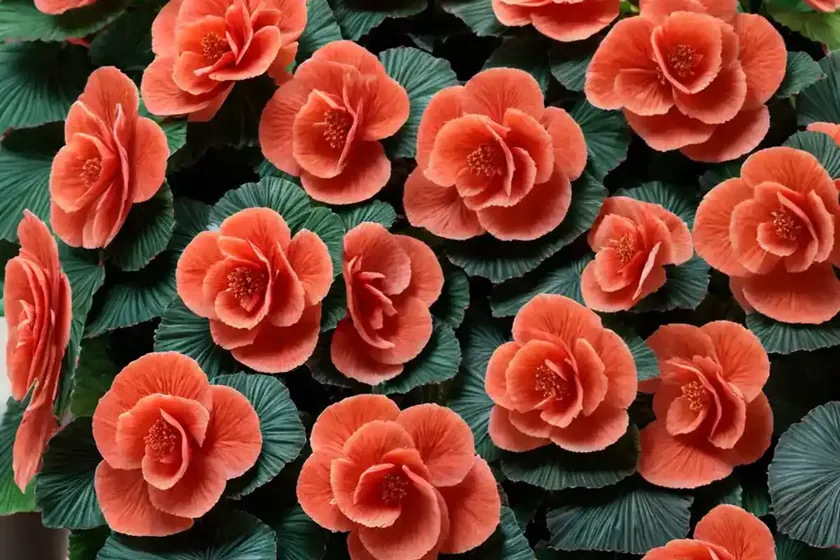
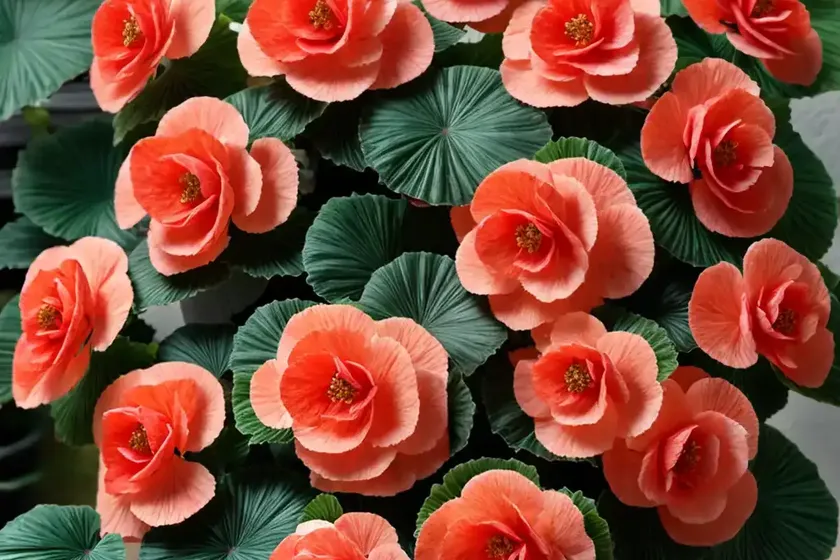
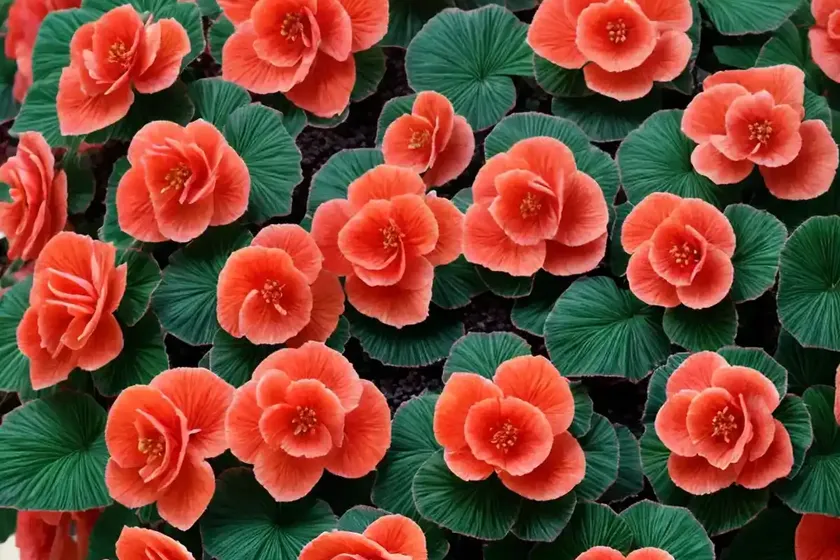
Wax Begonia, scientifically known as Begonia x semperflorens-cultorum, is a popular and beautiful flowering plant that has captured the hearts of many gardening enthusiasts. With its vibrant colors, low-maintenance nature, and versatility for various growing conditions, wax begonias have become a staple in gardens, landscapes, and even indoor spaces. In this comprehensive guide, we will explore the characteristics, culture, uses, care tips, common diseases, and much more about the Wax Begonia, providing a valuable resource for both seasoned gardeners and beginners.
What is Wax Begonia (Begonia x semperflorens-cultorum)?
Wax Begonia belongs to the Begoniaceae family and is a highly cultivated hybrid plant, resulting from the crossbreeding of different Begonia species. Known for its waxy, leathery leaves and clusters of delicate, colorful flowers, Wax Begonia is favored for its ability to thrive in a variety of environments, making it an ideal choice for both outdoor and indoor cultivation.
Key Takeaways
- Common Name: Wax Begonia
- Scientific Name: Begonia x semperflorens-cultorum
- Family: Begoniaceae
- Type: Herbaceous perennial, often grown as an annual
- Native To: Hybrid cultivated species, not found in the wild
- Flowering: Produces clusters of white, pink, or red flowers
Culture
Cultivating Wax Begonia can be a rewarding experience, as it offers a beautiful display of colorful blooms and lush foliage. Understanding the culture and requirements of Wax Begonia is crucial for ensuring its health and vitality.
Uses
Wax Begonias are incredibly versatile and can be used in various gardening and landscaping settings. Some common uses include:
– Bedding plants
– Container gardening
– Edging for garden borders
– Groundcover in landscape designs
– Hanging baskets and window boxes
– Indoor houseplants
– Mixed containers and planters
– Rock gardens
– Shaded areas and woodland gardens
Water
Proper watering is essential for the well-being of Wax Begonias. They prefer soil that is consistently moist but not waterlogged. During the growing season, regular watering is necessary, and the soil should be allowed to dry slightly before the next watering.
Sunlight
Wax Begonia thrives in partial shade to full shade, making it an excellent choice for areas with limited direct sunlight. However, it’s important to note that some cultivars can tolerate more sunlight, but they still prefer protection from intense afternoon sun.
Fertilizer
Providing balanced fertilizer to Wax Begonias can promote healthy growth and abundant flowering. A slow-release fertilizer or a water-soluble fertilizer with balanced N-P-K (nitrogen, phosphorus, potassium) ratio can be applied according to the manufacturer’s instructions.
Soil
Well-draining, fertile soil is crucial for Wax Begonias. A mix of organic matter, such as peat moss or compost, can be added to the soil to enhance its fertility and structure. Additionally, maintaining a slightly acidic to neutral pH level in the soil is beneficial for the plant’s overall health.
Pruning
Regular deadheading and pruning of spent blooms and leggy growth can encourage continuous flowering and promote a compact, bushy habit in Wax Begonias.
Propagation
Wax Begonias can be propagated from stem cuttings or leaf cuttings. By following proper propagation techniques, gardeners can easily create new plants from existing ones, expanding their collection or sharing the beauty of Wax Begonias with others.
Container Popularity
Due to their low-maintenance nature and adaptability to different growing conditions, Wax Begonias are extremely popular as container plants. They are often featured in outdoor containers, hanging baskets, and even indoor pots, adding a touch of elegance and charm to any space.
Common Diseases
While Wax Begonias are relatively resilient plants, they can be susceptible to certain diseases that may affect their growth and vitality. Understanding these common diseases, along with proper diagnosis and treatment, is essential for maintaining the health of the plants.
Disease Diagnosis
- Powdery Mildew: A fungal disease that appears as a white powdery coating on the leaves, stems, and flowers of the plant.
- Botrytis Blight: Also known as gray mold, it manifests as brown spots on leaves and flowers, often with a fuzzy, gray mold covering.
- Bacterial Leaf Spot: This disease causes dark, water-soaked spots on the leaves, eventually leading to foliage damage and defoliation.
Common Pests
In addition to diseases, Wax Begonias may also face challenges from various pests that can impact their overall health. Recognizing these common pests and implementing appropriate control measures is vital for protecting the plants from damage.
Botanist’s Tips
- Regularly monitor the plants for signs of pests and diseases.
- Ensure proper air circulation and spacing to reduce the risk of fungal diseases.
- Use preventive measures, such as applying fungicides or insecticidal soaps, to safeguard the plants against pests and diseases.
Fun Facts
- Wax Begonias are thought to have originated from a chance crossbreeding of different Begonia species in the 19th century.
- The name “Wax Begonia” is derived from the waxy texture of the leaves, which contributes to their resilience and ability to retain moisture.
- Some Wax Begonia cultivars are known for their attractive bronze foliage, adding a unique touch to garden landscapes.
Links to External Resources
- Wax Begonia care guide
- Growing Wax Begonia tips
- Begonia x semperflorens-cultorum propagation techniques
- Wax Begonia gardening advice
In conclusion, Wax Begonia (Begonia x semperflorens-cultorum) stands as a beloved plant species treasured for its beauty, adaptability, and ease of care. Whether adorning garden beds, containers, or indoor spaces, these charming plants continue to captivate and inspire gardeners around the world, creating colorful displays and bringing joy to all who encounter them.