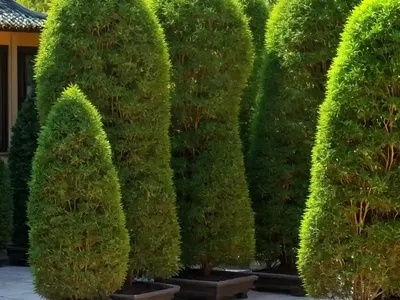
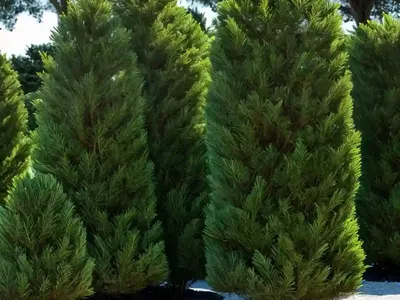
Waukegan Juniper (Juniperus Horizontalis ‘Waukegan’)
Plants are living organisms that belong to the kingdom Plantae, encompassing a vast array of species that vary in size, shape, color, and functionality..
What is a Plant?
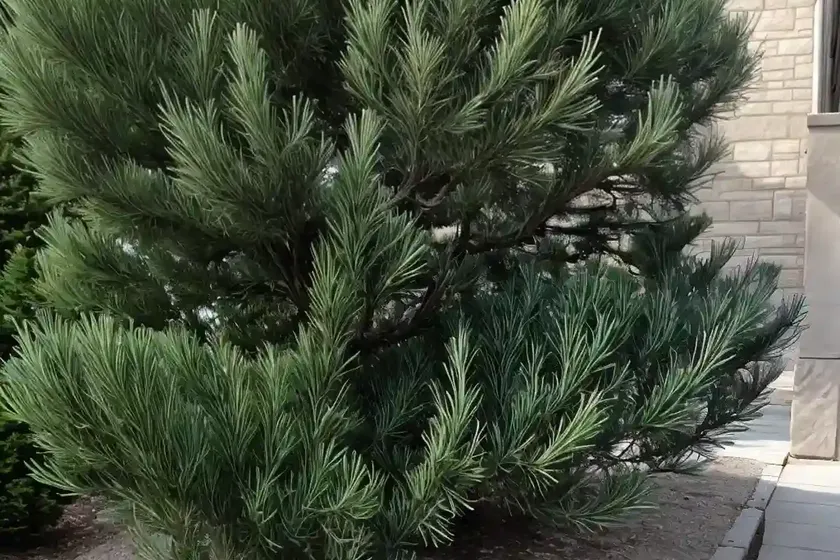
Plants are living organisms that belong to the kingdom Plantae, encompassing a vast array of species that vary in size, shape, color, and functionality. They play a crucial role in the ecosystem, serving as producers by converting sunlight into energy through the process of photosynthesis. From providing oxygen to serving as a food source for other organisms, the importance of plants is undeniable.
One intriguing plant species that I am excited to delve deeper into is the Waukegan Juniper, scientifically known as Juniperus horizontalis ‘Waukegan’. This blog post aims to provide an extensive guide, including details about its culture, uses, care requirements, and more. Whether you’re a seasoned gardener or a plant enthusiast, this comprehensive resource will equip you with valuable insights into the Waukegan Juniper.
Key Takeaways – Waukegan Juniper (Juniperus horizontalis ‘Waukegan’)
Before diving into the specific aspects of the Waukegan Juniper, let’s cover some key takeaways about this plant:
- Scientific Name: Juniperus horizontalis ‘Waukegan’
- Common Name: Waukegan Juniper
- Plant Type: Evergreen shrub
- USDA Hardiness Zones: 3 to 9
- Mature Height: 1 to 2 feet
- Mature Spread: 4 to 8 feet
- Growth Rate: Medium
- Exposure: Full sun
- Soil Preference: Well-draining, acidic soil
- Watering: Drought-tolerant once established
- Uses: Ground cover, erosion control, landscaping
Now that we have an idea of the basic characteristics of the Waukegan Juniper, let’s explore each aspect in detail to gain a comprehensive understanding of this fascinating plant.
Culture
Understanding the cultural requirements of the Waukegan Juniper is essential for its successful growth and development. This section will cover various aspects of its culture, including its water, sunlight, fertilizer, soil, and pruning needs.
Water
Proper watering is crucial, especially during the establishment phase of the Waukegan Juniper. It is essential to ensure adequate moisture, especially during the initial growing seasons, to facilitate healthy root development. Once established, the Waukegan Juniper exhibits excellent drought tolerance, making it an ideal choice for water-wise landscapes.
Sunlight
The Waukegan Juniper thrives in full sun exposure, making it an excellent choice for areas that receive ample sunlight. When planting this evergreen shrub, it is important to select a location that receives at least 6 to 8 hours of direct sunlight daily to promote optimal growth and density.
Fertilizer
Generally, the Waukegan Juniper does not have high fertilizer requirements. However, applying a balanced fertilizer in early spring can support its growth and overall health. It is crucial to follow the recommended application rates to prevent over-fertilization, which can negatively impact the plant.
Soil
This evergreen shrub prefers well-draining, acidic soil. It is important to ensure good soil drainage to prevent waterlogging, as overly moist conditions can lead to root rot and other soil-borne diseases. Additionally, incorporating organic matter into the soil can enhance its moisture retention and nutrient content, promoting healthy growth.
Pruning
Pruning is an essential maintenance practice for the Waukegan Juniper to shape and rejuvenate the plant as needed. This evergreen shrub responds well to pruning, and it is best done in late winter or early spring before the onset of new growth. Removing dead or diseased branches, as well as shaping the plant to maintain its desired form, is recommended.
Uses
The Waukegan Juniper offers a wide range of uses, making it a versatile and valuable addition to various landscapes. Whether you’re looking for a ground cover solution or a plant that effectively controls erosion, the Waukegan Juniper does not disappoint.
Ground Cover
With its low-growing, spreading habit, the Waukegan Juniper serves as an excellent ground cover plant, providing dense foliage that effectively suppresses weed growth while adding visual interest to the landscape. When planted en masse, it creates a striking ground cover that enhances the aesthetic appeal of garden beds, slopes, and other areas.
Erosion Control
Due to its spreading growth habit and dense foliage, the Waukegan Juniper is a popular choice for erosion control on slopes and embankments. Its root system helps stabilize the soil, preventing erosion caused by water runoff and wind. Additionally, its evergreen nature ensures year-round protection against soil erosion.
Landscaping
Utilized as an ornamental plant in landscaping, the Waukegan Juniper offers numerous design possibilities. Whether used as a border plant, in rock gardens, or as a filler in mixed perennial beds, its visually pleasing foliage and adaptable nature make it a valuable asset in various landscaping scenarios.
Propagation
Propagation is the process of creating new plants from existing ones, and understanding the methods of propagating the Waukegan Juniper can be beneficial for expanding its presence in your garden or landscape. This section will explore the common methods of propagating this evergreen shrub.
Seed Propagation
While the Waukegan Juniper can be propagated from seeds, this method is not commonly preferred due to its slow and unpredictable germination process. It requires patience and specific environmental conditions for successful germination, making it a less popular propagation method for this plant.
Stem Cuttings
Stem cuttings are a more reliable and efficient method of propagating the Waukegan Juniper. Selecting healthy, non-flowering stems and rooting them in a suitable growing medium, such as a mixture of perlite and peat moss, can yield successful results. With proper care and environmental conditions, the cuttings develop roots and eventually grow into new Waukegan Juniper plants.
Layering
Layering involves encouraging the stems of the Waukegan Juniper to develop roots while still attached to the parent plant. This method is achieved by gently wounding a lower portion of a stem, applying rooting hormone if desired, and burying it in the soil. Over time, the wounded portion develops roots, and the separated stem can be transplanted as an independent plant.
Propagation allows gardeners and landscapers to multiply the presence of the Waukegan Juniper, whether for personal enjoyment or for commercial purposes. By understanding the various propagation methods, individuals can choose the most suitable approach based on their resources and preferences.
Container Popularity
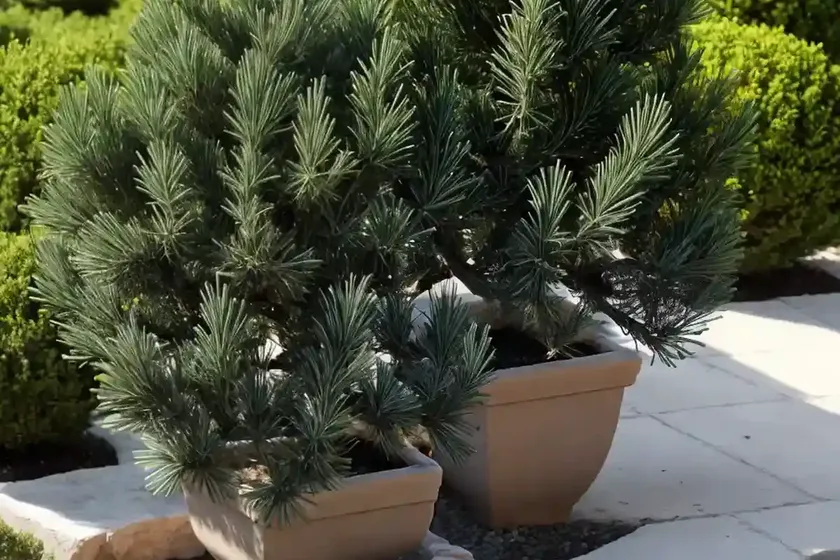
The Waukegan Juniper’s attributes make it well-suited for container cultivation, offering a range of possibilities in terms of placement and design. Its low-growing, spreading nature and adaptability to diverse growing conditions contribute to its popularity as a container plant.
Container Uses
When grown in containers, the Waukegan Juniper can serve multiple purposes, ranging from ornamental displays to practical uses in landscape design. Here are a few key uses of this plant in containers:
- Patio Decor: Placing Waukegan Junipers in containers enhances the visual appeal of patios and outdoor living spaces, adding a touch of greenery and texture to the surroundings.
- Balcony Gardens: For those with limited ground space, growing Waukegan Junipers in containers allows for the creation of captivating balcony gardens, where the plants can thrive in a controlled environment.
- Erosion Control: Containers filled with Waukegan Junipers can be strategically positioned to serve as living barriers for erosion control in areas where traditional landscaping may not be feasible.
Container Requirements
Successful container cultivation of the Waukegan Juniper relies on meeting specific requirements to ensure the plant’s health and vigor. Some essential considerations for growing this plant in containers include:
- Container Size: Selecting appropriately sized containers that provide ample room for the Waukegan Juniper’s roots to grow and spread is crucial for long-term container cultivation.
- Growing Medium: Using a well-draining and nutrient-rich growing medium that mimics the plant’s preferred soil conditions is essential for promoting healthy growth in containers.
- Watering: Monitoring the moisture levels in the container and providing adequate water while ensuring proper drainage is pivotal for the Waukegan Juniper’s well-being.
Design Ideas
When incorporating Waukegan Junipers in container gardening, creative design ideas can elevate the visual impact of the plant, contributing to an attractive and harmonious aesthetic within the broader landscape. Design considerations for container gardening with Waukegan Junipers may include:
- Combining Plant Varieties: Mixing Waukegan Junipers with other compatible plant species in containers can create visually captivating arrangements with diverse colors, textures, and shapes.
- Vertical Gardening: Utilizing containers for vertical gardening with Waukegan Junipers allows for the creation of green walls or accents, adding vertical interest to outdoor spaces.
Container gardening with the Waukegan Juniper presents an array of opportunities for both practical and aesthetic applications, allowing individuals to explore innovative ways of incorporating this versatile plant into their outdoor environments.
Common Diseases
Like any other plant, the Waukegan Juniper is susceptible to certain diseases that can affect its overall health and appearance. Identifying common diseases and understanding their diagnosis and management is crucial for preserving the vitality of this evergreen shrub.
Disease Diagnosis
Recognizing the symptoms and signs of common diseases that affect the Waukegan Juniper is the first step in implementing effective disease management strategies. Some common diseases that may affect this plant include:
- Phomopsis Blight: Identified by the appearance of brown or purple lesions on the juniper’s branches, often leading to dieback and wilting.
- Cedar Apple Rust: Manifests as yellow-orange spots on the foliage, potentially causing defoliation and impacting the plant’s overall vigor.
- Kabatina Blight: Characterized by the sudden browning and shedding of the foliage, especially during wet and humid conditions.
Disease Management
Implementing proper cultural practices and employing targeted control measures can help manage and prevent common diseases in the Waukegan Juniper. Some effective disease management strategies include:
- Pruning: Regularly removing and disposing of infected plant material can limit the spread of diseases and promote the plant’s recovery.
- Adequate Air Circulation: Ensuring good airflow around the plant can reduce humidity levels, minimizing the conditions favorable for disease development.
- Fungicidal Treatments: When necessary, applying appropriate fungicides following the manufacturer’s recommendations can help control certain fungal diseases affecting the Waukegan Juniper.
By staying vigilant for signs of diseases and applying appropriate management practices, individuals can safeguard the health and vitality of their Waukegan Juniper plants, ensuring their long-term well-being.
Common Pests
In addition to diseases, the Waukegan Juniper may also face challenges from various pests that can impact its growth and appearance. Identifying common pests and understanding effective pest management strategies is essential for preserving this plant.
Pest Identification
Being able to identify the pests that commonly affect the Waukegan Juniper enables proactive pest management. Some common pests that may target this evergreen shrub include:
- Juniper Scale: Scale insects that latch onto the plant’s needles, leading to yellowing and weakening of the foliage.
- Bagworms: Larvae of moths that construct protective bags using plant material and feed on the juniper’s foliage, potentially causing significant damage.
- Spider Mites: Tiny arachnids that colonize the undersides of the juniper’s foliage, causing stippling and discoloration.
Pest Management
Developing an integrated pest management approach that combines preventive measures, monitoring, and targeted control methods is essential for effectively managing pests on the Waukegan Juniper. Some key pest management strategies include:
- Cultural Practices: Maintaining overall plant health through proper watering, fertilization, and pruning can enhance the plant’s natural defense mechanisms against pests.
- Biological Controls: Introducing natural predators of certain pests, such as beneficial insects or predatory mites, can help regulate pest populations.
- Selective Insecticides: When necessary, applying insecticidal treatments that target specific pests while minimizing impact on beneficial organisms is crucial for pest control.
By proactively addressing pest issues and deploying effective pest management strategies, individuals can protect their Waukegan Juniper plants from the adverse effects of common pests.
Botanist’s Tips
As a plant scientist with a keen interest in the Waukegan Juniper, I have compiled a set of valuable tips that can aid enthusiasts and gardeners in successfully cultivating and maintaining this fascinating evergreen shrub. Whether you’re a novice or an experienced gardener, these botanist’s tips can help elevate your interaction with the Waukegan Juniper.
- Soil Preparation: Prior to planting, ensure the soil is well-draining and slightly acidic to create an optimal growing environment for the Waukegan Juniper.
- Watering Practices: During the plant’s establishment phase, consistent watering is crucial. Once established, allow the soil to dry out between waterings to encourage deep root development.
- Regular Pruning: Engage in regular pruning to maintain the plant’s desired shape and limit excessive growth. Avoid heavy pruning during hot and dry periods to prevent stress on the plant.
- Integrated Pest Management: Embrace a holistic approach to pest management by incorporating natural and preventive measures alongside targeted control methods for optimal pest regulation.
- Seasonal Observations: Observe seasonal changes in the Waukegan Juniper’s growth and adapt your care practices accordingly to support the plant’s evolving requirements.
Fun Facts
- The Juniperus horizontalis ‘Waukegan’ is named after Waukegan, a city located in Illinois, United States, where it is speculated to have been initially discovered or cultivated.
- This evergreen shrub is a low-maintenance plant, requiring minimal intervention once established, making it a popular choice for landscapes with reduced maintenance needs.
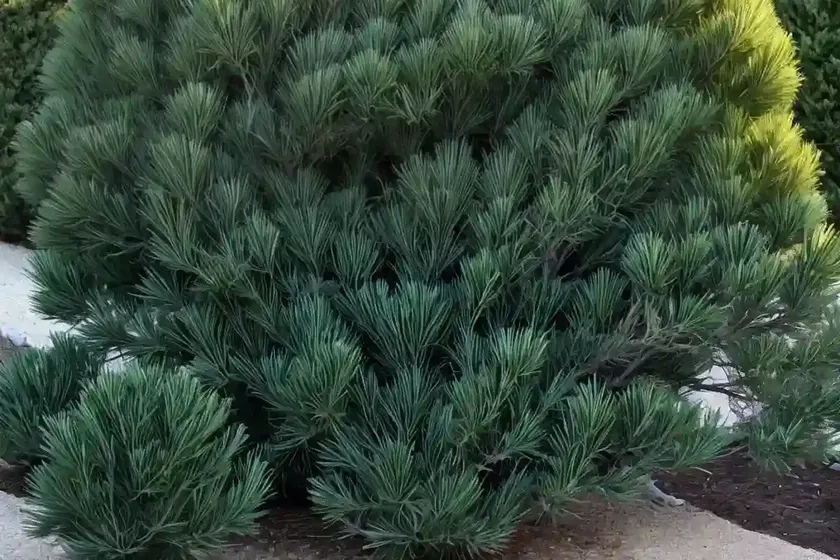
- The distinctive blue-green foliage of the Waukegan Juniper provides year-round visual interest, adding a touch of color to winter landscapes.
Links to External Resources
Explore further information about the Waukegan Juniper through the following external resources:
- Missouri Botanical Garden – Juniperus horizontalis ‘Waukegan’
- The Spruce – Waukegan Juniper Profile
- North Carolina State University – Juniperus horizontalis ‘Waukegan’ Plant Facts
In conclusion, the Waukegan Juniper, with its adaptability, low-maintenance nature, and diverse uses, stands as a valuable addition to various landscapes and gardens. By understanding its cultural requirements, propagation methods, pest and disease management, and beneficial tips, individuals can cultivate and enjoy the beauty and functionality of this evergreen shrub with confidence and success.
Keywords: Waukegan juniper plant, Juniperus horizontalis ‘Waukegan’, Waukegan juniper information, Waukegan juniper care, Juniperus horizontalis ‘Waukegan’ guide, Waukegan juniper characteristics, Waukegan juniper growth habits, Waukegan juniper landscaping, Waukegan juniper varieties, Waukegan juniper maintenance, Juniperus horizontalis ‘Waukegan’ features, Waukegan juniper pruning tips, Waukegan juniper planting guide, Waukegan juniper landscape design, Waukegan juniper disease resistance, Waukegan juniper propagation methods, Waukegan juniper water requirements, Waukegan juniper companion plants, Juniperus horizontalis ‘Waukegan’ hardiness, Waukegan juniper common issues, Waukegan juniper landscaping ideas, Waukegan juniper growth rate, Waukegan juniper soil preferences, Waukegan juniper leaf characteristics, Juniperus horizontalis ‘Waukegan’ planting tips, Waukegan juniper pruning techniques, Waukegan juniper ground cover, Waukegan juniper landscaping uses, Waukegan juniper seasonal changes, Waukegan juniper drought tolerance, Juniperus horizontalis ‘Waukegan’ evergreen qualities, Waukegan juniper sun exposure, Waukegan juniper container gardening, Waukegan juniper wildlife attraction, Waukegan juniper pollinator-friendly plant, Juniperus horizontalis ‘Waukegan’ native habitat, Waukegan juniper landscaping trends, Waukegan juniper pest management, Waukegan juniper climate suitability, Waukegan juniper seasonal interest, Waukegan juniper low maintenance plant, Juniperus horizontalis ‘Waukegan’ specimen plant, Waukegan juniper groundcover options, Waukegan juniper visual appeal, Waukegan juniper landscaping benefits, Waukegan juniper wildlife habitat, Waukegan juniper soil pH preferences, Waukegan juniper water conservation, Juniperus horizontalis ‘Waukegan’ landscape plant, Waukegan juniper focal point