Walking Kalanchoe (Kalanchoe Synsepala)
Plants hold a special place in our lives, not only for their aesthetic appeal but also for their ability to improve our well-being. The Walking Kalanchoe.
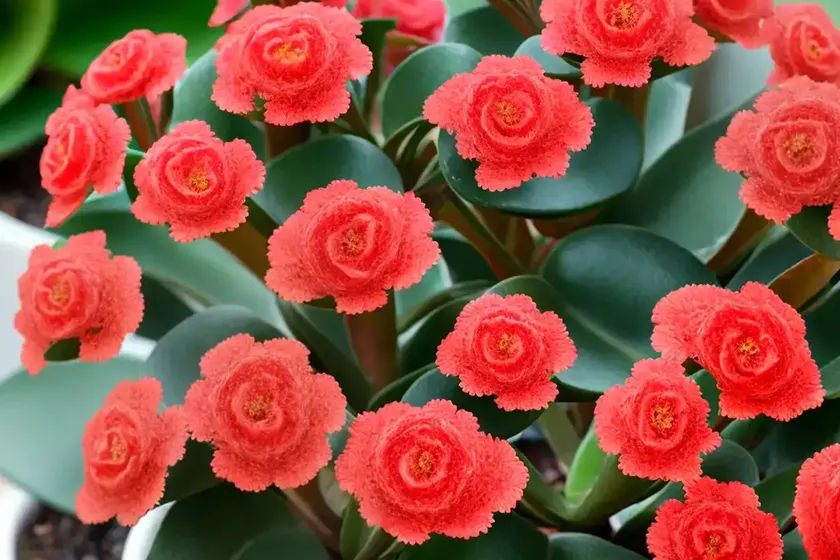
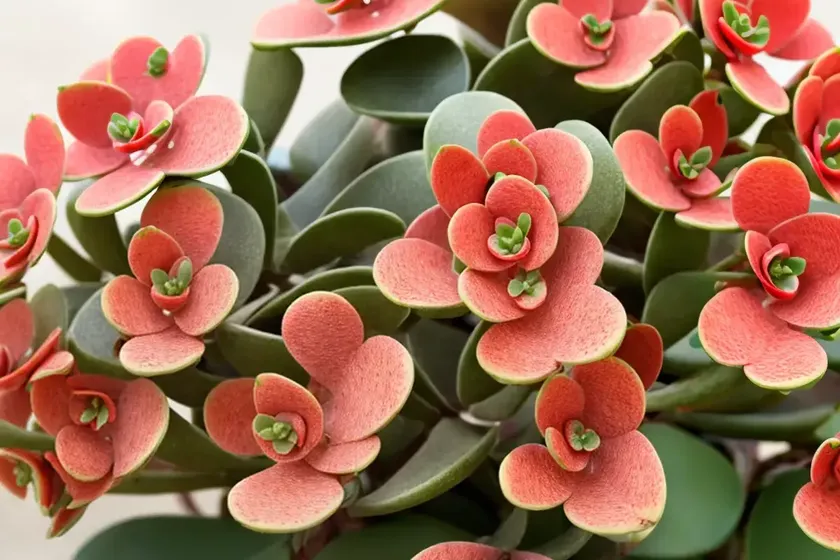
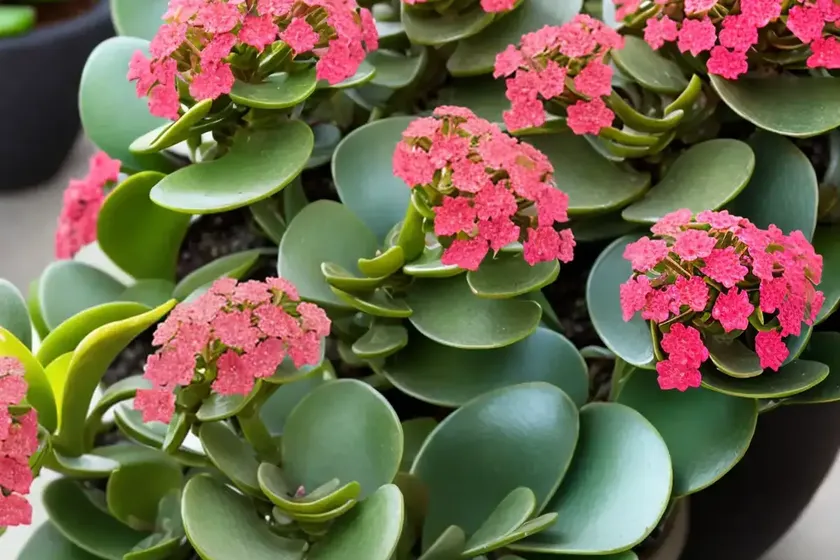
Plants hold a special place in our lives, not only for their aesthetic appeal but also for their ability to improve our well-being. The Walking Kalanchoe (Kalanchoe Synsepala) is a unique succulent plant that has gained popularity among plant enthusiasts due to its striking appearance and low maintenance requirements. In this comprehensive plant care guide, we will delve into the intricacies of caring for Walking Kalanchoe, including its culture, uses, water and sunlight requirements, fertilizer needs, soil preferences, pruning techniques, propagation methods, common diseases and pests, as well as botanist’s tips and fun facts about this fascinating plant.
What is Walking Kalanchoe (Kalanchoe Synsepala)?
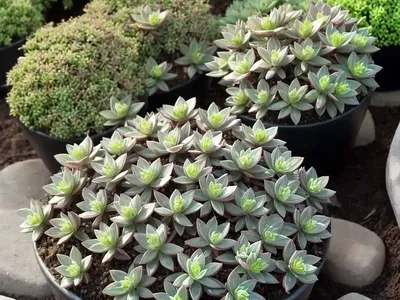
Walking Kalanchoe (Kalanchoe Synsepala) is a species of succulent plant that belongs to the family Crassulaceae. It is native to Madagascar and is characterized by its captivating appearance and unique growth habit. The name “Walking Kalanchoe” reflects its ability to produce new plantlets along the edges of its leaves, resulting in a visually striking display that resembles a procession of miniature plants marching along the mother leaf. This distinctive growth pattern sets Walking Kalanchoe apart from other succulents and makes it a coveted addition to indoor and outdoor plant collections.
Key Takeaways – Walking Kalanchoe (Kalanchoe Synsepala)
Before we delve into the specifics of caring for Walking Kalanchoe, let’s summarize the key takeaways about this fascinating plant.
- Botanical Name: Kalanchoe Synsepala
- Common Name: Walking Kalanchoe
- Family: Crassulaceae
- Native to: Madagascar
- Unique Feature: Produces plantlets along the edges of its leaves
- Growth Habit: Succulent with clustered, paddle-shaped leaves
- Uses: Ornamental plant for indoor and outdoor settings
- Low Maintenance: Well-suited for novice and experienced gardeners alike
Now that we have an overview of Walking Kalanchoe, let’s explore the essential aspects of its care to ensure that this exquisite plant thrives in your living space.
Culture
Understanding the cultural requirements of Walking Kalanchoe is fundamental to providing an environment where it can flourish. The cultural aspects encompass its uses, water, sunlight, fertilizer, soil, and pruning needs, all of which play a crucial role in nurturing a healthy and vibrant plant.
Uses
Walking Kalanchoe is primarily valued for its ornamental qualities, making it an ideal addition to both indoor and outdoor settings. Its compact growth habit and visually arresting foliage make it a popular choice for succulent gardens, rockeries, and container displays. Additionally, its ability to thrive in arid conditions and tolerate neglect makes it an excellent plant for busy individuals or those new to gardening.
Water
Proper watering is essential for the health of Walking Kalanchoe. Being a succulent, it is crucial to strike a balance between providing adequate moisture and avoiding waterlogged conditions, which can lead to root rot. When watering your Walking Kalanchoe, follow these guidelines:
- Frequency: Allow the soil to dry out between waterings to prevent overwatering. As a general rule, water the plant when the top inch of the soil feels dry to the touch.
- Watering Technique: Water the plant thoroughly, allowing any excess water to drain away from the pot. Discard any standing water in the saucer to prevent the roots from sitting in water.
- Seasonal Adjustments: During the active growing season, typically spring and summer, Walking Kalanchoe may require more frequent watering. In contrast, reduce the frequency of watering during the plant’s dormant period in fall and winter.
By adhering to these watering practices, you can maintain the optimal moisture levels for your Walking Kalanchoe, promoting its overall well-being and growth.
Sunlight
Like many succulent plants, Walking Kalanchoe thrives in bright, indirect light. When it comes to sunlight requirements, consider the following recommendations:
- Light Exposure: Position your Walking Kalanchoe in a location that receives bright, indirect light for several hours each day. An east- or west-facing window is often suitable for indoor plants, while outdoor specimens benefit from partial shade with some exposure to morning or late afternoon sun.
- Sun Protection: While Walking Kalanchoe enjoys ample light, it is essential to protect it from intense midday sun, especially in warmer climates. Prolonged exposure to direct sunlight can lead to sunburn and damage the delicate foliage.
By providing the appropriate amount of light for your Walking Kalanchoe, you can ensure robust growth and vibrant leaf colors, enhancing its ornamental appeal.
Fertilizer
Supplemental fertilization can bolster the growth and resilience of Walking Kalanchoe, especially during the active growing season. Follow these fertilizer guidelines to nourish your plant effectively:
- Fertilizer Type: Choose a balanced, water-soluble fertilizer formulated for succulent plants. A balanced fertilizer with an NPK ratio of 20-20-20 or a similar formulation is suitable for Walking Kalanchoe.
- Application Frequency: During the active growing season in spring and summer, feed your Walking Kalanchoe with a diluted fertilizer solution every 4-6 weeks. Refrain from fertilizing during the fall and winter months when the plant’s growth slows down.
By incorporating a well-balanced fertilizer into your plant care routine, you can provide Walking Kalanchoe with essential nutrients, promoting healthy foliage and prolific plantlet production.
Soil
The choice of soil is pivotal in creating an optimal growing environment for Walking Kalanchoe. A well-draining, nutrient-rich potting mix tailored to the needs of succulent plants is essential for its overall health and vitality. Consider the following soil recommendations:
- Well-Draining Mix: Select a commercial succulent or cactus potting mix that provides excellent drainage. Alternatively, create a custom mix by combining standard potting soil with coarse sand and perlite to improve aeration and drainage.
- Container Type: Plant Walking Kalanchoe in a container with drainage holes to prevent water accumulation and root rot. This allows excess water to escape, ensuring that the roots remain healthy and free from prolonged moisture.
By utilizing a well-draining potting mix and a suitable container, you can establish an environment that promotes robust growth and prevents potential issues associated with waterlogged soil.
Pruning
Pruning is an essential aspect of Walking Kalanchoe care, assisting in maintaining its compact form and preventing overcrowding. Follow these pruning techniques to ensure the health and aesthetic appeal of your plant:
- Deadheading: Remove spent flowers and wilted leaves promptly to encourage continued blooming and prevent the development of fungal diseases.
- Thinning: Trim back leggy or excessively dense growth to improve air circulation and promote a balanced, symmetrical appearance.
- Sanitary Practices: Use sterilized pruning tools to minimize the risk of transmitting diseases between plants. Wipe the blades of the pruners with rubbing alcohol before and after each use to disinfect them effectively.
By incorporating proper pruning techniques into your plant care routine, you can enhance the overall appearance of Walking Kalanchoe while promoting its longevity and vigor.
Propagation
Propagation is an exciting aspect of Walking Kalanchoe care, allowing you to expand your plant collection or share the beauty of this succulent with others. One of the distinctive features of Walking Kalanchoe is its ability to produce plantlets along the margins of its leaves, which serve as natural propagules. To propagate Walking Kalanchoe via leaf plantlets, follow these steps:
- Selecting Plantlets: Identify healthy, mature plantlets emerging from the edges of the leaves. The plantlets should have visible roots or root primordia, indicating their readiness for propagation.
- Leaf Preparation: Gently detach the plantlets from the mother leaf, ensuring that they have a small portion of the leaf tissue attached to support their growth.
- Plantlet Placement: Place the detached plantlets in a shallow tray or pot filled with a well-draining succulent potting mix. Position the plantlets so that their roots are in contact with the soil while the leaf portion remains above the surface.
- Root Development: Keep the planting medium lightly moist and provide bright, indirect light to facilitate the development of new roots and foliage.
- New Growth: Over time, the plantlets will establish themselves and develop into independent plants, showcasing the distinctive walking pattern characteristic of Walking Kalanchoe.
By propagating Walking Kalanchoe through its natural leaf plantlets, you can witness the captivating display of miniature plants sprouting from the mother leaf, adding an enchanting touch to your plant collection.
Container Popularity
Walking Kalanchoe has gained popularity as a container plant due to its striking appearance and low-maintenance nature, making it a favored choice for both indoor and outdoor displays. Its compact growth habit and unique leaf characteristics make it a sought-after addition to succulent gardens, rockeries, and decorative containers.
Container Common Diseases
While Walking Kalanchoe is relatively resilient to pests and diseases, it is important to be vigilant about potential issues that may affect its health. Some common diseases that can impact Walking Kalanchoe include:
- Root Rot: Prolonged exposure to overly moist soil can lead to root rot, causing the plant to exhibit wilting, yellowing leaves, and overall decline. Prevent root rot by ensuring that the plant’s growing medium is well-draining and allowing it to dry out between waterings.
- Powdery Mildew: Humid conditions and poor air circulation can create an environment conducive to the development of powdery mildew on Walking Kalanchoe. Look for signs of white, powdery growth on the foliage and take measures to improve ventilation and reduce humidity levels.
By maintaining proper growing conditions and promptly addressing any signs of disease, you can protect your Walking Kalanchoe from common ailments and ensure its long-term vitality.
Disease Diagnosis
Diagnosing potential diseases affecting Walking Kalanchoe involves careful observation of the plant’s overall condition and any visible symptoms. Look for the following signs of disease to identify and address issues promptly:
- Leaf Changes: Monitor the color, texture, and appearance of the plant’s leaves. Yellowing, browning, or curling of the leaves may indicate underlying issues related to watering, light exposure, or disease.
- Growth Patterns: Observe the growth habits of Walking Kalanchoe, including any abnormal growth, stunted development, or wilting. Sudden changes in growth patterns may signal an underlying health concern.
- Pest Presence: Keep an eye out for any signs of pest infestations, such as webbing, stippling on the foliage, or visible insects. Addressing pest issues promptly can prevent secondary complications and damage to the plant.
By remaining vigilant and attentive to the health of Walking Kalanchoe, you can identify and address potential diseases early, preserving the plant’s vitality and ornamental appeal.
Common Pests
While Walking Kalanchoe is resilient to many pests due to its succulent nature, certain pests can pose a threat to its well-being. Keeping an eye out for common pests and taking proactive measures is essential in safeguarding the health of your plant. Some pests that may impact Walking Kalanchoe include:
- Mealybugs: These small, cottony insects can cluster on the foliage and stems of Walking Kalanchoe, sapping the plant’s vitality and causing leaf distortion. Mitigate mealybug infestations through manual removal or the application of horticultural oil to suffocate the pests.
- Aphids: These tiny, sap-sucking insects can congregate on the tender new growth of Walking Kalanchoe, leading to distorted leaves and stunted plant development. Utilize insecticidal soap or neem oil to control aphid populations effectively.
By proactively addressing pest issues and implementing preventive measures such as regular inspections and good cultural practices, you can protect Walking Kalanchoe from the damaging effects of common pests.
Botanist’s Tips
As a plant scientist with a passion for succulents, I impart the following botanist’s tips for growing and caring for Walking Kalanchoe:
- Optimal Growing Conditions: Provide Walking Kalanchoe with a well-draining soil mix, ample bright, indirect light, and moderate watering to ensure its thriving growth and performance.
- Propagation Techniques: Embrace the unique propagation capabilities of Walking Kalanchoe by utilizing its naturally occurring leaf plantlets, creating an enchanting display of miniature plants.
- Vigilance and Care: Maintain a vigilant approach to the plant’s health, promptly addressing any signs of disease or pest infestations to safeguard its well-being.
By incorporating these botanist’s tips into your plant care routine, you can cultivate a flourishing and visually captivating display of Walking Kalanchoe, enjoying the beauty of this unique succulent.
Fun Facts
Delving into the realm of Walking Kalanchoe uncovers a range of captivating and intriguing facts that add to its allure as an ornamental plant. Consider the following fun facts about this remarkable succulent:
- Walking Pattern: The natural growth habit of Walking Kalanchoe, characterized by the emergence of new plantlets along the edges of its leaves, gives rise to its distinctive “walking” appearance, captivating onlookers with its charming display of miniature plants in procession.
- Drought Tolerance: Walking Kalanchoe exhibits remarkable tolerance to drought conditions, making it an excellent choice for arid or semi-arid environments where water availability may be limited.
- Air-Purifying Qualities: Similar to many succulent plants, Walking Kalanchoe contributes to indoor air quality by effectively removing toxins and purifying the surrounding air, enhancing the overall well-being of its environment.
By ecompassing these fun facts, you can appreciate the unique qualities and captivating charm of Walking Kalanchoe, adding a touch of wonder to your plant collection.
Links to External Resources
To further expand your knowledge and exploration of Walking Kalanchoe, consider referring to the following external resources:
- The Spruce: How to Grow Kalanchoe
- Gardening Know How: Growing Kalanchoe Outdoors
- University of Florida IFAS Extension: Kalanchoe Species for the Home
These reputable sources provide valuable insights and guidance on the cultivation, care, and appreciation of Walking Kalanchoe, enhancing your understanding of this remarkable succulent plant.
In conclusion, Walking Kalanchoe (Kalanchoe Synsepala) represents an enchanting and visually captivating addition to indoor and outdoor plant collections, offering a unique “walking” display of plantlets and a low-maintenance nature. By understanding and implementing the cultural practices, propagation techniques, and disease prevention measures outlined in this comprehensive plant care guide, you can cultivate thriving Walking Kalanchoe specimens, enriching your living space with the beauty and charm of this extraordinary succulent.