Vriesea Pardalina (Bromeliad ‘vriesea Pardalina’)
Plants have always been an integral part of our lives. They not only enhance the aesthetic appeal of our surroundings but also play a crucial role in.
Introduction
Plants have always been an integral part of our lives. They not only enhance the aesthetic appeal of our surroundings but also play a crucial role in maintaining ecological balance. Among the diverse range of plant species, Bromeliads are known for their unique appearance and low-maintenance characteristics. In this comprehensive care guide, we will delve into the specifics of Vriesea Pardalina, a captivating Bromeliad variety, offering insights into its cultural requirements, propagation, disease management, and much more.
What is Vriesea Pardalina?
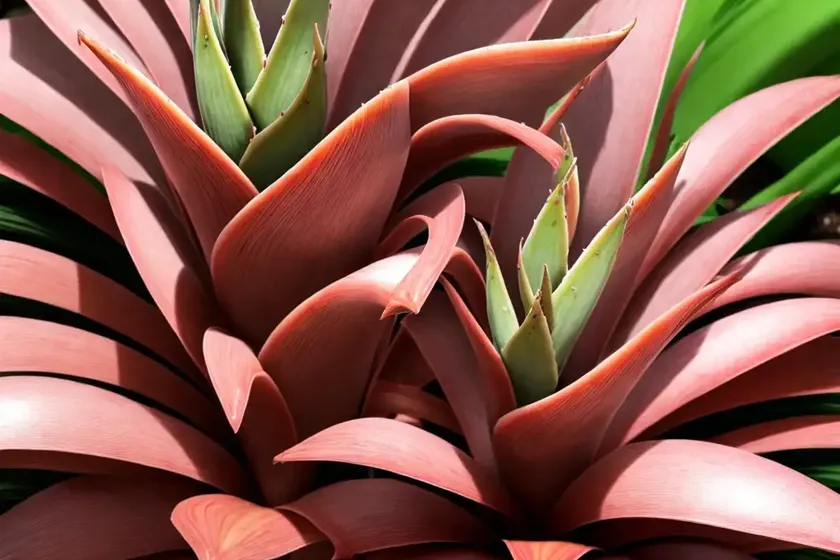
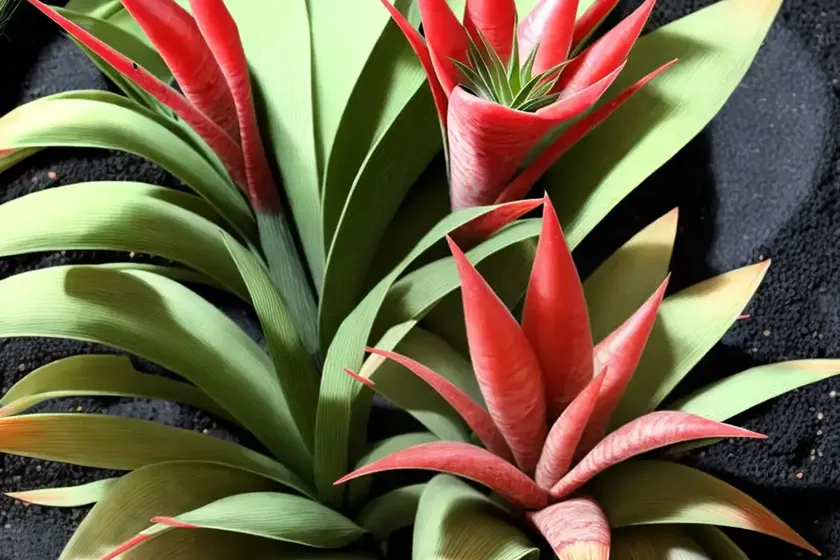
Vriesea Pardalina, commonly known as Bromeliad ‘Vriesea Pardalina’, belongs to the family Bromeliaceae. This striking plant is native to the tropical regions of Central and South America, where it thrives in the warm and humid climate. It is celebrated for its vibrant foliage and unique growth habit, making it a popular choice for indoor and outdoor ornamental planting.
Key Takeaways – Vriesea Pardalina (Bromeliad ‘Vriesea Pardalina’)
- Scientific Name: Vriesea Pardalina
- Family: Bromeliaceae
- Common Names: Bromeliad ‘Vriesea Pardalina’
- Native Habitat: Central and South America
- Key Features: Vibrant foliage, unique growth habit
- Popular Uses: Indoor and outdoor ornamental planting
Culture
Understanding the cultural requirements of Vriesea Pardalina is essential for its successful cultivation. This section delves into the various aspects of its care, including water, sunlight, fertilizer, soil, and pruning.
Water
Proper watering is crucial for the health and vigor of Vriesea Pardalina. As a Bromeliad, it has specialized water-holding structures called “tanks” formed by overlapping leaf bases. These tanks allow the plant to collect and store water, making it relatively tolerant to short periods of drought. When watering Vriesea Pardalina, it is essential to ensure that the central tank is kept filled with water, as this is where the plant absorbs moisture.
- Watering Frequency: Water the central tank of the plant once a week, ensuring it does not dry out completely.
- Water Quality: Use tepid or room temperature water to prevent shock to the plant.
- Avoid Waterlogging: Ensure proper drainage to prevent waterlogging, which can lead to root rot.
Sunlight
Optimal sunlight exposure is crucial for the growth and development of Vriesea Pardalina. In its natural habitat, this Bromeliad species thrives under the dappled shade of tropical forests, receiving bright, indirect light.
- Light Requirements: Place the plant in a location with bright, indirect sunlight. Avoid prolonged exposure to direct sunlight, especially during the peak hours of the day.
- Indoor Placement: If grown indoors, position the plant near a window where it can receive ample indirect light throughout the day.
Fertilizer
Proper fertilization aids in the healthy growth and vibrant appearance of Vriesea Pardalina. However, it is important to follow a balanced fertilization regime to avoid overfeeding, which can be detrimental to the plant’s well-being.
- Fertilizer Type: Use a balanced, water-soluble fertilizer formulated specifically for Bromeliads.
- Application Frequency: Apply fertilizer at quarter or half strength once a month during the growing season (spring and summer).
- Avoid Overfeeding: Refrain from over-fertilizing, as Bromeliads are sensitive to excess nutrients.
Soil
Bromeliads, including Vriesea Pardalina, have unique soil requirements that differ from traditional potting mixes. Their epiphytic nature allows them to grow on other surfaces, such as trees, rocks, and even other plants, in their natural habitat. Therefore, replicating this environment is essential when choosing a growing medium for these plants.
- Soil Type: Utilize a well-draining, acidic potting mix designed for Bromeliads and other epiphytic plants.
- Addition of Organic Matter: Incorporate small amounts of orchid bark, sphagnum moss, or coconut coir to enhance aeration and moisture retention.
- Avoid Standard Potting Mixes: Refrain from using standard potting soil, as it retains too much moisture and can lead to root rot in Bromeliads.
Pruning
Pruning requirements for Vriesea Pardalina are minimal, primarily focused on maintaining the plant’s aesthetics and removing any dead or dried foliage. Regular inspection of the plant allows for prompt removal of any damaged or withered leaves, promoting its overall health and appearance.
- Pruning Frequency: Trim off any browning or dried leaves as needed, using sharp, sterile pruning shears.
- Sterilization: Keep pruning tools clean and sterilized to prevent the spread of diseases.
Propagation
Propagating Vriesea Pardalina allows plant enthusiasts to expand their collection and share the beauty of this Bromeliad with others. Understanding the various propagation methods is essential for successfully cultivating new plants from existing ones.
Division
Division is the primary method for propagating Vriesea Pardalina, involving separating the offsets, also known as “pups,” from the parent plant. This technique allows each pup to develop into a mature plant with its own root system.
- Timing: Propagate Vriesea Pardalina in spring or early summer when the parent plant is actively growing.
- Pup Size: Wait until the pup has developed a healthy root system and several mature leaves before dividing it from the parent plant.
- Separation: Gently remove the pup from the base of the parent plant, ensuring that it has some roots attached.
Offsets
Offsets, or pups, are natural offshoots that emerge from the base of the parent Bromeliad. These pups can be carefully removed and potted individually to start new plants.
- Pup Development: Allow the pup to develop several mature leaves and a root system before detaching it from the parent plant.
- Gentle Separation: Carefully detach the pup from the parent plant, ensuring that it has adequate roots to support its growth in a separate container.
- Planting: Pot the pup in a suitable growing medium and provide it with appropriate care to promote healthy growth.
Container
Choosing an appropriate container for Vriesea Pardalina is essential for its well-being, allowing for adequate drainage and space for the plant to thrive. Additionally, the right container enhances the visual appeal of the plant, adding to the overall aesthetics of the space where it is placed.
Container Selection
When selecting a container for Vriesea Pardalina, it is important to consider its size, material, and drainage capabilities to ensure optimal growing conditions.
- Size: Choose a container that accommodates the root system of the plant with some room for growth, avoiding excessively large containers that can lead to waterlogged soil.
- Material: Opt for containers made of terracotta, ceramic, or plastic, ensuring that they are durable and provide adequate insulation for the roots.
- Drainage Holes: Select containers with drainage holes to prevent water from accumulating at the bottom, reducing the risk of root rot.
Repotting
Periodic repotting of Vriesea Pardalina allows for the examination and maintenance of its root system, ensuring that the plant has ample space for healthy growth.
- Repotting Frequency: Repot the plant every 2-3 years to refresh the growing medium and provide additional space for the roots.
- Root Examination: During repotting, inspect the roots for any signs of decay or overcrowding, and trim off any damaged portions.
- Choosing a New Container: Select a slightly larger container when repotting, allowing for continued growth without overwhelming the plant with a disproportionately large container.
Popularity
The popularity of Vriesea Pardalina has soared in recent years, with plant enthusiasts and gardeners drawn to its vibrant foliage and low-maintenance care requirements. Its unique appearance and adaptability make it a versatile choice for various decorative and landscaping applications.
Indoor Ornamental Plant
Vriesea Pardalina is a favored choice for indoor ornamental planting due to its striking visual appeal and ability to thrive in indoor environments with proper care.
- Decorative Focal Point: The vibrant foliage of Vriesea Pardalina adds a stunning focal point to indoor spaces, enhancing the overall aesthetic.
- Low-Light Tolerance: Its adaptability to low-light conditions makes it suitable for areas with limited natural sunlight, such as offices and interior spaces.
Outdoor Landscaping
In outdoor settings, Vriesea Pardalina contributes to vibrant and visually appealing landscapes, offering a tropical touch to gardens and outdoor spaces.
- Tropical Vibes: The exotic look of Vriesea Pardalina imparts a tropical ambiance to outdoor gardens, complementing other tropical and subtropical plant varieties.
- Container Gardening: Its suitability for container gardening allows for creative and versatile landscaping arrangements on patios, balconies, and outdoor living areas.
Common Diseases
Despite being relatively resilient, Vriesea Pardalina is susceptible to certain diseases and infections that can affect its overall health and appearance. Understanding these common issues and their solutions is vital for successful Bromeliad care.
Disease Diagnosis
Vriesea Pardalina may exhibit symptoms indicative of various diseases and infections, ranging from fungal issues to bacterial infections.
- Symptom Recognition: Look out for signs such as leaf discoloration, wilting, and stunted growth, which may indicate the presence of a disease.
- Proactive Inspection: Regularly inspect the plant for any abnormalities, such as oozing lesions or unusual spots on the leaves.
Common Diseases
-
Fungal Diseases: Vriesea Pardalina is susceptible to fungal infections, including leaf spot diseases and root rot. These often result from excessive moisture and poor air circulation.
- Preventive Measures: Maintain proper air circulation around the plant, avoid overwatering, and ensure adequate drainage to reduce the risk of fungal diseases.
- Treatment: If fungal issues arise, consider using fungicidal treatments and adjusting the watering regimen to allow the plant to dry out slightly between waterings.
-
Bacterial Infections: Bacterial infections can manifest as soft rot, causing the affected portions of the plant to become mushy and discolored.
- Preventive Measures: Practice good hygiene when handling the plant and avoid overwatering to prevent bacterial infections.
- Treatment: Trim off affected areas and ensure that the plant is provided with optimal growing conditions to aid in recovery.
-
Pest-Related Issues: While not a disease, pest infestations can affect the health of Vriesea Pardalina, with common culprits including mealybugs and scale insects.
- Preventive Measures: Regularly inspect the plant for signs of pests and implement preventative measures such as maintaining a clean growing environment.
- Treatment: If pests are detected, consider using natural or chemical treatments to eliminate the infestation while minimizing harm to the plant.
Common Pests
In addition to diseases, Vriesea Pardalina is vulnerable to pest infestations that can compromise its health and overall vitality. Being vigilant and proactive in pest management is essential for preserving the well-being of the plant.
Pest Identification
Identifying common pests that affect Vriesea Pardalina is crucial for implementing prompt and effective control measures.
-
Mealybugs: These small, cotton-like insects often cluster on the underside of leaves and along the leaf axes, feeding on the plant’s sap and secreting a sticky substance known as honeydew.
-
Scale Insects: Scale insects appear as raised, waxy bumps on the plant’s foliage and stems, often leading to reduced vigor and stunted growth as they feed on the plant’s sap.
Pest Management
Controlling and managing pest infestations involves a combination of preventive measures, manual removal, and targeted treatments to eradicate pests effectively.
- Manual Removal: Use a soft brush or cloth soaked in soapy water to manually remove mealybugs or scale insects from the plant’s foliage, repeating the process as needed.
- Natural Predators: Introduce beneficial predatory insects, such as ladybugs or lacewings, to the growing area to help control pest populations naturally.
- Biological Controls: Consider using biological control agents, such as insecticidal soaps or neem oil, to target and eliminate pests while minimizing harm to the plant.
Botanist’s Tips
Botanists and plant enthusiasts often offer valuable advice and insights for successful plant care. Incorporating their tips and recommendations can greatly contribute to the optimal cultivation of Vriesea Pardalina.
Optimal Humidity Levels
Maintaining adequate humidity levels is essential for Vriesea Pardalina, especially when grown indoors or in environments with dry air.
- Humidity Requirements: Aim to provide a relative humidity of 50-60% for optimal growth and foliar health.
- Humidifiers and Pebble Trays: Use humidifiers or place the plant on pebble-filled trays with water to increase ambient humidity, especially during drier seasons.
Seasonal Adjustments
Adapting the care routine for Vriesea Pardalina based on seasonal changes ensures that the plant’s needs are consistently met throughout the year.
- Spring and Summer: Increase watering and fertilization during the active growing season, providing the plant with the necessary resources for robust growth and development.
- Fall and Winter: Reduce watering frequency and adjust fertilization to align with the plant’s natural growth cycle, allowing it to enter a dormant or semi-dormant state as needed.
Air Circulation
Proper air circulation around Vriesea Pardalina is essential for preventing fungal issues and promoting overall plant health.
- Indoor Ventilation: Position the plant in a well-ventilated area with adequate air movement to minimize the risk of fungal diseases and stagnant air pockets.
- Outdoor Placement: Ensure that the plant is not placed in areas prone to still air, as this can impede air circulation and promote moisture-related issues.
Fun Facts
Delving into the fascinating aspects of plants adds an element of intrigue and appreciation for their unique characteristics. Here are some fun facts about Vriesea Pardalina:
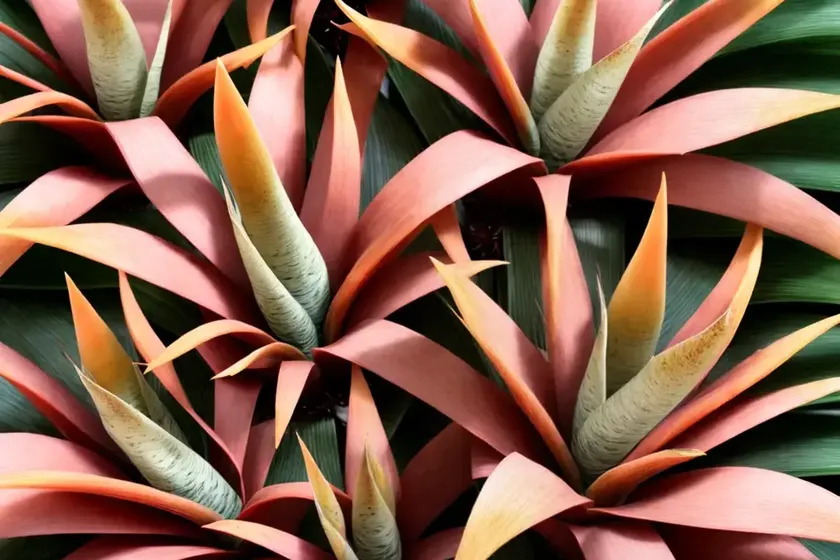
- Distinctive Flowering Habit: Vriesea Pardalina produces stunning flower bracts in vibrant hues, often in shades of red, yellow, or orange, adding to its ornamental value.
- Air-Purifying Qualities: Like many Bromeliads, Vriesea Pardalina is recognized for its air-purifying capabilities, effectively removing toxins from the surrounding environment.
- Tropical Allure: The visually captivating foliage of Vriesea Pardalina invokes a sense of the tropics, making it a sought-after plant for creating exotic and lush landscapes.
- Epiphytic Adaptations: As an epiphytic plant, Vriesea Pardalina has evolved to thrive without rooting in soil, a characteristic reflected in its cultural requirements and growth habits.
Links to External Resources
For further information and resources related to Vriesea Pardalina and Bromeliad care, consider exploring the following links:
- Bromeliad Society International
- Royal Horticultural Society – Bromeliads
- University of Florida IFAS Extension – Bromeliads for the Home Landscape
In conclusion, Vriesea Pardalina, with its captivating foliage and low-maintenance nature, stands as a prominent choice for indoor and outdoor ornamental planting. By understanding and implementing the care guidelines provided in this comprehensive guide, plant enthusiasts can cultivate healthy and thriving Vriesea Pardalina specimens, enhancing the beauty of their living spaces and landscapes.
Remember that each plant is unique, and adjustments to the care routine may be necessary based on individual environmental factors and the specific needs of the plant. With dedication and a deeper understanding of Bromeliad care, cultivating and nurturing Vriesea Pardalina can be a rewarding and enriching experience.
Thank you for taking the time to explore the world of Vriesea Pardalina and its cultural intricacies. Happy gardening and may your Bromeliad journey be filled with lush foliage and vibrant blooms!
[1]: #Vriesea-Pardalina-(Bromeliad-‘Vriesea-Pardalina’)-A-Comprehensive-Care-Guide
[2]: #Introduction
[3]: #What-is-Vriesea-Pardalina?
[4]: #Key-Takeaways—Vriesea-Pardalina-(Bromeliad-‘Vriesea-Pardalina’)
[5]: #Culture
[6]: #Water
[7]: #Sunlight
[8]: #Fertilizer
[9]: #Soil
[10]: #Pruning
[11]: #Propagation
[12]: #Division
[13]: #Offsets
[14]: #Container
[15]: #Container-Selection
[16]: #Repotting
[17]: #Popularity
[18]: #Indoor-Ornamental-Plant
[19]: #Outdoor-Landscaping
[20]: #Common-Diseases
[21]: #Disease-Diagnosis
[22]: #Common-Diseases
[23]: #Fungal-Diseases
[24]: #Bacterial-Infections
[25]: #Pest-Related-Issues
[26]: #Common-Pests
[27]: #Pest-Identification
[28]: #Pest-Management
[29]: #Botanists-Tips
[30]: #Optimal-Humidity-Levels
[31]: #Seasonal-Adjustments
[32]: #Air-Circulation
[33]: #Fun-Facts
[34]: #Links-to-External-Resources