Voi Cycad (Encephalartos Kisambo)
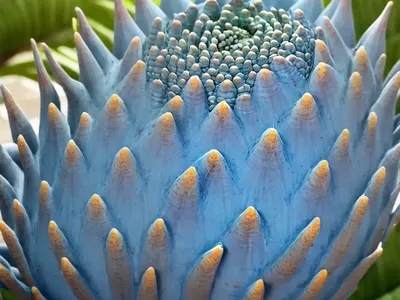
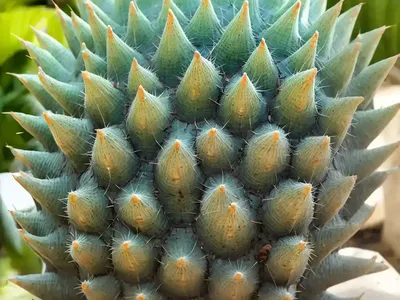
Encephalartos kisambo, commonly known as Voi Cycad, is a remarkable and visually stunning plant that has garnered attention for its unique characteristics.
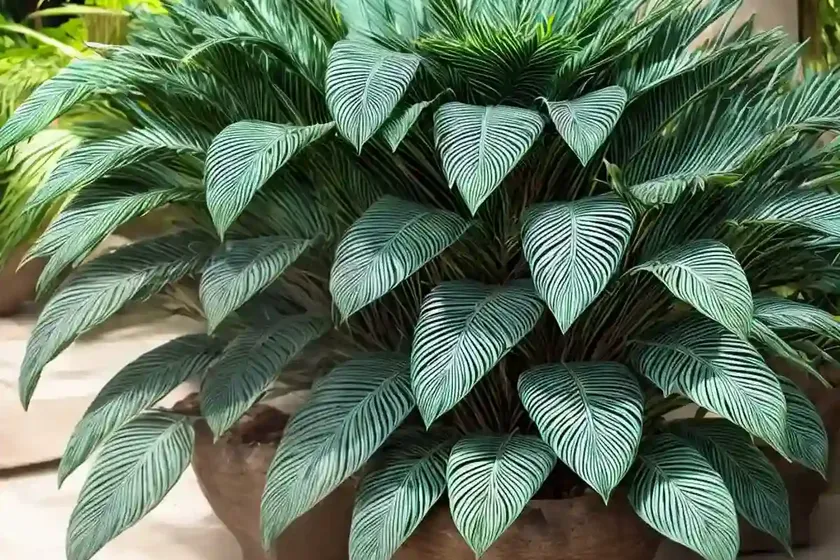
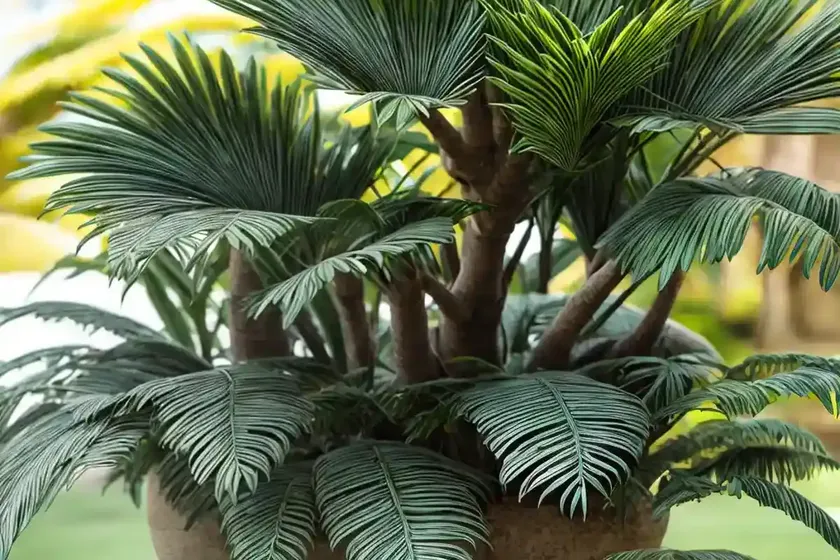
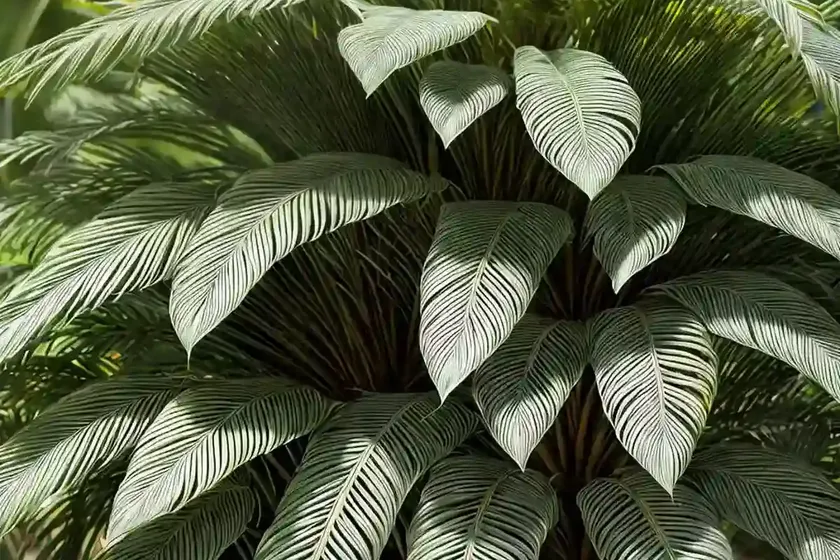
Encephalartos kisambo, commonly known as Voi Cycad, is a remarkable and visually stunning plant that has garnered attention for its unique characteristics and ornamental values. As a plant scientist, it is my pleasure to delve into the intricate details of this species and provide a comprehensive plant care guide for enthusiasts, gardeners, and botanists who are captivated by the beauty and ecological significance of Voi Cycad.
What is a Plant?
As a foundation for our discussion, let’s briefly explore the fundamental aspects of a plant. In general terms, plants are multicellular organisms that belong to the plant kingdom, Plantae. These organisms have the unique ability to produce their own food through the process of photosynthesis, utilizing sunlight, water, and carbon dioxide to synthesize organic compounds. Plants also play a pivotal role in the ecosystem, providing oxygen, food, and habitats for numerous other organisms.
Voi Cycad (Encephalartos kisambo)
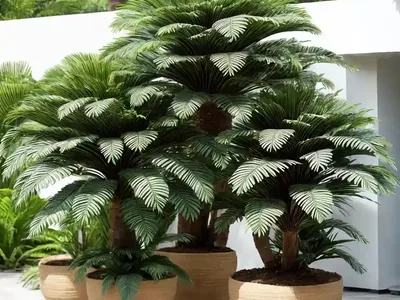
Encephalartos kisambo, commonly referred to as Voi Cycad, is a species endemic to the Taita Hills region of Kenya. This cycad species has gained recognition for its striking appearance, consisting of large, glossy, dark green leaves that radiate from a central trunk-like structure. Its distinct form and resilience make it a sought-after plant among collectors and landscape designers.
Key Takeaways – Voi Cycad (Encephalartos kisambo)
- Scientific Classification
- Family: Zamiaceae
- Genus: Encephalartos
-
Species: Encephalartos kisambo
-
Conservation Status
-
Endangered: IUCN Red List
-
Natural Habitat
- Taita Hills, Kenya
- Altitude: 1,500 to 2,000 meters above sea level
-
Well-drained, rocky slopes
-
Ornamental Qualities
- Architectural leaves
- Slow growth rate
- Low maintenance
- Drought tolerant
With these key points in mind, let’s delve into the comprehensive plant care guide for Voi Cycad, covering various aspects including its culture, uses, water requirements, sunlight preferences, fertilization, soil conditions, pruning techniques, propagation, common diseases, and much more.
Culture
Uses
- Ornamental Purposes: Voi Cycad is highly valued for its ornamental qualities, making it a popular choice for landscaping, botanical gardens, and horticultural collections.
- Conservation Efforts: This species is also pivotal in conservation programs aimed at protecting and preserving endangered plant species, contributing to the conservation and biodiversity of the Taita Hills region.
Water
- Water Requirements: Voi Cycad thrives in well-drained soil and requires moderate watering. It is crucial to avoid overwatering, which can lead to root rot and other water-related issues. During the growing season, regular watering to maintain slight soil moisture is sufficient.
Sunlight
- Light Preferences: Voi Cycad exhibits a preference for bright, indirect light or partial shade. It is essential to shield the plant from harsh, direct sunlight, especially during the peak hours of the day.
Fertilizer
- Fertilization Tips: When it comes to feeding Voi Cycad, a balanced, slow-release fertilizer designed for cycads can be applied during the growing season. It is advisable to follow the manufacturer’s instructions for application and dosage.
Soil
- Soil Requirements: Well-draining, sandy soil with good aeration is ideal for Voi Cycad. A mix of organic matter and coarse sand can enhance the soil’s structure and drainage, promoting healthy root development.
Pruning
- Pruning Techniques: Minimal pruning is generally required for Voi Cycad. Dead or damaged leaves can be removed as needed. However, it is crucial to exercise caution and use sterilized tools to prevent the spread of diseases.
Propagation
- Propagation Methods: Voi Cycad can be propagated through seeds or offsets. When propagating from offsets, it is essential to ensure that the new plantlet has sufficient roots before separation from the parent plant.
Container Popularity
- Container Gardening: Due to its slow growth rate and compact size, Voi Cycad is well-suited for container gardening. It adds an exotic and architectural element to patios, verandas, and indoor spaces.
Common Diseases
Disease Diagnosis
- Common Diseases: Voi Cycad is susceptible to fungal infections, particularly under conditions of excessive moisture and poor air circulation. Symptoms such as leaf spots, wilting, and discoloration may indicate the presence of diseases such as anthracnose and Phytophthora root rot.
Disease Prevention
- Preventive Measures: To prevent diseases, it is crucial to maintain proper sanitation, avoid overwatering, and provide adequate ventilation. Additionally, removing and disposing of affected plant parts can help prevent the spread of infections.
Common Pests
Pest Management
- Pest Infestations: Voi Cycad may encounter pests such as scale insects, mealybugs, and spider mites. Regular monitoring and the use of horticultural oils or insecticidal soaps can aid in managing and controlling pest populations.
Botanist’s Tips
- Cycad Enthusiasts: For avid cycad enthusiasts, staying informed about the latest research, conservation efforts, and cultivation techniques can enrich the experience of growing and caring for Voi Cycad.
Fun Facts
- Living Fossils: Cycads are often referred to as “living fossils” due to their ancient lineage and resemblance to prehistoric plants that existed during the time of the dinosaurs.
- Longevity: Some cycad species, including Encephalartos kisambo, are known for their longevity, with individual plants living for several centuries under ideal conditions.
As we continue to unravel the botanical wonders of Voi Cycad, I encourage you to explore further and deepen your understanding of this captivating plant species.
Links to External Resources
For additional insights and information about Voi Cycad (Encephalartos kisambo) care and cultivation, I highly recommend exploring the following resources:
In summary, the allure of Voi Cycad extends beyond its visual appeal, encompassing its ecological significance, cultural importance, and botanical splendor. By embracing the plant care guidelines and the essence of responsible stewardship, we can contribute to the conservation and appreciation of this extraordinary species. As we engage with the enigmatic world of plants, let us cherish the wonders of nature and the timeless beauty of Encephalartos kisambo, the remarkable Voi Cycad.
With numerous aspects to consider, the care and cultivation of Voi Cycad involves a blend of scientific understanding, horticultural expertise, and a profound appreciation for the natural world. It is my hope that this comprehensive plant care guide serves as a valuable resource for enthusiasts, gardeners, and conservationists alike, enabling them to embark on a rewarding journey of nurturing and celebrating the remarkable Voi Cycad.
Encephalartos kisambo plant care, Voi cycad care guide, Encephalartos kisambo propagation, Voi cycad characteristics, Encephalartos kisambo species, Voi cycad cultivation tips, Encephalartos kisambo growth requirements, Voi cycad planting guide, Encephalartos kisambo maintenance, Voi cycad habitat, Encephalartos kisambo natural habitat, Voi cycad disease prevention, Encephalartos kisambo pests and diseases, Voi cycad landscaping ideas, Encephalartos kisambo outdoor cultivation, Voi cycad indoor planting, Encephalartos kisambo garden design, Voi cycad soil requirements, Encephalartos kisambo watering needs, Voi cycad light preferences, Encephalartos kisambo fertilization tips, Voi cycad pruning techniques, Encephalartos kisambo leaf characteristics, Voi cycad leaf shedding, Encephalartos kisambo cycad family, Voi cycad endemic species, Encephalartos kisambo conservation status, Voi cycad endangered species, Encephalartos kisambo rare plant, Voi cycad botanical information, Encephalartos kisambo taxonomy, Voi cycad medicinal properties, Encephalartos kisambo ethnobotanical uses, Voi cycad folklore and myths, Encephalartos kisambo historical significance, Voi cycad edible uses, Encephalartos kisambo cultural importance, Voi cycad native habitat, Encephalartos kisambo distribution, Voi cycad common names, Encephalartos kisambo scientific classification, Voi cycad wildlife value, Encephalartos kisambo ornamental qualities, Voi cycad container gardening, Encephalartos kisambo landscaping tips, Voi cycad climate requirements, Encephalartos kisambo cold hardiness, Voi cycad heat tolerance, Encephalartos kisambo water conservation, Voi cycad sustainable gardening tips.