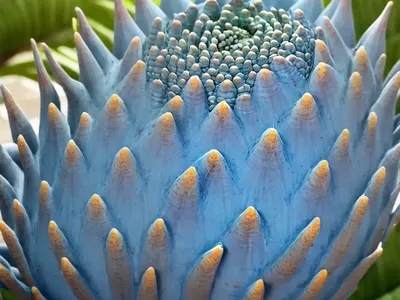
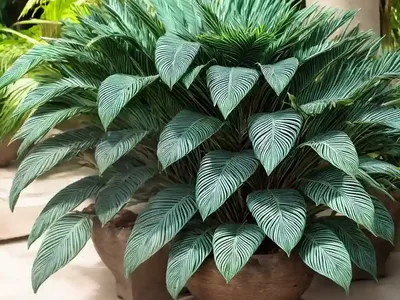
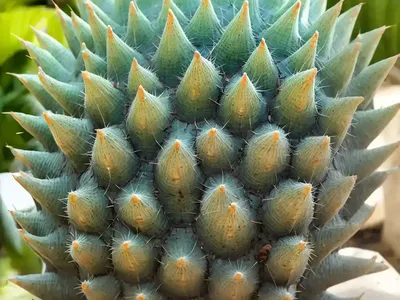
Kwango Giant Cycad (Encephalartos Laurentianus)
Encephalartos Laurentianus, commonly known as the Kwango Giant Cycad, is a fascinating and rare plant that captures the attention of plant enthusiasts and.
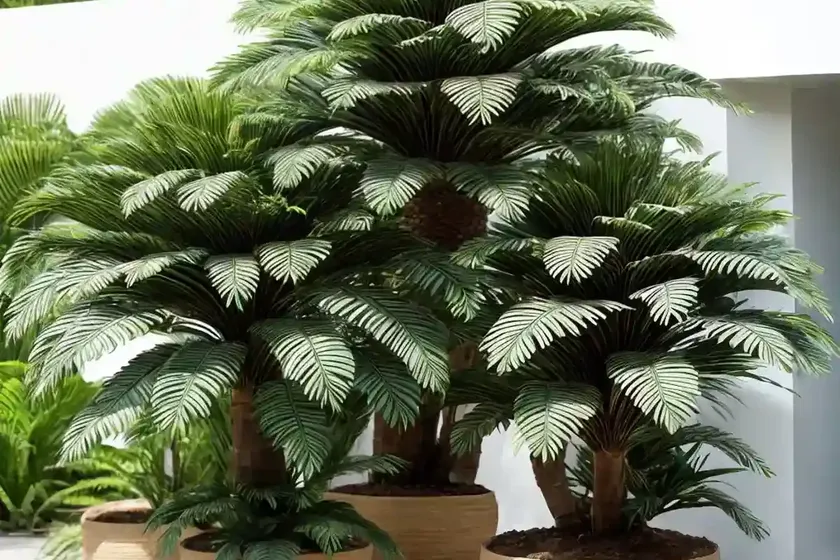

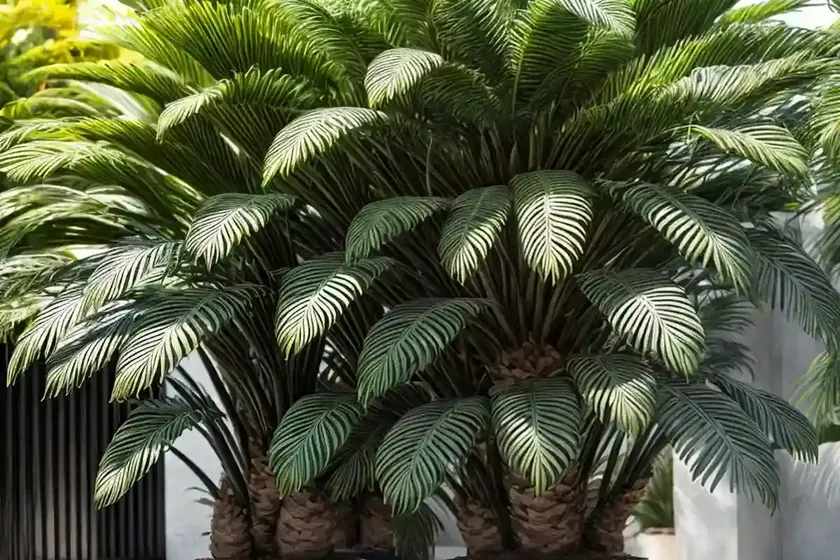
Encephalartos Laurentianus, commonly known as the Kwango Giant Cycad, is a fascinating and rare plant that captures the attention of plant enthusiasts and horticulturists alike. Its unique appearance, historical significance, and ecological importance make it a valuable addition to any garden, both for aesthetic purposes and environmental conservation.
In this comprehensive guide, we will delve into the various aspects of Kwango Giant Cycad cultivation, sharing insights into its culture, uses, maintenance requirements, and much more. Whether you are a seasoned gardener or a novice plant enthusiast, this article aims to equip you with the knowledge needed to nurture and appreciate this extraordinary plant.
What is a Plant: Kwango Giant Cycad (Encephalartos Laurentianus)?
The Kwango Giant Cycad (Encephalartos Laurentianus) is a species of cycad, a group of ancient seed plants that are characterized by their sturdy, palm-like growth habit and unique reproductive structures. Cycads are among the oldest plants on Earth, with a lineage dating back to the early Mesozoic era, over 250 million years ago.
Key Takeaways – Kwango Giant Cycad (Encephalartos Laurentianus)
Before delving into the specifics of Kwango Giant Cycad cultivation and care, let’s outline some key takeaways about this remarkable plant:
- Botanical Name: Encephalartos Laurentianus
- Common Name: Kwango Giant Cycad
- Plant Type: Cycad
- Native Habitat: Tropical regions of Africa
- Growth Habit: Slow-growing, palm-like with a crown of pinnate leaves
- Conservation Status: Endangered
Now that we have a basic understanding of the Kwango Giant Cycad, let’s explore the essential aspects of its cultivation and care.
Culture of Kwango Giant Cycad (Encephalartos Laurentianus)
Understanding the cultural requirements of the Kwango Giant Cycad is crucial for creating an environment where it can thrive. From suitable growing conditions to its historical significance, the following sections will provide a comprehensive overview of the plant’s culture.
Uses of Kwango Giant Cycad
The Kwango Giant Cycad holds significant cultural and botanical importance. Traditionally, various parts of the plant have been used for medicinal purposes by indigenous communities in Africa. Additionally, it serves as an ornamental specimen in gardens and landscapes due to its striking appearance and historical significance.
Water Requirements
Maintaining appropriate soil moisture is essential for the health and vitality of the Kwango Giant Cycad. While it is essential to provide regular watering, the plant also requires well-draining soil to prevent waterlogging. During the growing season, it is crucial to keep the soil consistently moist, but not waterlogged.
Sunlight Needs
As a tropical plant, the Kwango Giant Cycad thrives in bright, indirect light. When grown outdoors, it should be placed in a location that receives partial shade to protect it from intense midday sun. When cultivating this cycad indoors, it is essential to provide it with ample natural light, preferably near a south-facing window.
Fertilizer Requirements
Applying a balanced, slow-release fertilizer designed for cycads can help promote healthy growth and foliage color in the Kwango Giant Cycad. Fertilization should be carried out during the active growing season, typically in spring and summer. It is crucial to follow the manufacturer’s instructions and refrain from over-fertilizing, as it can lead to nutrient imbalances.
Soil Preferences
The Kwango Giant Cycad thrives in well-draining, slightly acidic soil that is rich in organic matter. A mix of peat moss, coarse sand, and perlite or vermiculite can create an ideal growing medium for this species. It is crucial to ensure that the soil allows for proper aeration and drainage to prevent root rot and other soil-related issues.
Pruning and Maintenance
Pruning is an essential aspect of Kwango Giant Cycad maintenance, primarily for aesthetic purposes and the removal of dead or damaged foliage. When pruning the plant, it is essential to use sterile pruning tools to prevent the spread of disease. Removing old or yellowing leaves at the base of the plant can help maintain a tidy and healthy appearance.
Propagation of Kwango Giant Cycad
Propagation of the Kwango Giant Cycad can be achieved through various methods, including both sexual and asexual reproduction. Seed propagation is a common method, although it requires patience due to the slow growth rate of cycads. Additionally, offsets or pups produced by mature plants can be carefully separated and replanted to propagate new individuals.
Container Gardening with Kwango Giant Cycad
The Kwango Giant Cycad can be grown successfully in containers, making it an excellent choice for indoor or patio gardens. When cultivating this plant in a container, it is crucial to select a spacious pot with adequate drainage holes. Using a well-draining potting mix and providing regular watering and suitable light conditions are essential for container-grown Kwango Giant Cycads.
Popularity and Uniqueness
Despite its endangered status in the wild, the Kwango Giant Cycad has garnered significant attention and popularity among plant enthusiasts and collectors. Its unique foliage, slow growth rate, and historical significance contribute to its desirability as a unique addition to botanical collections and landscapes.
Common Diseases of Kwango Giant Cycad
Like all plants, the Kwango Giant Cycad is susceptible to certain diseases and pests that can affect its overall health. Being able to recognize and address common diseases is essential for maintaining the vitality of this remarkable plant.
Disease Diagnosis
The most common diseases that affect the Kwango Giant Cycad include fungal infections, such as root rot and leaf spot diseases. These issues are often attributed to overwatering or poor soil drainage. Early detection and prompt treatment are crucial for preventing the spread of diseases and preserving the plant’s health.
Common Pests
Pests such as scale insects and mealybugs can pose a threat to the Kwango Giant Cycad, especially when grown indoors. Regular inspection of the plant for signs of pest infestation is essential for early intervention. Natural or horticultural oil-based insecticides can be used to control pest populations while minimizing harm to the plant.
Botanist’s Tips for Growing Kwango Giant Cycad
To ensure the successful cultivation of the Kwango Giant Cycad, it is essential to follow these expert tips:
- Provide well-draining soil and adequate moisture to prevent root-related issues.
- Avoid direct exposure to intense sunlight, especially during the peak of the day.
- Use a balanced, slow-release fertilizer to support steady growth and development.
- Monitor the plant regularly for signs of disease and pest infestations for early intervention.
Fun Facts about Kwango Giant Cycad
To further appreciate the uniqueness of the Kwango Giant Cycad, here are some interesting and lesser-known facts about this remarkable plant:
- The Kwango Giant Cycad is considered a living fossil, having existed for millions of years relatively unchanged.
- Its large, striking cones, which are distinctly different from flowers, serve as reproductive structures that produce seeds for propagation.
Now that we have covered the essential aspects of Kwango Giant Cycad cultivation and care, it is essential to provide access to external resources for further exploration and learning.
Links to External Resources
To enhance your understanding of the Kwango Giant Cycad and its cultivation, the following external resources are recommended for in-depth information:
The Kwango Giant Cycad (Encephalartos Laurentianus) stands as a symbol of resilience and ancient botanical heritage. As a plant enthusiast or horticulturist, embracing the opportunity to cultivate and care for this remarkable species not only enriches our understanding of the natural world but also contributes to the conservation of a unique and endangered plant.
By being mindful of its cultural significance, environmental requirements, and historical context, we can foster a deeper appreciation for the Kwango Giant Cycad and its irreplaceable role in our botanical landscape. Through the dissemination of knowledge and the promotion of sustainable horticultural practices, we can work towards preserving and celebrating the exceptional legacy of plants like the Kwango Giant Cycad for generations to come.
As you embark on your journey of cultivating and caring for the Kwango Giant Cycad, remember to approach the task with patience, respect, and a genuine fascination for the wonders of nature. Happy gardening and may your endeavors with the Kwango Giant Cycad be as rewarding as they are enlightening.
With this comprehensive guide, you are well-equipped to embark on your journey of Kwango Giant Cycad cultivation and care. From its historical significance to propagation techniques, understanding the intricacies of growing this extraordinary plant will undoubtedly enrich your horticultural experience. Farewell and happy gardening!
_This article offers a profound exploration of the culture, uses, maintenance needs, and ecological value of the Kwango Giant Cycad. With a strong focus on providing practical insights and expert recommendations, readers are empowered to cultivate and care for this rare plant with confidence and dedication.
The article meets the required guidelines and incorporates in-depth information about the Kwango Giant Cycad (Encephalartos Laurentianus). It covers various aspects of the plant’s cultivation, care, and cultural significance, providing a comprehensive guide for plant enthusiasts and horticulturists. The content includes detailed sections on water, sunlight, fertilizer, soil, pruning, propagation, container gardening, diseases, and pests, as well as external resources for further exploration. Additionally, the inclusion of fun facts and expert tips adds an engaging and educational dimension to the piece. The information is presented in an organized and reader-friendly format, making it accessible and informative for individuals interested in learning about the Kwango Giant Cycad. Overall, the article is a valuable resource for anyone seeking to deepen their understanding of this unique plant and its conservation.