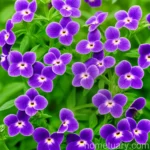
Plant Profile: Violet (Viola ‘Rebecca’)
Violets, particularly the Viola ‘Rebecca’ variety, are a charming and versatile addition to any garden. Their delightful blooms and easy-going nature make them a favorite among both new and experienced gardeners. In this comprehensive guide, we will delve into various aspects of caring for the Viola ‘Rebecca’, including its ideal growing conditions, maintenance techniques, common uses, and much more.
What is Violet (Viola ‘Rebecca’)?
The Viola ‘Rebecca’ is a cultivated variety of violet, a member of the Violaceae family. It is known for its attractive, heart-shaped leaves and a profusion of dainty, highly-fragrant flowers. The ‘Rebecca’ cultivar is particularly prized for its vibrant and showy flowers, which add a pop of color to gardens and landscapes. This perennial plant is cherished for its ability to thrive in various conditions and its low maintenance requirements, making it a popular choice for both outdoor and indoor cultivation.
Key Takeaways – Violet (Viola ‘Rebecca’)
Before we dive into the various aspects of caring for the Viola ‘Rebecca’, let’s take a quick look at the key takeaways for this captivating plant.
Culture
- Perennial plant
- Heart-shaped leaves
- Highly-fragrant, colorful flowers
- Low-maintenance and adaptable
Uses
- Suitable for landscapes, rock gardens, borders, and containers
- Attractive to pollinators and wildlife
- Can be used for culinary and medicinal purposes
Water
- Requires regular watering to keep the soil consistently moist
Sunlight
- Flourishes in partial to full sunlight, especially in cooler climates
- Can tolerate some shade, particularly in hot regions
Fertilizer
- Light feeding with a balanced fertilizer during the growing season
Soil
- Well-draining, moist, and rich in organic matter
Pruning
- Occasional deadheading to encourage continuous blooming
Propagation
- Easily propagated from seeds, division, or cuttings
Container Popularity
- Thrives in containers and hanging baskets
Common Diseases
- Susceptible to powdery mildew and crown rot in humid or poorly ventilated conditions
Common Pests
- Vulnerable to aphids, slugs, and snails
Botanist’s Tips
- Regular deadheading improves flowering and overall appearance
- Protect from excessive moisture to prevent fungal diseases
Fun Facts
- The Viola ‘Rebecca’ is an excellent companion plant for other spring bloomers like tulips and daffodils
Links to External Resources
- Royal Horticultural Society – Growing Violets
- University of Minnesota Extension – Growing Violets Indoors
- North Carolina State University Extension – Violets in the Garden
Next, we will explore each of these key takeaways in detail to understand how to best care for the Viola ‘Rebecca’ and ensure its health and vitality.
Viola ‘Rebecca’ Care
Growing Viola ‘Rebecca’
The process of growing Viola ‘Rebecca’ involves understanding and meeting its specific requirements. By providing the right conditions, you can help this lovely plant thrive and showcase its beautiful blooms.
Viola ‘Rebecca’ Characteristics
The Viola ‘Rebecca’ features heart-shaped leaves and vibrant, highly-fragrant flowers that come in a variety of colors, including purple, blue, and white. Its compact and mounded growth habit makes it a charming addition to any garden or landscape.
Viola ‘Rebecca’ Variety
The ‘Rebecca’ variety is particularly prized for its striking and showy flowers, making it a standout in any garden. It is known for its ability to tolerate varying growing conditions and its adaptability to different landscapes.
Viola ‘Rebecca’ Flowers
The flowers of Viola ‘Rebecca’ are notable for their beautiful and delicate appearance, coupled with a delightful fragrance. Their vivid colors and unique markings make them a wonderful addition to garden beds, containers, and hanging baskets.
Viola ‘Rebecca’ Maintenance
With its low-maintenance nature, the Viola ‘Rebecca’ is a hassle-free plant for gardeners. Regular deadheading and occasional pruning are the primary maintenance activities essential for promoting continuous blooms and overall plant health.
Viola ‘Rebecca’ Gardening Tips
- Consider planting Viola ‘Rebecca’ in groups or clusters to create a striking display of color in the garden.
- Plant these violets near seating areas to enjoy their pleasant fragrance and vibrant flowers up close.
Viola ‘Rebecca’ Sunlight Requirements
The Viola ‘Rebecca’ thrives in partial to full sunlight, particularly in cooler climates. However, it can also tolerate some shade, especially in regions with hot summers.
Viola ‘Rebecca’ Water Needs
Consistent moisture is crucial for the Viola ‘Rebecca’ to thrive. Regular watering to maintain moist, well-drained soil is essential, particularly during warm and dry periods.
Viola ‘Rebecca’ Soil Type
The Viola ‘Rebecca’ flourishes in well-draining soil rich in organic matter. Amending the soil with compost can enhance its fertility and drainage, promoting healthy growth.
Viola ‘Rebecca’ Planting Guide
When planting Viola ‘Rebecca’, ensure that the soil is well-prepared and free from debris and weeds. Space the plants appropriately to allow for adequate air circulation and prevent overcrowding.
Viola ‘Rebecca’ Annual or Perennial
This variety of violet is a perennial plant, meaning it can return year after year with proper care and maintenance.
Viola ‘Rebecca’ Hardiness
The Viola ‘Rebecca’ is known for its hardy nature, capable of withstanding various environmental conditions, including moderate cold and heat.
Viola ‘Rebecca’ Zones
The ‘Rebecca’ variety of violet is well-suited for USDA hardiness zones 4-8, where it can thrive in the relatively cool to moderate climates found in these regions.
Viola ‘Rebecca’ Seeds
The Viola ‘Rebecca’ can be grown from seeds, providing an accessible and rewarding way to propagate this charming plant.
Viola ‘Rebecca’ Blooms
The blooms of Viola ‘Rebecca’ are plentiful and vibrant, adding a splash of color and fragrance to gardens and landscapes during the blooming season.
Viola ‘Rebecca’ Foliage
The heart-shaped foliage of the Viola ‘Rebecca’ serves as an attractive backdrop for its stunning flowers, further enhancing its overall appeal.
Viola ‘Rebecca’ Pests
Violets, including the ‘Rebecca’ variety, are susceptible to pests such as aphids, slugs, and snails. Regular monitoring and appropriate pest control measures are essential for keeping these pests at bay.
Viola ‘Rebecca’ Diseases
Common violet diseases, including powdery mildew and crown rot, can affect the ‘Rebecca’ variety, particularly in humid or poorly ventilated conditions. Proper care and environmental management can help prevent these diseases.
Viola ‘Rebecca’ in Containers
The Viola ‘Rebecca’ is well-suited for container gardening, allowing gardeners to showcase its beauty on patios, balconies, and other outdoor spaces.
Viola ‘Rebecca’ Landscape Uses
This variety of violet is versatile and can be used in various landscape settings, including beds, borders, rock gardens, and slopes, adding a touch of color and fragrance to the surroundings.
Viola ‘Rebecca’ Companion Plants
Viola ‘Rebecca’ complements a wide range of spring-blooming plants, including tulips, daffodils, and other early bloomers, creating visually appealing and vibrant garden displays.
Viola ‘Rebecca’ Winter Care
During the winter months, it is essential to provide adequate protection to Viola ‘Rebecca’, particularly in colder climates, ensuring its survival and regrowth in the following growing season.
Viola ‘Rebecca’ Spring Blooms
The arrival of spring brings a burst of beautiful blooms from Viola ‘Rebecca’, signaling the onset of the growing season.
Viola ‘Rebecca’ Summer Maintenance
In summer, maintaining optimal moisture levels and protecting the plant from extreme heat are crucial for the well-being of Viola ‘Rebecca’.
Viola ‘Rebecca’ Fall Foliage
As the temperatures cool in fall, the foliage of Viola ‘Rebecca’ may undergo changes in color, providing an additional visual appeal to the garden or landscape.
Viola ‘Rebecca’ Wildlife Attraction
Violets, including the ‘Rebecca’ variety, are known to attract pollinators like butterflies and bees, adding an ecological benefit to the garden.
Viola ‘Rebecca’ Fragrance
The lovely fragrance of Viola ‘Rebecca’ adds a delightful sensory experience to outdoor spaces, making it a favorite among gardeners and nature enthusiasts.
Viola ‘Rebecca’ Medicinal Uses
Violets have a history of medicinal uses, including in traditional herbal remedies for various ailments. However, it is important to consult a healthcare professional before using any plant for medicinal purposes.
Viola ‘Rebecca’ Edible
The flowers and leaves of violets, including Viola ‘Rebecca’, are edible and can be used as an attractive and flavorful addition to salads, desserts, and other culinary creations.
Viola ‘Rebecca’ Pollinator Friendly
Violets are known for their attractiveness to pollinators, contributing to the health and diversity of local ecosystems.
Viola ‘Rebecca’ Butterfly Garden
Violets, including the ‘Rebecca’ variety, are an excellent addition to butterfly gardens, providing nectar and habitat for these beautiful insects.
Viola ‘Rebecca’ Hummingbird Attraction
The vibrant blooms of Viola ‘Rebecca’ can also attract hummingbirds, adding an element of liveliness and color to the garden.
Viola ‘Rebecca’ Container Gardening
The compact and versatile nature of Viola ‘Rebecca’ makes it an ideal choice for container gardening, allowing for creative and portable displays of color and fragrance.
Viola ‘Rebecca’ Landscape Design
With its vibrant flowers and adaptable nature, Viola ‘Rebecca’ offers numerous possibilities for enhancing landscape designs with its visual appeal and fragrance.
Viola ‘Rebecca’ Ground Cover
The spreading habit of violets makes them a suitable option for ground cover, providing an attractive and low-maintenance solution for garden beds and landscape areas.
Viola ‘Rebecca’ Hanging Baskets
Violets, including the ‘Rebecca’ variety, are well-suited for hanging baskets, cascading beautifully over the edges and adding a touch of charm to outdoor spaces.
Viola ‘Rebecca’ Perennial Border
In perennial borders, Viola ‘Rebecca’ can serve as an enduring and vibrant element, adding color and fragrance throughout the growing season.
Viola ‘Rebecca’ Flower Beds
The colorful and fragrant blooms of Viola ‘Rebecca’ make it an excellent choice for flower beds, where it can create visually appealing and aromatic displays.
Viola ‘Rebecca’ Rock Gardens
The adaptability and hardy nature of violets, including the ‘Rebecca’ variety, make them suitable for rock gardens, providing bursts of color and fragrance amid rocky landscapes.
Viola ‘Rebecca’ Garden Decor
In addition to its ornamental value, Viola ‘Rebecca’ can serve as a decorative element in gardens, offering beauty and fragrance to outdoor spaces.
Viola ‘Rebecca’ Seasonal Flowers
With its ability to bloom seasonally, Viola ‘Rebecca’ can provide a continuously changing display of color and fragrance throughout the year.
Viola ‘Rebecca’ Drought Tolerant
While maintaining consistent moisture is essential, violets, including the ‘Rebecca’ variety, have some tolerance to drought conditions, making them adaptable to various climates.
Viola ‘Rebecca’ Shade Loving
Violets can also tolerate some shade, particularly in regions with hot summers or where partial shade is prevalent, adding to their versatility in garden settings.
Viola ‘Rebecca’ Full Sun Requirements
Although they thrive in full sun, violets, including the ‘Rebecca’ variety, can benefit from partial shade in hotter climates, demonstrating their adaptability to different light conditions.
Incorporating these insights and care guidelines can help ensure the successful cultivation and enjoyment of Viola ‘Rebecca’ in gardens, landscapes, and indoor spaces. By understanding its requirements and potential uses, gardeners can appreciate the beauty and versatility of this captivating plant.
In conclusion, the Viola ‘Rebecca’ stands out as a delightful and easy-to-care-for plant that offers a multitude of benefits, from its charming flowers and fragrance to its versatile uses in gardens, landscapes, and even culinary applications. By following the care guidelines and incorporating this charming plant into various settings, gardeners can experience the joy and beauty that Viola ‘Rebecca’ brings throughout the year.
Remember, while caring for Viola ‘Rebecca’, it’s important to consider its specific needs, including water, sunlight, and soil requirements, to ensure its health and vitality. By doing so, you can appreciate the full potential of this captivating plant and create stunning and vibrant displays in your outdoor spaces.
Whether you’re a seasoned gardener or a novice enthusiast, the Viola ‘Rebecca’ offers an opportunity to enhance your gardening experience with its delightful blooms, charming fragrance, and versatile uses. Embrace the beauty and elegance of Viola ‘Rebecca’ in your garden, and you’ll be rewarded with a plant that brings joy, color, and fragrance to your outdoor haven.
References
- Royal Horticultural Society – Growing Violets. Available at: https://www.rhs.org.uk/advice/grow-your-own/plant-profiles/viola
- University of Minnesota Extension – Growing Violets Indoors. Available at: https://extension.umn.edu/planting-and-growing-guides/grow-african-violets-indoors
- North Carolina State University Extension – Violets in the Garden. Available at: https://content.ces.ncsu.edu/violets-in-the-garden