Vinca Minor ‘Ralph Shugert’ (Lesser Periwinkle)
Vinca minor ‘Ralph Shugert’, commonly known as Lesser Periwinkle, is a versatile and attractive ground cover plant that is valued for its charming foliage.
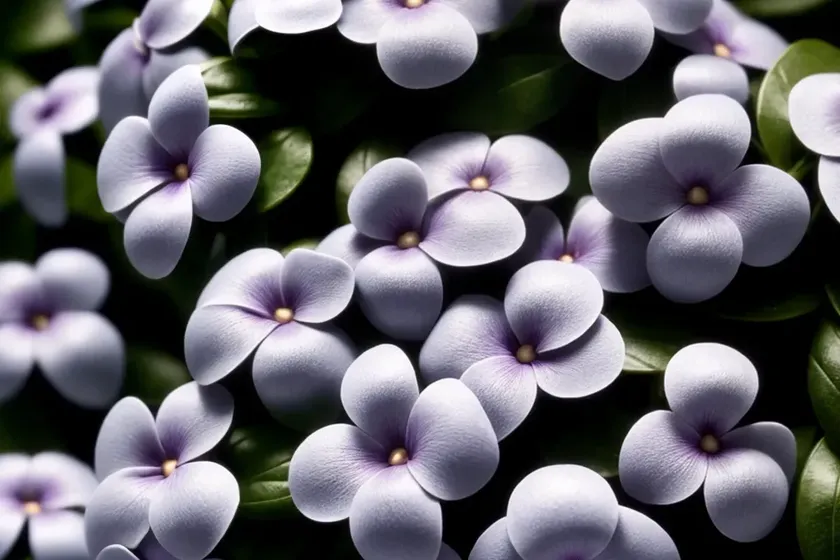
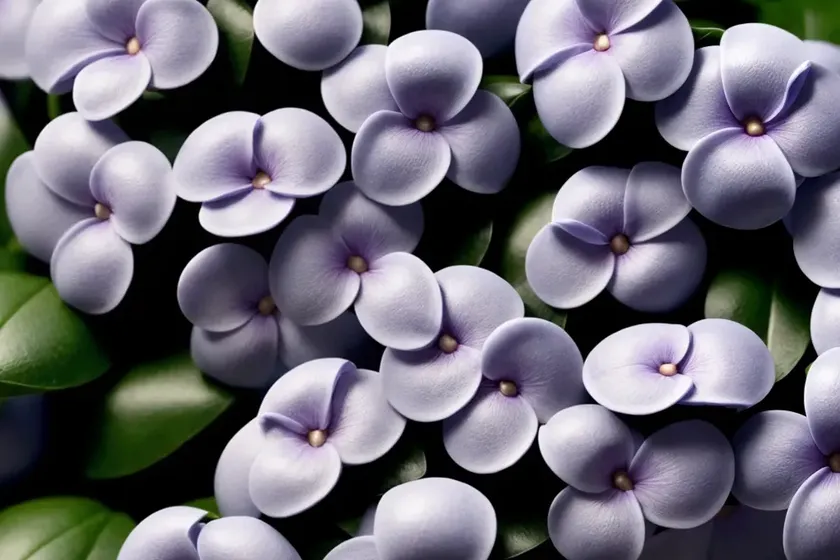
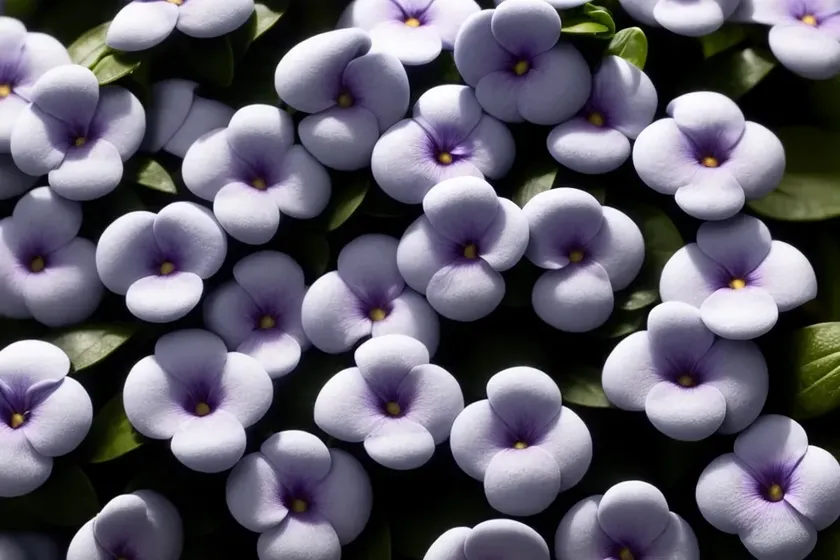
Vinca minor ‘Ralph Shugert’, commonly known as Lesser Periwinkle, is a versatile and attractive ground cover plant that is valued for its charming foliage, delicate flowers, and ease of maintenance. This evergreen perennial is a popular choice for gardeners seeking to add color and texture to shaded areas of their landscapes. In this comprehensive plant profile, we will explore the key characteristics, cultivation tips, uses, and maintenance guidelines for Vinca minor ‘Ralph Shugert’, providing valuable insights for both novice and experienced gardeners.
What is Vinca minor ‘Ralph Shugert’?
Vinca minor, a member of the Apocynaceae family, is a species of flowering plant native to central and southern Europe, as well as parts of southwestern Asia. The ‘Ralph Shugert’ cultivar is a specially selected variety that exhibits distinct characteristics, making it a sought-after choice for ground cover in various landscaping applications.
Key Takeaways
Before delving into the detailed aspects of Vinca minor ‘Ralph Shugert’, let’s summarize some key takeaways associated with this plant:
- Vinca minor ‘Ralph Shugert’ is a versatile ground cover plant with distinctive variegated foliage and captivating blue-purple flowers.
- It thrives in shaded areas and is valued for its low-maintenance nature, making it an excellent option for gardeners seeking an attractive and functional addition to their landscapes.
- When properly cared for, Vinca minor ‘Ralph Shugert’ can form dense mats of foliage, effectively suppressing weed growth and adding visual appeal to borders, slopes, and other challenging garden areas.
Now, let’s delve deeper into the various aspects of Vinca minor ‘Ralph Shugert’ cultivation, uses, and maintenance.
Culture
The cultural requirements of Vinca minor ‘Ralph Shugert’ play a crucial role in determining its overall health, vigor, and aesthetic appeal. Understanding its specific needs is essential for successfully growing and maintaining this charming ground cover plant.
Uses
Vinca minor ‘Ralph Shugert’ offers a wide range of landscape uses, making it a valuable addition to gardens, parks, and other outdoor spaces. Its primary uses include:
- Ground cover: Due to its spreading habit and dense foliage, Vinca minor ‘Ralph Shugert’ is an excellent choice for creating visual interest and suppressing weed growth in areas with partial to full shade.
- Erosion control: Its ability to form thick mats of trailing stems and foliage makes it an effective erosion control plant for slopes and embankments.
- Container planting: The trailing habit and attractive variegated leaves of Vinca minor ‘Ralph Shugert’ make it a suitable choice for container planting, adding a touch of elegance to shaded patio and garden spaces.
Water
Proper watering is essential for the healthy growth and development of Vinca minor ‘Ralph Shugert’. While this plant is relatively drought-tolerant once established, it is important to provide regular moisture, especially during periods of prolonged heat and dryness.
- Newly planted Vinca minor ‘Ralph Shugert’ should be watered regularly to support establishment. Once established, it can tolerate short periods of drought, but it is advisable to provide supplemental watering during extended dry spells.
- When watering, it is important to ensure that the soil is evenly moist but not waterlogged. Overly wet conditions can lead to root rot and other issues, so it is crucial to strike a balance in watering frequency and quantity.
Sunlight
Vinca minor ‘Ralph Shugert’ thrives in partial to full shade, making it an ideal choice for understory planting and shaded garden areas. While it can tolerate some morning sun, prolonged exposure to intense sunlight can lead to leaf scorch and reduced vigor. Therefore, it is important to provide a shaded environment to promote the best growth and performance of this ground cover plant.
Fertilizer
Proper fertilization can enhance the growth and blooming of Vinca minor ‘Ralph Shugert’, ensuring that it maintains its vigor and visual appeal. However, it is important to apply fertilizer judiciously to prevent overstimulation and potential harm to the plant.
- A balanced, slow-release fertilizer can be applied in spring to provide essential nutrients for the upcoming growing season. This can help support healthy foliage development and encourage robust flowering.
- It is important to follow the manufacturer’s recommendations regarding application rates and frequency to avoid overfertilization, which can lead to excessive vegetative growth at the expense of flower production.
Soil
Vinca minor ‘Ralph Shugert’ has adaptable soil preferences, making it suitable for various soil types, as long as certain conditions are met to ensure optimal growth and performance.
- Well-draining soil: This ground cover plant thrives in well-draining soil to prevent waterlogging, which can lead to root rot and other issues. Amending heavy clay soils with organic matter can improve drainage and create a more suitable growing environment for Vinca minor ‘Ralph Shugert’.
- Soil pH: Vinca minor ‘Ralph Shugert’ prefers slightly acidic to slightly alkaline soil (pH 6.0-7.5). Conducting a soil test can help determine the existing pH levels and guide necessary amendments to create an optimal growing medium for this plant.
Pruning
Pruning plays a key role in maintaining the shape, density, and overall appearance of Vinca minor ‘Ralph Shugert’, ensuring that it remains an attractive and functional addition to the landscape.
- Pruning frequency: Light pruning can be performed as needed throughout the growing season to remove any leggy or overcrowded growth, promoting a more uniform and compact habit.
- Timing: The best time for major pruning is in early spring before the new growth emerges. This allows for rejuvenation and shaping without compromising the plant’s ability to produce blooms later in the season.
Propagation
Propagating Vinca minor ‘Ralph Shugert’ allows for the creation of new plants and the expansion of this attractive ground cover within the landscape.
- Division: This plant can be propagated through division, where established clumps are carefully divided into smaller sections, each with a portion of the root system. The divisions can then be replanted in suitable locations to establish new growth.
- Stem cuttings: Stem cuttings provide another propagation method, offering the opportunity to create new plants from healthy, non-flowering stems. These cuttings are typically treated with rooting hormone and placed in a suitable growing medium until they develop roots and can be transplanted.
Container Popularity
Vinca minor ‘Ralph Shugert’ is widely sought after for container planting due to its trailing habit, attractive foliage, and adaptability to shaded environments. When used in containers, this plant creates a stunning visual impact in patios, porches, and other outdoor spaces, adding a touch of natural beauty to these areas.
Common Diseases
Despite its overall resilience, Vinca minor ‘Ralph Shugert’ can be susceptible to certain diseases that may impact its health and appearance. Being aware of these potential issues and their management can help safeguard the plant’s well-being.
- Leaf spot: Fungal leaf spot diseases can affect Vinca minor ‘Ralph Shugert’, causing unsightly spotting and potential defoliation. Improving air circulation and avoiding overhead watering can help prevent these issues.
- Phytophthora root rot: Overly wet soil conditions can lead to phytophthora root rot, a serious fungal disease that can affect the plant’s root system, leading to wilting and decline. Proper drainage and watering practices are essential in preventing this disease.
Disease Diagnosis
Diagnosing diseases affecting Vinca minor ‘Ralph Shugert’ involves careful observation and, in some cases, professional consultation to accurately identify the underlying issues and develop an appropriate management strategy.
- Visual symptoms: Carefully inspect the foliage and stems for any signs of discoloration, spotting, wilting, or abnormal growth. Note the specific characteristics of the symptoms to aid in diagnosis.
- Professional assistance: In cases of complex or severe disease problems, seeking the expertise of a plant pathologist or knowledgeable gardening professional can provide valuable insights and recommendations for disease management.
Common Pests
Vinca minor ‘Ralph Shugert’ may encounter various pests that can impact its growth and vigor, requiring proactive pest management measures for effective control.
- Aphids: These small, soft-bodied insects can infest the plant, feeding on its sap and potentially causing distortion and discoloration of the foliage. Insecticidal soap or horticultural oil applications can help manage aphid populations.
- Spider mites: Infestations of spider mites can lead to stippling and the development of fine webbing on the undersides of leaves. Regular foliar spraying with water and the use of predatory mites can help control these pests.
Botanist’s Tips
Gardening enthusiasts and professionals can benefit from the following botanist’s tips for successfully cultivating and caring for Vinca minor ‘Ralph Shugert’:
- Selecting suitable planting sites: Choose locations with partial to full shade and well-draining soil to provide an ideal growing environment for Vinca minor ‘Ralph Shugert’.
- Regular monitoring: Keep a close eye on the plant for any signs of disease, pest infestations, or nutrient deficiencies, addressing any issues promptly to maintain its health and vitality.
- Incorporating diversity: Consider pairing Vinca minor ‘Ralph Shugert’ with other shade-tolerant plants to create visually appealing combinations and enhance the overall landscape design.
Fun Facts
To add an element of fascination and intrigue, here are some fun facts about Vinca minor ‘Ralph Shugert’:
- Medicinal uses: In traditional herbal medicine, Vinca minor has been used for various medicinal purposes, including as a treatment for headaches and circulatory disorders.
- Wildlife attraction: The flowers of Vinca minor ‘Ralph Shugert’ can attract pollinators such as bees and butterflies, contributing to garden biodiversity and ecological balance.
Links to External Resources
For further exploration and in-depth knowledge, consider visiting the following external resources related to Vinca minor ‘Ralph Shugert’:
- University of Florida Extension – Vinca minor (Periwinkle) Selection, Landscape Use, and Management
- Royal Horticultural Society – Vinca minor
- North Carolina State University Extension – Periwinkle (Vinca minor)
- Missouri Botanical Garden – Vinca minor
As a beloved ground cover plant with a rich history and versatile nature, Vinca minor ‘Ralph Shugert’ continues to captivate gardeners worldwide with its enduring charm and practical value in various outdoor settings.
In conclusion, the cultivation, uses, and maintenance of Vinca minor ‘Ralph Shugert’ present a worthy endeavor for both amateur and seasoned horticultural enthusiasts, offering the opportunity to enhance garden spaces with a touch of natural elegance and functionality.
Keywords: Vinca minor ‘Ralph Shugert’ care, Lesser Periwinkle plant, Growing Vinca minor ‘Ralph Shugert’, Ralph Shugert Periwinkle plant, Vinca minor ‘Ralph Shugert’ characteristics, Lesser Periwinkle varieties, Tips for cultivating Vinca minor ‘Ralph Shugert’, Lesser Periwinkle ground cover, Vinca minor ‘Ralph Shugert’ plant profile, etc.