Vinca Minor ‘Bowles’s Variety’ (Lesser Periwinkle)
Vinca minor ‘Bowles’s Variety,’ commonly known as Lesser Periwinkle, is a versatile and resilient evergreen perennial popular for its beautiful.
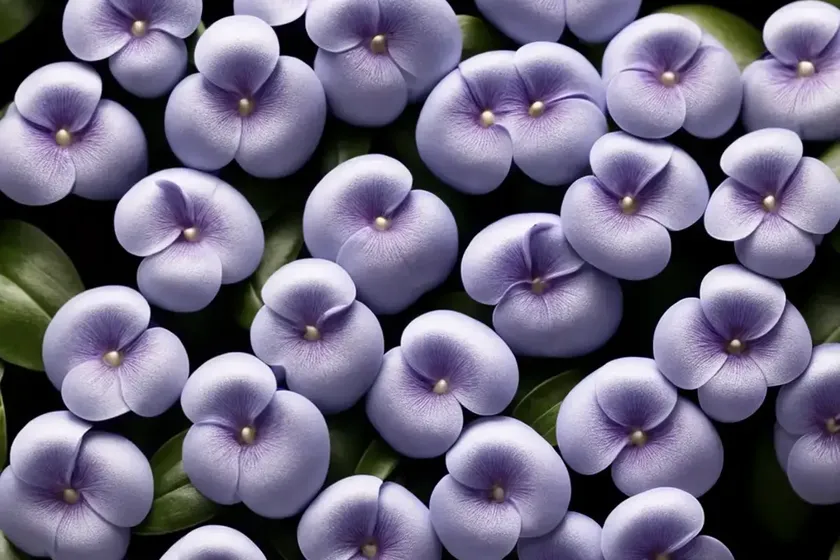
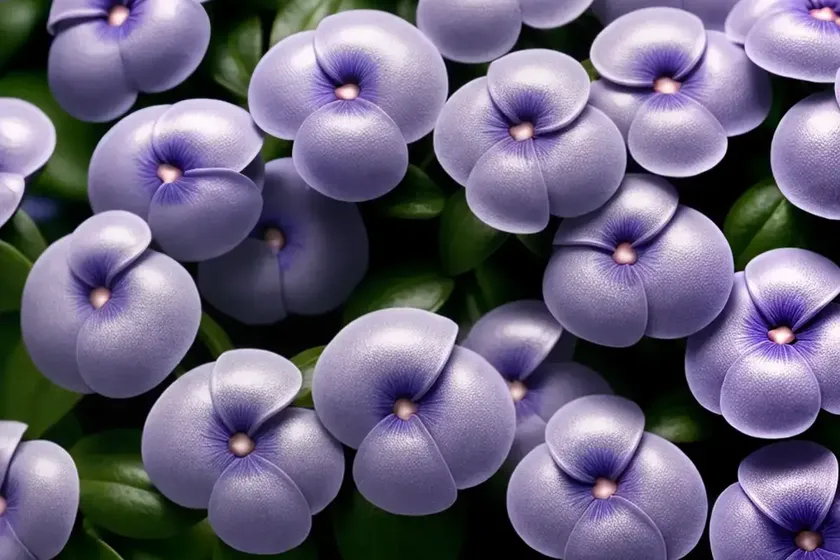
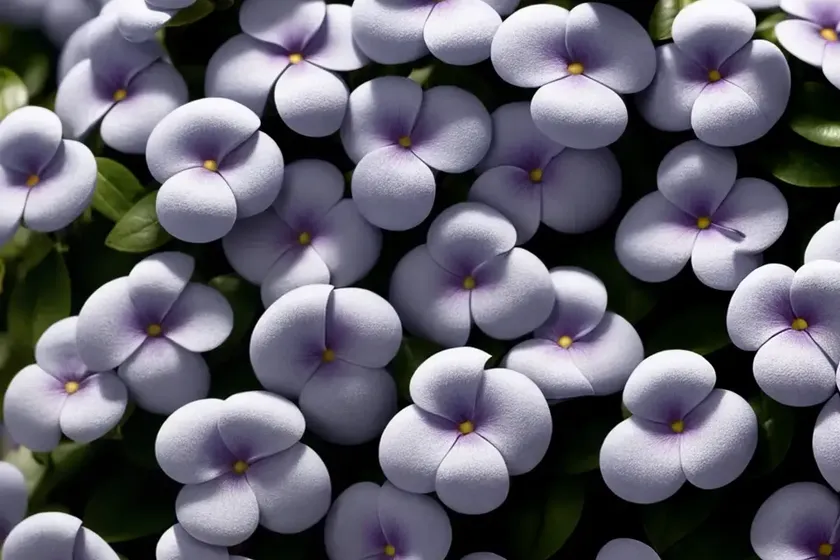
Vinca minor ‘Bowles’s Variety,’ commonly known as Lesser Periwinkle, is a versatile and resilient evergreen perennial popular for its beautiful, violet-blue flowers and dense, trailing growth habit. This plant is prized for its ability to thrive in various environmental conditions, making it a favorite among gardeners and landscapers alike. In this extensive guide, we will explore the various aspects of caring for and using Vinca minor ‘Bowles’s Variety’ in landscaping, covering everything from its cultural requirements to its common uses and maintenance practices.
What is Plant – Vinca minor ‘Bowles’s Variety’?
Vinca minor ‘Bowles’s Variety’ is a cultivar of the species Vinca minor, a member of the Apocynaceae family. This low-growing perennial is native to Europe and commonly found in woodlands, forests, and rocky slopes, where it forms dense mats of foliage adorned with delicate, star-shaped flowers. The ‘Bowles’s Variety’ is a specially selected cultivar known for its vigorous growth and larger flowers compared to the species.
The botanical characteristics of Vinca minor ‘Bowles’s Variety’ include:
– Foliage: Glossy, dark green, ovate to elliptic leaves with a leathery texture.
– Flowers: Solitary, 5-petaled flowers in shades of violet-blue, blooming from late spring to early summer.
– Growth Habit: Low spreading and trailing growth, reaching a height of 4-6 inches and a spread of 12-18 inches.
– Root System: Shallow and fibrous, forming a dense network to aid in spreading.
– Winter Foliage: Evergreen foliage that provides year-round interest in the garden.
Key Takeaways – Vinca minor ‘Bowles’s Variety’ (Lesser Periwinkle)
Vinca minor ‘Bowles’s Variety’ care involves providing the plant with a well-drained soil, adequate sunlight, and regular watering, along with minimal maintenance and occasional pruning.
Lesser Periwinkle plant is well-suited for groundcover, borders, slopes, and woodland gardens, offering erosion control and enhancing landscape aesthetics.
How to grow Vinca minor ‘Bowles’s Variety‘ involves planting in fertile, moist soil, and keeping the plant consistently moist during its establishment period.
Vinca minor ‘Bowles’s Variety’ planting tips include spacing the plants 12-18 inches apart to allow for optimal spread and coverage.
Lesser Periwinkle groundcover is an excellent choice for suppressing weeds and filling in large areas with its vigorous growth habit.
Vinca minor ‘Bowles’s Variety’ pruning should be performed in spring to control its spread and promote a neat appearance.
Lesser Periwinkle flowers add vibrant splashes of color to the landscape, attracting pollinators and enhancing visual appeal.
Vinca minor ‘Bowles’s Variety’ propagation can be done through division or stem cuttings, allowing for easy expansion of plantings.
Lesser Periwinkle maintenance is relatively low, requiring minimal care once established, making it suitable for low-maintenance gardens.
Culture
Uses
Vinca minor ‘Bowles’s Variety’ is valued for its versatility and adaptability, making it suitable for a wide range of landscaping purposes. Some of its common uses include:
- Groundcover: The spreading habit and dense foliage make Vinca minor ‘Bowles’s Variety’ an excellent groundcover, particularly in shaded areas where other plants may struggle to thrive. It effectively suppresses weeds while creating a lush carpet of greenery.
- Borders and Edging: The low-growing nature of this plant makes it ideal for defining borders and edging pathways, providing a neat and uniform appearance.
- Slopes and Erosion Control: Its vigorous spread and strong root system make it effective in stabilizing slopes and controlling soil erosion, making it a popular choice for landscape conservation.
- Underplanting Trees: Lesser Periwinkle thrives in the dappled shade beneath trees, creating a naturalistic and visually appealing underplanting.
- Containers and Raised Beds: While primarily known as a groundcover, Vinca minor ‘Bowles’s Variety’ can also thrive in containers and raised beds, adding visual interest to these spaces.
- Rock Gardens: Its compact growth habit and evergreen foliage make it an ideal addition to rock gardens, providing year-round greenery and occasional bursts of color.
- Wildlife Gardens: The flowers of Lesser Periwinkle attract pollinators such as bees and butterflies, making it a valuable addition to wildlife-friendly gardens.
- Low-Maintenance Landscapes: For landscapes that require minimal upkeep, this plant is an excellent choice due to its hardiness and ability to thrive with little intervention.
Water
Vinca minor ‘Bowles’s Variety’ has moderate water needs, particularly during its establishment phase. Proper irrigation is crucial to ensure the plant’s successful establishment and subsequent healthy growth. Once established, the plant demonstrates a good tolerance to drought, making it suitable for regions with limited water availability.
- Establishment Phase: During the first growing season after planting, it is essential to keep the soil consistently moist without becoming waterlogged. This helps the plant develop a strong root system and adapt to its new environment.
- Mature Plants: Once established, Vinca minor ‘Bowles’s Variety’ can withstand periods of drought, though it benefits from occasional deep watering during prolonged dry spells. Avoid overwatering, as consistently soggy soil can lead to root rot and other issues.
Sunlight
Lesser Periwinkle thrives in partial to full shade, making it an excellent choice for areas with limited direct sunlight. While it can tolerate some morning sun, it generally prefers filtered light or dappled shade throughout the day. In hotter climates, providing afternoon shade can help prevent the plant from becoming stressed and maintain its lush appearance.
Fertilizer
Vinca minor ‘Bowles’s Variety’ is not particularly demanding when it comes to fertilization. However, providing some supplemental nutrients can promote healthy growth and enhance flowering. A balanced, slow-release fertilizer applied in early spring can provide the necessary nutrients to support the plant’s seasonal growth and bloom development.
- Application: Apply a granular, balanced fertilizer with an NPK ratio of 10-10-10 or similar, according to the manufacturer’s instructions. Sprinkle the fertilizer evenly around the base of the plants, taking care to avoid direct contact with the foliage to prevent burning.
- Frequency: A single application in early spring should be sufficient for the entire growing season, as Vinca minor ‘Bowles’s Variety’ does not have high nutrient requirements.
Soil
Vinca minor ‘Bowles’s Variety’ thrives in well-drained, fertile soil with a slightly acidic to neutral pH range. It is essential to ensure that the planting site provides adequate drainage, as waterlogged soil can lead to root rot and other issues. Amending the soil with organic matter, such as compost or well-rotted manure, can improve its texture and fertility, creating an optimal growing environment for the plant.
- Soil Type: Loamy or sandy loam soils are ideal for Vinca minor ‘Bowles’s Variety,’ as they offer good drainage while retaining sufficient moisture for the plant’s needs.
- pH Range: A slightly acidic to neutral pH range of 6.0-7.0 is suitable for this plant. Conduct a soil test to determine the pH of the planting site and make adjustments as needed.
- Organic Matter: Incorporating organic matter into the soil during planting or as a top-dressing can enhance soil fertility and structure, promoting healthy growth of the plants.
Pruning
Pruning plays a crucial role in managing the spread and appearance of Vinca minor ‘Bowles’s Variety.’ While this plant is relatively low-maintenance, occasional pruning can help maintain its vigor, control its spread, and promote a tidy, well-groomed appearance. The following pruning techniques are recommended for this plant:
- Spring Pruning: Perform light pruning in early spring to remove any dead or damaged foliage and encourage new growth. This is also an opportunity to trim back any overly enthusiastic growth and maintain the desired size and shape of the planting.
- Spreading Control: Vinca minor ‘Bowles’s Variety’ can be an enthusiastic spreader, especially in favorable growing conditions. Pruning back the trailing stems and runners can help limit its spread and prevent it from encroaching on other plants or areas of the garden.
- Rejuvenation: If the plants become overly dense and woody over time, consider rejuvenation pruning by cutting back the foliage to stimulate new growth and rejuvenate the plant’s appearance. This is best done in early spring to allow for regrowth during the growing season.
Propagation
Vinca minor ‘Bowles’s Variety’ can be propagated through several methods, including division and stem cuttings. These propagation techniques offer opportunities to expand plantings, establish new garden beds, or rejuvenate existing plantings.
Division
Division is a simple and effective way to propagate Vinca minor ‘Bowles’s Variety,’ particularly for mature clumps that have become overcrowded or require rejuvenation. The best time to divide the plants is in early spring when new growth begins to emerge.
Steps for Division:
- Prepare the New Planting Site: Identify the new location where the divided plants will be established, ensuring it has suitable soil and light conditions.
- Lift the Plants: Carefully dig up a mature clump of Vinca minor ‘Bowles’s Variety,’ making sure to include as much of the root system as possible.
- Separate the Clumps: Gently tease the clump apart into smaller sections, each with a good portion of roots and healthy shoots.
- Replanting: Plant the divided sections in the prepared site at the same depth as they were previously growing. Water thoroughly to settle the soil around the roots and promote establishment.
Stem Cuttings
Stem cuttings provide a reliable method of propagating Vinca minor ‘Bowles’s Variety,’ allowing for the creation of new plants from healthy, actively growing stems.
Steps for Stem Cutting Propagation:
- Selecting Cuttings: Choose healthy, non-flowering stems for the cuttings, ideally in late spring or early summer when the plant is actively growing.
- Cutting Preparation: Using sharp, clean pruners, take 4-6 inch cuttings from the selected stems, ensuring each cutting has at least a couple of leaf nodes.
- Rooting Medium: Prepare a well-draining rooting medium, such as a mix of perlite and peat moss, and fill small pots or trays with the medium.
- Inserting Cuttings: Make a small hole in the rooting medium with a pencil or similar tool and insert the cuttings, ensuring at least one leaf node is placed below the surface.
- Rooting Conditions: Place the cuttings in a warm, bright location with indirect light and maintain consistent moisture in the medium to promote rooting.
- Transplanting: Once the cuttings have developed a healthy root system, they can be transplanted into individual pots or directly into the garden.
Container Popularity
Vinca minor ‘Bowles’s Variety’ is well-suited for container gardening, offering the opportunity to enjoy its beauty and resilience in various outdoor and indoor settings. The trailing growth habit of this plant makes it an attractive option for hanging baskets, window boxes, and patio containers, where it can spill over the edges and create cascades of lush greenery and colorful flowers.
Considerations for Container Planting:
– Select containers with adequate drainage holes to prevent waterlogging, as Vinca minor ‘Bowles’s Variety’ is sensitive to overly wet conditions.
– Use a well-draining potting mix that provides good aeration and moisture retention for the plants.
– Position the containers in locations that offer the appropriate light conditions for the plant, whether it is partial shade or dappled sunlight.
– Regularly monitor the moisture levels in the soil to ensure that the plants receive sufficient water without becoming waterlogged.
Common Diseases
Disease Diagnosis
While Vinca minor ‘Bowles’s Variety’ is known for its resilience, it can be susceptible to certain diseases and issues, particularly when grown in unfavorable conditions or with poor cultural practices. Common diseases that may affect this plant include:
- Powdery Mildew: A fungal disease that presents as a powdery, white film on the leaves, leading to leaf distortion and reduced vigor. It often occurs in conditions of high humidity and poor air circulation.
- Phytophthora Root Rot: This soil-borne disease can lead to root rot, wilting, and decline of the plant. Wet, poorly drained soils are conducive to the development of this disease.
- Cercospora Leaf Spot: Characterized by the presence of brown or black spots with yellow halos on the foliage, this fungal disease can lead to defoliation and reduced aesthetic appeal.
- Cryptosporiopsis Canker: Affecting the stems and branches, this disease manifests as dark, sunken lesions and can ultimately lead to dieback of affected parts.
Diagnosing and Treating Diseases:
– Regular observation of the plants for unusual symptoms or changes in foliage can help in early disease detection.
– Proper cultural practices, including providing suitable growing conditions and avoiding overwatering, can reduce the risk of disease development.
– When diseases are identified, swift action, such as removing and disposing of affected plant parts and promoting better growing conditions, can help mitigate the impact of the diseases.
Common Pests
Botanist’s tips
- Monitor the plants regularly for signs of insect activity, particularly during periods of stress or vulnerability.
- Implement natural pest control methods, such as introducing beneficial insects or using horticultural oils and insecticidal soaps to manage pest populations.
- Maintain a healthy growing environment with proper cultural practices to promote plant vigor and resilience against pest attacks.
Fun Facts
- The specific epithet “minor” in Vinca minor refers to the fact that this species is smaller in comparison to its close relative, Vinca major, also known as Greater Periwinkle.
- Vinca minor ‘Bowles’s Variety’ is renowned for its ability to thrive in challenging conditions, including dry shade, making it a valuable addition to landscapes with limited sunlight and water availability.
- The genus name Vinca is derived from the Latin word for “binding”, alluding to the vigorous growth and trailing nature of many species in this genus.
Links to External Resources
For further information on Vinca minor ‘Bowles’s Variety’ and related topics, consider exploring the following links:
-
University of Florida IFAS Extension: Vinca minor (pdf) – A comprehensive guide to the cultural aspects and landscaping uses of Vinca minor, including its various cultivars.
-
Royal Horticultural Society: Vinca minor – Detailed information on the botanical characteristics and growing requirements of Vinca minor, along with practical guidance for cultivation.
-
North Carolina State University Extension: Vinca Diseases – An in-depth resource on the common diseases that can affect Vinca minor and recommendations for disease management.
-
University of California Statewide Integrated Pest Management Program: Vinca Insect Pests – Insights into the insect pests that may impact Vinca minor ‘Bowles’s Variety’ and strategies for integrated pest management.
-
The American Horticultural Society: Perennials for American Gardens – A valuable resource on selecting and caring for perennials, including insights on heat-tolerant Vinca minor varieties.
In conclusion, Vinca minor ‘Bowles’s Variety’ (Lesser Periwinkle) offers a wealth of benefits for gardeners and landscapers, from its adaptability to various growing conditions to its aesthetic appeal and low-maintenance nature. By understanding the cultural requirements, uses, and maintenance practices associated with this plant, individuals can maximize its potential in creating beautiful and sustainable landscapes. Whether used as a groundcover, border plant, or container specimen, Vinca minor ‘Bowles’s Variety’ holds great value as a versatile and resilient addition to outdoor spaces.