Vinca Major (Big Periwinkle)
Vinca major, commonly known as Big Periwinkle, is a versatile and attractive plant that has gained popularity for its numerous uses in landscaping and.
Vinca major, commonly known as Big Periwinkle, is a versatile and attractive plant that has gained popularity for its numerous uses in landscaping and gardening. This plant belongs to the Apocynaceae family and is native to Europe, North Africa, and southwest Asia. It is prized for its glossy evergreen foliage, vibrant flowers, and its ability to thrive in various environmental conditions. In this comprehensive guide, we will explore the cultivation, characteristics, uses, care tips, and maintenance of Vinca major, shedding light on its diverse features and the benefits it offers in different settings.
What is Vinca major?
Vinca major is a perennial flowering plant known for its sprawling habit and dense mat-forming growth. It is often used as ground cover due to its ability to spread and fill in large areas, creating a lush and verdant carpet of foliage. This plant typically reaches a height of 6 to 12 inches (15 to 30 cm) and can spread up to 5 to 10 feet (1.5 to 3 meters) wide, making it an excellent choice for filling in empty spaces and suppressing weeds.
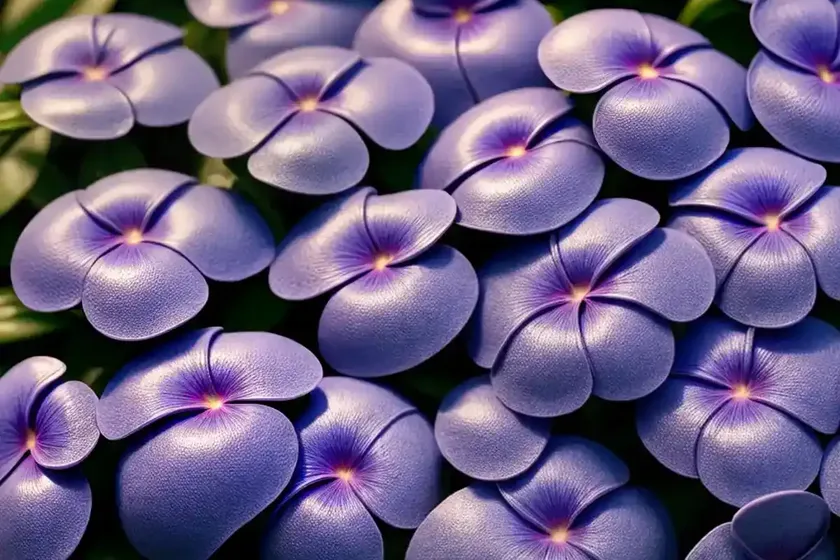
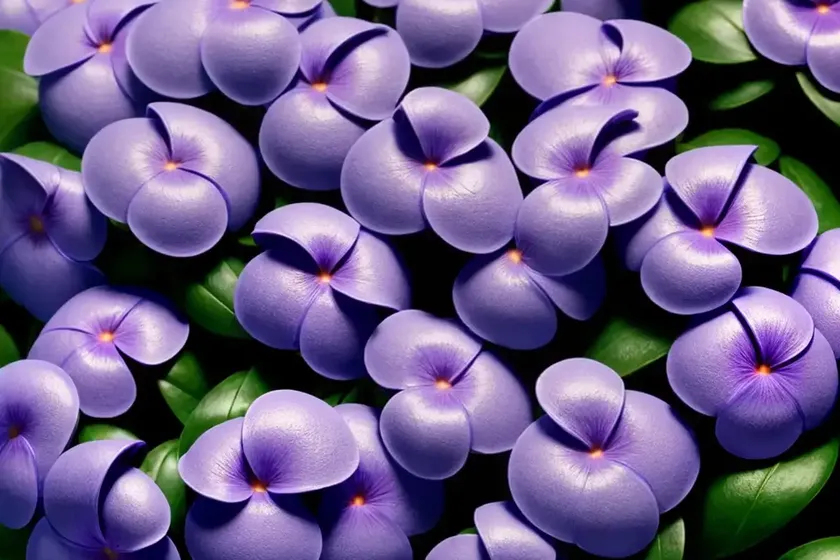
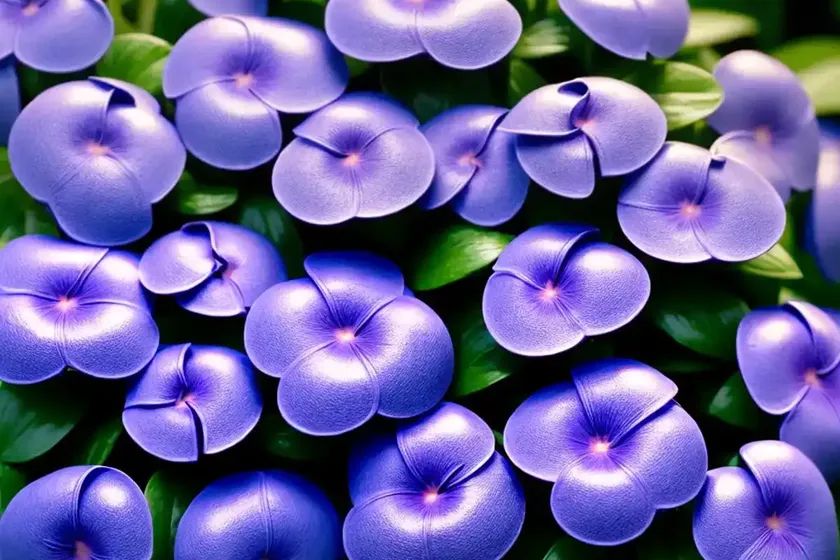
The plant’s leaves are a rich, glossy green and are arranged oppositely along the stems. Its flowers, which bloom in spring, are star-shaped and come in shades of blue, violet, or white. Vinca major is known for its resilience and adaptability, thriving in both full sun and deep shade, as well as in various soil types, making it a popular choice for landscaping and gardening projects.
Key Takeaways – Vinca major (Big Periwinkle)
Before delving deeper into the details of Vinca major, let’s take a brief look at the key takeaways that will be covered in this comprehensive guide:
- Cultivation: Understanding the optimal conditions for growing Vinca major.
- Uses: Exploring the various landscaping and gardening applications of Big Periwinkle.
- Water: Learning about Vinca major’s water requirements for optimal growth.
- Sunlight: Discovering the plant’s preferences for sunlight exposure.
- Fertilizer: Providing insights into the fertilizer needs of Vinca major.
- Soil: Understanding the soil requirements for cultivating Big Periwinkle.
- Pruning: Learning about the pruning techniques to maintain Vinca major.
- Propagation: Exploring the methods for propagating Big Periwinkle.
- Container Popularity: Understanding the suitability of Vinca major for container gardening.
- Common Diseases: Identifying the prevalent diseases that affect Big Periwinkle.
- Common Pests: Understanding the pests that commonly target Vinca major.
- Botanist’s Tips: Receiving expert advice and tips for cultivating and caring for Big Periwinkle.
- Fun Facts: Discovering interesting and lesser-known facts about Vinca major.
Now, let’s dive into the detailed exploration of Vinca major, addressing each of these key takeaways to gain a comprehensive understanding of this versatile plant.
Vinca major Culture
The culture of Vinca major encompasses its cultivation, growth habits, and environmental requirements. Understanding the ideal conditions for this plant is crucial for ensuring its healthy development and lush appearance.
Vinca Major Uses
Vinca major is valued for its versatility and is utilized in various landscaping and gardening applications. Its common uses include:
- Ground Cover: Vinca major is widely employed as a ground cover due to its vigorous spreading habit and dense foliage, which effectively suppresses weeds and fills in bare areas.
- Erosion Control: Its mat-forming growth makes Vinca major an excellent choice for stabilizing soil on slopes and preventing erosion.
- Container Planting: This plant is suitable for container gardening, adding a touch of greenery and color to outdoor spaces, patios, and balconies.
- Border Plant: Vinca major can be used to edge flower beds, pathways, or garden borders, adding a lush green frame to various landscape features.
- Wildlife Habitat: The dense foliage provides a sheltered and cool environment for small wildlife, making it an attractive addition to wildlife-friendly gardens.
Water
Proper watering is essential for the healthy growth of Vinca major. This plant prefers consistently moist soil, especially during its establishment phase and in hot, dry weather. However, it is crucial to avoid waterlogging, as excessive moisture can lead to root rot and other problems. A well-draining soil that retains moisture without becoming waterlogged is ideal for Vinca major.
When establishing new plantings, regular watering is essential to encourage strong root development and ensure that the plants are adequately hydrated. Once established, Vinca major generally exhibits good drought tolerance, but it still benefits from occasional deep watering during prolonged dry spells to promote healthy growth and flowering.
Sunlight
Vinca major is adaptable when it comes to sunlight, thriving in both full sun and partial to full shade. However, it performs best in partial shade, particularly in regions with hot summers. In full shade, the plant may exhibit reduced flowering and a more open, sprawling growth habit, while in full sun, it may require more frequent watering to maintain adequate soil moisture levels.
If grown in partial shade, Vinca major develops a denser growth habit and produces an abundance of flowers, making it an attractive and low-maintenance addition to shaded landscapes and woodland gardens. When planting in full sun, it is crucial to monitor soil moisture levels and provide sufficient water to compensate for increased evaporation.
Fertilizer
Vinca major benefits from a balanced, slow-release fertilizer applied in spring to support healthy growth and flowering. A general-purpose fertilizer with a balanced NPK ratio, such as 10-10-10 or 20-20-20, can be used according to the manufacturer’s recommendations. It is essential to avoid over-fertilizing, as excessive nutrients can lead to lush foliage growth at the expense of flowers, compromising the ornamental appeal of the plant.
The application of fertilizer should be followed by thorough watering to ensure that the nutrients are distributed into the soil and absorbed by the plant’s root system. After fertilization, it is advisable to monitor the plant’s growth and appearance to gauge its response to the nutrients and make adjustments as needed in subsequent fertilizer applications.
Soil
Vinca major thrives in well-draining, moderately fertile soil with a slightly acidic to slightly alkaline pH range of 6.0 to 7.5. It can adapt to a wide range of soil types, including loamy, sandy, or clay soils, as long as they provide proper drainage. Amending heavy clay soils with organic matter, such as compost or peat moss, can help improve drainage and create a more favorable growing environment for Vinca major.
When planting Vinca major, it is essential to prepare the soil by loosening it to a depth of 6 to 8 inches (15 to 20 cm) and incorporating amendments to improve its texture and fertility. This initial soil preparation sets the stage for healthy root development and robust growth, ensuring that the plant becomes established successfully and thrives in its new environment.
Pruning
Pruning Vinca major is essential for maintaining its compact growth habit and promoting flowering. Regular pruning helps control its spread, prevent the plant from becoming invasive, and rejuvenate its appearance. The following guidelines can be followed for effective pruning of Vinca major:
- Spring Pruning: In early spring, trim back any overgrown or leggy stems to encourage a more bushy and compact growth habit. Cut the stems to a desired length, just above a leaf node or pair of leaves, using sharp and clean pruning shears.
- Deadheading: After the flowering period, deadhead the spent flowers to promote continuous blooming and prevent the plant from setting seeds. Removing faded blooms redirects the plant’s energy into new growth and flower production, ensuring a more prolonged and vibrant display of flowers.
- Renovation Pruning: If Vinca major becomes overgrown or unruly, it can be renovated by cutting it back to within a few inches of the ground. This drastic pruning encourages fresh new growth and helps revitalize the plant’s appearance.
By incorporating regular pruning into the maintenance routine, Vinca major can be kept in check and its ornamental qualities enhanced, resulting in a more attractive and well-manicured display in the landscape.
Propagation
Propagating Vinca major is relatively straightforward, and several methods can be employed to produce new plants. The following propagation techniques can be used to multiply Vinca major:
- Division: Dividing mature Vinca major plants can be done in early spring or fall. Carefully dig up the plant, and using a sharp spade or knife, cut through the rootball to separate it into smaller sections. Each division should have several healthy shoots and roots to ensure successful establishment.
- Stem Cuttings: Taking stem cuttings in late spring or early summer is an effective way to propagate Vinca major. Select healthy, non-flowering stems, and cut them into 4 to 6-inch (10 to 15 cm) segments. Remove the lower leaves and plant the cuttings in a well-draining rooting medium, ensuring that at least one node is buried beneath the soil. Provide the cuttings with consistent moisture and warmth to encourage root development.
- Layering: Layering is another propagation method that involves securing a low-growing stem to the ground and encouraging it to develop roots while still attached to the parent plant. Once roots have formed, the new plant can be separated from the parent and transplanted to a new location.
By employing these propagation techniques, gardeners can easily increase their stock of Vinca major, whether for expanding ground cover plantings, sharing with others, or enhancing container displays.
Container Popularity
Vinca major is well-suited for container gardening, adding a vibrant touch to outdoor spaces, patios, and balconies. Its trailing, spreading habit lends itself well to hanging baskets and container plantings, where it can spill over the edges and create a lush, cascading effect. When used in containers, the following considerations should be kept in mind:
- Container Size: Choose a container that allows ample room for the roots to spread and grow. A larger container also helps prevent the plant from becoming root-bound, promoting healthier growth and longevity.
- Drainage: Ensure that the container has adequate drainage holes to prevent waterlogging, as excess moisture can lead to root rot and other problems.
- Growing Medium: Use a well-draining potting mix that provides good aeration and moisture retention. Adding perlite or coarse sand to the mix can improve drainage and create a more favorable growing environment for Vinca major.
Vinca major in containers requires regular watering to maintain soil moisture and thrive in its confined growing space. Additionally, fertilizing container plants with a balanced, water-soluble fertilizer can help support robust growth and flowering throughout the growing season.
Common Diseases
Vinca major is generally resistant to most diseases but can occasionally be affected by certain issues, including:
- Root Rot: Prolonged waterlogging or poorly draining soil can lead to root rot, causing the plant to exhibit wilting, yellowing leaves, and overall decline. To prevent root rot, ensure that the soil drains well and avoid overwatering.
- Powdery Mildew: In humid conditions, Vinca major may be susceptible to powdery mildew, which appears as a white, powdery coating on the leaves. Adequate spacing, good air circulation, and avoiding overhead watering can help prevent this fungal disease.
To mitigate disease issues, it is essential to provide Vinca major with optimal growing conditions, including proper soil drainage, adequate air circulation, and appropriate watering practices. Vigilant monitoring of the plant’s health and prompt intervention can help prevent diseases from spreading and ensure the long-term vitality of the plant.
Disease Diagnosis
Diagnosing diseases in Vinca major involves careful observation of the plant’s symptoms and a thorough assessment of the environmental conditions and cultural practices. When encountering unusual symptoms or changes in the plant’s health, the following steps can be taken to diagnose and address potential diseases:
- Symptom Identification: Examine the plant for any abnormal symptoms, such as wilting, discoloration, spots, or abnormal growth patterns.
- Environmental Assessment: Evaluate the growing conditions, including sunlight exposure, soil moisture, and airflow around the plant.
- Cultural Practices Review: Consider the plant’s history of care, including watering, fertilization, and pruning, to identify any potential factors contributing to the observed symptoms.
- Consultation: Seek guidance from local gardening experts, horticulturists, or plant disease specialists to diagnose the issue accurately and determine the appropriate course of action.
By conducting a thorough diagnosis and seeking expert advice when needed, gardeners can effectively address disease issues and implement targeted strategies to restore the plant’s health.
Common Pests
Vinca major is relatively resistant to pest infestations, owing to its natural toxicity to many insects. However, certain pests may still pose a threat to the plant, including:
- Aphids: These small, soft-bodied insects feed on plant sap, causing stunted growth and distorted leaves. Aphids can be controlled through physical removal, insecticidal soap sprays, or natural predators such as ladybugs and lacewings.
- Spider Mites: These tiny arachnids can infest Vinca major, causing stippled, discolored leaves and webbing on the plant. Regularly spraying the foliage with water and using insecticidal soaps can help manage spider mite populations.
Vigilant monitoring of the plant and early intervention at the first sign of pest activity can help prevent infestations from becoming severe and protect the overall health and appearance of Vinca major.
Botanist’s Tips
For successful cultivation and care of Vinca major, consider the following expert tips and advice from botanists and horticultural specialists:
- Selecting the Right Variety: Choose a Vinca major variety that suits the specific growing conditions and requirements of your landscape or gardening project. Varieties with differing flower colors and growth habits are available, allowing for diverse and tailored design applications.
- Planting Distances: When using Vinca major as ground cover, consider the appropriate spacing to achieve optimal coverage while preventing overcrowding. Proper spacing allows for healthy airflow and minimizes competition among individual plants.
- Mulching Benefits: Applying a layer of organic mulch around Vinca major can help conserve soil moisture, suppress weeds, and maintain a more stable soil temperature, promoting overall plant health and vigor.
- Regular Inspection: Periodically inspect Vinca major for signs of disease, pest activity, or environmental stress. Early detection of issues allows for prompt intervention, reducing the impact on the plant’s health and performance.
- Adapting to Local Conditions: Consider the specific climate and environmental factors in your region when cultivating Vinca major, selecting varieties and implementing care practices that align with the local conditions for optimal results.
By incorporating these expert tips into the care and management of Vinca major, gardeners can enhance the plant’s performance, longevity, and visual appeal, ensuring its successful integration into various landscape and garden settings.
Fun Facts
As we explore the world of Vinca major, it’s fascinating to uncover some fun and lesser-known facts about this resilient and versatile plant:
- Medicinal History: Vinca major has a long history of use in traditional medicine, with its leaves and stems being utilized in herbal remedies for various ailments, earning it the reputation of being a medicinal plant.
- Wildlife Attraction: The flowers of Vinca major attract pollinators such as bees and butterflies, adding to its ecological value and supporting local biodiversity.
- Folklore Connections: In traditional folklore, Vinca major was associated with protection against negative energies, and its presence was believed to bring luck and prosperity to households.
- Global Distribution: Vinca major has naturalized in various regions beyond its native range, establishing itself successfully in diverse habitats and climates around the world.
These intriguing facts provide a deeper insight into the cultural, historical, and ecological significance of Vinca major, underscoring its multifaceted appeal beyond its ornamental value.
Links to External Resources
For further information and detailed insights into Vinca major (Big Periwinkle), here are some recommended external resources to expand your knowledge and appreciation of this remarkable plant:
- Royal Horticultural Society – Vinca major
- Missouri Botanical Garden – Vinca major
- University of Florida IFAS Extension – Big Periwinkle Management
- North Carolina State University – Vinca major in the Landscape
- American Horticultural Society – Vinca major Care Guide
These resources provide valuable information on the cultivation, care, uses, and ecological significance of Vinca major, enriching your understanding and enabling you to explore its diverse attributes in more depth.
In conclusion, Vinca major (Big Periwinkle) stands as a resilient, visually appealing, and versatile plant that offers numerous benefits to gardeners, landscape designers, and naturalists. Its adaptability, low maintenance requirements, and ornamental value make it a valuable addition to various outdoor spaces, enriching the landscape with its lush foliage and vibrant flowers. By understanding its cultural requirements, uses, care tips, and ecological contributions, enthusiasts can fully appreciate the diverse attributes and potential of Vinca major, unlocking its unique charm and benefits for a range of horticultural and environmental endeavors.