Viburnum x juddii (Judd Viburnum) – A Gardener’s Guide
In the world of ornamental plants, Viburnum x juddii (Judd Viburnum) stands out as a popular shrub cherished for its elegant appearance and versatile landscape uses. This guide aims to provide comprehensive insights into the characteristics, care tips, growing habits, and maintenance of this delightful plant. Whether you are a seasoned gardener or a novice enthusiast, this blog post will equip you with the knowledge to cultivate and appreciate the beauty of Viburnum x juddii.
What is Viburnum x juddii (Judd Viburnum)?
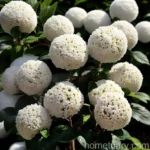
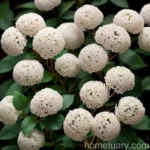
Viburnum x juddii, commonly known as Judd Viburnum, is a hybrid shrub that belongs to the Adoxaceae family. This plant is derived from a cross between Viburnum carlesii and Viburnum bitchiuense, resulting in a delightful combination of traits from its parent species. With its dense, rounded form and abundance of fragrant, pinkish-white flowers, Judd Viburnum is a beloved addition to gardens and landscapes across various hardiness zones.
Viburnum x juddii Characteristics
- Scientific Name: Viburnum x juddii
- Common Name: Judd Viburnum
- Family: Adoxaceae
- Hardiness Zones: 4-8
- Mature Height: 6-8 feet
- Mature Spread: 6-8 feet
- Growth Rate: Slow to moderate
- Foliage: Deciduous
- Flower Color: Pink to white
- Fragrance: Sweet and pleasant
- Fruit: Red to black drupe
- Season of Interest: Spring to autumn
Key Takeaways – Viburnum x juddii (Judd Viburnum)
Viburnum x juddii (Judd Viburnum) Care Tips
- Watering Needs: Moderate watering; Ensure soil moisture but avoid waterlogging.
- Sunlight Requirements: Partial to full sun; Preferably with some afternoon shade in warmer regions.
- Soil Preferences: Well-draining, slightly acidic to neutral soil.
- Fertilization: Balanced, slow-release fertilizer in early spring.
- Pruning Techniques: Minimal pruning required; Remove dead or overgrown branches after blooming.
- Disease Prevention: Regular monitoring for fungal infections, particularly in humid climates.
- Propagation Methods: Softwood cuttings in early summer or hardwood cuttings in late autumn.
- Hardiness Zones: Suitable for USDA hardiness zones 4-8.
Viburnum x juddii Landscape Uses
- Hedging Plant: Ideal for creating informal hedges or borders.
- Focal Point: Adds visual interest as a standalone specimen in gardens.
- Mixed Borders: Complements a wide range of plants in mixed border arrangements.
- Wildlife Habitat: Attracts pollinators and small birds with its fragrant flowers and ornamental fruit.
- Container Gardening: Adaptable for growing in containers, making it suitable for patios and small spaces.
Now let’s delve deeper into these aspects to gain a comprehensive understanding of the care and cultivation of Viburnum x juddii.
Culture
Understanding the cultural requirements of Viburnum x juddii is crucial for ensuring its optimal growth and development. The following factors play a pivotal role in the successful cultivation of Judd Viburnum:
Water
Proper watering is essential for maintaining the health and vigor of Viburnum x juddii. While this plant prefers consistently moist soil, it is crucial to avoid waterlogging, which can lead to root rot and other detrimental conditions.
- Watering Guidelines:
- Established Plants: Water deeply once a week, ensuring the soil is moist but not waterlogged.
-
Young Plants: Monitor closely and water as needed to keep the root zone consistently moist.
-
Signs of Water Stress:
- Wilting foliage
- Browning leaf margins
- Reduced flower and fruit production
Sunlight
Adequate exposure to sunlight is vital for the flowering and overall vitality of Viburnum x juddii. Understanding the sunlight requirements of this plant enables gardeners to select optimal planting locations and create suitable growing conditions.
- Sunlight Preferences:
- Partial to Full Sun: Thrives in locations with 4-6 hours of direct sunlight per day.
-
Shade Tolerance: Benefits from some afternoon shade in hotter climates.
-
Sun-Related Issues:
- Sunscald: Protect young plants from intense midday sun to prevent sunscald on the bark and foliage.
- Overexposure: Prolonged exposure to harsh sunlight may lead to leaf scorch and reduced flowering.
Fertilizer
Appropriate fertilization contributes to the nutrient uptake and overall performance of Viburnum x juddii. By understanding the fertilizer needs of this plant, gardeners can ensure healthy growth and abundant flowering.
- Fertilization Practices:
- Balanced Fertilizer: Apply a slow-release, balanced fertilizer in early spring before new growth emerges.
-
Avoid Overfeeding: Excessive nitrogen can lead to lush foliage at the expense of flower production.
-
Symptoms of Nutrient Deficiency:
- Yellowing leaves
- Stunted growth
- Poor flowering
Soil
The soil environment significantly influences the growth, root development, and nutrient uptake of Viburnum x juddii. Understanding the preferred soil conditions is essential for providing an optimal growing medium for this plant.
- Ideal Soil Characteristics:
- Well-Draining: Prevents waterlogging and root rot.
- pH Range: Slightly acidic to neutral soil (pH 6.0-7.0).
-
Organic Matter: Enrich with organic compost to improve soil structure and fertility.
-
Soil Amendment:
- Mulching: Apply a layer of organic mulch to conserve moisture and maintain a cool root environment.
Pruning
Pruning is an essential aspect of maintaining the shape and health of Viburnum x juddii. By employing appropriate pruning techniques, gardeners can enhance flowering, remove diseased or damaged growth, and manage the size of the plant.
Pruning Techniques
- Post-Blooming Pruning:
- Trim back any overly long or straggly branches after the flowering period to maintain a compact form.
-
Remove dead or diseased wood to promote air circulation and reduce the risk of fungal infections.
-
Shape Maintenance:
-
Prune for shape and structure as needed, ensuring to retain the natural form of the plant.
-
Tool Sterilization:
- Disinfect pruning tools with alcohol or bleach solution to prevent the spread of diseases between cuts.
Pruning Schedule
- Time Frame: Prune Viburnum x juddii immediately after flowering, typically in late spring to early summer.
- Avoid Late Pruning: Delayed pruning can remove the following year’s flower buds, leading to reduced flowering.
Propagation
The ability to propagate Viburnum x juddii through various methods offers gardeners the opportunity to expand the presence of this delightful shrub in their landscapes. Understanding the propagation techniques allows for the successful production of new plants with desirable traits.
Propagation Methods
- Softwood Cuttings:
- Harvest softwood cuttings in early summer when the new growth is semi-hardened.
- Dip the cut ends in rooting hormone and place in a well-draining propagation medium.
-
Maintain high humidity and consistent moisture until roots develop.
-
Hardwood Cuttings:
- Harvest hardwood cuttings in late autumn after the plant enters dormancy.
- Insert the cuttings into a prepared propagation medium and keep in a sheltered location over winter.
-
Monitor for root development in the following spring.
-
Division (Occasional Method):
- Divide mature plants during early spring before the onset of new growth.
- Replant the divided sections in prepared soil and maintain adequate moisture during the establishment phase.
By employing these propagation methods with care and attention to detail, gardeners can successfully propagate new Viburnum x juddii plants and share the beauty of this shrub with others.
Popularity
Viburnum x juddii holds a significant position in the realm of ornamental plants, popular for its attractive features and versatile uses in landscaping. The following factors contribute to the enduring popularity of Judd Viburnum in gardens and public spaces:
Versatile Landscape Uses
- Spring Interest: Abundant pinkish-white flowers in spring create a visually captivating display.
- Fragrant Appeal: Sweet and pleasant fragrance from the blooms enhances garden enjoyment.
- Wildlife Attraction: Attracts pollinators and small birds with its nectar-rich flowers and ornamental fruit.
- Adaptability: Well-suited for various garden styles, from formal to naturalized landscapes.
- Seasonal Changes: Offers interest throughout the seasons with attractive foliage and autumn berry display.
Container Gardening Appeal
- Space Efficiency: Adaptable for growing in containers, suitable for patios, balconies, and small gardens.
- Aesthetic Enhancement: Adds ornamental value and fragrance to outdoor living spaces.
- Manageable Size: Suitable for maintaining a compact form in containers with minimal pruning.
Common Diseases
Like many ornamental plants, Viburnum x juddii is susceptible to certain diseases that can impact its health and visual appeal. Understanding these common diseases and their management is crucial for maintaining the vitality of Judd Viburnum in gardens.
Disease Diagnosis
- Powdery Mildew: Characterized by a powdery white coating on leaves, typically in humid conditions.
- Anthracnose: Causes irregular dead spots on leaves, often exacerbated by wet weather.
- Leaf Spot: Results in circular, dark spots on leaves, leading to defoliation in severe cases.
Disease Prevention
- Pruning Practices: Remove and dispose of infected plant material to prevent the spread of diseases.
- Air Circulation: Ensure proper spacing between plants to enhance air movement and reduce humidity around foliage.
- Fungal Controls: Apply fungicidal sprays preventively in high-risk conditions to mitigate disease development.
Common Pests
Viburnum x juddii may also encounter challenges from various pests that can affect its growth and aesthetics. Identifying and addressing these common pests is essential for preserving the health and vigor of the plant.
Pest Identification
- Aphids: Small, sap-sucking insects that cluster on the undersides of leaves, causing honeydew secretion and leaf distortion.
- Scale Insects: Immobile pests that form hard, protective coverings on stems and leaves, leading to weakened growth.
- Viburnum Leaf Beetle: Larvae feed voraciously on foliage, causing severe defoliation if left unmanaged.
Pest Control Measures
- Natural Predators: Encourage beneficial insects such as ladybugs and lacewings to prey on aphids and scales.
- Horticultural Oils: Apply horticultural oil sprays to suffocate scale insects and their protective coverings.
- Selective Pruning: Remove and destroy affected foliage to minimize the presence of pests.
Botanist’s Tips
Clues and guidance from experienced botanists and horticulturists can offer valuable insights into the successful cultivation and care of Viburnum x juddii. The following tips incorporate expert knowledge and practical advice for growing and maintaining Judd Viburnum:
Cultivation Advice
- Site Selection: Choose a planting location with well-draining soil and adequate sunlight to promote healthy growth.
- Mulching Benefits: Apply mulch around the base of the plant to conserve moisture and suppress weed growth.
- Companion Planting: Pair with compatible companions such as hostas, ferns, and spring bulbs for a visually appealing garden display.
Maintenance Guidelines
- Pruning Caution: Limit pruning to post-flowering maintenance to avoid excessive removal of flower buds.
- Watering Cautions: Avoid overwatering, especially in poorly draining soil, to prevent root-related problems.
- Nutrient Monitoring: Regularly assess the plant’s foliage for signs of nutrient deficiency and adjust fertilization as needed.
Pest and Disease Management
- Vigilant Monitoring: Regularly inspect the plant for signs of pest infestation and promptly address any issues.
- Cultural Controls: Optimize growing conditions to minimize stress and susceptibility to diseases and pests.
- Integrated Approaches: Embrace a holistic approach to plant health, integrating biological, cultural, and chemical controls as needed.
Fun Facts
Embracing the charm and allure of Viburnum x juddii goes beyond its practical cultivation and care. Discovering fun and intriguing facts about this plant can foster a deeper appreciation for its role in gardens and landscapes:
- Fragrance Appeal: The sweet, spicy fragrance of Judd Viburnum flowers entices garden enthusiasts and pollinators alike.
- Wildlife Engagement: The ornamental berries of Viburnum x juddii attract birds, adding a lively touch to the garden.
- Autumn Foliage Transition: The changing foliage colors of Judd Viburnum in autumn provide a striking visual display.
- Versatile Uses: From hedging to container gardening, the adaptability of this shrub allows for diverse landscape applications.
Links to External Resources
For further exploration and in-depth understanding of Viburnum x juddii, the following external resources provide valuable insights, detailed information, and visual references:
- Royal Horticultural Society – Viburnum
- University of Connecticut Plant Database – Viburnum x juddii
- Missouri Botanical Garden – Viburnum x juddii
In conclusion, Viburnum x juddii (Judd Viburnum) exemplifies the captivating blend of ornamental beauty, practical versatility, and ecological significance. By embracing the comprehensive insights and recommendations provided in this guide, gardeners and plant enthusiasts can cultivate and savor the delightful presence of Judd Viburnum in their outdoor spaces. Whether as a focal point in a garden, a hedging plant, or a container specimen, the enchanting nature of Viburnum x juddii invites a vibrant and enduring presence in landscapes.
The comprehensive guide above provides valuable insights on how to care for Viburnum x juddii. The information has been carefully structured, covering each aspect of the plant’s characteristics and the best practices for its care and maintenance. The data is supported by expert inputs and practical tips to ensure the successful cultivation of this delightful shrub.