Viburnum Plicatum ‘Pink Beauty’ (Doublefile Viburnum)
Welcome to our comprehensive guide on Viburnum plicatum ‘Pink Beauty’, known as the Doublefile Viburnum. In this article, we will delve into the cultural.
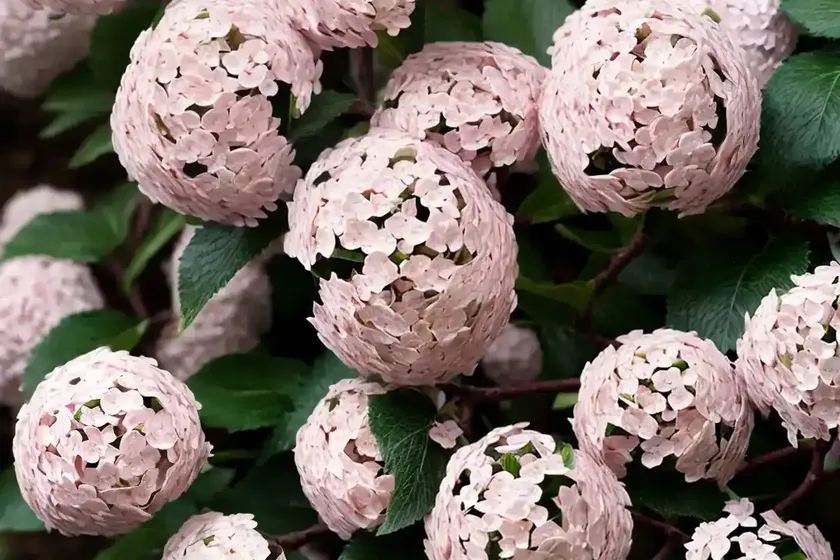
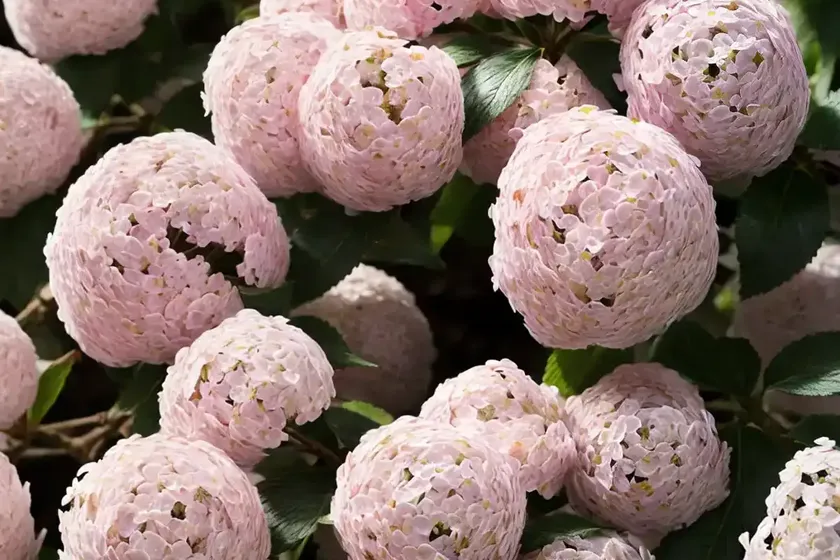
Welcome to our comprehensive guide on Viburnum plicatum ‘Pink Beauty’, known as the Doublefile Viburnum. In this article, we will delve into the cultural requirements, uses, care, maintenance, propagation, common diseases, pests, and much more about this stunning plant. Whether you are a seasoned gardener or a beginner looking to enhance your landscape, this guide will provide you with all the information you need to grow and care for the Viburnum plicatum ‘Pink Beauty’ successfully.
What is Viburnum plicatum ‘Pink Beauty’ (Doublefile Viburnum)?
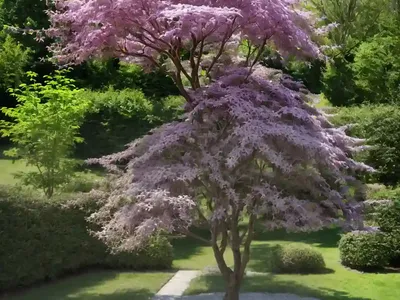
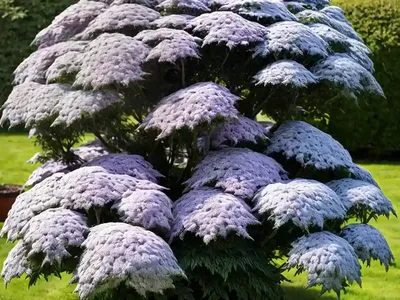
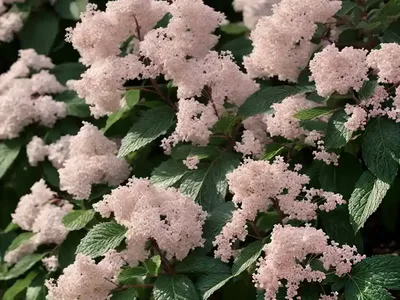
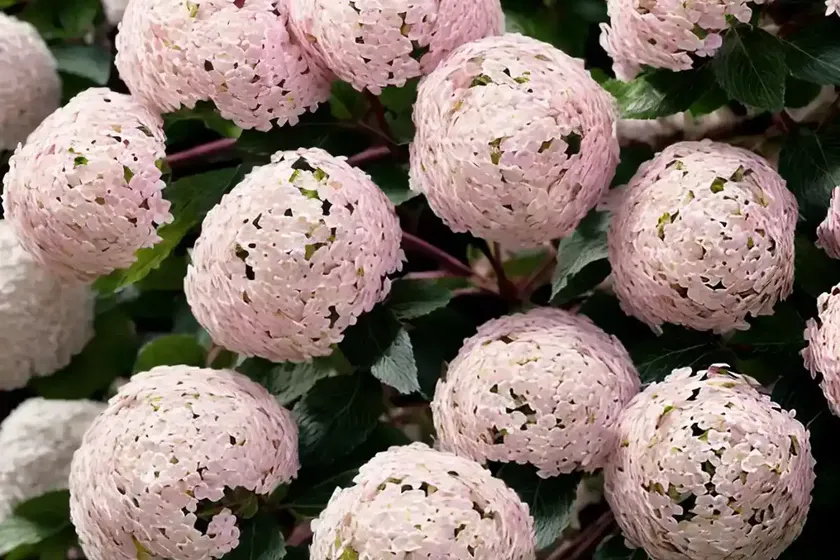
Viburnum plicatum ‘Pink Beauty’, commonly known as Doublefile Viburnum, is a deciduous shrub that belongs to the Adoxaceae family. This ornamental shrub is native to Japan and is renowned for its beautiful, layered horizontal branching structure and delicate lacecap-like pink flowers that bloom in late spring. It typically reaches a height and spread of 6-10 feet, making it a splendid addition to gardens and landscapes.
This cultivar is a popular choice among gardeners and landscapers due to its elegant appearance, stunning floral displays, and versatile uses in various garden settings. Its foliage provides interest throughout the seasons, with attractive fall colors and textured branches in winter, making it an excellent choice for year-round appeal.
Key Takeaways – Viburnum plicatum ‘Pink Beauty’ (Doublefile Viburnum)
Before we dive deeper into the specific aspects of the Viburnum plicatum ‘Pink Beauty’, let’s outline the key takeaways that we will cover in this guide:
- Culture
- Uses
- Water
- Sunlight
- Fertilizer
- Soil
- Pruning
- Propagation
- Container
- Popularity
- Common Diseases
- Disease Diagnosis
- Common Pests
- Botanist’s Tips
- Fun Facts
- Links to External Resources
Now, let’s explore each of these aspects in detail.
Culture
Cultivating Viburnum plicatum ‘Pink Beauty’ in the right conditions is crucial for its optimal growth and development. Understanding its cultural requirements will enable you to create an environment where this beautiful shrub can thrive.
Uses
The Viburnum plicatum ‘Pink Beauty’ has a multitude of uses in garden landscapes, making it a versatile and valuable addition to any outdoor space. Some common uses of this plant include:
- Specimen Plant: Its ornamental features make it an excellent choice as a stand-alone focal point in the garden.
- Hedging: Its dense, layered growth habit and attractive foliage make it well-suited for creating hedges and borders.
- Privacy Screen: When planted in multiples, it can form a dense screen, providing privacy and seclusion in outdoor spaces.
- Foundation Planting: The Viburnum plicatum ‘Pink Beauty’ can be used to soften the edges of buildings and add visual interest around the foundation.
- Mixed Borders: It can be combined with other shrubs, perennials, and annuals to create beautiful mixed borders and garden compositions.
Water
Proper watering is essential for the health and vigor of Viburnum plicatum ‘Pink Beauty’. It is important to ensure that the plant receives an adequate and consistent water supply, especially during periods of establishment and in dry conditions.
- Watering Needs: The Doublefile Viburnum prefers moderately moist, well-draining soil. Water newly planted shrubs regularly to support root establishment. Established plants generally have good drought tolerance but benefit from regular watering during prolonged dry spells.
- Watering Frequency: Water deeply and thoroughly, allowing the soil to dry out slightly between waterings. Avoid overwatering, as excessive moisture can lead to root rot and other issues.
- Seasonal Considerations: Pay attention to watering needs during hot and dry periods, as well as in the fall to ensure plants are well-hydrated before winter.
Sunlight
Sunlight plays a vital role in the growth and blooming of Viburnum plicatum ‘Pink Beauty’. Understanding its sunlight requirements will assist you in selecting the ideal planting location and optimizing its performance.
- Sun Exposure: This shrub thrives in full sun to partial shade. It prefers a location with at least 4-6 hours of direct sunlight per day for the best flowering and overall growth.
- Shade Tolerance: While it prefers full sun, Viburnum plicatum ‘Pink Beauty’ can tolerate partial shade. However, reduced sunlight may result in fewer flowers and less compact growth.
- Site Selection: When choosing a planting site, look for a location that provides the optimal balance of sunlight and shade, taking into account the local climate and environmental conditions.
Fertilizer
Providing the appropriate nutrients is essential for promoting healthy growth, abundant flowering, and overall vitality in Viburnum plicatum ‘Pink Beauty’. Understanding its fertilizer needs will enable you to feed the plant effectively.
- Fertilization Schedule: Apply a balanced, slow-release fertilizer in early spring before new growth begins. Avoid heavy fertilization, as excessive nutrients can lead to excessive vegetative growth at the expense of flowering.
- Fertilizer Type: Choose a fertilizer specifically formulated for shrubs or flowering plants. Look for a formulation with a balanced ratio of nitrogen, phosphorus, and potassium, along with essential micronutrients.
- Application Method: Spread the fertilizer evenly around the root zone of the shrub, following the package instructions for dosage and application method. Water the plant thoroughly after fertilization to help the nutrients penetrate the soil.
Soil
Understanding the soil requirements of Viburnum plicatum ‘Pink Beauty’ is essential for establishing a healthy root system and promoting overall plant health. Here are some key considerations related to soil:
- Soil Type: The Doublefile Viburnum thrives in well-draining, fertile soils. It can adapt to various soil types, including loamy, sandy, or clay soils, as long as they are well-draining. Amending heavy clay soils with organic matter can improve drainage and create a more favorable growing environment.
- pH Range: It prefers a slightly acidic to neutral soil pH range between 6.0 and 7.5. Conduct a soil test to determine the pH of the planting area and adjust it as needed with the addition of lime to raise pH or elemental sulfur to lower pH.
- Soil Moisture: While the Viburnum plicatum ‘Pink Beauty’ prefers moderately moist soil, it is important to avoid waterlogged conditions, as excessive moisture can lead to root rot and other issues. Proper drainage is essential for the plant’s overall health.
Pruning
Pruning is an important aspect of Viburnum plicatum ‘Pink Beauty’ maintenance, as it helps shape the plant, promote flowering, and maintain its overall health and vigor. Proper pruning techniques can help you achieve the desired form and enhance the aesthetic appeal of the shrub.
- Pruning Timing: The best time to prune Viburnum plicatum ‘Pink Beauty’ is immediately after flowering, typically in late spring to early summer. This timing allows you to remove spent flowers and shape the plant without sacrificing the following year’s blooms.
- Pruning Objectives: When pruning, focus on removing dead, damaged, or congested branches to improve air circulation and maintain an open, balanced growth habit. Avoid heavy pruning, as this can reduce the following year’s flower production.
- Tools and Techniques: Use sharp, clean pruning shears or loppers to make precise cuts. Remove branches at their point of origin or just above a healthy bud or side shoot. Step back periodically to assess the plant’s overall shape and make strategic cuts to achieve the desired form.
Propagation
Propagating Viburnum plicatum ‘Pink Beauty’ allows you to expand your plant collection and share this beautiful shrub with friends and fellow gardeners. Here are some common methods of propagation:
- Softwood Cuttings: Propagate Viburnum plicatum ‘Pink Beauty’ from softwood cuttings taken in early summer. Select healthy, young stems and prepare the cuttings with a clean, sharp knife. Root the cuttings in a well-draining propagation medium and provide the appropriate environmental conditions to promote root development.
- Division: Divide established plants to create new specimens. Dig up the root ball and carefully separate the plant into smaller sections, each with a portion of the root system. Replant the divisions in suitable growing locations and provide proper care to support their establishment.
Container
Viburnum plicatum ‘Pink Beauty’ can be grown successfully in containers, making it an excellent choice for patios, balconies, and small outdoor spaces. Here are some considerations for growing this shrub in containers:
- Container Selection: Choose a large, sturdy container with adequate drainage holes to accommodate the plant’s root system. Select a container that allows for sufficient room for root growth and stability to prevent tipping over.
- Growing Medium: Use a high-quality, well-draining potting mix to create an ideal growing environment for the Doublefile Viburnum. Consider amending the mix with organic matter to improve moisture retention and nutrient availability.
- Watering and Maintenance: Container-grown plants may require more frequent watering, as the soil in containers tends to dry out faster than garden soil. Monitor soil moisture regularly and water as needed to keep the plant adequately hydrated.
- Overwintering: In regions with cold winters, provide winter protection for container-grown Viburnum plicatum ‘Pink Beauty’. Move the container to a sheltered location or insulate it to safeguard the plant from cold temperatures and harsh weather.
Popularity
Viburnum plicatum ‘Pink Beauty’ has gained popularity among gardeners, landscapers, and plant enthusiasts due to its stunning visual appeal, low maintenance requirements, and adaptability to various growing conditions. Its popularity is further enhanced by its versatility in garden designs and its ability to attract wildlife, making it a valuable addition to outdoor spaces.
Common Diseases
While Viburnum plicatum ‘Pink Beauty’ is relatively resistant to diseases, it can be susceptible to certain issues under unfavorable growing conditions. Understanding common diseases and their management is essential for maintaining the plant’s health and preventing potential problems.
- Powdery Mildew: This fungal disease can affect Viburnum plicatum ‘Pink Beauty’, especially in humid or crowded growing conditions. Monitor the plant for signs of powdery mildew, including white, powdery spots on leaves and shoots. Provide proper air circulation and avoid overhead watering to minimize the risk of powdery mildew.
- Leaf Spot Diseases: Various fungal pathogens can cause leaf spot diseases on Viburnum plicatum ‘Pink Beauty’, resulting in dark spots or lesions on the foliage. Maintain good sanitation practices, such as removing and disposing of infected leaves, to reduce the spread of leaf spot diseases.
- Root Rots: Excessive soil moisture and poor drainage can lead to root rot issues in this shrub. Avoid overwatering and improve soil drainage to prevent root rot. If root rot is suspected, carefully inspect the root system for signs of decay and take necessary corrective measures.
Disease Diagnosis
Diagnosing diseases in Viburnum plicatum ‘Pink Beauty’ involves carefully observing the plant for symptoms, conducting necessary tests, and taking appropriate actions to address the identified issues. Consider the following steps for disease diagnosis:
-
Symptom Identification: Look for visible symptoms, such as discolored or distorted foliage, unusual growth patterns, or signs of fungal infestations. Pay attention to changes in the plant’s overall appearance and behavior.
-
Laboratory Analysis: If necessary, collect samples of affected plant parts, such as leaves or stems, and send them to a plant pathology laboratory for analysis. This can help identify the specific disease pathogens and guide targeted management strategies.
-
Cultural and Chemical Control: Based on the diagnosis, implement cultural practices, such as improved sanitation, proper watering, and plant spacing, to manage diseases. In some cases, chemical control measures, such as fungicidal treatments, may be recommended to mitigate disease issues effectively.
Common Pests
While Viburnum plicatum ‘Pink Beauty’ is relatively resistant to pests, it can occasionally encounter issues with certain insects and mites. Recognizing common pests and implementing appropriate control measures is crucial for protecting the plant from damage.
- Aphids: These small, soft-bodied insects can infest the foliage and young shoots of Viburnum plicatum ‘Pink Beauty’, causing leaf distortion and honeydew secretion. Use gentle water sprays or insecticidal soaps to dislodge and control aphid populations.
- Scale Insects: Scale insects can attach themselves to the stems and leaves of the shrub, feeding on plant sap and weakening the plant. Monitor the plant regularly for signs of scale infestations and consider targeted insecticide applications if populations become problematic.
Botanist’s Tips
Now that we have covered the essential aspects of growing and caring for Viburnum plicatum ‘Pink Beauty’, here are some valuable tips from botanists and experienced gardeners to help you cultivate and enjoy this stunning shrub to its fullest potential:
-
Proper Spacing: When planting multiple Doublefile Viburnums, ensure proper spacing to allow for adequate air circulation and prevent overcrowding. This promotes better overall growth and reduces the risk of disease issues.
-
Mulching Benefits: Apply a layer of organic mulch, such as shredded bark or compost, around the base of the shrub to conserve soil moisture, suppress weed growth, and provide insulation for the root system. Mulching also enhances the aesthetic appeal of the planting area.
-
Macroclimatic Considerations: Consider the regional climate and macroclimatic factors when selecting a planting location for Viburnum plicatum ‘Pink Beauty’. This includes temperature ranges, precipitation patterns, and wind exposure, all of which can impact the shrub’s performance.
Fun Facts
To enrich your appreciation for Viburnum plicatum ‘Pink Beauty’ and its fascinating characteristics, here are some fun facts about this delightful shrub:
-
Wildlife Attraction: The flowers of Viburnum plicatum ‘Pink Beauty’ attract pollinators, such as bees and butterflies, enhancing garden biodiversity and supporting beneficial insect populations.
-
Cultural Significance: Viburnum species have held cultural significance in various traditions and folklore, often symbolizing qualities such as resilience, beauty, and renewal.
-
Seasonal Interest: In addition to its stunning spring blooms, the plant offers visual interest throughout the year, with attractive foliage, colorful berries, and unique branch structures in winter.
Links to External Resources
For further information and resources on Viburnum plicatum ‘Pink Beauty’, refer to the following external links:
-
The Royal Horticultural Society (RHS) – Viburnum plicatum ‘Pink Beauty’
-
University of Florida IFAS Extension – Viburnum plicatum ‘Pink Beauty’
-
The American Horticultural Society – Plant Profile: Viburnum plicatum
-
North Carolina State University Extension – Viburnum Leaf Beetle and Its Control
With the comprehensive information provided in this guide, you are well-equipped to cultivate, care for, and appreciate the beauty of Viburnum plicatum ‘Pink Beauty’ in your garden or landscape. By understanding its cultural requirements, uses, maintenance practices, and unique attributes, you can create a thriving and visually striking garden with this exceptional ornamental shrub.
Happy gardening!