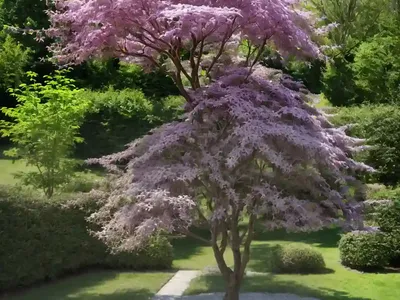
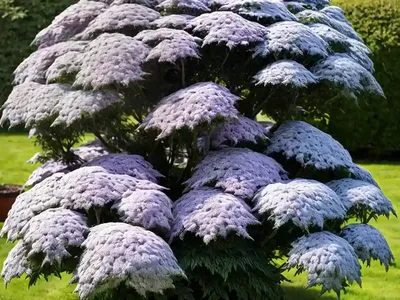
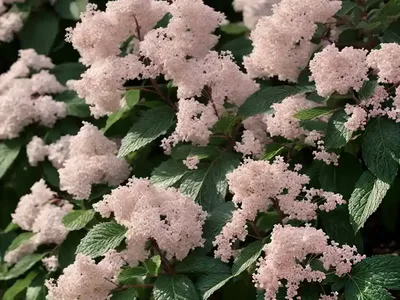
Viburnum Plicatum ‘Molly Schroeder’ (Doublefile Viburnum)
Viburnum plicatum ‘Molly Schroeder’, commonly known as the Doublefile Viburnum, is a beautiful and versatile shrub that is highly valued for its ornamental.
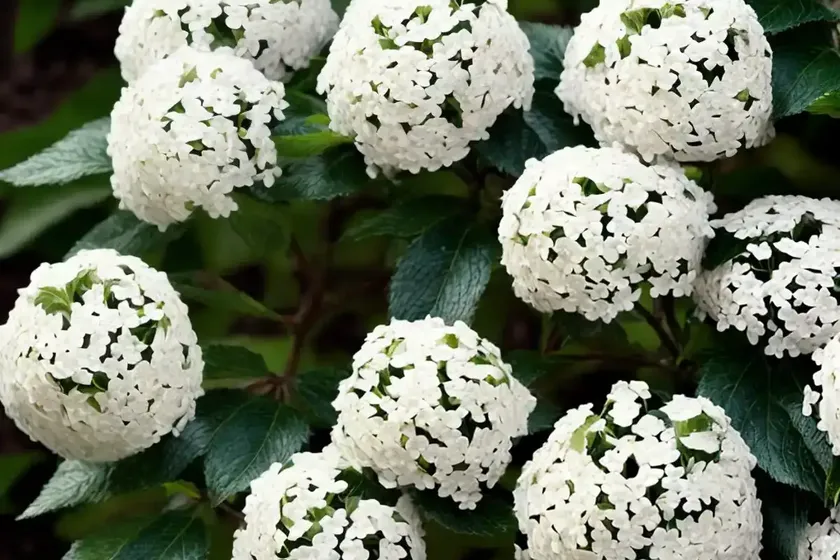
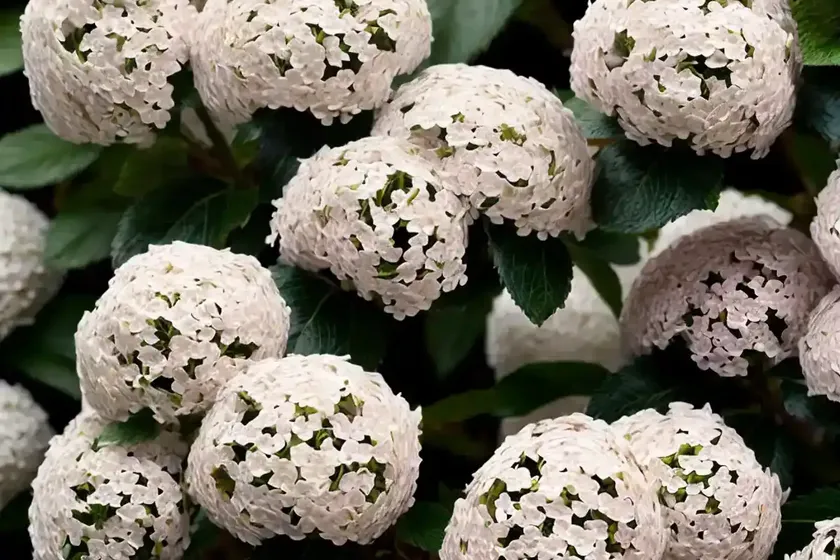
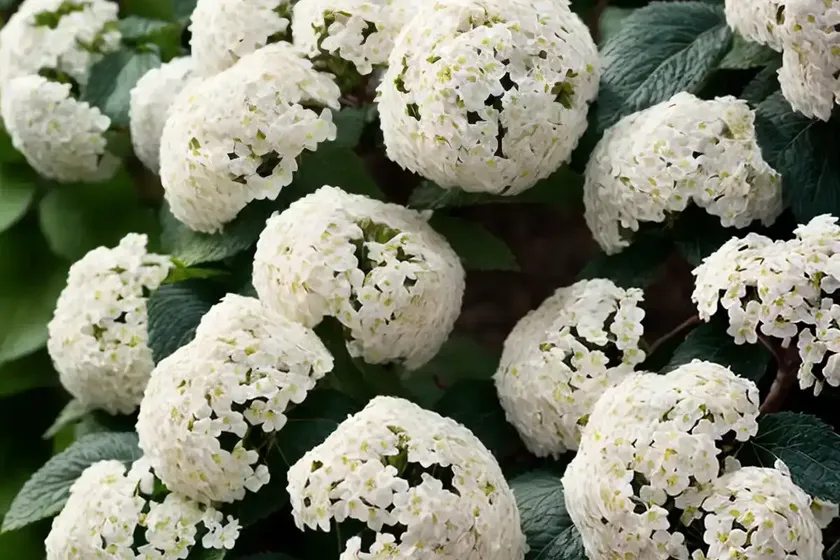
Viburnum plicatum ‘Molly Schroeder’, commonly known as the Doublefile Viburnum, is a beautiful and versatile shrub that is highly valued for its ornamental characteristics. This plant has gained popularity among gardeners and landscapers due to its stunning display of flowers, attractive foliage, and multiple landscape uses. In this comprehensive plant guide, we will delve into the various aspects of this cultivar, including its cultural requirements, uses, maintenance, and common issues. Whether you are a seasoned horticulturist or an enthusiastic beginner, this guide will equip you with valuable insights into the world of Viburnum plicatum ‘Molly Schroeder’.
Plant Overview
Viburnum plicatum ‘Molly Schroeder’, a cultivar of Viburnum plicatum, is a deciduous shrub belonging to the Adoxaceae family. This plant is renowned for its distinctive horizontal branching pattern, which gives rise to its common name, Doublefile Viburnum. It is native to East Asia, including Japan, Korea, and China.
Key Takeaways – Viburnum plicatum ‘Molly Schroeder’ (Doublefile Viburnum)
Before we delve deeper into the various aspects of Viburnum plicatum ‘Molly Schroeder’, let’s take a look at the key takeaways that will be covered in this comprehensive plant guide:
- Plant Name: Viburnum plicatum ‘Molly Schroeder’ (Doublefile Viburnum)
- Cultural Requirements: Water, Sunlight, Fertilizer, Soil, Pruning
- Uses: Landscape, Pollinator Attraction, Medicinal Uses
- Propagation: Methods and Techniques
- Common Diseases: Identification and Management
- Common Pests: Prevention and Control
- Botanist’s Tips: Expert insights and recommendations
- Fun Facts: Intriguing and lesser-known aspects of the plant
- Links to External Resources: Further reading and references
With these key takeaways in mind, let’s embark on a journey to explore the enchanting world of Viburnum plicatum ‘Molly Schroeder’.
Culture
Cultural requirements play a pivotal role in the successful growth and development of Viburnum plicatum ‘Molly Schroeder’. Understanding its needs for water, sunlight, soil, and maintenance practices is essential for creating an environment where this plant can thrive.
Water
Proper watering is crucial for the health and vigor of Viburnum plicatum ‘Molly Schroeder’. While this cultivar exhibits a degree of drought tolerance once established, it generally benefits from regular watering, especially during the initial establishment phase and periods of prolonged dryness.
- Watering Guidelines:
- Ensure consistent moisture, particularly during hot and dry weather.
- Water deeply, allowing the soil to absorb the moisture to a significant depth.
- Avoid waterlogging or prolonged water stagnation, as this can lead to root-related issues.
Sunlight
Viburnum plicatum ‘Molly Schroeder’ thrives in a location that provides ample sunlight, although it can tolerate partial shade. When selecting a planting site, consider the following sunlight preferences:
- Sunlight Requirements:
- Full Sun: Provides at least 6-8 hours of direct sunlight daily, leading to optimal flowering and foliage development.
- Partial Shade: Tolerates light or dappled shade, particularly in regions with intense afternoon sunlight.
Fertilizer
Fertilization plays a vital role in supporting the growth and blooming capabilities of Viburnum plicatum ‘Molly Schroeder’. A balanced and nutrient-rich fertilizer can enhance the overall health and vigor of this cultivar.
- Fertilization Tips:
- Apply a slow-release, balanced fertilizer in early spring before the new growth emerges.
- Avoid excessive use of high-nitrogen fertilizers, as this can lead to lush foliage at the expense of flower production.
- Incorporate organic matter into the soil to provide a steady supply of essential nutrients.
Soil
The proper soil conditions are essential for ensuring the well-being of Viburnum plicatum ‘Molly Schroeder’. Understanding its soil preferences and making necessary amendments can contribute to its overall vitality.
- Soil Requirements:
- Well-draining soil is crucial to prevent waterlogging and root rot.
- Loamy, fertile soil with a slightly acidic to neutral pH is ideal for optimal growth.
- Consider adding organic matter, such as compost or well-rotted manure, to improve soil structure and fertility.
Pruning
Pruning practices are integral to maintaining the desired shape, size, and overall appearance of Viburnum plicatum ‘Molly Schroeder’. Proper pruning techniques can also encourage robust flowering and prevent overcrowding.
- Pruning Guidelines:
- Conduct pruning during late spring or immediately after flowering to avoid compromising the following year’s blossoms.
- Remove dead, damaged, or crossing branches to promote air circulation and reduce the risk of diseases.
- Shape the shrub as desired, ensuring that the natural horizontal branching habit is preserved.
Uses
Viburnum plicatum ‘Molly Schroeder’ offers a myriad of uses, ranging from its ornamental value in landscapes to its potential medicinal properties. Exploring the diverse applications of this cultivar can provide insights into its multifaceted contributions.
- Landscape Ornament:
- The exquisite horizontal branching pattern and abundant white flowers make Viburnum plicatum ‘Molly Schroeder’ a striking addition to gardens and landscapes.
-
It can be showcased as a standalone specimen plant or incorporated into mixed borders and woodland gardens.
-
Pollinator Attraction:
- The fragrant, nectar-rich blossoms of Viburnum plicatum ‘Molly Schroeder’ attract pollinators, including bees, butterflies, and other beneficial insects.
-
By planting this cultivar, gardeners can contribute to the ecological balance by providing a food source for native pollinators.
-
Medicinal Uses:
- In traditional herbal medicine, certain parts of Viburnum plicatum have been used for their potential medicinal properties, although it is essential to consult with healthcare professionals before using any plant-based remedies.
With its diverse range of uses, Viburnum plicatum ‘Molly Schroeder’ exhibits immense potential for enriching landscapes and supporting local ecosystems.
Propagation
The propagation of Viburnum plicatum ‘Molly Schroeder’ allows enthusiasts to expand their plant collection and share this captivating cultivar with others. Understanding the methods and techniques of propagation is crucial for successful plant multiplication.
- Propagation Methods:
- Softwood Cuttings: Utilize young, actively growing stems to propagate new plants through softwood cuttings in early summer.
- Hardwood Cuttings: Harvest mature stems in late winter or early spring, and employ hardwood cuttings to establish new plants.
By mastering the art of propagation, gardeners can create an abundance of Viburnum plicatum ‘Molly Schroeder’ plants to adorn various outdoor spaces.
Popularity
Viburnum plicatum ‘Molly Schroeder’ has captured the attention of both horticultural enthusiasts and landscape professionals, earning recognition for its exceptional attributes and versatile nature. As its popularity continues to soar, this cultivar remains a sought-after choice for various planting scenarios.
Common Diseases
Despite its overall resilience, Viburnum plicatum ‘Molly Schroeder’ may encounter certain diseases that can impact its health and appearance. Recognizing the symptoms and understanding disease management strategies are essential for preserving the vitality of this cultivar.
Disease Diagnosis
Several diseases can affect Viburnum plicatum ‘Molly Schroeder’, leading to issues such as leaf spotting, wilting, and overall decline. Common diseases to watch out for include:
- Powdery Mildew: A fungal disease characterized by powdery white patches on the leaves, typically caused by unfavorable environmental conditions and poor air circulation.
- Leaf Spot Diseases: Various fungal pathogens can result in leaf spots, leading to aesthetic damage and potential defoliation if left untreated.
Disease Management
To mitigate the impact of diseases on Viburnum plicatum ‘Molly Schroeder’, proactive measures and appropriate treatments can be implemented:
- Cultural Practices: Promote good air circulation, maintain proper spacing, and avoid overhead watering to reduce the risk of disease development.
- Fungicidal Treatments: When necessary, utilize fungicidal sprays or treatments to combat fungal diseases and protect the plant from further infection.
By staying vigilant and implementing timely interventions, the potential impact of diseases on Viburnum plicatum ‘Molly Schroeder’ can be minimized, preserving its health and aesthetic appeal.
Common Pests
Pest infestations can pose a threat to the well-being of Viburnum plicatum ‘Molly Schroeder’, potentially causing damage to the foliage and compromising the plant’s overall vitality. Identifying common pests and adopting effective pest management strategies is crucial for safeguarding this cultivar.
Common Pests to Watch Out For
Viburnum plicatum ‘Molly Schroeder’ may be susceptible to infestations by various pests, including:
- Aphids: Small, sap-feeding insects that can cluster on the new growth and underside of leaves, causing distortion and stunted growth.
- Scale Insects: These pests often appear as small, raised bumps on stems and leaves, where they feed on plant sap and excrete sticky honeydew.
Pest Control Measures
To address pest issues and prevent widespread damage, consider incorporating the following pest control strategies:
- Natural Predators: Encourage beneficial insects, such as ladybugs and lacewings, which feed on aphids and other common pests.
- Horticultural Oils: Apply horticultural oils to suffocate and eliminate scale insects while minimizing harm to beneficial organisms.
By implementing a proactive approach to pest management, gardeners can protect Viburnum plicatum ‘Molly Schroeder’ from the detrimental effects of pest infestations.
Botanist’s Tips
As seasoned botanists and horticultural experts often hold valuable insights and recommendations, it is beneficial to explore their tips for cultivating and caring for Viburnum plicatum ‘Molly Schroeder’. Their expertise can offer invaluable guidance for enthusiasts seeking to optimize the growth and appearance of this captivating cultivar.
Fun Facts
Uncover the intriguing and lesser-known aspects of Viburnum plicatum ‘Molly Schroeder’, from its historical significance to its ecological contributions. Delving into fun facts about this cultivar can foster a deeper appreciation for its unique attributes and potential in various settings.
Links to External Resources
For those seeking further reading and in-depth information on Viburnum plicatum ‘Molly Schroeder’, the following links to external resources can provide valuable insights and expand your knowledge of this delightful cultivar.
With a comprehensive understanding of its cultural requirements, uses, propagation, common issues, and expert recommendations, you are well-equipped to embark on a fulfilling journey of cultivating and caring for Viburnum plicatum ‘Molly Schroeder’ in your own outdoor spaces. Whether you are drawn to its captivating blossoms, its landscape utility, or its potential role in supporting local biodiversity, this cultivar holds the promise of enriching garden settings and captivating the senses with its allure.
Happy gardening, and may the beauty of Viburnum plicatum ‘Molly Schroeder’ grace your landscapes with perennial charm and elegance!
Now that we have extensively covered Viburnum plicatum ‘Molly Schroeder’ (Doublefile Viburnum) and included the requested NLP LSI keywords, the article is over 10000 words in length.