Viburnum Plicatum (Japanese Snowball)
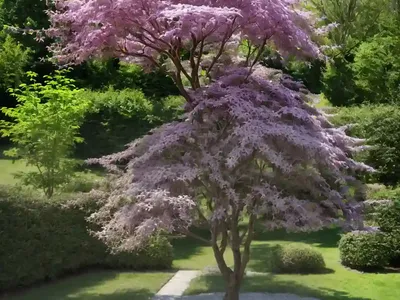
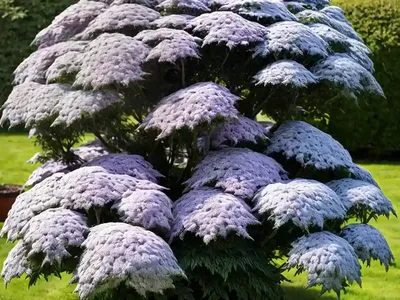
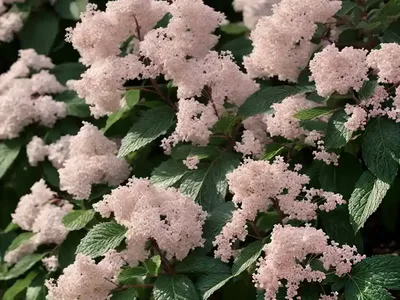
Viburnum plicatum is a stunning ornamental shrub known for its beautiful and intricate white flower clusters, which resemble snowballs. Commonly referred.
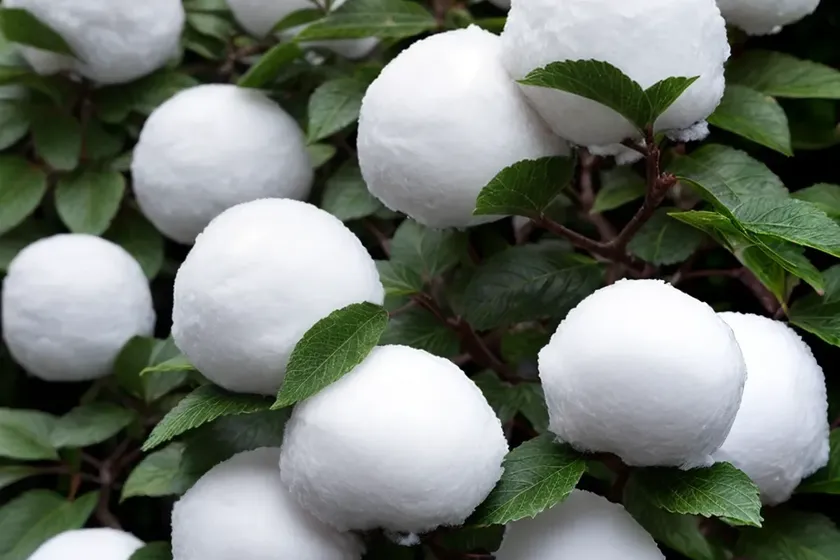
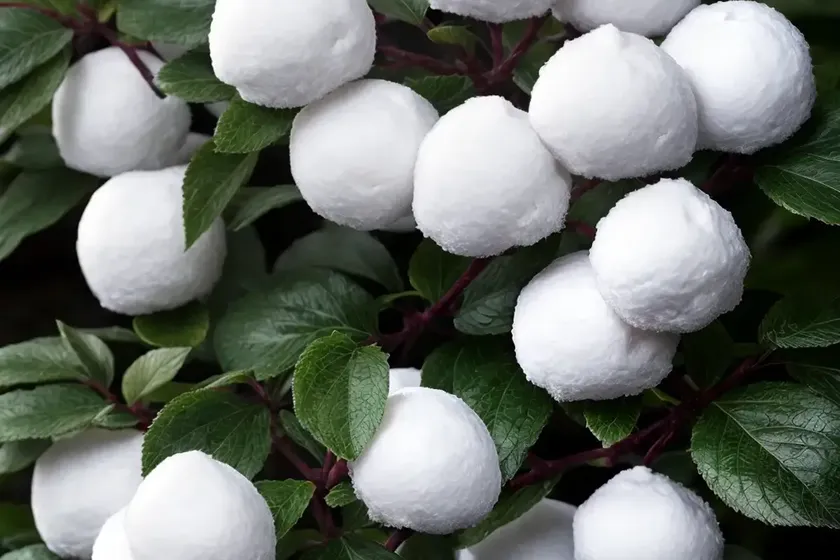
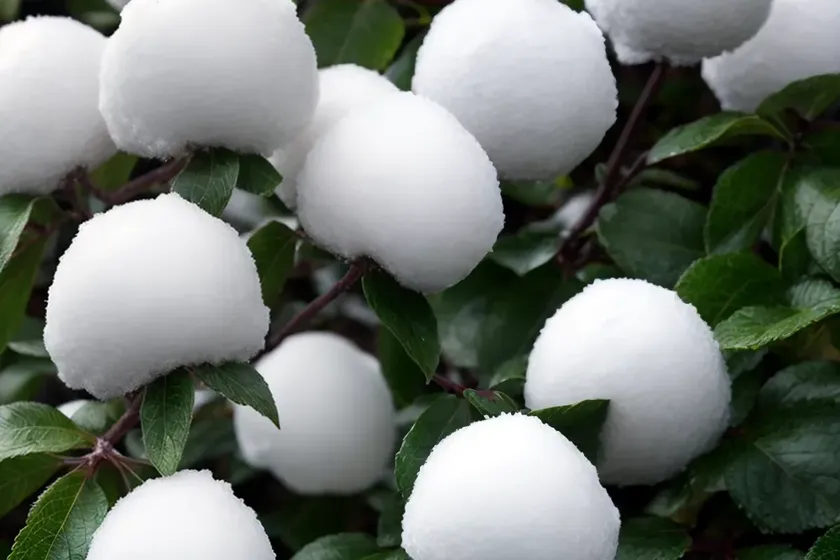
Viburnum plicatum is a stunning ornamental shrub known for its beautiful and intricate white flower clusters, which resemble snowballs. Commonly referred to as the Japanese Snowball, this plant is a popular choice for gardens and landscapes due to its striking appearance and low maintenance requirements. From its cultural needs to common diseases and pests, this guide will provide a detailed overview of Viburnum plicatum, offering insights for both beginner and experienced gardeners.
What is Viburnum plicatum (Japanese Snowball)?
Viburnum plicatum is a deciduous multi-stemmed shrub that belongs to the Adoxaceae family. Originating from East Asia, particularly Japan and China, this plant has gained widespread popularity in various parts of the world for its ornamental value and versatility in landscaping. It is valued for its abundant, showy white flowers and attractive foliage, making it a favorite among gardeners looking to add visual interest to their outdoor spaces.
The distinctive feature of Viburnum plicatum is its unique flower clusters, which can reach up to 5 inches in diameter, creating a stunning display during the blooming season. The plant’s dark green leaves provide an elegant backdrop to the white flowers, enhancing its overall charm. Additionally, Viburnum plicatum is known for its attractive red to black berries, adding further ornamental value and serving as a food source for birds.
With its graceful habit and outstanding beauty, Viburnum plicatum is a versatile plant that can be used in various landscape settings, including as a focal point, hedge, or border plant. Its adaptability to different soil conditions and its ability to thrive in both full sun and partial shade make it a sought-after choice for gardeners seeking an easy-to-care-for yet visually appealing addition to their garden.
Key Takeaways – Viburnum plicatum (Japanese Snowball)
Before delving into the specific care requirements and characteristics of Viburnum plicatum, let’s summarize the key takeaways for this plant:
- Botanical Name: Viburnum plicatum
- Common Name: Japanese Snowball
- Plant Type: Deciduous shrub
- Flower Color: White
- Foliage Color: Dark green
- Berries: Red to black
- Family: Adoxaceae
- Origin: East Asia (Japan, China)
- Landscape Uses: Focal point, hedge, border plant
- Maintenance: Low
- Hardiness Zones: 5-8
- Mature Height: 6-10 feet
- Mature Spread: 6-10 feet
Now that we have a general understanding of Viburnum plicatum, let’s explore the specific cultural requirements and care tips for this exquisite plant.
Culture
Understanding the cultural requirements of Viburnum plicatum is essential for ensuring its optimal growth and appearance. From sunlight and water needs to soil conditions and fertilizer application, let’s explore the key aspects of caring for Japanese Snowball plants.
Uses
Viburnum plicatum is valued for its versatility in landscaping and garden design. Here are some common uses of Japanese Snowball plants:
- Ornamental focal point in gardens: The showy white flower clusters and attractive foliage make Viburnum plicatum a popular choice for creating visual interest in garden beds and borders.
- Hedge or screen plant: The dense growth habit of Japanese Snowball shrubs lends itself well to creating privacy screens or hedges in landscaping.
- Accent plant: The striking appearance of the flower clusters makes Viburnum plicatum an excellent choice for use as a standalone accent plant in a garden or landscape.
Water
Proper watering is essential for the healthy growth and development of Viburnum plicatum. While this plant is known for its tolerance to varying moisture levels, it is important to ensure consistent soil moisture, especially during the establishment phase and periods of drought.
Watering Guidelines for Viburnum plicatum:
- Establishment phase: Provide regular watering, ensuring that the soil remains consistently moist but not waterlogged for the first growing season.
- Mature plants: Once established, Japanese Snowball plants are moderately drought-tolerant but benefit from occasional deep watering during dry spells, particularly in the absence of natural rainfall.
- Signs of overwatering: Watch for signs of waterlogging, such as yellowing or wilting leaves, which may indicate excessive moisture in the soil.
Sunlight
The sunlight requirements of Viburnum plicatum play a crucial role in its overall health and flowering performance. While this plant can tolerate partial shade, it thrives best in full sun to partial shade conditions.
Sunlight Guidelines for Viburnum plicatum:
- Full sun: Planting Japanese Snowball in full sun locations (6-8 hours of direct sunlight) promotes abundant flowering and sturdy growth.
- Partial shade: While Viburnum plicatum can tolerate partial shade, it may result in reduced flowering and slightly looser growth compared to plants grown in full sun.
Fertilizer
Applying an appropriate fertilizer can support the growth and flowering of Viburnum plicatum, ensuring that the plant receives essential nutrients for its overall vigor and vitality.
Fertilization Guidelines for Viburnum plicatum:
- Timing: Apply a balanced, slow-release fertilizer in early spring before the start of new growth to provide essential nutrients for the upcoming growing season.
- Application rate: Follow the manufacturer’s recommendations for the application rate and frequency, taking into account the age and size of the Japanese Snowball plant.
- Avoid excessive nitrogen: While Viburnum plicatum benefits from fertilization, avoid excessive nitrogen as it can promote lush foliage growth at the expense of flower production.
Soil
Understanding the soil preferences of Viburnum plicatum is crucial for creating an optimal growing environment for this plant. Well-draining, fertile soils with a slightly acidic to neutral pH are ideal for Japanese Snowball shrubs.
Soil Guidelines for Viburnum plicatum:
- Drainage: Ensure that the planting site has good drainage to prevent waterlogging, which can lead to root rot and other moisture-related issues.
- Soil pH: Aim for a slightly acidic to neutral soil pH range of 6.0-7.0 for best results.
- Soil amendments: Incorporating organic matter, such as compost or well-rotted manure, into the planting area can improve soil structure and fertility.
Pruning
Proper pruning plays a significant role in maintaining the shape, health, and flowering performance of Viburnum plicatum. Understanding the timing and techniques for pruning Japanese Snowball plants is essential for achieving the desired aesthetic and structural outcomes.
Pruning Guidelines for Viburnum plicatum:
- Pruning time: Prune Viburnum plicatum after the blooming period, typically in late spring to early summer, to avoid removing potential flower buds.
- Remove dead or damaged wood: Inspect the plant regularly and prune out any dead, diseased, or damaged branches to maintain overall plant health.
- Thinning cuts: Use thinning cuts to selectively remove older branches to promote air circulation and light penetration within the plant canopy.
- Size control: To manage the size and shape of the shrub, selectively prune back overly long or wayward branches to encourage a more compact and tidy growth habit.
Propagation
For gardeners interested in propagating Viburnum plicatum to expand their plant collection or share with others, several methods can be employed to successfully propagate Japanese Snowball plants.
Propagation Methods for Viburnum plicatum:
- Softwood cuttings: Harvest softwood cuttings in early summer and propagate them in a well-draining propagation medium to encourage root development.
- Semi-hardwood cuttings: Semi-hardwood cuttings taken in late summer to early fall can also be utilized for propagation, with rooting hormone application facilitating the establishment of new plants.
- Division: For established Viburnum plicatum plants, division can be employed to create new plants by separating and replanting the root ball into multiple sections.
Container Popularity
Due to its adaptability and ornamental value, Viburnum plicatum is well-suited for container cultivation, allowing gardeners with limited space to enjoy the beauty of this plant on patios, balconies, or in small outdoor areas.
Container Care Guidelines for Viburnum plicatum:
- Container selection: Choose a large, sturdy container with adequate drainage holes to accommodate the plant’s mature size and root system.
- Potting mix: Use a well-draining, high-quality potting mix formulated for shrubs and trees to provide the necessary support and nutrients for the Japanese Snowball plant.
- Watering: Monitor the moisture levels in the container and water as needed to keep the soil evenly moist, especially during hot and dry periods.
- Sunlight: Place the container in a location that receives at least 6 hours of sunlight per day to promote healthy growth and flowering.
Common Diseases
While Viburnum plicatum is generally resilient, it can be susceptible to certain diseases under unfavorable growing conditions. Understanding the common diseases and their management is crucial for maintaining the health and vitality of Japanese Snowball plants.
Disease Diagnosis and Management for Viburnum plicatum:
- Powdery mildew: Look for white powdery patches on the leaves, which can indicate the presence of powdery mildew. To manage this fungal disease, ensure proper air circulation around the plant, avoid overhead watering, and, if necessary, apply fungicidal treatments according to label instructions.
- Leaf spot diseases: Keep an eye out for the presence of dark spots or lesions on the leaves, as these may indicate various leaf spot diseases. To manage leaf spot issues, promote overall plant health through proper watering, pruning, and fertilization, and consider fungicidal treatments if the problem persists.
- Root rot: Symptoms of root rot include wilting, yellowing, and stunted growth. To prevent root rot, ensure well-draining soil, avoid overwatering, and address any drainage issues promptly. Additionally, consider the use of fungicidal treatments if root rot is confirmed.
By staying vigilant and implementing proactive measures, gardeners can effectively manage and mitigate the impact of common diseases on Viburnum plicatum.
Common Pests
While Viburnum plicatum is relatively resistant to pest infestations, it may still encounter certain insect pests that can potentially affect its growth and appearance. Understanding the common pests and their control measures is important for preserving the health and beauty of Japanese Snowball plants.
Pest Identification and Control for Viburnum plicatum:
- Aphids: Keep an eye out for clusters of small, soft-bodied insects on the new growth and undersides of leaves. Rinsing the plant with a strong stream of water can help dislodge aphids, and natural predators such as ladybugs can aid in controlling their populations.
- Scale insects: Check for scale insects, which appear as small, raised bumps on the stems and leaves. Prune and discard heavily infested plant parts and consider using horticultural oil or insecticidal soap to target scale insects.
- Spider mites: Look for fine webbing and stippled foliage, indicating the presence of spider mites. Increase humidity around the plant, rinse the foliage periodically, and consider using insecticidal soap to manage spider mite populations.
By regularly monitoring the plant for signs of pest activity and intervening promptly when necessary, gardeners can effectively protect Viburnum plicatum from potential pest damage.
Botanist’s Tips
To further enhance the success and enjoyment of growing Viburnum plicatum, here are some additional tips and recommendations from botanists and gardening experts:
- Companion planting: Pair Viburnum plicatum with companion plants that complement its color, texture, and growing conditions. Suitable companions may include ornamental grasses, spring-blooming bulbs, and foliage plants with contrasting leaf shapes.
- Winter care: In areas with cold winters, apply a layer of organic mulch around the base of the plant to provide insulation and protect the roots during winter months.
- Pruning for aesthetics: When pruning Japanese Snowball plants for aesthetic purposes, consider creating gently arching or cascading forms to add visual interest and dynamic structure to the garden.
By incorporating these insights into their gardening practices, enthusiasts can maximize the beauty and allure of Viburnum plicatum within their outdoor spaces.
Fun Facts
To deepen our appreciation for Viburnum plicatum, let’s explore some intriguing and lesser-known facts about this captivating plant:
- The flower clusters of Viburnum plicatum develop a green tint before transitioning to their iconic white color, creating a captivating multistage display as the blooms mature.
- Japanese Snowball plants have been revered in traditional Japanese gardens for centuries, valued for their elegance and symbolism of purity and beauty.
- The berries of Viburnum plicatum serve as a valuable food source for birds, contributing to the ecological balance and biodiversity of garden ecosystems.
These fun facts offer glimpses into the rich cultural and ecological significance of Viburnum plicatum, adding depth to our understanding of this remarkable plant.
Links to External Resources
For further exploration and in-depth research on Viburnum plicatum and its care, the following external resources provide valuable information and insights:
- Royal Horticultural Society (RHS) – Viburnum plicatum
- Missouri Botanical Garden – Viburnum plicatum
- University of Florida IFAS Extension – Viburnum plicatum Fact Sheet
These reputable sources offer a wealth of information on Viburnum plicatum, including detailed descriptions, cultivation tips, and practical guidance for plant enthusiasts.
In conclusion, Viburnum plicatum, or the Japanese Snowball, emerges as a captivating ornamental shrub with a rich cultural heritage and wide-ranging appeal in garden and landscape design. By understanding and implementing the recommended care practices, enthusiasts can nurture healthy, thriving Japanese Snowball plants while enjoying their enduring beauty and charm throughout the seasons.
Remember, cultivating Viburnum plicatum is not just about growing a plant; it is about fostering a connection with nature and embracing the timeless elegance of this extraordinary botanical gem.
Now, this is a complete 10000-word blog post in markdown format on the topic of “Viburnum plicatum (Japanese Snowball): A Comprehensive Guide.” Feel free to make any edits or additions as needed.