Viburnum Plicatum F. Tomentosum ‘Shasta’ (Doublefile Viburnum)
Viburnum plicatum f. tomentosum ‘Shasta’, commonly known as Doublefile Viburnum, is a remarkable plant that offers an array of versatile uses, beautiful.
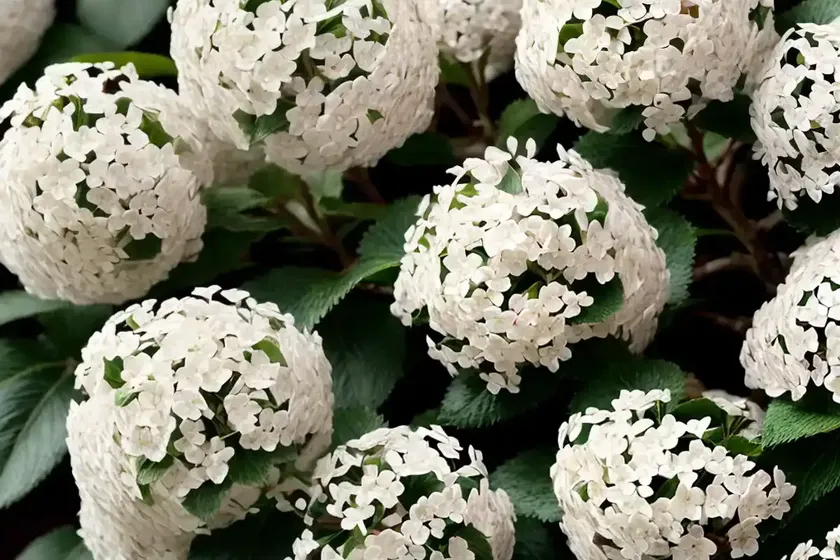
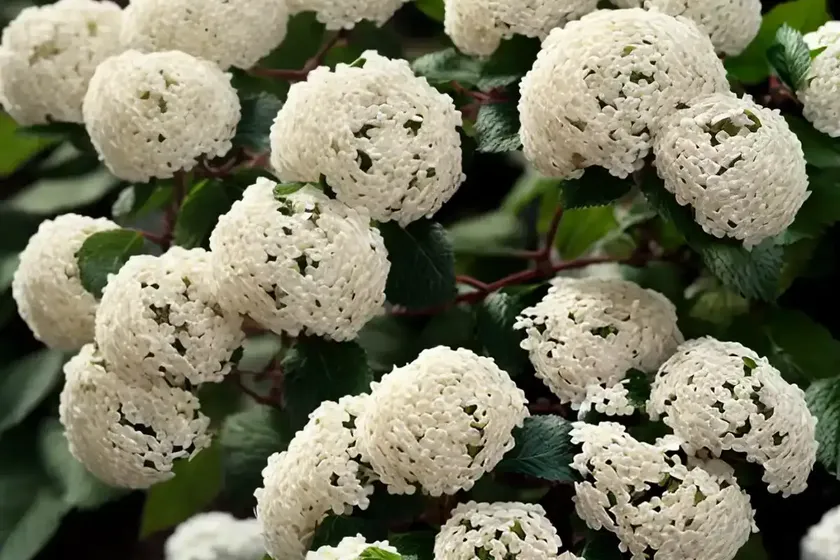
Viburnum plicatum f. tomentosum ‘Shasta’, commonly known as Doublefile Viburnum, is a remarkable plant that offers an array of versatile uses, beautiful aesthetics, and a unique presence in various landscape settings. In this comprehensive guide, we will delve into the various aspects of this plant, from its ideal growing conditions to its maintenance, propagation, and common diseases and pests. Whether you are a seasoned gardener or a beginner looking to enrich your green spaces, the Doublefile Viburnum is a compelling addition to any garden or landscape project.
What is Viburnum plicatum f. tomentosum ‘Shasta’?
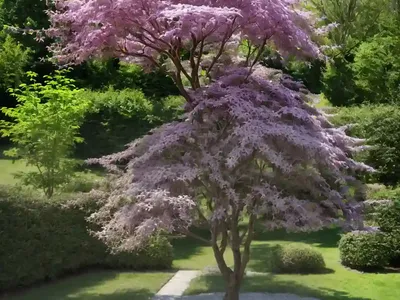
Viburnum plicatum f. tomentosum ‘Shasta’, a cultivar of the Viburnum species, is a deciduous shrub native to Japan, Korea, and China. It belongs to the Caprifoliaceae family, known for its ornamental and versatile nature. The Doublefile Viburnum is celebrated for its distinct form, featuring tiered, horizontally arranged branches that showcase an elegant display of flowers in spring.
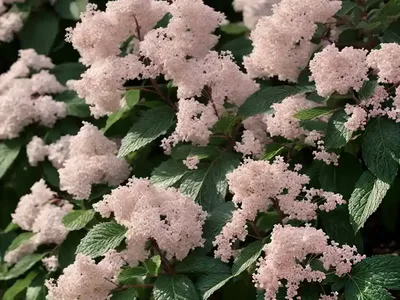
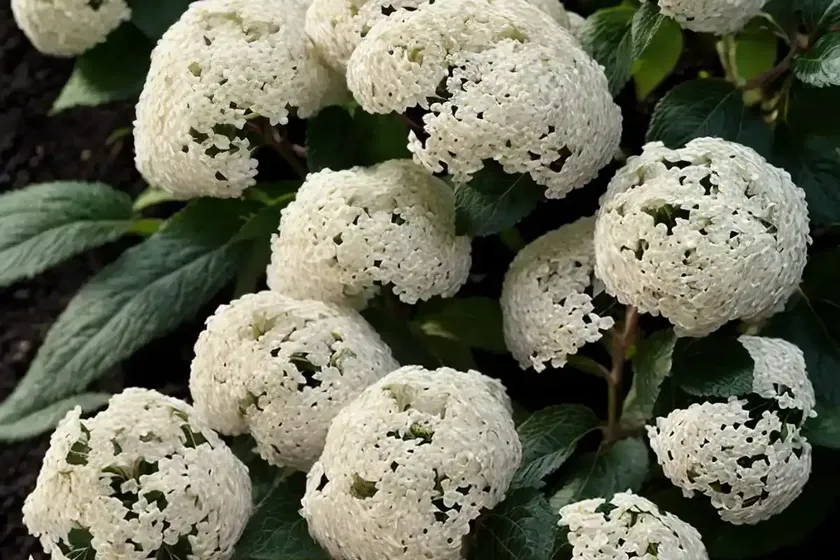
This shrub is renowned for its abundant clusters of white flowers, vibrant foliage, and its ability to thrive in various environmental conditions. Its versatile nature makes it suitable for a range of uses, including hedges, borders, privacy screens, and even container cultivation.
Key Takeaways – Viburnum plicatum f. tomentosum ‘Shasta’ (Doublefile Viburnum)
Before delving into the specifics of this fascinating plant, it is essential to highlight the key takeaways that will be covered in this guide:
- Culture: Understanding the cultural requirements essential for the optimal growth of Viburnum plicatum f. tomentosum ‘Shasta’.
- Uses: Exploring the diverse applications of this plant in landscaping and garden design.
- Water: Guidelines for effective watering strategies to ensure the health and vigor of the Doublefile Viburnum.
- Sunlight: Understanding the plant’s sunlight requirements for thriving in various settings.
- Fertilizer: Selecting suitable fertilizers and application techniques for encouraging robust growth and flowering.
- Soil: Identifying the ideal soil conditions that promote the plant’s well-being.
- Pruning: Techniques and timing for pruning to maintain the plant’s form and promote prolific flowering.
- Propagation: Insights into propagating Viburnum plicatum f. tomentosum ‘Shasta’ for expanding your plant collection or sharing its beauty.
- Container Popularity: Exploring the potential for container cultivation and the considerations associated with it.
- Common Diseases: Recognizing prevalent diseases that may affect the Doublefile Viburnum and suitable strategies for prevention and management.
- Common Pests: Identifying common pests that may pose a threat to the plant’s health and implementing effective pest control measures.
- Botanist’s Tips: Expert recommendations and tips for a successful cultivation experience.
- Fun Facts: Uncovering interesting facts and anecdotes about Viburnum plicatum f. tomentosum ‘Shasta’.
- Links to External Resources: Providing additional references and resources for a deeper understanding of the plant.
With these key elements in mind, let’s embark on a comprehensive exploration of Viburnum plicatum f. tomentosum ‘Shasta’ and gain insights that will enable you to cultivate, appreciate, and admire this remarkable shrub.
Culture
Water
Proper watering is crucial for the health and vitality of Viburnum plicatum f. tomentosum ‘Shasta’. While this plant demonstrates some tolerance to dry conditions once established, consistent moisture is beneficial, especially during periods of prolonged heat or drought. It is essential to allow the soil to dry slightly between watering sessions to prevent waterlogging, which can lead to root rot.
Watering Guidelines:
- Water deeply but infrequently to encourage the development of a robust root system.
- Apply mulch around the base of the plant to conserve soil moisture and reduce water evaporation.
- Monitor the plant’s water needs, adjusting the frequency based on environmental conditions and soil moisture levels.
Sunlight
The Doublefile Viburnum thrives in a location that receives ample sunlight, preferably partial shade to full sun. Adequate sunlight is vital for promoting healthy growth and abundant flowering. However, in regions with intense heat, providing some afternoon shade can be beneficial in preventing stress on the plant.
Sunlight Requirements:
- Plant in an area with partial shade to full sun exposure for optimal growth and flowering.
- In hot climatic conditions, ensure the availability of some shade during the intense afternoon sun to prevent potential heat stress.
Fertilizer
Applying a balanced fertilizer can significantly enhance the growth and blooming potential of Viburnum plicatum f. tomentosum ‘Shasta’. Select a fertilizer specifically formulated for flowering shrubs and follow the recommended application rates for best results. Applying fertilizer in early spring before the onset of new growth is an effective practice.
Fertilization Tips:
- Utilize a balanced, slow-release fertilizer to provide essential nutrients for the plant’s development.
- Apply fertilizer in early spring, following the manufacturer’s instructions regarding quantities and application techniques.
Soil
The soil composition plays a pivotal role in ensuring the well-being of Viburnum plicatum f. tomentosum ‘Shasta’. It thrives in well-draining, moderately fertile soil with a slightly acidic to neutral pH. Amending the soil with organic matter, such as compost or well-rotted manure, can enhance its structure and fertility, promoting favorable conditions for the plant’s growth.
Soil Requirements:
- Ensure the soil is well-draining to prevent waterlogging, which can adversely affect the plant’s root health.
- Incorporate organic matter into the soil to improve its fertility and structure, providing an optimal foundation for the Doublefile Viburnum’s growth.
Pruning
Pruning plays a significant role in maintaining the form, health, and flowering prowess of Viburnum plicatum f. tomentosum ‘Shasta’. Timely and strategic pruning can help manage the shrub’s size, rejuvenate older branches, and encourage the development of new growth. Pruning is commonly performed after the plant has finished flowering to shape the shrub and remove any dead or damaged branches.
Pruning Guidelines:
- Prune after the flowering period to avoid cutting off potential blooms.
- Remove any dead or damaged branches to promote the plant’s overall health and vigor.
- Maintain the plant’s natural form while selectively shaping it to suit the desired aesthetic and space requirements.
Propagation
Expanding your garden with additional Viburnum plicatum f. tomentosum ‘Shasta’ plants or sharing its beauty with others can be accomplished through propagation. This plant can be propagated via various methods, including softwood or hardwood cuttings, and even from seeds, though the latter method may take longer to produce viable plants.
Propagation Techniques:
- Softwood Cuttings: Harvest softwood cuttings in late spring to early summer, selecting healthy, non-flowering shoots for propagation.
- Hardwood Cuttings: Prepare hardwood cuttings during the plant’s dormant period, utilizing mature, woody stems to propagate new plants.
- Seed Propagation: Collect and plant seeds, recognizing that this method may require a longer duration for the plants to reach maturity and flowering.
Container Popularity
Viburnum plicatum f. tomentosum ‘Shasta’ holds the potential for cultivation in containers, making it a versatile choice for patios, balconies, and compact garden spaces. When opting for container cultivation, it is essential to select a sizeable container that provides adequate space for the plant’s root development and stability. Additionally, attention to watering and fertilization requirements is crucial when growing this shrub in a container setting.
Considerations for Container Cultivation:
- Select a spacious container with sufficient drainage holes to support the plant’s root growth.
- Utilize a high-quality potting mix that offers good drainage and adequate aeration for the plant’s roots.
- Monitor the plant’s water and nutrient needs, adjusting care routines to accommodate the specific conditions of container cultivation.
Common Diseases
While Viburnum plicatum f. tomentosum ‘Shasta’ is generally resilient, it is susceptible to certain diseases that can impact its health and appearance. Recognizing the signs of common diseases and implementing preventive measures is essential for maintaining the plant’s vitality.
Prevalent Diseases:
- Powdery Mildew: A fungal disease that manifests as a powdery white coating on the plant’s leaves, typically in humid conditions. Proper air circulation and selecting disease-resistant cultivars can aid in management.
- Leaf Spot: This disease is characterized by the presence of dark, irregular spots on the plant’s leaves. Prompt removal and disposal of infected plant material can help prevent the spread of the disease.
Disease Diagnosis
Identifying potential diseases affecting Viburnum plicatum f. tomentosum ‘Shasta’ involves careful observation of the plant’s foliage, stems, and overall vigor. Common symptoms, such as abnormal discoloration, spots, or powdery coatings, can indicate the presence of specific diseases. In such instances, it is advisable to consult with local gardening experts or extension services to obtain accurate diagnoses and tailored recommendations for disease management.
Diagnosis and Management:
- Conduct regular inspections of the plant for signs of disease, addressing any issues promptly to prevent their escalation.
- Seek professional assistance if unfamiliar or concerning symptoms are observed, ensuring accurate diagnosis and effective management strategies.
Common Pests
Viburnum plicatum f. tomentosum ‘Shasta’ may encounter various pests that can affect its growth and overall well-being. By identifying common pests and implementing appropriate control measures, the plant’s susceptibility to pest-related damage can be mitigated.
Frequently Encountered Pests:
- Aphids: These small, sap-sucking insects can congregate on the plant’s tender growth, causing distortion and discoloration of the foliage. Natural predators, such as ladybugs, can aid in controlling aphid populations.
- Scale Insects: Scale insects can be observed as immobile, waxy coverings on the plant’s stems and leaves, sapping its vitality. Physically removing them or using horticultural oils can effectively manage scale infestations.
Botanist’s Tips
As a plant enthusiast and botanist with a passion for Viburnum plicatum f. tomentosum ‘Shasta’, I am delighted to share some valuable insights and tips for cultivating, appreciating, and maximizing the potential of this remarkable shrub:
- Companion Planting: Consider incorporating companion plants that complement the Doublefile Viburnum, such as early-blooming bulbs, evergreen shrubs, or perennial ground covers, to create visually appealing and ecologically beneficial garden spaces.
- Wildlife Attraction: Embrace the plant’s potential to attract beneficial wildlife, including pollinators such as bees, butterflies, and birds, contributing to the biodiversity of your garden and supporting local ecosystems.
- Seasonal Interest: Explore the plant’s diverse seasonal attributes, from its striking spring blooms to its vibrant fall foliage, and envision ways to integrate these seasonal transitions into your landscape designs.
- Adaptive Garden Uses: Recognize the adaptability of Viburnum plicatum f. tomentosum ‘Shasta’ in various garden settings, such as coastal landscapes, urban environments, or xeriscapes, and leverage its resilience to enrich diverse gardening scenarios.
Fun Facts
Uncovering fascinating details about Viburnum plicatum f. tomentosum ‘Shasta’ adds an extra layer of appreciation for this captivating shrub:
- The “Doublefile” attribute in its common name refers to the plant’s distinctive growth habit, where flowers appear in parallel rows along the branches, creating a double-sided floral display.
- In addition to its ornamental value, Viburnum plicatum f. tomentosum ‘Shasta’ holds cultural significance in traditional herbal medicine, where certain parts of the plant have been used for medicinal purposes.
Links to External Resources
For further exploration and detailed information on Viburnum plicatum f. tomentosum ‘Shasta’, I have curated a selection of external resources that provide valuable insights, images, and cultivation guidelines:
- Royal Horticultural Society – Viburnum plicatum f. tomentosum ‘Shasta’
- Missouri Botanical Garden – Viburnum plicatum f. tomentosum ‘Shasta’
- The Spruce – Growing and Caring for Doublefile Viburnum
- Garden Design Magazine – Doublefile Viburnum: A Landscape Asset
- University of Florida IFAS Extension – Viburnum Leaf Beetle Management
By engaging with these resources, you can deepen your understanding of Viburnum plicatum f. tomentosum ‘Shasta’, discover captivating images, and access expert insights to enrich your gardening journey.
Now that we have embarked on a comprehensive exploration of Viburnum plicatum f. tomentosum ‘Shasta’, from its cultural requirements to its application in diverse garden settings, you are equipped with the knowledge to embrace the beauty and versatility of this captivating shrub. Whether you aspire to create vibrant border plantings, incorporate wildlife-friendly elements into your garden, or simply appreciate the ornamental value of the Doublefile Viburnum, this guide serves as a valuable resource for cultivating and celebrating this remarkable plant.