Viburnum Plicatum F. Plicatum ‘Mary Milton’ (Japanese Snowball)
Viburnum plicatum f. plicatum ‘Mary Milton’, commonly known as Japanese Snowball, is a beautiful and versatile plant that is popular in gardens and.
Viburnum plicatum f. plicatum ‘Mary Milton’, commonly known as Japanese Snowball, is a beautiful and versatile plant that is popular in gardens and landscapes. Its graceful, horizontal branching habit and delicate white flowers make it a stunning addition to any garden. In this comprehensive guide, we will explore the culture, uses, care requirements, propagation, and common pests and diseases associated with Viburnum plicatum f. plicatum ‘Mary Milton’. Furthermore, I will share interesting facts, tips, and valuable resources for plant enthusiasts and gardeners who wish to cultivate and maintain this exquisite shrub.
Key Takeaways – Viburnum plicatum f. plicatum ‘Mary Milton’ (Japanese Snowball)
Before delving deeper into the details, let’s highlight the key takeaways for Viburnum plicatum f. plicatum ‘Mary Milton’:
- Plant Name: Viburnum plicatum f. plicatum ‘Mary Milton’ (Japanese Snowball)
- Common Names: Japanese Snowball, Mary Milton Viburnum
- Uses: Ornamental, Hedging, Screening
- Watering: Regular watering, especially during the growing season
- Sunlight: Full sun to partial shade
- Fertilizer: Balanced fertilizer in spring
- Soil: Well-draining, fertile soil
- Pruning: Minimal pruning after flowering
- Propagation: Softwood cuttings in summer, layering
- Common Pests: Aphids, Scale Insects
- Common Diseases: Powdery Mildew, Leaf Spot
- Popularity: Widely sought after for its aesthetic appeal
- Fun Facts: Delicate, snowball-like flowers; Attracts birds and butterflies
Now, let’s explore each aspect of Viburnum plicatum f. plicatum ‘Mary Milton’ in detail.
What is Viburnum plicatum f. plicatum ‘Mary Milton’?
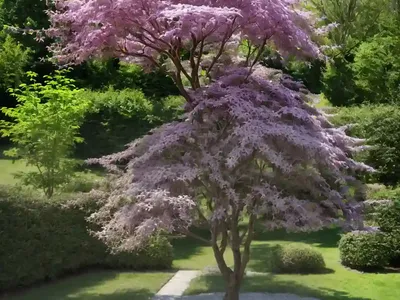
Viburnum plicatum f. plicatum ‘Mary Milton’, a cultivar of the species Viburnum plicatum, belongs to the Adoxaceae family. Originating from East Asia, particularly Japan, China, and Korea, it is commonly referred to as the Japanese Snowball. This deciduous shrub typically grows to a height and spread of 6-10 feet, forming a multi-stemmed, rounded shape.
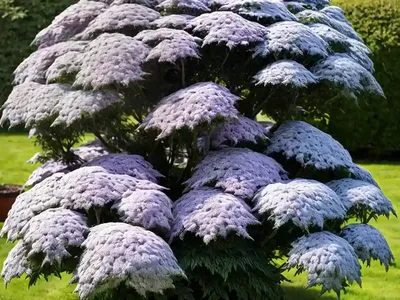
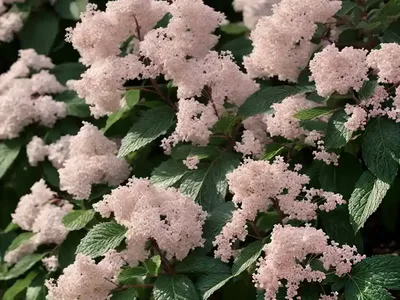
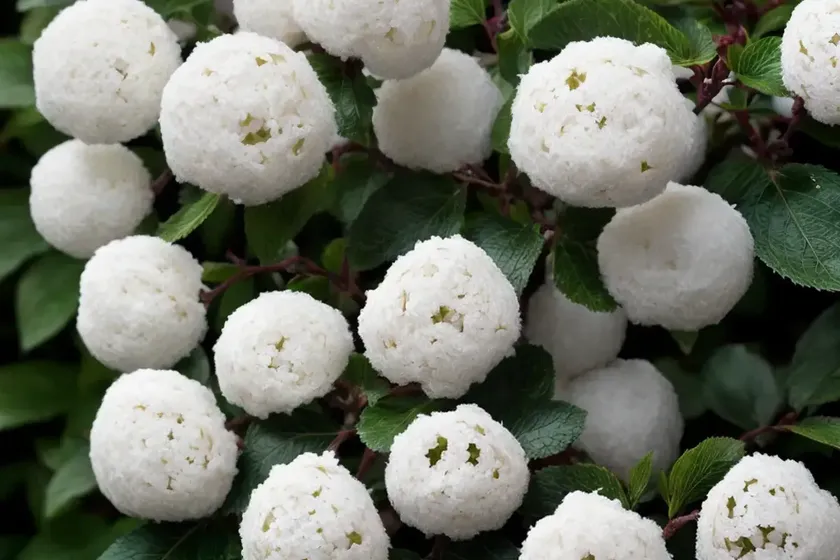
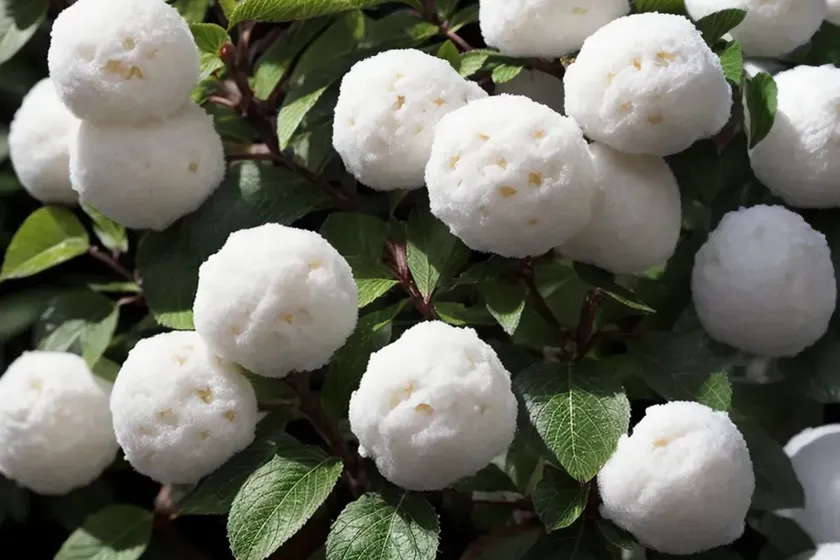
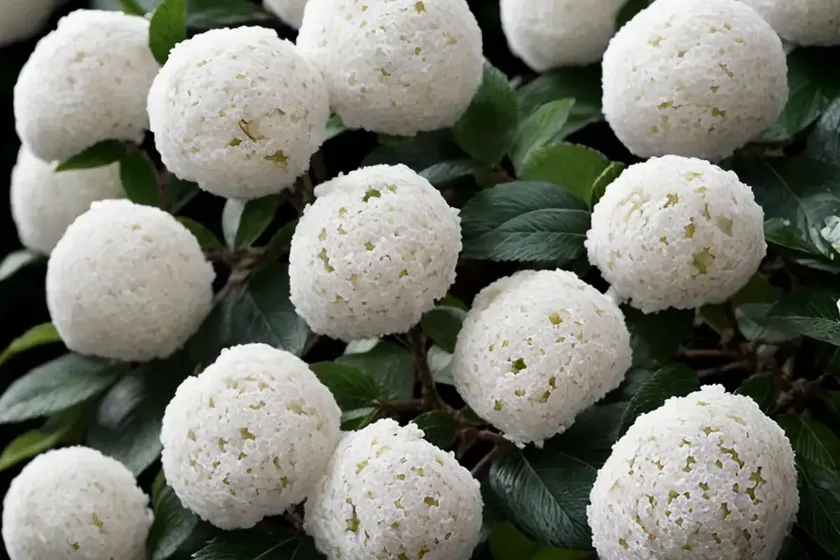
The showy, lacecap-like flowers of Viburnum plicatum f. plicatum ‘Mary Milton’ bloom in spring, presenting a stunning display of white, snowball-like clusters. These blooms are often accompanied by attractive, dark green foliage that transitions to shades of red and purple in the fall, adding to the plant’s ornamental value.
This cultivar has gained popularity for its striking appearance and its ability to thrive in various garden settings, making it a favored choice for homeowners, landscapers, and garden enthusiasts.
Culture
Water
Proper watering is crucial for the health and vigor of Viburnum plicatum f. plicatum ‘Mary Milton’. During the establishment phase, regular watering is essential, especially during dry periods. Once mature, this shrub is moderately drought-tolerant but will benefit from supplemental watering during prolonged dry spells or hot weather. Avoid overwatering to prevent waterlogged conditions, which can lead to root rot.
Sunlight
Japanese Snowball Viburnum thrives in full sun to partial shade. While it can tolerate some shade, it generally performs best when exposed to direct sunlight for at least six hours a day. In partial shade, the plant may exhibit reduced flowering and a more open growth habit. Adequate sunlight is essential for promoting healthy growth and abundant flowering.
Fertilizer
During the growing season in spring, applying a balanced fertilizer can enhance the performance and overall health of Viburnum plicatum f. plicatum ‘Mary Milton’. A slow-release, granular fertilizer specifically formulated for shrubs or ornamental plants can be used according to the manufacturer’s instructions. Avoid excessive fertilization, as it may lead to lush foliage at the expense of flowering.
Soil
Well-draining, fertile soil is ideal for cultivating Japanese Snowball Viburnum. It thrives in loamy or sandy soils with good drainage. Amending the soil with organic matter, such as compost or well-rotted manure, can improve its texture and nutrient content. Additionally, maintaining a slightly acidic to neutral soil pH (6.0-7.0) supports optimum growth and blooming.
Pruning
Pruning is generally limited to minimal maintenance and shaping for Viburnum plicatum f. plicatum ‘Mary Milton’. After the flowering period in spring, light pruning can be performed to remove any dead, damaged, or overgrown branches. This helps maintain a tidy appearance and encourages a balanced growth structure. Avoid extensive pruning, as it may reduce the subsequent year’s flower production.
Propagation
Propagation of Viburnum plicatum f. plicatum ‘Mary Milton’ can be achieved through softwood cuttings taken in summer. Select healthy, non-flowering stems and carefully prepare them for rooting. Layering, a propagation technique where a low-hanging branch is partially buried to encourage root formation, can also be successful with this plant. Both methods offer gardeners the opportunity to propagate new plants from an existing specimen.
Common Uses
Japanese Snowball Viburnum offers versatile uses in garden landscapes and horticultural settings. Here are some common applications:
-
Ornamental Planting: The showy, snowball-like flowers and vibrant foliage make Viburnum plicatum f. plicatum ‘Mary Milton’ a popular choice for ornamental plantings. It can be showcased as a specimen plant or incorporated into mixed borders and woodland gardens for its visual appeal.
-
Hedging and Screening: Due to its dense, multi-stemmed growth habit, Japanese Snowball Viburnum is well-suited for creating hedges and privacy screens. When planted in multiples, it forms a dense barrier that offers both visual interest and functional screening.
Popularity
Viburnum plicatum f. plicatum ‘Mary Milton’ has gained widespread popularity among gardeners, landscape designers, and plant enthusiasts for several reasons:
-
Aesthetic Appeal: The delicate, snowball-like flowers and attractive foliage contribute to the plant’s ornamental value, enhancing the visual appeal of any garden or landscape.
-
Versatility: Its adaptability to different growing conditions and its various uses in landscaping make it a versatile choice for a wide range of garden settings.
-
Low Maintenance: Japanese Snowball Viburnum is relatively low maintenance once established, requiring minimal care and attention while providing consistent beauty.
-
Wildlife Attraction: The flowers of Viburnum plicatum f. plicatum ‘Mary Milton’ attract pollinators, such as butterflies and bees, while the berries are sought after by birds, adding ecological value to the landscape.
Common Diseases and Pests
While Viburnum plicatum f. plicatum ‘Mary Milton’ is generally resilient, it may encounter certain diseases and pests that can affect its health and appearance. Understanding these challenges and implementing appropriate management strategies is crucial for ensuring the plant’s well-being.
Common Diseases
-
Powdery Mildew: A fungal disease that manifests as a powdery, white coating on the foliage, powdery mildew can weaken the plant if left untreated. Adequate airflow and avoiding overhead watering can help prevent this condition. Fungicidal treatments may be necessary in severe cases.
-
Leaf Spot: Various fungal pathogens can cause leaf spot, leading to dark spots or lesions on the leaves. Good sanitation practices, such as removing and disposing of affected plant material, can help manage this disease. Additionally, ensuring proper air circulation and avoiding overhead watering can minimize its occurrence.
Common Pests
-
Aphids: These small, sap-sucking insects can infest the tender shoots and foliage of Viburnum plicatum f. plicatum ‘Mary Milton’, causing distortion and discoloration of the leaves. Physical removal, using a strong stream of water or insecticidal soaps, can help control aphid populations.
-
Scale Insects: Scale insects, appearing as small, immobile bumps on the stems and leaves, can compromise the plant’s vigor by feeding on its sap. Pruning infested branches and applying horticultural oil during the dormant season can effectively manage scale infestations.
Botanist’s Tips for Success
To ensure the optimal growth and development of Viburnum plicatum f. plicatum ‘Mary Milton’, consider the following tips:
-
Proper Planting: Select a suitable location with well-draining soil and sufficient sunlight for planting. Proper spacing between individual specimens allows for adequate airflow and reduces the risk of disease.
-
Regular Inspection: Periodically inspect the plant for signs of disease, pest infestations, or other issues. Early detection enables prompt intervention and minimizes the impact of potential problems.
-
Appropriate Pruning: Limit pruning to the necessary removal of dead or damaged branches, as excessive pruning can disrupt the plant’s natural form and reduce flowering.
-
Healthy Soil: Maintain soil fertility and structure by incorporating organic amendments and mulching around the base of the plant. Mulch helps conserve moisture, suppress weeds, and insulate the root zone.
-
Balanced Nutrition: Apply a balanced fertilizer in accordance with the plant’s requirements, following the recommended dosage and timing to support healthy growth and flowering.
Fun Facts about Viburnum plicatum f. plicatum ‘Mary Milton’
-
The distinctive, snowball-like flowers of Viburnum plicatum f. plicatum ‘Mary Milton’ resemble clusters of pure white, ornamental snowballs, creating a captivating display in the spring landscape.
-
The plant is known to attract various beneficial insects, including butterflies and bees, which aid in pollination and contribute to the ecological balance of the garden.
-
As the summer progresses, the dark green foliage of Japanese Snowball Viburnum transitions to striking shades of red, purple, and bronze, adding seasonal interest to the garden.
-
While primarily prized for its ornamental value, Viburnum plicatum f. plicatum ‘Mary Milton’ also produces small, dark berries that are a food source for birds, supporting the local ecosystem.
-
The horizontal branching habit of the plant gives it an elegant and graceful appearance, making it a focal point in garden designs and landscape compositions.
Links to External Resources
To further enrich your knowledge and understanding of Viburnum plicatum f. plicatum ‘Mary Milton’ and its cultivation, care, and characteristics, consider exploring the following valuable resources:
- RHS – Viburnum plicatum f. plicatum ‘Mary Milton’
- Missouri Botanical Garden – Japanese Snowball
- Gardenia – Viburnum plicatum f. plicatum ‘Mary Milton’
Exploring these resources will provide you with in-depth information, expert insights, and practical advice for successfully incorporating and caring for Viburnum plicatum f. plicatum ‘Mary Milton’ in your garden or landscape.
In conclusion, Viburnum plicatum f. plicatum ‘Mary Milton’, commonly known as Japanese Snowball, is a captivating and versatile shrub that captivates with its charming flowers, attractive foliage, and adaptability. By understanding its culture, uses, care requirements, and potential challenges, you can cultivate and enjoy the beauty of this remarkable plant while contributing to the biodiversity and splendor of your outdoor spaces. Whether used as a standalone specimen or integrated into a diverse landscape, the enchanting presence of Viburnum plicatum f. plicatum ‘Mary Milton’ adds a touch of elegance and natural allure to any setting.