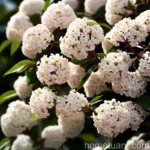
Viburnum nudum ‘Winterthur’ (Witherod): A Complete Plant Care Guide
Introduction
As a plant scientist, I am excited to share comprehensive insights on the Viburnum nudum ‘Winterthur’, commonly known as Witherod. This delightful shrub is known for its stunning foliage, beautiful white flowers, and vibrant berries. In this comprehensive guide, we will explore its culture, uses, water and sunlight needs, fertilizer requirements, soil preferences, pruning techniques, propagation methods, and much more. Join me as we dive into the enchanting world of Viburnum nudum ‘Winterthur’ and uncover the secrets to successfully cultivating and caring for this magnificent plant.
What is Viburnum nudum ‘Winterthur’?
Viburnum nudum ‘Winterthur’, or Witherod, is a deciduous shrub that belongs to the Adoxaceae family. This native North American plant is renowned for its ornamental features, making it a popular choice among gardeners and landscaping enthusiasts. Its scientific name, Viburnum nudum, signifies its association with the Viburnum genus, while ‘Winterthur’ is an indication of its cultivar. This cultivar derived its name from the Winterthur Garden in Delaware, USA, renowned for its diverse collection of plants and shrubs.
Key Takeaways – Viburnum nudum ‘Winterthur’ (Witherod)
Before delving into the specifics of caring for Viburnum nudum ‘Winterthur’, it’s essential to highlight its key attributes and benefits:
- Scientific Name: Viburnum nudum ‘Winterthur’
- Common Name: Witherod
- Family: Adoxaceae
- Deciduous: Yes
- Foliage Color: Green, Purple, Red, Yellow
- Flower Color: White, Pink
- Berries: Yes
- Wildlife Attraction: Birds
- Hardiness Zone: 5 – 9
- Mature Height: 6 – 10 feet
- Mature Spread: 6 – 10 feet
- Preferred Soil pH: 5.5 – 6.5
- Use: Hedges, Screens, Specimen Plant
- Toxicity: Non-Toxic to Pets
- Season of Interest: Spring, Summer, Fall, Winter
Now that we have gained a general understanding of Viburnum nudum ‘Winterthur’, let’s dig deeper into its culture, uses, and specific care requirements.
Culture
Understanding the cultural requirements of Viburnum nudum ‘Winterthur’ is essential for its successful growth and development. Culturing encompasses various aspects, including watering, sunlight exposure, fertilizer application, soil conditions, and pruning practices. Let’s explore each of these aspects in detail to ensure optimal care for this remarkable shrub.
Uses
Viburnum nudum ‘Winterthur’ offers a myriad of uses in landscaping and horticulture. Whether used as a standalone specimen plant, a hedge, or a valuable addition to mixed borders, the versatility of this shrub enhances the aesthetic appeal of any garden or landscape. From its ornamental foliage to its vibrant berries, Witherod serves as a visual masterpiece throughout the year.
Here are some common uses of Viburnum nudum ‘Winterthur’:
- Specimen Plant: Its distinctive foliage, flowers, and berries make it an ideal focal point in a garden or landscape design.
- Hedges and Screens: With its dense growth habit, it can be pruned to form attractive hedges and privacy screens.
- Wildlife Garden: The berries of Viburnum nudum ‘Winterthur’ attract birds, contributing to the biodiversity of the garden.
- Mixed Borders: It complements other shrubs and flowering plants, adding texture and color to mixed border plantings.
Understanding these uses provides valuable insight into how this shrub can be incorporated into diverse gardening and landscaping scenarios.
Water
Proper watering is crucial to the health and vitality of Viburnum nudum ‘Winterthur’. While it exhibits moderate drought tolerance once established, consistent moisture is essential, especially during the initial establishment phase and prolonged dry spells.
Watering Guidelines:
– Establishment Phase: Water deeply immediately after planting to ensure the root ball is thoroughly moistened.
– Young Plants: Regular watering is necessary, especially during dry periods. Aim to keep the soil consistently moist but not waterlogged.
– Mature Plants: Once established, moderate drought tolerance is exhibited. However, during extended dry periods, supplemental watering may be required.
Sunlight
Optimal sunlight exposure is key to the growth and flowering of Viburnum nudum ‘Winterthur’. It thrives in full to partial sun, requiring a minimum of 4-6 hours of direct sunlight daily for best performance.
Sunlight Requirements:
– Full Sun: Provides abundant sunlight, resulting in prolific flowering and fruiting.
– Partial Shade: Tolerates partial shade, especially in hot climates or during the afternoon sun.
Understanding the sunlight preferences of this shrub is essential for selecting the ideal planting location and ensuring its vigorous growth.
Fertilizer
Appropriate fertilization supports the growth and overall health of Viburnum nudum ‘Winterthur’. While it is adaptive to various soil conditions, supplementing with a balanced fertilizer can enhance its vigor and promote abundant flowering and berry production.
Fertilizer Recommendations:
– Early Spring: Apply a slow-release balanced fertilizer formulated for flowering shrubs to provide essential nutrients for the upcoming growing season.
– Mid-Summer: If signs of nutrient deficiency are observed, a light application of a balanced fertilizer can be beneficial.
Balanced fertilization, coupled with organic amendments, contributes to the overall vitality and visual appeal of Viburnum nudum ‘Winterthur’.
Soil
Understanding the soil preferences of Viburnum nudum ‘Winterthur’ is fundamental to its successful cultivation. This shrub exhibits adaptability to various soil types, but certain characteristics are conducive to its optimal growth and performance.
Soil Requirements:
– Moist, Well-Drained Soil: It prefers moderately moist, well-drained soil, but can adapt to a range of soil moisture conditions.
– Soil pH: Slightly acidic to slightly alkaline soil with a pH of 5.5 – 6.5 is ideal.
By providing the appropriate soil conditions, gardeners can ensure the robust growth and longevity of Viburnum nudum ‘Winterthur’ in their landscapes.
Pruning
Pruning is an essential maintenance practice that contributes to the overall health, shape, and flowering of Viburnum nudum ‘Winterthur’. While minimal pruning is required, periodic maintenance ensures a tidy appearance and encourages robust growth.
Pruning Guidelines:
– Late Winter to Early Spring: Prune to remove any dead, damaged, or crossing branches. Additionally, shaping the shrub and thinning out crowded growth can promote better air circulation and light penetration.
– Trimming Spent Flower Clusters: Once the flowering period concludes, trimming the spent flower clusters can enhance the aesthetic appeal of the shrub.
By adhering to optimal pruning techniques, gardeners can maintain the desired shape and vigor of Viburnum nudum ‘Winterthur’ while promoting prolific flowering in the following seasons.
Propagation
Propagating Viburnum nudum ‘Winterthur’ allows gardeners to expand their collection and share this exceptional shrub with others. While it primarily propagates through seeds, various methods can be utilized to propagate and establish new plants.
Propagation Methods:
1. Seed Propagation: Collecting and sowing ripe berries to grow new plants.
2. Softwood Cuttings: Utilizing softwood cuttings in early summer for propagation.
3. Hardwood Cuttings: Extracting and planting hardwood cuttings in late winter for propagation.
By employing suitable propagation methods, gardeners can successfully propagate Viburnum nudum ‘Winterthur’ and introduce its captivating beauty to additional areas of their garden or landscape.
Container Popularity
The exceptional ornamental features and adaptability of Viburnum nudum ‘Winterthur’ make it well-suited for container cultivation. Its compact growth habit, stunning foliage, and seasonal interest render it a favored choice for container planting in various settings.
Container Cultivation Benefits:
– Limited Space: Ideal for small gardens, patios, or balconies where space is restricted.
– Versatile Décor: Adds visual interest and seasonal color to outdoor living spaces and entryways.
– Ease of Maintenance: Allows for easy mobility and targeted care, especially in regions with extreme weather conditions.
By embracing container cultivation, gardeners can enjoy the captivating allure of Viburnum nudum ‘Winterthur’ in a versatile and manageable manner.
Common Diseases
While Viburnum nudum ‘Winterthur’ is generally resistant to most diseases, it is essential to be aware of potential issues that may arise and take preventive measures to maintain its health and vitality.
Common Diseases:
– Powdery Mildew: Fungal disease characterized by a powdery white coating on leaves.
– Leaf Spot: Fungal infection leading to dark spots and discoloration on foliage.
– Root Rot: Occurs in waterlogged or poorly drained soil, leading to root damage and decay.
Implementing appropriate cultural practices, monitoring for early signs of disease, and providing optimal growing conditions can mitigate the risk of these common diseases and ensure the resilience of Viburnum nudum ‘Winterthur’.
Disease Diagnosis
Effective disease diagnosis aids in the prompt implementation of targeted management strategies to alleviate the impact of diseases on Viburnum nudum ‘Winterthur’. By recognizing symptoms and signs, gardeners can take proactive measures to address diseases and restore the health of the shrub.
Diagnosis Guidelines:
– Visual Symptoms: Identification of characteristic symptoms such as discoloration, lesions, or powdery coatings on foliage and stems.
– Laboratory Analysis: Conducting laboratory tests and analyses to confirm the presence of specific pathogens if necessary.
Accurate disease diagnosis serves as the foundation for implementing appropriate disease management practices and preserving the vigor and aesthetic appeal of Viburnum nudum ‘Winterthur’.
Common Pests
While Viburnum nudum ‘Winterthur’ is relatively pest-resistant, certain insects may occasionally pose a threat to its well-being. Monitoring for common pests and taking preventative measures can mitigate potential damage and safeguard the health of the shrub.
Common Pests:
– Aphids: Small, sap-sucking insects that can cause stunted growth and distorted foliage.
– Scale Insects: These secretive pests can affect the vigor and appearance of the shrub if left unchecked.
– Caterpillars: Feeding on foliage, caterpillars can defoliate the plant if present in large numbers.
Vigilance and prompt intervention against common pests contribute to the protection of Viburnum nudum ‘Winterthur’ and ensure its continuous vitality.
Botanist’s Tips
To assist gardening enthusiasts in successfully cultivating and caring for Viburnum nudum ‘Winterthur’, here are some expert recommendations and tips based on botanical insights and practical experience:
- Companion Planting: Pairing Viburnum nudum ‘Winterthur’ with compatible plants such as evergreen shrubs, ornamental grasses, and spring-flowering perennials creates visually appealing combinations.
- Mulching: Applying a layer of organic mulch around the base of the shrub conserves soil moisture, regulates temperature, and suppresses weed growth, fostering optimal growing conditions.
- Wildlife Inclusion: Designing the landscape to attract beneficial wildlife, particularly birds, enhances the environmental value and biodiversity of the garden while providing natural pest control.
These tips, rooted in botanical knowledge and gardening expertise, empower enthusiasts to maximize the potential of Viburnum nudum ‘Winterthur’ in their gardens and landscapes.
Fun Facts
Uncover the charm and allure of Viburnum nudum ‘Winterthur’ through these intriguing and delightful fun facts:
- Berries in Winter: The vibrant berries of Viburnum nudum ‘Winterthur’ persist into the winter months, adding color and interest to the landscape when other plants are dormant.
- Bird Magnet: With its abundant berries, the shrub serves as a valuable food source for a variety of bird species, contributing to the ecological balance of the environment.
- Seasonal Evolution: The foliage of Viburnum nudum ‘Winterthur’ undergoes captivating color changes throughout the seasons, transitioning from green to purple, red, and yellow, providing ongoing visual interest.
These fun facts capture the essence of Viburnum nudum ‘Winterthur’ and highlight its enchanting attributes that captivate both gardeners and nature enthusiasts.
Links to External Resources
For further exploration and in-depth information on Viburnum nudum ‘Winterthur’ and related topics, the following external resources provide valuable insights and practical guidance:
- Viburnum nudum ‘Winterthur’ Plant Profile – Missouri Botanical Garden
- Viburnum nudum ‘Winterthur’ Care Guide – The Spruce
- Growing Viburnums in the Home Landscape – North Carolina State University Extension
- Pruning Deciduous Viburnums – University of Arkansas Division of Agriculture
- Common Landscape Diseases And Disorders Of Viburnum – University of Illinois Extension
These resources offer comprehensive guidance on plant care practices, disease management, and landscaping applications, empowering enthusiasts to further enrich their knowledge and expertise in cultivating Viburnum nudum ‘Winterthur’.
Viburnum nudum ‘Winterthur’ stands as a testament to the magnificence of nature, captivating the senses with its ornamental foliage, enchanting flowers, and vibrant berries. By embracing the insights and recommendations presented in this comprehensive guide, gardeners can embark on a journey of nurturing and celebrating the enduring beauty of this exceptional shrub. Let the allure of Viburnum nudum ‘Winterthur’ enrich your garden and landscape, providing year-round interest, ecological benefits, and visual delight.
Remember, the essence of gardening lies not only in cultivation but in the profound connection to the natural world, fostering an enduring bond with plants that elevate our lives and the world around us.