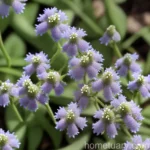
Veronica ‘Very Van Gogh’ (Spike Speedwell) Plant Guide

Introduction
Veronica ‘Very Van Gogh’, commonly known as Spike Speedwell, is a beautiful perennial plant known for its striking spiky flowers that adorn the garden with vibrant colors. This plant is a favorite among gardeners due to its low maintenance requirements, versatility in garden design, and its ability to attract pollinators. In this comprehensive guide, we will delve into the various aspects of caring for Veronica ‘Very Van Gogh’, including its culture, uses, care requirements, landscape uses, and much more.
What is Veronica ‘Very Van Gogh’ (Spike Speedwell)?
Veronica ‘Very Van Gogh’ is a cultivar of the Spike Speedwell plant, which belongs to the genus Veronica in the Plantaginaceae family. It is native to Europe and Asia and is widely cultivated for its ornamental value. The ‘Very Van Gogh’ variety is particularly prized for its compact habit, vibrant flowers, and long blooming period, making it a sought-after addition to gardens and landscapes.
Key Takeaways – Veronica ‘Very Van Gogh’ (Spike Speedwell)
Before we delve into the specific care requirements and characteristics of Veronica ‘Very Van Gogh’, let’s take a look at the key takeaways of this plant:
- Plant Name: Veronica ‘Very Van Gogh’ (Spike Speedwell)
- Botanical Name: Veronica spicata ‘Very Van Gogh’
- Plant Type: Perennial
- Mature Height: 12-15 inches
- Mature Spread: 18-24 inches
- Bloom Time: Late spring to early summer
- Sun Exposure: Full sun to part shade
- USDA Hardiness Zones: 4-8
- Soil pH: Neutral to slightly acidic (6.0-7.0)
- Water Requirements: Average water needs; well-drained soil
- Landscape Uses: Borders, rock gardens, cottage gardens, pollinator gardens, containers
- Common Pests: Aphids, spider mites
- Common Diseases: Powdery mildew, leaf spot
Now, let’s explore the specific aspects of caring for and utilizing Veronica ‘Very Van Gogh’ in your garden.
Culture
The culture of Veronica ‘Very Van Gogh’ encompasses everything from its preferred growing conditions to its maintenance requirements. In this section, we will delve into the cultural aspects of this plant to ensure that you can provide the optimal environment for its growth and development.
Uses
Veronica ‘Very Van Gogh’ is a versatile plant that offers several uses in the garden landscape. Here are some common uses of Spike Speedwell:
- Border Plant: The compact habit and vibrant flowers of Veronica ‘Very Van Gogh’ make it an excellent choice for border plantings. It creates a neat and colorful edge in garden beds and pathways.
- Rock Gardens: Its low-growing and clump-forming nature makes Spike Speedwell well-suited for rock gardens. It adds a pop of color and texture amidst rocks and boulders.
- Cottage Gardens: The charming and long-lasting blooms of ‘Very Van Gogh’ enhance the cottage garden aesthetic, complementing other perennial flowers such as coneflowers, phlox, and rudbeckia.
- Pollinator Gardens: The nectar-rich flowers of Spike Speedwell attract bees, butterflies, and other pollinators, making it a valuable addition to pollinator-friendly gardens.
- Containers: Due to its compact size and long blooming period, Veronica ‘Very Van Gogh’ thrives in containers, whether as a standalone feature or as part of mixed container plantings.
Water
Proper watering is crucial for the health and vigor of Veronica ‘Very Van Gogh’. Understanding its water requirements is essential for maintaining optimal moisture levels in the soil.
Water Requirements
- Spike Speedwell prefers consistent moisture, especially during the establishment phase and periods of drought.
- Water the plant deeply when the top inch of soil becomes dry, ensuring that the water reaches the root zone.
- Avoid overwatering, as excessively saturated soil can lead to root rot and other moisture-related issues.
Sunlight
Sunlight is a vital factor that influences the growth and blooming of Veronica ‘Very Van Gogh’. Understanding its sunlight preferences will help you create the ideal growing conditions for this plant.
Sun Exposure
- Full Sun: Spike Speedwell thrives in full sun, which generally refers to a minimum of 6 hours of direct sunlight per day. In full sun, it produces the most prolific and vibrant blooms.
- Part Shade: While it prefers full sun, ‘Very Van Gogh’ can tolerate some light shade, especially in hot climates or during the intense afternoon sun.
Fertilizer
Fertilizing Spike Speedwell can contribute to healthy growth and abundant flowering. However, it’s crucial to apply the right type of fertilizer and to do so at the appropriate times.
Fertilization Guidelines
- Early Spring: As new growth emerges, apply a balanced, slow-release fertilizer to provide essential nutrients for the upcoming growing season.
- Mid-Summer: If the plant shows signs of nutrient deficiency, such as pale or yellowing leaves, a light application of a balanced fertilizer can be beneficial.
Soil
The soil composition and quality play a significant role in the overall health and performance of Veronica ‘Very Van Gogh’. Understanding its soil preferences will enable you to optimize the growing environment for this plant.
Soil Requirements
- Well-Drained Soil: Spike Speedwell thrives in well-drained soil, as it prevents waterlogging and root rot. Amending heavy clay soils with organic matter can improve drainage.
- pH Level: It prefers neutral to slightly acidic soil with a pH range of 6.0-7.0. Conduct a soil test to determine the pH of your soil and make adjustments as needed.
Pruning
Pruning is an essential aspect of maintaining the health, appearance, and longevity of Veronica ‘Very Van Gogh’. Proper pruning techniques can encourage reblooming and prevent the plant from becoming leggy or unkempt.
Pruning Guidelines
- Deadheading: Remove spent flowers to encourage continuous blooming and prevent self-seeding, especially if you want to control the spread of the plant.
- Mid-Summer Pruning: If the plant becomes sparse or flops over, you can perform a light pruning in mid-summer to promote a more compact and bushy growth habit.
Propagation
Propagating Veronica ‘Very Van Gogh’ allows you to expand your plant collection or share this beautiful perennial with fellow gardening enthusiasts. Here are some common methods of propagation for Spike Speedwell:
- Division: In early spring or fall, divide the plant clumps by carefully separating the root system and replanting the divisions in desired locations. Division rejuvenates the plant and enhances its overall vigor.
- Softwood Cuttings: Take softwood cuttings in late spring or early summer, using young, non-flowering shoots. Dip the cut ends in a rooting hormone and place the cuttings in a well-draining growing medium until they root.
Container Popularity
Veronica ‘Very Van Gogh’ is a popular choice for container gardening, offering several advantages when grown in pots, planters, or other containers.
Advantages of Container Planting
- Space Efficiency: Its compact size makes it well-suited for small and medium-sized containers, allowing gardeners with limited space to enjoy its beauty.
- Versatility: Spike Speedwell complements a wide range of container plants, from annual flowers to other perennials, enabling creative and diverse container arrangements.
- Controlled Environment: Containers provide better control over soil composition, moisture levels, and sun exposure, allowing for customized growing conditions.
Common Diseases
Veronica ‘Very Van Gogh’ is generally a resilient plant, but it can be susceptible to certain diseases under unfavorable growing conditions. Understanding these diseases and their management can help preserve the health of your plant.
Disease Diagnosis
- Powdery Mildew: This fungal disease manifests as a powdery white coating on the leaves, typically in humid conditions. Improving air circulation and avoiding overhead watering can help prevent powdery mildew.
- Leaf Spot: Leaf spot diseases cause circular lesions on the foliage, leading to leaf yellowing and defoliation. Remove and dispose of infected leaves and avoid overhead watering to reduce the risk of leaf spot.
Common Pests
While Veronica ‘Very Van Gogh’ is relatively resistant to pests, it can occasionally attract certain insects that may impact its overall health and appearance.
Common Pests of Spike Speedwell
- Aphids: These small, sap-sucking insects can cluster on the new growth of Spike Speedwell, causing distorted leaves and stunted growth. Control aphids by spraying the plant with a strong stream of water or using insecticidal soap as needed.
- Spider Mites: Hot and dry conditions can lead to spider mite infestations, characterized by stippled or discolored leaves. Regularly misting the foliage and using insecticidal sprays can help manage spider mite populations.
Botanist’s Tips
As a plant scientist with expertise in the care and cultivation of ornamental plants, I would like to share some valuable tips for successfully growing and enjoying Veronica ‘Very Van Gogh’ in your garden:
- Mulching: Applying a layer of organic mulch around the base of the plant can help conserve soil moisture, suppress weed growth, and maintain a cool root zone.
- Regular Inspection: Periodically inspect the plant for signs of pests, diseases, or nutrient deficiencies, taking proactive measures to address any issues that may arise.
- Companion Planting: Pair Spike Speedwell with companion plants that share similar cultural requirements, such as other sun-loving perennials like coreopsis, salvia, or lavender, to create visually appealing and cohesive plant combinations.
Fun Facts
Now, let’s explore some fascinating and lesser-known facts about Veronica ‘Very Van Gogh’ that will enhance your appreciation for this charming plant:
- The ‘Very Van Gogh’ cultivar was named in honor of the renowned Dutch painter Vincent van Gogh, known for his distinctive use of color and texture in his iconic artworks.
- Spike Speedwell is a magnet for pollinators, attracting bees, butterflies, and hummingbirds to the garden with its nectar-rich flowers, contributing to the overall biodiversity of the landscape.
- The natural habitat of Veronica ‘Very Van Gogh’ includes meadows, grasslands, and open woodlands, reflecting its adaptability to open, sunny environments.
Links to External Resources
For additional information and resources on Veronica ‘Very Van Gogh’ (Spike Speedwell), consider exploring the following reputable sources:
- The Royal Horticultural Society – Veronica spicata ‘Very Van Gogh’
- University of Florida IFAS Extension – Spike Speedwell for the Florida Garden
- Missouri Botanical Garden – Veronica spicata
Conclusion
Veronica ‘Very Van Gogh’ (Spike Speedwell) stands out as a charming and resilient perennial plant that adds color, texture, and biodiversity to the garden landscape. By understanding its cultural requirements, landscape uses, and maintenance techniques, you can create an optimal environment for this plant to thrive. Whether it’s adorning a border, enhancing a rock garden, or attracting pollinators, Spike Speedwell brings a delightful touch to gardens and outdoor spaces. With the knowledge and insights shared in this guide, you are well-equipped to cultivate and enjoy the beauty of Veronica ‘Very Van Gogh’ in your own garden.
Remember, monitoring and tending to the needs of your Spike Speedwell will reward you with a stunning display of vibrant flowers and a rewarding gardening experience.
Happy gardening!