Veronica longifolia ‘Blue Giant’ (Speedwell): A Comprehensive Guide
As a plant scientist, it is always exciting to delve into the enchanting world of flora. Among the myriad of plants with captivating features, Veronica longifolia ‘Blue Giant’, commonly known as Speedwell, stands out with its stunning flowers and remarkable characteristics. This blog post aims to provide a comprehensive guide to understanding and cultivating Veronica longifolia ‘Blue Giant’, covering various aspects such as its characteristics, cultivation, care, uses, and much more.
What Is Veronica longifolia ‘Blue Giant’ (Speedwell)?
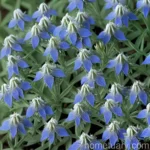
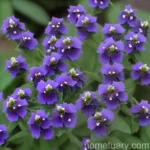
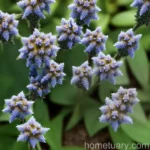
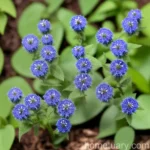
Veronica longifolia ‘Blue Giant’ is a herbaceous perennial plant native to Europe and Western Asia. Belonging to the Plantaginaceae family, it is widely cherished for its striking blue flowers and robust growth habit. With its upright spikes of densely-packed flowers and tall, slender stems, this plant adds an elegant and vibrant touch to gardens and landscapes. The deeply-veined, lance-shaped foliage complements the abundant blossoms, creating a visually appealing display throughout its blooming season.
Veronica longifolia ‘Blue Giant’ Characteristics
- Botanical Name: Veronica longifolia ‘Blue Giant’
- Common Name: Speedwell
- Plant Type: Herbaceous perennial
- Mature Height: 2-4 feet
- Mature Spread: 1-2 feet
- Flower Color: Blue
- Foliage: Lance-shaped, deep green
- Bloom Time: Late spring to mid-summer
- Hardiness Zones: 3-8
- Sun Exposure: Full sun to partial shade
- Soil pH: Neutral to slightly alkaline
- Drought Tolerance: Moderate
- Deer Resistance: Yes
- Attracts Butterflies: Yes
Key Takeaways – Veronica longifolia ‘Blue Giant’
Before delving deeper into the specific aspects of this charming plant, it’s essential to highlight the key takeaways that will be covered in this guide.
- Veronica longifolia ‘Blue Giant’ characteristics
- Speedwell plant facts
- Growing Veronica longifolia ‘Blue Giant’
- Speedwell care tips
- Veronica longifolia ‘Blue Giant’ planting guide
- Speedwell varieties for gardens
- How to cultivate Veronica longifolia ‘Blue Giant’
- The beauty of Veronica longifolia ‘Blue Giant’
- Speedwell plant care instructions
- Veronica longifolia ‘Blue Giant’ watering needs
- Speedwell flowers and foliage
- Veronica longifolia ‘Blue Giant’ maintenance
- Speedwell plant diseases and pests
- Veronica longifolia ‘Blue Giant’ pruning tips
- Speedwell plant propagation methods
- Veronica longifolia ‘Blue Giant’ companion plants
- Speedwell soil requirements
- Veronica longifolia ‘Blue Giant’ sun exposure
- Speedwell as a cut flower
- Veronica longifolia ‘Blue Giant’ container gardening
- Speedwell in landscaping design
- Veronica longifolia ‘Blue Giant’ hardiness zones
- Speedwell in pollinator gardens
- Veronica longifolia ‘Blue Giant’ wildlife habitat benefits
With these key takeaways in mind, let’s embark on an in-depth exploration of Veronica longifolia ‘Blue Giant’, understanding its culture, uses, care requirements, and much more.
Culture
Water
Veronica longifolia ‘Blue Giant’ generally prefers moderate moisture levels and well-drained soil. When established, it exhibits moderate drought tolerance but thrives best when provided with consistent moisture, especially during periods of prolonged heat and dryness. Adequate watering is crucial during the plant’s active growth and blooming phases to support healthy foliage and abundant flower production.
Sunlight
This perennial beauty thrives in full sun to partial shade. While it can tolerate some shade, providing it with at least 6 hours of direct sunlight ensures robust growth and profuse flowering. In warmer regions, providing some protection from the intense afternoon sun can be beneficial, especially to prevent the soil from drying out too quickly.
Soil
Veronica longifolia ‘Blue Giant’ prefers well-drained, loamy soil with a slightly alkaline to neutral pH. Amending the soil with organic matter such as compost can enhance its texture and fertility, promoting optimal growth and blooming. Ensuring good soil drainage is essential to prevent waterlogging, which can lead to root rot and other issues.
Uses
Garden Ornament
The majestic spikes of blue flowers make Veronica longifolia ‘Blue Giant’ an enchanting addition to perennial borders, cottage gardens, and other ornamental landscapes. Its upright growth habit and charming blooms add vertical interest and a pop of color to various garden settings. Additionally, its deer resistance and attractiveness to butterflies make it a valuable ornamental plant for wildlife-friendly gardens.
Cut Flower
The long-lasting blooms of Veronica longifolia ‘Blue Giant’ also make it a wonderful choice for cut flower arrangements. The striking blue flowers can be showcased in bouquets, adding a touch of elegance and natural beauty to indoor spaces.
Pollinator Gardens
With its nectar-rich blossoms, this Speedwell variety is a delightful addition to pollinator gardens. Attracting beneficial pollinators such as butterflies, bees, and other nectar-seeking insects, it contributes to the overall ecological balance and biodiversity of the garden.
Fertilizer
Applying a balanced, slow-release fertilizer in early spring can provide the necessary nutrients for vigorous growth and abundant blooms. A fertilizer with a higher phosphorus content can particularly support flower production, enhancing the visual appeal of Veronica longifolia ‘Blue Giant’. Following the specific instructions on the fertilizer package and avoiding over-fertilization are crucial to prevent potential issues.
Pruning
Pruning Veronica longifolia ‘Blue Giant’ primarily involves deadheading the spent flowers to encourage prolonged blooming and prevent self-seeding. Additionally, removing any damaged or diseased foliage can help maintain the plant’s overall health and aesthetic appeal. Once the flowering season is over, cutting back the spent stems can tidy up the plant and promote fresh growth.
Propagation
Veronica longifolia ‘Blue Giant’ can be propagated through several methods, including division, stem cuttings, and seed propagation.
Division
Dividing established clumps of Speedwell in early spring or fall is a reliable method for propagating new plants. Carefully lifting the plant and separating the root mass into smaller sections with healthy shoots and roots can create new individuals that can be transplanted to desired locations.
Stem Cuttings
Taking stem cuttings from actively growing shoots in late spring to early summer can also yield new plants. Planting the cuttings in a well-draining potting mix and providing the right conditions for root development can lead to successful propagation.
Seed Propagation
The small, dark seeds of Veronica longifolia ‘Blue Giant’ can be harvested from the dried flower spikes and sown in seed-starting trays or directly in the garden soil. Proper seed preparation and providing adequate moisture and warmth can facilitate the germination process, leading to the emergence of new seedlings.
Container Popularity
Veronica longifolia ‘Blue Giant’ is well-suited for container gardening, particularly for those seeking to add vertical interest and vibrant color to their patio, balcony, or porch. Its relatively compact growth habit and eye-catching flowers make it an excellent choice for container arrangements, allowing urban and space-limited gardeners to enjoy its ornamental charm.
Container Common Diseases
While container cultivation can mitigate certain soil-borne diseases, it is important to monitor the plant for potential issues such as powdery mildew, leaf spot, and crown rot. Proper watering practices and adequate air circulation can help reduce the risk of disease development in container-grown Veronica longifolia ‘Blue Giant’.
Disease Diagnosis
- Powdery Mildew: This fungal disease presents as a powdery, white coating on the foliage, often accompanied by leaf yellowing and distortion.
- Leaf Spot: Leaf spot diseases manifest as dark, water-soaked lesions on the foliage, potentially leading to leaf drop and reduced plant vigor.
- Crown Rot: Crown rot, caused by various fungi, can lead to the decay of the plant’s crown and root system, resulting in wilting and overall decline.
Common Pests
Veronica longifolia ‘Blue Giant’ is relatively resistant to pest infestations, but it can occasionally be targeted by certain insect pests.
Aphids
Aphids, small sap-sucking insects, may occasionally colonize the tender shoots and flower buds of Speedwell. Vigilant monitoring and prompt intervention, such as using a strong blast of water to dislodge the pests or employing insecticidal soaps if necessary, can help manage aphid populations without causing harm to beneficial insects.
Spider Mites
Spider mites, often noticeable by the fine webbing they produce, can infest the foliage of Veronica longifolia ‘Blue Giant’, leading to stippled, discolored leaves. Regularly showering the plant with water and maintaining adequate humidity levels can deter spider mites and minimize their impact.
Botanist’s Tips
- Companion Planting: Pairing Speedwell with other sun-loving perennials such as Echinacea, Salvia, or Coreopsis can create dynamic and visually appealing garden combinations.
- Winter Mulching: Applying a protective layer of mulch around the base of the plant before winter sets in can help insulate the roots and protect them from harsh temperature fluctuations.
Fun Facts
- Veronica longifolia ‘Blue Giant’ is a magnet for butterflies, adding a delightful flutter of activity to garden spaces.
- The vigorous growth and abundant flowering of this Speedwell variety make it a standout performer in perennial borders and mixed plantings.
Links to External Resources
To further expand your knowledge and appreciation of Veronica longifolia ‘Blue Giant’ and its cultivation, here are some valuable external resources:
With the comprehensive insights provided in this guide, you are well-equipped to nurture and enjoy the captivating beauty of Veronica longifolia ‘Blue Giant’ in your own garden. Whether adorning borders, containers, or vases, this Speedwell variety truly exemplifies the timeless allure of garden perennials.