The Cedros Island Verbena: A Beautiful and Versatile Plant
Plants are not only essential for our survival, but they also bring immense joy and beauty to our surroundings. One such plant that captivates the eyes with its vibrant colors and delicate blooms is the Verbena lilacina ‘De La Mina’ or the Cedros Island Verbena. In this comprehensive guide, we will explore the characteristics, cultivation requirements, and uses of this remarkable plant.
What is Cedros Island Verbena?
The Cedros Island Verbena, scientifically known as the Verbena lilacina ‘De La Mina’, is a species of flowering plant in the Verbenaceae family. This plant is native to Cedros Island, located in the Pacific Ocean off the west coast of the Baja California Peninsula in Mexico. It is also known by the common name Cedros Island Verbena, named after its place of origin.
Verbena lilacina ‘De La Mina’ Characteristics
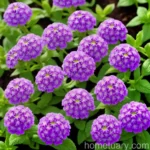
The Cedros Island Verbena is renowned for its vibrant clusters of lilac-pink flowers that bloom profusely. The plant features slender, serrated, deep green leaves that provide an attractive contrast to the abundant floral display. It typically grows as a mounding perennial, reaching a height of 1 to 2 feet and a spread of 2 to 3 feet. The Verbena lilacina ‘De La Mina’ is prized for its ability to attract pollinators, including butterflies, bees, and hummingbirds, making it a valuable addition to any garden or landscape.
Key Takeaways – Verbena lilacina ‘De La Mina’ (Cedros Island Verbena)
Before delving into the specific aspects of caring for the Cedros Island Verbena, let’s summarize the key takeaways that we will explore in detail:
- Culture
- Uses
- Water
- Sunlight
- Fertilizer
- Soil
- Pruning
- Propagation
- Container Popularity
- Common Diseases
- Disease Diagnosis
- Common Pests
- Botanist’s Tips
- Fun Facts
- Links to External Resources
Now, let’s dive into the essential aspects of cultivating and nurturing the beautiful Cedros Island Verbena.
Culture
Understanding the cultural requirements of the Cedros Island Verbena is crucial for ensuring its optimal growth and prosperity. By providing the right environment, you can enjoy an abundance of charming blooms and contribute to the overall health of the plant.
Uses
The Cedros Island Verbena is a versatile plant that can be utilized in various landscape settings and gardening applications. Its potential uses include:
- Garden Borders: The compact and colorful nature of the Verbena lilacina ‘De La Mina’ makes it an excellent choice for defining garden borders and pathways.
- Mixed Plantings: It can be planted alongside other flowering perennials and ornamental grasses to create visually appealing mixed plantings.
- Rock Gardens: The low-growing and spreading habit of the Cedros Island Verbena makes it suitable for rock gardens and slopes, where it can cascade gracefully.
- Containers: Due to its adaptability to container growth, it can be featured in patio pots, hanging baskets, and other container arrangements to add a pop of color to outdoor spaces.
- Pollinator Gardens: The nectar-rich blooms of the Verbena lilacina ‘De La Mina’ attract pollinators, making it a valuable addition to butterfly gardens, bee-friendly landscapes, and pollinator-friendly plantings.
Each of these uses highlights the versatility and aesthetic appeal of the Cedros Island Verbena, making it a cherished plant among gardeners and landscape enthusiasts.
Water
Proper watering is essential for the health and vigor of the Cedros Island Verbena. While this plant exhibits some drought tolerance once established, it thrives when provided with consistent moisture, especially during periods of active growth and flowering. Here are some guidelines for watering the Verbena lilacina ‘De La Mina’:
- Establishment: During the initial establishment phase, ensure that the plant receives an adequate amount of water to support root development and acclimatization to its new environment.
- Regular Watering: In general, the Cedros Island Verbena benefits from regular watering, especially during dry spells or prolonged periods without rainfall. Keep the soil consistently moist but not waterlogged.
- Deep Watering: When watering, it is advisable to water deeply, allowing the moisture to penetrate the root zone. This encourages the development of a robust and resilient root system.
Adhering to these watering practices will contribute to the overall vitality and floral abundance of the Verbena lilacina ‘De La Mina’.
Sunlight
Like many flowering plants, the Cedros Island Verbena thrives in a sunny location where it can bask in the warmth and brightness of direct sunlight. Adequate sunlight is essential for promoting healthy growth and prolific blooming. Here are some considerations related to sunlight exposure for the Verbena lilacina ‘De La Mina’:
- Full Sun: Ideally, plant the Cedros Island Verbena in a location that receives full sun, defined as at least 6 to 8 hours of direct sunlight per day. This encourages robust growth and abundant flowering.
- Partial Shade: While the plant prefers full sun, it can tolerate some degree of light shade, especially in regions with intense summer heat. However, prolonged periods of shade may result in reduced flowering and overall vigor.
By providing ample sunlight, you can enjoy the enchanting display of lilac-pink blooms that adorn the Cedros Island Verbena during its blooming season.
Fertilizer
Proper nutrition is key to supporting the growth and flowering capacity of the Cedros Island Verbena. While this plant is not excessively demanding in terms of fertilizer, providing a balanced and appropriate fertilizer regimen can enhance its overall performance. Consider the following fertilizer guidelines:
- Timing: Apply a balanced, slow-release fertilizer in early spring as new growth begins, and again in midsummer to support continued blooming and vigor.
- Application Rate: Follow the recommended application rate provided on the fertilizer label, adjusting the amount based on the size and age of the plant.
- Watering After Fertilization: After applying fertilizer, ensure that the plant receives a thorough watering to allow the nutrients to permeate the soil and become accessible to the roots.
Selecting a fertilizer specifically formulated for flowering perennials can provide the essential nutrients to sustain the health and beauty of the Verbena lilacina ‘De La Mina’.
Soil
The soil composition and quality play a pivotal role in the overall health and vitality of the Cedros Island Verbena. Understanding the soil preferences of this plant is essential for creating an environment conducive to its growth and flowering. Consider the following soil-related recommendations:
- Well-Drained Soil: The Cedros Island Verbena thrives in well-drained soil that allows excess moisture to percolate through, preventing waterlogging around the roots.
- Soil Amendments: Incorporating organic matter, such as compost or well-rotted manure, into the soil can improve its structure and fertility, promoting optimal growth of the Verbena lilacina ‘De La Mina’.
- Soil pH: Aim for a slightly acidic to neutral soil pH range, ideally between 6.0 and 7.5, to create a favorable growing environment for the Cedros Island Verbena.
By ensuring that the soil meets these criteria, you can provide the proper foundation for the health and prosperity of this charming plant.
Pruning
Pruning is an important aspect of caring for the Cedros Island Verbena, contributing to its overall appearance, longevity, and flowering capacity. Here are some key considerations related to pruning this plant:
- Deadheading: Regularly remove spent flowers by deadheading to encourage the plant to produce new blooms and prolong the flowering season.
- Cutting Back: In regions with mild winters, consider cutting back the Verbena lilacina ‘De La Mina’ in late fall or early spring to promote fresh growth and a compact habit.
- Rejuvenation Pruning: Periodically, the plant may benefit from rejuvenation pruning, where older, woody stems are pruned back to stimulate new growth and rejuvenate the plant’s vigor.
By incorporating these pruning practices into your maintenance routine, you can help the Cedros Island Verbena maintain a tidy appearance and continue to produce an abundance of lovely flowers.
Propagation
Propagation allows for the expansion of the Cedros Island Verbena population and is an exciting opportunity for gardeners who wish to propagate new plants. Several methods can be employed for propagating the Verbena lilacina ‘De La Mina’, including:
- Division: Divide mature clumps of the plant in early spring or fall, ensuring that each division possesses healthy roots and shoots.
- Cuttings: Take softwood or semi-hardwood cuttings from the plant in late spring or early summer, and root them in a suitable growing medium under controlled conditions.
By employing these propagation techniques, you can propagate new plants from existing Cedros Island Verbena specimens, allowing you to expand your garden or share this charming plant with fellow gardening enthusiasts.
Container Popularity
The Cedros Island Verbena’s adaptability to container growth makes it a popular choice for container gardening enthusiasts, allowing them to enjoy its beauty on patios, balconies, and other outdoor spaces. Here are some considerations related to growing the Verbena lilacina ‘De La Mina’ in containers:
- Container Selection: Choose a well-draining container that accommodates the mature size of the plant, ensuring that it has drainage holes to prevent waterlogging.
- Growing Medium: Utilize a high-quality, well-draining potting mix suited for flowering perennials to provide a supportive growing medium for the Cedros Island Verbena.
- Watering and Maintenance: Container-grown plants may require more frequent watering, especially during hot and dry periods, and benefit from regular fertilization to support their growth and blooming.
Embracing the versatility of the Cedros Island Verbena in container gardening allows individuals with limited space to cultivate and appreciate this striking plant.
Common Diseases
While the Cedros Island Verbena is generally resilient, it may be susceptible to certain diseases and health issues. Understanding these potential concerns can aid in early detection and effective management. Some common diseases that may affect the Verbena lilacina ‘De La Mina’ include:
- Powdery Mildew: A fungal disease that manifests as a powdery white coating on the leaves, typically caused by high humidity and poor air circulation.
- Leaf Spot: Fungal or bacterial pathogens can lead to the development of dark spots on the leaves, potentially compromising the plant’s aesthetics and vigor.
- Root Rot: Overly wet or poorly-drained soil can contribute to root rot, causing decline and wilting in affected plants.
Vigilance and proactive measures, such as promoting good air circulation, maintaining appropriate watering practices, and promptly addressing any signs of disease, can help mitigate these issues and preserve the health of the Cedros Island Verbena.
Disease Diagnosis
In the event that your Cedros Island Verbena exhibits symptoms of disease or distress, it is important to accurately diagnose the issue to implement the most effective course of action. Seek guidance from reputable resources, such as local cooperative extension offices, plant clinics, or experienced gardeners, and consider the following steps to aid in disease diagnosis:
- Symptom Observation: Take note of any visible symptoms, including changes in leaf color, texture, and overall plant appearance.
- Environmental Assessment: Evaluate environmental factors such as moisture levels, sunlight exposure, and soil conditions that may influence plant health.
- Professional Consultation: If uncertainties persist, consult with a plant health specialist or certified arborist to diagnose the issue and determine an appropriate treatment plan.
Acting promptly upon the identification of potential diseases can safeguard the well-being of the Cedros Island Verbena and prevent the escalation of any health concerns.
Common Pests
In addition to diseases, the Cedros Island Verbena may encounter various pests that can affect its overall health and appearance. Common pests that may pose a threat to the Verbena lilacina ‘De La Mina’ include:
- Aphids: Small, soft-bodied insects that feed on plant sap, often congregating on new growth and causing distortion of leaves and shoot tips.
- Whiteflies: Tiny, white, moth-like insects that congregate on the undersides of leaves, leading to yellowing, wilting, and reduced vigor in affected plants.
- Spider Mites: Nearly microscopic pests that thrive in hot, dry conditions, sucking the sap from leaves and causing stippling and discoloration.
Implementing integrated pest management practices, such as regular monitoring, promoting habitat for natural predators, and employing targeted control methods as needed, can help manage pest pressures and protect the Cedros Island Verbena from potential damage.
Botanist’s Tips
To further enhance the cultivation experience and maximize the potential of the Cedros Island Verbena, consider incorporating the following botanist’s tips into your plant care routine:
- Mulching: Apply a layer of organic mulch around the base of the plant to conserve soil moisture, suppress weed growth, and moderate soil temperature.
- Companion Planting: Pair the Verbena lilacina ‘De La Mina’ with compatible companion plants, such as other pollinator-friendly species and drought-tolerant perennials, to create harmonious and visually appealing plantings.
- Seasonal Care: Adjust your care practices according to seasonal changes, providing additional protection and support during periods of extreme weather conditions or temperature fluctuations.
Implementing these botanist’s tips can contribute to the overall success and enjoyment of tending to the unique beauty of the Cedros Island Verbena.
Fun Facts
Discovering intriguing and captivating facts about the Cedros Island Verbena adds to the allure and appreciation of this remarkable plant. Here are some fun facts about the Verbena lilacina ‘De La Mina’:
- Native Habitat: The Cedros Island Verbena originates from Cedros Island, a remote and enchanting location off the western coast of the Baja California Peninsula, where it thrives in its natural habitat.
- Wildlife Attraction: In addition to its appeal to pollinators, the Verbena lilacina ‘De La Mina’ may also attract beneficial wildlife, such as songbirds and beneficial insects, contributing to the ecological balance of its surroundings.
- Medicinal Properties: Some species of Verbena possess medicinal properties and have been used in traditional herbal medicine for their potential health benefits, showcasing the multifaceted nature of this plant.
These fun facts offer intriguing insights into the ecological significance and cultural value of the Cedros Island Verbena, enriching the experience of cultivating and enjoying this delightful plant.
Conclusion
The Verbena lilacina ‘De La Mina’, or the Cedros Island Verbena, embodies both aesthetic splendor and ecological significance, making it a cherished addition to gardens, landscapes, and natural habitats. Embracing its charming lilac-pink blooms, adaptability to diverse growing conditions, and potential for attracting pollinators and wildlife, the Cedros Island Verbena stands as a testament to the inherent beauty and versatility of plants in our natural world.
By understanding and implementing the recommended cultivation practices and care guidelines for the Verbena lilacina ‘De La Mina’, you can foster the health and vitality of this remarkable plant, creating a haven of beauty and biodiversity within your outdoor spaces. Whether it graces a garden border, container arrangement, or pollinator-friendly landscape, the Cedros Island Verbena invites us to appreciate the wonders of nature and the profound impact of plants on our lives.
Incorporating the charm and allure of the Cedros Island Verbena into our gardens and landscapes not only enriches the visual tapestry of our surroundings but also contributes to the broader tapestry of life, supporting ecological balance and fostering a deeper connection with the natural world. Embrace the beauty and grace of the Cedros Island Verbena, and let its enchanting presence inspire and uplift your gardening journey.
For further information and detailed care instructions, feel free to explore the following external resources:
– Royal Horticultural Society – Verbena Lilacina ‘De La Mina’
– University of California – Cedros Island Verbena Fact Sheet
– Missouri Botanical Garden – Verbena lilacina ‘De La Mina’
– Calscape – Verbena lilacina ‘De La Mina’
– North Carolina State University – Plant Propagation Protocol for Verbena lilacina ‘De La Mina’
– The American Phytopathological Society – Plant Disease Management Strategies
This comprehensive guide has been written by a plant scientist with the aim of providing in-depth insights and practical advice for cultivating and appreciating the beauty of the Cedros Island Verbena. Happy gardening!