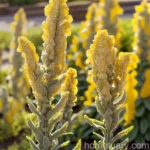
Verbascum ‘Jackie in Pink’ (Mullein): A Marvel of Pink Flowering Perennials
Plants are not only essential to the survival of humans and other animals, but they also contribute to the beauty and diversity of our natural landscapes. Among the myriad plants that grace our gardens and wild spaces, Verbascum ‘Jackie in Pink’ (Mullein) stands out as a stunning example of pink flowering perennials. This blog post delves into this extraordinary plant, exploring its culture, uses, care requirements, and much more.
What is Verbascum ‘Jackie in Pink’ (Mullein)?
Verbascum ‘Jackie in Pink’, commonly known as Mullein, is a species of herbaceous perennial flowering plant in the figwort family (Scrophulariaceae). This botanical marvel is beloved for its tall, elegant spires topped with delicate pink blooms, which add a touch of whimsy and allure to any garden or natural setting. With its striking appearance and versatile uses, Mullein has secured a cherished place in the world of ornamental horticulture and herbal medicine.
Key Takeaways – Verbascum ‘Jackie in Pink’ (Mullein)
Before we dive deeper into the intricacies of caring for Verbascum ‘Jackie in Pink’, let’s review some key takeaways about this enchanting plant:
- Botanical Name: Verbascum ‘Jackie in Pink’
- Common Name: Mullein
- Flower Color: Pink
- Family: Scrophulariaceae
- Plant Type: Herbaceous perennial
- Uses: Ornamental gardening, herbal medicine
- Notable Features: Tall spires of pink flowers, drought-tolerant, attracts pollinators
Now, let’s embark on a comprehensive exploration of the culture, uses, and care of Verbascum ‘Jackie in Pink’ (Mullein).
Culture
Understanding the cultural requirements of Verbascum ‘Jackie in Pink’ is crucial for ensuring its optimal growth and overall well-being. From soil type to water needs, getting the cultural aspects right lays the foundation for a thriving Mullein plant.
Soil
- Type: Well-draining, moderately fertile soil
- pH: Neutral to slightly alkaline (pH 6.5-7.5)
- Structure: Loamy soil with good aeration
Water
- Watering Frequency: Moderate water needs; avoid waterlogged conditions
- Established Plants: Water deeply but infrequently, allowing the soil to dry out between waterings
- Young Plants: Provide consistent moisture to aid in establishment
Sunlight
- Light Requirements: Full sun (6-8 hours of direct sunlight per day)
- Shade Tolerance: Mullein thrives in sunny locations and may not perform well in heavy shade
Fertilizer
- Nutrient Needs: Moderate to low fertility requirements
- Fertilizing Schedule: Apply a balanced fertilizer in early spring or top dress with compost
- Caution: Avoid excessive nitrogen, which can encourage lush foliage at the expense of flower production
Uses
Verbascum ‘Jackie in Pink’ offers a myriad of uses, ranging from ornamental gardening to traditional herbal remedies. Exploring its diverse applications sheds light on the significance of this charismatic plant.
Ornamental Gardening
- Landscape Design: Adds vertical interest and a pop of pink to garden borders, cottage gardens, and naturalistic landscapes
- Cut Flowers: Harvest the tall floral spikes for striking cut flower arrangements
- Pollinator Attraction: Draws bees, butterflies, and other pollinators to the garden, contributing to overall ecological health
Herbal Medicine
- Historical Uses: Traditional herbal remedy for respiratory ailments, earaches, and skin conditions
- Medicinal Components: Rich in mucilage and saponins, offering potential therapeutic benefits
Pruning
Pruning plays a crucial role in maintaining the vigor and aesthetic appeal of Verbascum ‘Jackie in Pink’. Proper pruning practices can enhance flowering, control plant size, and prolong the lifespan of the Mullein.
Pruning Techniques
- Deadheading: Remove spent blooms to encourage continuous flowering
- Winter Pruning: Cut back the flower spikes in late fall or early spring to promote new growth and prevent self-seeding
- Caution: Wear gloves when handling the hairy leaves and stems to avoid skin irritation
Propagation
For those eager to expand their Mullein collection or share the beauty of Verbascum ‘Jackie in Pink’ with others, propagation techniques are essential. Here’s a look at the primary methods for propagating Mullein plants.
Seed Propagation
- Seed Collection: Gather mature seed capsules in late summer or fall
- Sowing: Directly sow seeds in the garden in fall or stratify seeds before spring planting
- Seedlings: Thin seedlings to ensure proper spacing and optimal growth
Division
- Timing: Divide established clumps in early spring or fall
- Method: Carefully lift the plant and gently tease apart the root mass to create new divisions
- Replanting: Transplant the divisions into prepared soil and water thoroughly
Container
While Verbascum ‘Jackie in Pink’ is often grown in garden borders and naturalistic settings, it can also thrive in containers under the right conditions. Container gardening with Mullein provides opportunities to showcase its beauty in various outdoor spaces.
Container Requirements
- Pot Size: Select a large, deep container to accommodate the long taproot and provide stability
- Soil: Use a well-draining potting mix with added perlite for improved aeration
- Watering: Monitor moisture levels closely, as containers may dry out more quickly than garden soil
- Placement: Position the container in a sunny location and protect from strong winds
Popularity
The popularity of Verbascum ‘Jackie in Pink’ has steadily grown, earning it recognition as a beloved perennial for gardens and landscapes across the globe. Its charming attributes and versatile nature have endeared it to horticulturists and gardening enthusiasts alike.
Gardeners’ Choice
- Aesthetic Appeal: The tall, elegant spires of pink flowers add a touch of grace and allure to any setting
- Low Maintenance: Drought tolerance and minimal care requirements make it a favorite among busy gardeners
- Pollinator Friendly: Attracts bees and butterflies, contributing to biodiversity and ecological balance
Public Gardens and Botanical Institutions
- Display Gardens: Featured in botanical gardens and public landscapes to showcase its ornamental value
- Educational Significance: Used as a teaching tool to highlight the beauty and ecological importance of native and ornamental plants
Common Diseases
Though generally robust, Mullein may occasionally encounter certain diseases that can affect its growth and appearance. Recognizing these common diseases and adopting preventive measures are essential for safeguarding the health of Verbascum ‘Jackie in Pink’.
Disease Diagnosis
- Powdery Mildew: Recognized by the powdery white spots on leaves and stems, often exacerbated in humid conditions
- Rust: Identified by yellow to orange pustules on the undersides of leaves and orange spore masses
- Root Rot: Manifests as wilting, yellowing foliage, and a decayed, foul-smelling root system in waterlogged soil
Common Pests
In addition to diseases, Mullein plants may fall victim to certain pests that can compromise their vitality. Knowing how to identify and manage these common pests is crucial for ensuring the well-being of Verbascum ‘Jackie in Pink’.
Pest Identification
- Aphids: Tiny, soft-bodied insects that cluster on new growth and flower buds, causing distortion and stunted growth
- Spider Mites: Minuscule pests that feed on the undersides of leaves, leading to stippling and webbing
- Caterpillars: Larval stage of butterflies and moths that consume foliage and flower buds, potentially defoliating the plant
Botanist’s Tips
As a plant scientist, I offer the following tips and insights for cultivating and reveling in the beauty of Verbascum ‘Jackie in Pink’ (Mullein).
Gardening Practices
- Soil Amelioration: Enhance soil drainage and fertility through the addition of organic matter like compost and well-rotted manure
- Mulching: Apply a layer of organic mulch to conserve moisture, suppress weeds, and insulate the soil
- Deadheading Benefit: Removing spent blooms not only promotes more flowers but also prevents self-seeding and potential overcrowding
Ecological Considerations
- Wildlife Habitat: Recognize the value of Mullein as a habitat and nectar source for beneficial insects and pollinators
- Species Diversity: Integrate Verbascum ‘Jackie in Pink’ with a diverse array of plants to support a healthy and balanced ecosystem
Fun Facts
Uncover some fascinating facts about Verbascum ‘Jackie in Pink’ (Mullein) that showcase its unique characteristics and historical significance.
- Historical Remedy: Mullein has a long history of use in herbal medicine, with the dried leaves often employed in infusions and tinctures for respiratory support.
- Biennial Nature: While predominantly a perennial, some Mullein species and varieties behave as biennials, producing foliage in the first year and blooming in the second.
- Common Name Origins: The common name “Mullein” is derived from the Middle English word “moleyn,” which refers to the plant’s soft, fuzzy leaves resembling moleskin.
Links to External Resources
For further exploration of Verbascum ‘Jackie in Pink’ (Mullein) and related topics, here are some valuable resources to expand your knowledge and appreciation:
- Royal Horticultural Society – Verbascum
- University of Maryland Medical Center – Mullein
- American Society for the Prevention of Cruelty to Animals (ASPCA) – Toxic and Non-Toxic Plants: Mullein
In conclusion, Verbascum ‘Jackie in Pink’ (Mullein) enthralls with its ethereal pink blooms, cultural significance, and ecological contributions. Whether gracing garden borders, herbal apothecaries, or public landscapes, this splendid perennial continues to captivate hearts and minds, making a lasting impression on all who encounter it.
As we celebrate the enchanting allure of Verbascum ‘Jackie in Pink’, let’s also recognize its role as a botanical treasure and a testament to the exquisite wonders of the plant kingdom.