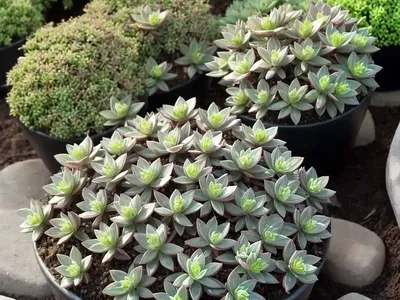
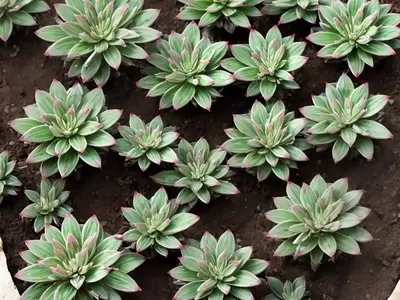
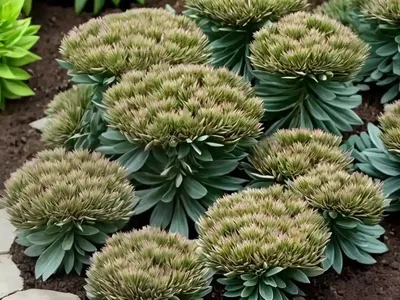
Variegated Lavender Scallops (Kalanchoe Fedtschenkoi ‘variegata’)
Plants come in all shapes, sizes, and colors, and the Variegated Lavender Scallops (Kalanchoe Fedtschenkoi ‘variegata’) is no exception. This unique.
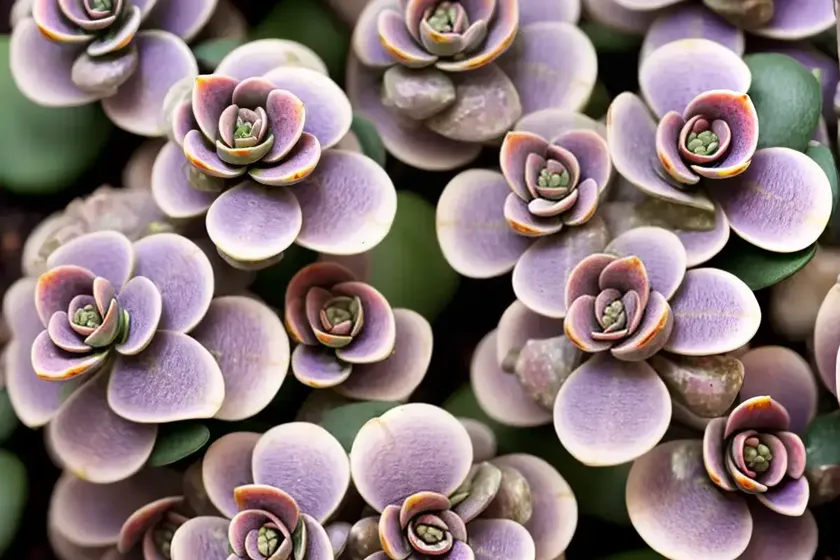
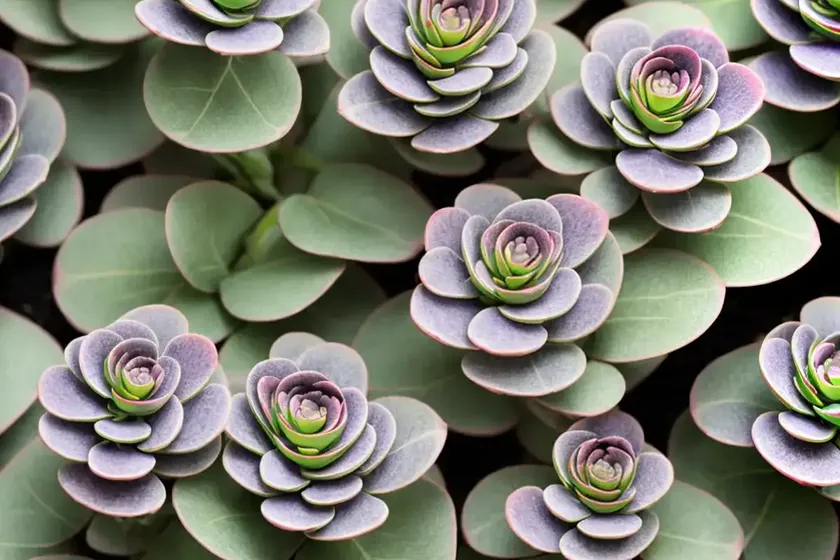
Plants come in all shapes, sizes, and colors, and the Variegated Lavender Scallops (Kalanchoe Fedtschenkoi ‘variegata’) is no exception. This unique succulent is a popular choice for both indoor and outdoor gardens due to its striking variegated leaves and low maintenance requirements. In this comprehensive guide, we will explore everything there is to know about this beautiful plant, including its culture, uses, care requirements, propagation, common diseases, and much more.
What is Variegated Lavender Scallops?
The Variegated Lavender Scallops, scientifically known as Kalanchoe Fedtschenkoi ‘variegata’, is a cultivar of the Kalanchoe Fedtschenkoi plant. It is a succulent plant known for its striking foliage, featuring variegated leaves with shades of purple, lavender, and green. This ornamental plant is native to Madagascar and is a popular choice for both indoor and outdoor gardens due to its unique appearance and low maintenance requirements.
Key Takeaways
Before delving into the details of the Variegated Lavender Scallops, let’s summarize the key takeaways of this plant:
- Plant Name: Variegated Lavender Scallops (Kalanchoe Fedtschenkoi ‘variegata’)
- Cultural Uses: Indoor and outdoor ornamental plant
- Water: Moderate watering needs, drought tolerant
- Sunlight: Prefers bright, indirect light
- Fertilizer: Minimal fertilizer requirements
- Soil: Well-draining succulent soil mix
- Pruning: Minimal pruning requirements
- Propagation: Easily propagated from stem cuttings
- Container Popularity: Well-suited for container gardens
- Common Diseases: Susceptible to root rot in overly wet conditions
- Common Pests: Occasionally affected by mealybugs and aphids
Now that we have an overview of the Variegated Lavender Scallops, let’s delve deeper into each aspect of this fascinating plant.
Culture
Understanding the cultural requirements of the Variegated Lavender Scallops is essential for creating the ideal environment for this beautiful succulent to thrive. This includes considerations such as watering, sunlight, fertilizer, soil, and propagation methods.
Water
Kalanchoe Fedtschenkoi ‘variegata’ exhibits typical succulent characteristics when it comes to watering. It prefers moderate waterings, allowing the soil to dry out between waterings to prevent root rot. Overwatering can be detrimental to the plant, so it is essential to monitor the soil moisture and adjust the watering frequency based on environmental conditions.
- Watering Needs: Water thoroughly when the top inch of the soil is dry to the touch. Allow excess water to drain away and avoid waterlogging the soil.
- Drought Tolerance: This plant exhibits good drought tolerance and can withstand short periods of water scarcity. However, it is essential to provide adequate hydration during extended dry spells, especially in hot climates.
Sunlight
Proper sunlight exposure is crucial for the healthy growth of Variegated Lavender Scallops. As with many succulent plants, it thrives in bright, indirect light and can also tolerate some direct sunlight, particularly in the morning or late afternoon.
- Light Requirements: Place the plant in a location that receives bright, indirect light. Avoid intense midday sunlight, especially in hot climates, as it can scorch the delicate leaves.
- Indoor Placement: When grown indoors, place the plant near a south- or west-facing window to ensure it receives an adequate amount of light.
Fertilizer
Succulent plants, including Variegated Lavender Scallops, have modest fertilizer needs. A balanced fertilizer formulated for succulents can be applied sparingly during the growing season to provide essential nutrients for healthy growth.
- Fertilizing Schedule: Apply a diluted, balanced liquid fertilizer every 2-4 weeks during the growing season (spring and summer). Refrain from fertilizing during the plant’s dormant period in fall and winter.
Soil
As with most succulents, well-draining soil is essential for Variegated Lavender Scallops to prevent waterlogging and root rot. A specialized succulent or cactus potting mix provides the optimal growing medium, ensuring effective drainage and aeration for the plant’s root system.
- Soil Requirements: Use a well-draining succulent and cactus potting mix that provides adequate aeration and drainage. Alternatively, create a custom mix using components such as perlite, coarse sand, and potting soil to enhance drainage.
Uses
The Variegated Lavender Scallops is primarily valued for its ornamental and decorative uses in gardens, containers, and indoor spaces. The striking variegated foliage adds a touch of color and visual interest to any setting, making it a popular choice for various landscaping and decorative purposes.
- Ornamental Plant: The unique coloration and texture of the leaves make Kalanchoe Fedtschenkoi ‘variegata’ a sought-after ornamental plant in both indoor and outdoor settings. It can be featured in rock gardens, succulent displays, and mixed container arrangements for visual impact.
Pruning
Pruning requirements for Variegated Lavender Scallops are minimal, primarily focused on removing any dead or damaged foliage and encouraging a compact growth habit.
- Pruning Techniques: Use clean, sharp pruning shears to trim away any dead or yellowing leaves. Additionally, prune leggy or unruly growth to maintain a tidy appearance.
Propagation
Propagation of the Variegated Lavender Scallops can be easily accomplished through stem cuttings, allowing gardeners to expand their plant collection or share the beauty of this succulent with others.
- Propagation Method: Take 3-4 inch stem cuttings from the parent plant and allow the cut ends to callus for 1-2 days. Plant the cuttings in a well-draining potting mix and keep them lightly moist until new roots develop.
As we continue to explore the fascinating world of the Variegated Lavender Scallops, it is important to address potential challenges that may arise, such as common diseases and pests that can affect the health of the plant.
Common Diseases
While the Variegated Lavender Scallops is relatively resilient, it is susceptible to certain diseases, with root rot being one of the primary concerns associated with overwatering and excessively wet soil conditions.
- Root Rot: Overly wet soil or poor drainage can lead to root rot, causing the plant’s roots to decay and jeopardizing its overall health. To prevent this, ensure that the soil is well-draining and avoid overwatering.
Common Pests
Pests are an occasional nuisance for Variegated Lavender Scallops, with mealybugs and aphids posing potential threats to the plant’s health and appearance.
- Mealybugs: These small, white, cottony insects can infest the leaves and stems of the plant, sapping its vitality. Treat infestations with insecticidal soap or neem oil, targeting the affected areas.
- Aphids: These tiny, pear-shaped insects can cluster on the new growth of the plant, causing leaf distortion and sap depletion. Use a strong stream of water to dislodge aphids from the plant, or apply neem oil to deter and eliminate them.
Botanist’s Tips
To provide additional insights into the care and cultivation of Variegated Lavender Scallops, let’s explore some valuable tips and recommendations from botanists and experienced gardeners:
- Well-Draining Containers: When growing Variegated Lavender Scallops in containers, ensure that the pots have drainage holes to prevent water from pooling at the base.
- Winter Care: During the colder months, protect the plant from freezing temperatures by bringing it indoors or providing adequate frost protection.
Fun Facts
Adding a touch of curiosity and fascination, here are some intriguing fun facts about Variegated Lavender Scallops:
- The variegated leaves of the plant can exhibit a range of colors, including shades of lavender, pink, and silver, creating a visually captivating display.
- Variegated Lavender Scallops can thrive as both a ground cover and a container plant, offering versatility in garden designs.
Links to External Resources
For further exploration of the Variegated Lavender Scallops and to access additional resources and information, consider the following links:
In conclusion, the Variegated Lavender Scallops (Kalanchoe Fedtschenkoi ‘variegata’) is a captivating succulent with distinctive variegated foliage and minimal maintenance requirements. Whether showcased in a container garden, rock garden, or as an indoor decor piece, this ornamental plant offers an abundance of visual appeal and decorative charm. By understanding its cultural needs, addressing potential challenges, and appreciating its unique traits, plant enthusiasts can cultivate and enjoy the beauty of Variegated Lavender Scallops in their homes and gardens.
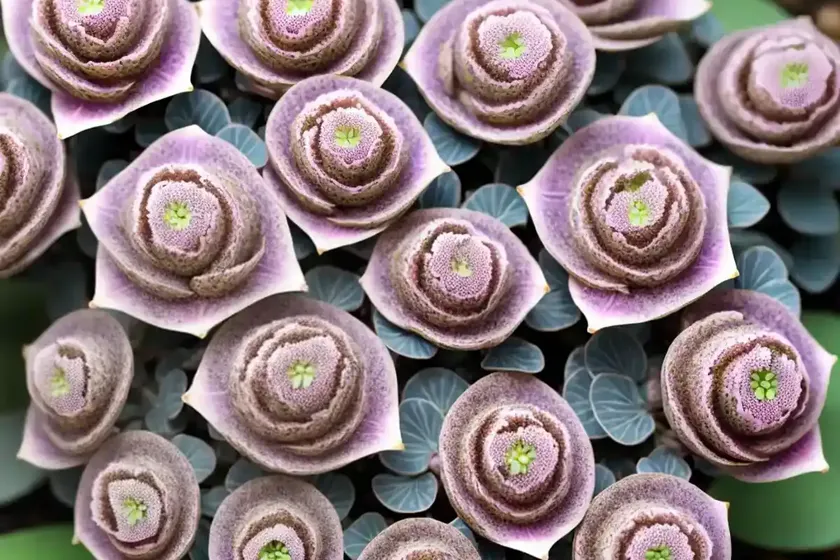
The juxtaposition of delicate lavender and silvery-green shapes clustered together makes a visual impact.
The leaves are oval and concave with scalloped edges. For this reason, they look stunning.
The succulent is drought tolerant plant after established. It means the plant can survive without water for a long period.
The lavender scallops are naturally grown in clusters at the rainforest floor. For this reason, the plant can tolerate low-light conditions.
The lavender scallops also are good choice for ground cover in naturalized and native gardens. It can naturalize in small areas with a large grouping. For this reason, experienced gardeners enjoy it as flower bed, mixed planters and borders. Also it provides excellent cover in summer for spring flowering plants.
References:
The Spruce. (n.d.). Growing Succulents Indoors. The Spruce. link
Gardener’s. (n.d.). Propagating Succulents. Gardener’s. link
University of Minnesota Extension. (n.d.). Mealybugs and Aphids. University of Minnesota Extension. link