Urbinia Echeveria (Echeveria Purpusorum)
Echeveria purpusorum, commonly known as Urbinia echeveria, is a beautiful and unique succulent species that has gained popularity among plant enthusiasts.
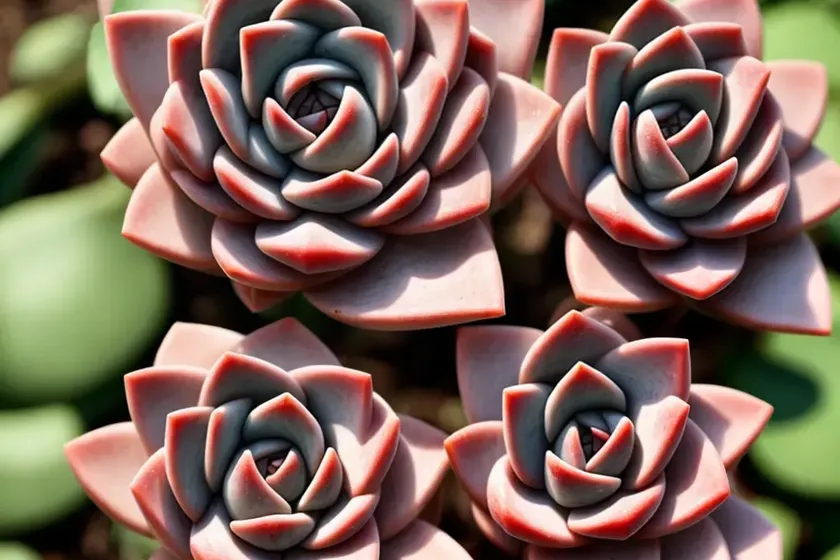
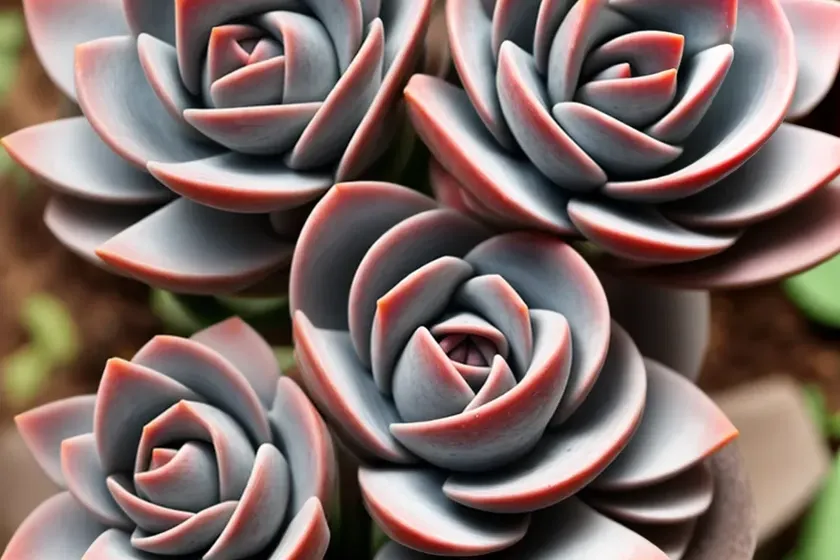
Echeveria purpusorum, commonly known as Urbinia echeveria, is a beautiful and unique succulent species that has gained popularity among plant enthusiasts for its attractive appearance and relatively low maintenance requirements. This plant species belongs to the family Crassulaceae and is native to Mexico, specifically the state of Oaxaca. In this comprehensive guide, we will explore the various aspects of Urbinia echeveria, including its culture, uses, care requirements, common diseases, and much more.
What is Urbinia Echeveria (Echeveria Purpusorum)?
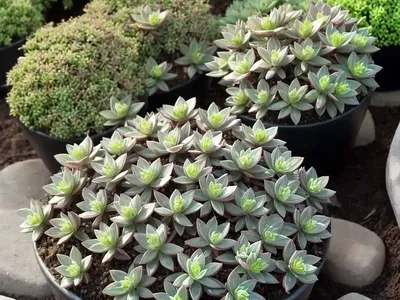
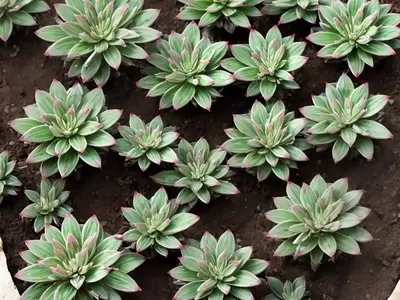
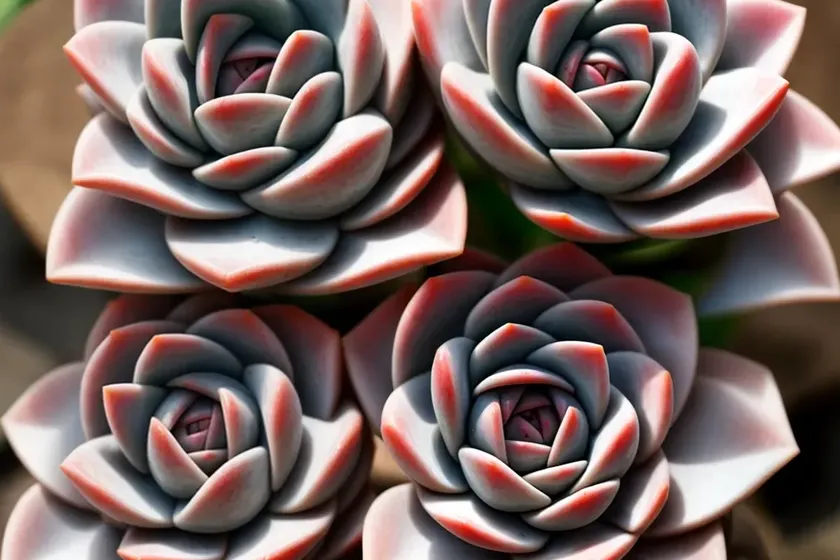
Urbinia echeveria, scientifically classified as Echeveria purpusorum, is a small, rosette-forming succulent with distinct characteristics that set it apart from other Echeveria species. The plant features tight rosettes of triangular, pointed leaves that display an eye-catching combination of dark green coloration and reddish-brown markings. These markings often resemble a series of intricate patterns that add to the plant’s overall appeal.
Echeveria purpusorum is a relatively slow-growing succulent, and under optimal conditions, it can reach a diameter of around 3 to 4 inches (7.5 to 10 cm). As with many Echeveria species, Urbinia echeveria produces attractive flower spikes during the flowering season, adding to its ornamental value.
Key Takeaways
Before delving into the specifics of caring for Urbinia echeveria, let’s take a look at the essential points to keep in mind.
Culture
- Family: Crassulaceae
- Native Habitat: Oaxaca, Mexico
- Characteristics: Rosette-forming succulent with dark green leaves and reddish-brown markings
- Growth Rate: Relatively slow
- Flowering: Produces attractive flower spikes during the flowering season
Uses
- Ornamental: Adds aesthetic appeal to indoor and outdoor spaces
- Container Gardening: Well-suited for container cultivation
- Landscaping: Can be incorporated into a variety of garden designs
Now, let’s explore the specific care requirements for cultivating and maintaining Urbinia echeveria.
Water
- Moderate Watering: Requires well-draining soil and regular watering during the growing season
- Avoid Overwatering: Susceptible to root rot if soil remains excessively wet
- Reduce Watering: Decrease watering frequency during the dormant winter period
Sunlight
- Bright Light: Thrives in bright, indirect sunlight or partial shade
- Protect from Intense Sun: Provide protection from harsh, direct sunlight, especially during hot afternoons
Fertilizer
- Moderate Feeding: Fertilize sparingly during the growing season
- Use Balanced Fertilizer: Apply a balanced, water-soluble fertilizer at half-strength
Soil
- Well-Draining: Requires a well-draining potting mix or succulent/cactus mix
- Aeration: Incorporate materials like perlite or pumice for improved soil structure
Pruning
- Minimal Pruning: Generally does not require extensive pruning
- Remove Dead Leaves: Trim off any dead or dried leaves to maintain appearance
Propagation
- Leaf Cuttings: Can be propagated from leaf cuttings with high success rate
- Offsets: Offsets or “pups” can also be separated and replanted for propagation
Container
- Suitable for Containers: Well-suited for container cultivation
- Provide Drainage: Ensure containers have drainage holes to prevent waterlogging
Popularity
- Growing Popularity: Gaining popularity among succulent enthusiasts and collectors
- Ornamental Value: Valued for its striking appearance and compact growth habit
Now that we have covered the basic care requirements and characteristics of Urbinia echeveria, let’s delve deeper into each aspect, providing a comprehensive guide for plant owners and enthusiasts.
Common Diseases
Urbinia echeveria, like many succulent species, is generally resilient to pests and diseases when provided with suitable growing conditions. However, certain issues may arise, and it’s important to be aware of common diseases that can affect this plant.
Disease Diagnosis
- Root Rot: Caused by overwatering and poor soil drainage
- Powdery Mildew: Fungal infection favored by high humidity and poor air circulation
- Leaf Spot: Manifests as dark, water-soaked lesions on leaves, often due to overly wet conditions
Addressing these issues promptly is crucial in maintaining the health and vitality of Urbinia echeveria. We will discuss preventative measures and treatment options in the sections that follow.
Common Pests
While Urbinia echeveria is relatively resistant to pests, some common insects may still pose a threat to its well-being. Understanding these pests and implementing effective control measures is essential for safeguarding the plant.
Common Pests
- Mealybugs: Small, white, cottony insects that feed on plant sap
- Aphids: Tiny, soft-bodied insects often found clustered on new growth
- Spider Mites: Minuscule pests that leave webbing on the plant and cause stippling on leaves
Proactive pest management and regular inspection of the plant can help prevent infestations and keep Urbinia echeveria healthy.
Botanist’s Tips
As a plant scientist, I’ve had the opportunity to study and work with various plant species, including succulents like Urbinia echeveria. Here are some additional tips and insights that can enhance your experience of caring for this captivating plant.
Botanist’s Insights
- Observation is Key: Regularly observe the plant for signs of stress, pests, or disease
- Balanced Approach: Strive for a balance in watering, sunlight, and overall care practices
- Seasonal Adjustments: Tailor care routines to accommodate seasonal changes in light and temperature
By incorporating these tips into your care routine, you can promote the well-being and longevity of Urbinia echeveria.
Fun Facts
In addition to its ornamental value and unique characteristics, Urbinia echeveria has some fascinating attributes that make it a standout addition to any plant collection. Let’s explore some interesting facts about this captivating succulent.
Interesting Tidbits
- Native Habitat: Originates from the rugged landscapes of Oaxaca, Mexico
- Drought Tolerance: Well-adapted to arid conditions and reduced watering frequency
- Leaf Propagation: Capable of producing new plants from individual leaves, allowing for easy propagation
- Architectural Form: Rosettes exhibit a symmetrical, architectural quality, enhancing visual appeal
These fun facts not only provide insight into the plant’s natural history but also add a layer of appreciation for its resilience and adaptability.
Links to External Resources
To further enrich your knowledge and understanding of Urbinia echeveria (Echeveria purpusorum), I’ve compiled a curated list of external resources that offer valuable information and insights on this fascinating succulent.
External Resources
- Echeveria Purpusorum Care Guide
- Urbinia Echeveria Varieties
- Echeveria Purpusorum Propagation Techniques
- Urbinia Echeveria Planting Tips
- Echeveria Purpusorum Sunlight and Watering Requirements
- Urbinia Echeveria Soil Type and Composition
- Echeveria Purpusorum Indoor Gardening Tips
- Urbinia Echeveria Outdoor Growing Guide
- Echeveria Purpusorum Disease Prevention
- Urbinia Echeveria Pest Control Measures
- Echeveria Purpusorum Pruning Techniques
- Urbinia Echeveria Winter Care Guidelines
- Echeveria Purpusorum Potting Tips
- Urbinia Echeveria Repotting Guide
- Echeveria Purpusorum Fertilization Practices
- Urbinia Echeveria Companion Plants
- Echeveria Purpusorum in Container Gardening
- Urbinia Echeveria Landscaping Ideas
- Echeveria Purpusorum Growth Stages
- Urbinia Echeveria Beginner’s Guide
- Echeveria Purpusorum Natural Habitat
- Urbinia Echeveria Benefits and Uses
- Echeveria Purpusorum Common Problems
- Urbinia Echeveria Tips and Tricks
- Echeveria Purpusorum Decorative Uses
- Urbinia Echeveria Medicinal Properties
- Echeveria Purpusorum Companion Planting Ideas
- Urbinia Echeveria Drought Tolerance
- Echeveria Purpusorum Garden Design Inspiration
- Urbinia Echeveria Soil pH Preference
- Echeveria Purpusorum Temperature Range
- Urbinia Echeveria Seasonal Care Tips
- Echeveria Purpusorum Unique Characteristics
- Urbinia Echeveria Garden Maintenance Practices
- Echeveria Purpusorum Leaf Propagation Guide
These resources offer a wealth of information on topics ranging from care techniques to gardening inspiration, making them invaluable references for any Urbinia echeveria enthusiast.
In conclusion, Urbinia echeveria (Echeveria purpusorum) is a captivating succulent that captivates with its ornamental appeal and relatively undemanding care requirements. By understanding its specific needs and following best practices for cultivation, you can enjoy the beauty of this unique plant in your own home or garden. Whether you’re a seasoned succulent enthusiast or a beginner looking to explore the world of Echeverias, Urbinia echeveria is sure to leave a lasting impression with its distinctive charm and resilience.