Umbrella Bamboo (Fargesia Murielae)
Bamboos are often a popular choice for gardeners and landscapers due to their aesthetic appeal, practical uses, and adaptability to various conditions. One.
Introduction
Bamboos are often a popular choice for gardeners and landscapers due to their aesthetic appeal, practical uses, and adaptability to various conditions. One such species that stands out is the Umbrella Bamboo, scientifically known as Fargesia Murielae. In this guide, we will delve into the characteristics, care tips, and uses of this fascinating plant. Whether you are a seasoned gardener or a novice enthusiast, this comprehensive guide will equip you with the knowledge to successfully cultivate and appreciate the beauty of Umbrella Bamboo.
What is Umbrella Bamboo (Fargesia Murielae)?
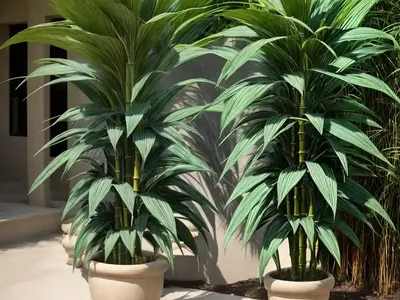
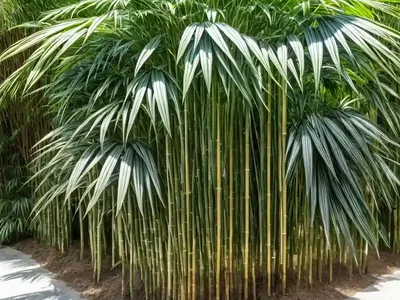
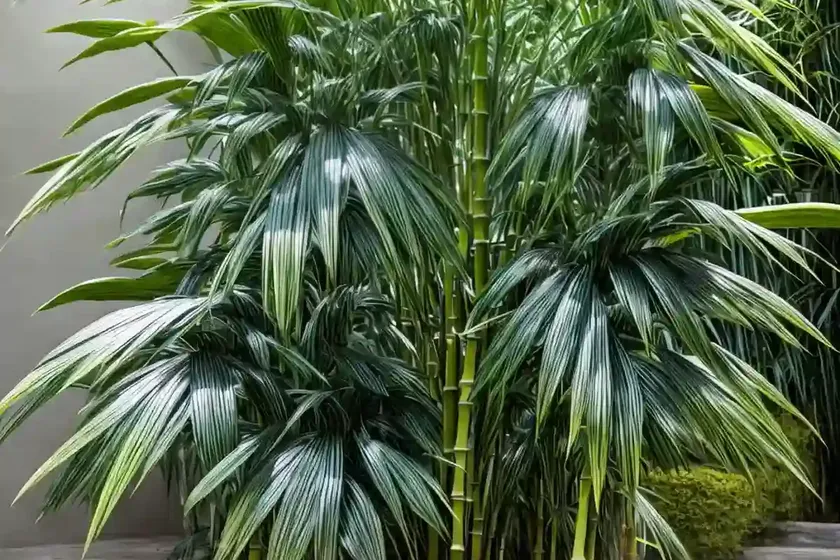
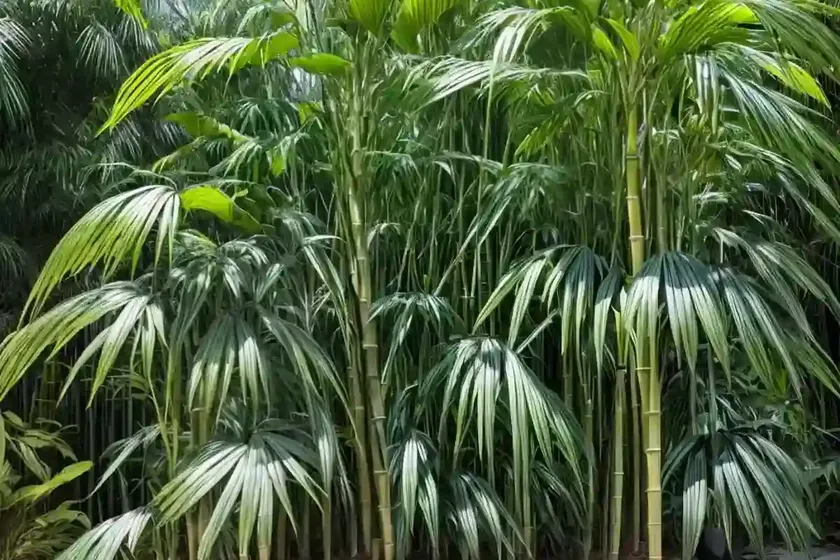
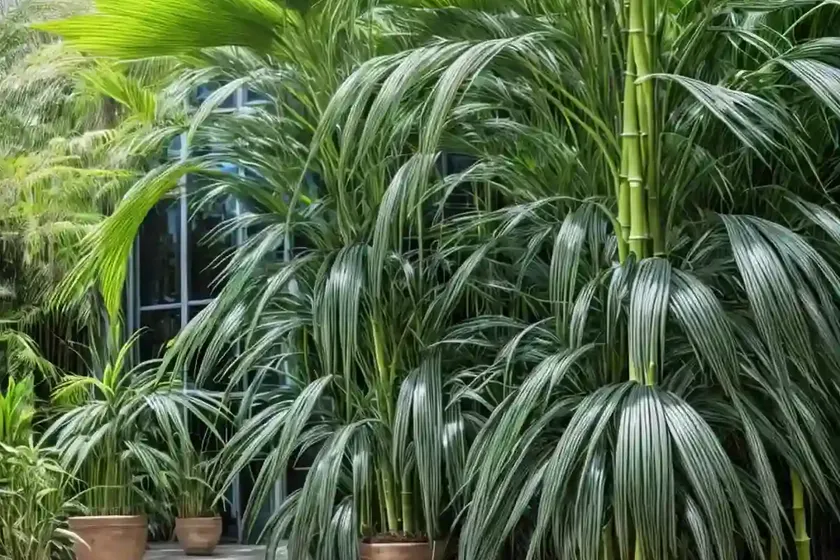
Umbrella Bamboo, or Fargesia Murielae, is a clumping bamboo species native to the mountainous regions of China. It is a non-invasive bamboo, making it a popular choice for those who wish to enjoy the elegance of bamboo without the concerns of it spreading uncontrollably. The plant is named for its distinct umbrella-like shape, which develops as the thin green canes arch gracefully, creating a lush and vibrant screen of foliage.
Umbrella Bamboo at a Glance
- Common Name: Umbrella Bamboo
- Scientific Name: Fargesia Murielae
- Family: Poaceae
- Origin: China
- Type: Clumping Bamboo
- Height: 8-10 feet
- Foliage: Evergreen
- USDA Hardiness Zones: 5-9
- Uses: Ornamental, Privacy Screen, Erosion Control, Sound Barrier
Key Takeaways – Umbrella Bamboo (Fargesia Murielae)
Before delving into the specifics of growing and caring for Umbrella Bamboo, let’s highlight some key takeaways that encapsulate the essential aspects of this plant.
- Characteristics: Umbrella Bamboo is characterized by its gracefully arching canes and delicate foliage, creating a dense and elegant screen.
- Cultural Uses: It is utilized for ornamental purposes, privacy screening, erosion control, and as a sound barrier.
- Water: Fargesia Murielae prefers consistently moist soil and benefits from regular watering, especially during dry periods.
- Sunlight: It thrives in partial to full shade, making it an excellent choice for shaded gardens and landscapes.
- Fertilizer: Organic, slow-release fertilizers applied annually promote healthy growth and lush foliage.
- Soil: Well-draining, fertile soil that retains moisture is ideal for this bamboo species.
- Pruning: Minimal pruning is required, primarily to remove dead or damaged canes and to maintain its attractive shape.
- Propagation: Propagation is typically achieved through division, which is best carried out in early spring.
- Container Popularity: Its clumping growth habit makes it well-suited for container cultivation.
Culture
Understanding the cultural requirements of Umbrella Bamboo lays the foundation for successfully nurturing this plant and maximizing its aesthetic and functional appeal. Let’s explore the essential elements of cultivating Fargesia Murielae.
Water
Watering Requirements: Umbrella Bamboo thrives in consistently moist soil. While it does not tolerate waterlogged conditions, it is important to ensure that the soil does not dry out, especially during the plant’s establishment. Regular watering, particularly during dry spells, is crucial for maintaining the health and vitality of the bamboo.
Watering Tips:
– Water deeply and regularly, especially during the first year after planting.
– Mulching around the base of the plant helps retain soil moisture and regulates temperature.
Sunlight
Light Preferences: Fargesia Murielae thrives in partial to full shade. It is an excellent choice for shaded gardens and landscapes, where its lush green foliage can illuminate and enliven darker corners. While it can tolerate some sun, especially in cooler climates, providing dappled or filtered light is ideal for optimal growth and appearance.
Lighting Considerations:
– When planting, consider the natural light conditions of the chosen location, aiming for areas with partial to full shade.
– Protect from harsh midday sun, especially in warmer regions, to prevent leaf scorch.
Fertilizer
Fertilization Practices: Applying a balanced, slow-release fertilizer once a year in the spring supports healthy growth and vibrant foliage. Organic fertilizers are recommended, as they contribute to soil health and sustainability.
Fertilizing Tips:
– Use a fertilizer with a balanced NPK ratio to provide essential nutrients without promoting excessive lush growth.
– Apply the fertilizer evenly around the root zone and water thoroughly afterward.
Soil
Soil Requirements: Umbrella Bamboo thrives in well-draining, fertile soil that retains moisture. Amending the soil with organic matter, such as compost or well-rotted manure, enhances its structure and fertility, providing an optimal growing medium for Fargesia Murielae.
Soil Considerations:
– Test the soil pH and texture before planting to ensure it meets the plant’s requirements.
– Regularly enrich the soil with organic amendments to maintain its fertility and structure.
Pruning
Pruning is a minimal yet essential aspect of Umbrella Bamboo care. While this species typically maintains its graceful form with minimal intervention, there are specific considerations when it comes to pruning.
Pruning Guidelines
- Remove dead or damaged canes: Regularly inspect the plant and remove any dead or damaged canes to maintain a tidy and healthy appearance.
- Thinning overgrown canes: If the bamboo becomes overly dense, thinning out some of the canes can improve air circulation and promote overall vigor.
- Maintain shape: Gently shape the bamboo by selectively trimming wayward canes to achieve the desired appearance.
Propagation
Propagating Umbrella Bamboo enables gardeners to expand their bamboo collection or share this delightful plant with others. While Fargesia Murielae primarily spreads through its rhizomes, division is the most common and effective method for propagating this clumping bamboo.
Division Method
Optimal Time: Early spring is the best time for dividing Umbrella Bamboo, coinciding with the plant’s natural growth period.
Steps:
1. Carefully dig around the outer edge of the bamboo clump, aiming to unearth a portion of the rhizome system and attached canes.
2. Gently separate the divided section from the parent plant, ensuring it retains an adequate root system and viable canes.
3. Replant the divided portion in a prepared site or container, providing ample water and care to support its establishment.
Container Cultivation
Umbrella Bamboo’s clumping growth habit makes it well-suited for container cultivation, offering versatility and beauty for those with limited garden space or those seeking to accentuate their outdoor living areas.
Container Considerations
- Container Size: Select a spacious container that accommodates the plant’s eventual size, allowing ample room for root development and stability.
- Drainage: Ensure the container has adequate drainage holes to prevent waterlogging, promoting aeration and healthy root growth.
- Soil: Choose a well-draining, high-quality potting mix rich in organic matter to provide the necessary nutrients and moisture retention.
Popularity
Umbrella Bamboo, with its striking appearance and versatile uses, has gained popularity among gardeners, landscapers, and nature enthusiasts. Its non-invasive nature, graceful form, and array of benefits contribute to its widespread appeal.
Common Uses
- Ornamental Appeal: Its lush foliage and graceful canes add a touch of elegance to any landscape, serving as a stunning focal point or backdrop.
- Privacy Screening: Utilized to create natural privacy screens, particularly in urban or suburban settings where boundaries benefit from a verdant and attractive barrier.
- Erosion Control: Its dense root system aids in stabilizing soil, making it valuable for preventing erosion in sloped areas or garden landscapes.
- Sound Barrier: Planted strategically, Umbrella Bamboo can help mitigate noise pollution, providing a tranquil and secluded atmosphere.
Common Diseases
Despite its resilience, Umbrella Bamboo may encounter certain diseases that can impact its health and appearance. By staying vigilant and understanding the potential ailments, gardeners can effectively safeguard the plant and take prompt measures when needed.
Disease Diagnosis
- Powdery Mildew: Identified by a powdery white coating on the foliage, often caused by inadequate air circulation and excess humidity.
- Leaf Spot: Visible as dark spots or lesions on the leaves, indicating a fungal infection that may proliferate in overly wet conditions.
- Root Rot: Symptoms include wilting foliage, yellowing leaves, and stunted growth, signaling the presence of root-damaging pathogens.
- Bamboo Mosaic Virus: Characterized by mosaic patterns and discoloration on the foliage, potentially leading to diminished vigor and stunted growth.
Preventive Measures:
– Ensure adequate air circulation: Prune and thin the canopy as needed to promote air movement and reduce humidity.
– Monitor watering: Avoid overwatering and aim to water at the base of the plant to minimize foliage wetting.
– Practice good sanitation: Remove and dispose of any affected foliage promptly to prevent the spread of diseases.
Common Pests
Pests can pose a threat to the health and growth of Umbrella Bamboo, necessitating preventive measures and early intervention to mitigate potential damage.
Potential Pests
- Aphids: Small, sap-sucking insects that may cause distorted or yellowing foliage, particularly on new growth.
- Scale Insects: Identified by small, waxy bumps on the canes and leaves, diminishing the plant’s vigor and appearance.
- Mealybugs: Cottony, white pests often found on the undersides of leaves, affecting the plant’s overall health and vitality.
Control Strategies:
– Horticultural oils: Apply horticultural oils to suffocate and control soft-bodied pests, such as aphids and mealybugs.
– Natural predators: Encourage the presence of beneficial insects, such as ladybugs, lacewings, and predatory wasps, that prey on common bamboo pests.
– Physical removal: Inspect the plant regularly and manually remove any visible pests to prevent population growth and subsequent damage.
Botanist’s Tips
As we embark on the journey of cultivating and appreciating Umbrella Bamboo, it’s invaluable to glean insights and tips from seasoned botanists and horticulturists. Their wisdom and experience provide valuable guidance for establishing and nurturing this captivating plant.
Expert Recommendations
- Soil amendment: Periodically enrich the soil with organic matter to maintain its fertility and structure, supporting the long-term health of Umbrella Bamboo.
- Strategic planting: Consider the plant’s eventual size and form when planning its placement, allowing ample space for its graceful arching canes and lush foliage.
- Vigilant monitoring: Regularly inspect the plant for signs of pests and diseases, taking prompt action to maintain its vitality and ornamental appeal.
Fun Facts
Embracing the captivating world of Umbrella Bamboo unveils an array of intriguing and delightful facts that enrich our appreciation of this remarkable plant.
- Symbolism: In many cultures, bamboo symbolizes resilience, longevity, and tranquility, adding a profound and symbolic dimension to its presence in gardens and landscapes.
- Versatile Uses: Beyond its ornamental value, bamboo has been utilized for diverse purposes, including construction, crafts, culinary implements, and musical instruments in various societies around the world.
- Ecological Contribution: Bamboos, including Fargesia Murielae, play a vital role in ecosystems, providing habitat and sustenance for diverse wildlife, from insects to larger mammals.
Links to External Resources
To further enrich your understanding of Umbrella Bamboo and expand your plant care knowledge, here are some recommended external resources:
- American Bamboo Society
- Royal Horticultural Society – Growing Bamboo
- University of Florida IFAS Extension – Bamboo for Home Gardens
As we conclude this comprehensive guide to Umbrella Bamboo (Fargesia Murielae), we hope that you find inspiration and valuable insights to cultivate, appreciate, and enjoy the beauty and practical benefits of this remarkable plant. Whether adorning a tranquil garden retreat, providing a natural privacy screen, or contributing to the ecological fabric of your surroundings, Umbrella Bamboo stands as a testament to the enduring allure and utility of nature’s botanical wonders.