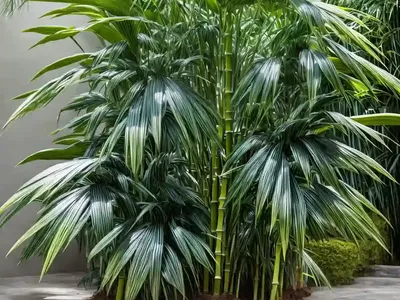
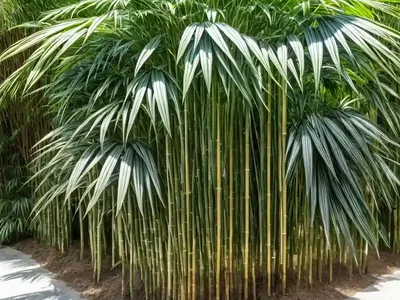
Dragon Head Bamboo (Fargesia Rufa)
As a plant scientist with a passion for exploring the diverse world of flora, one finds solace in the beauty and resilience of plants. Each plant has a.
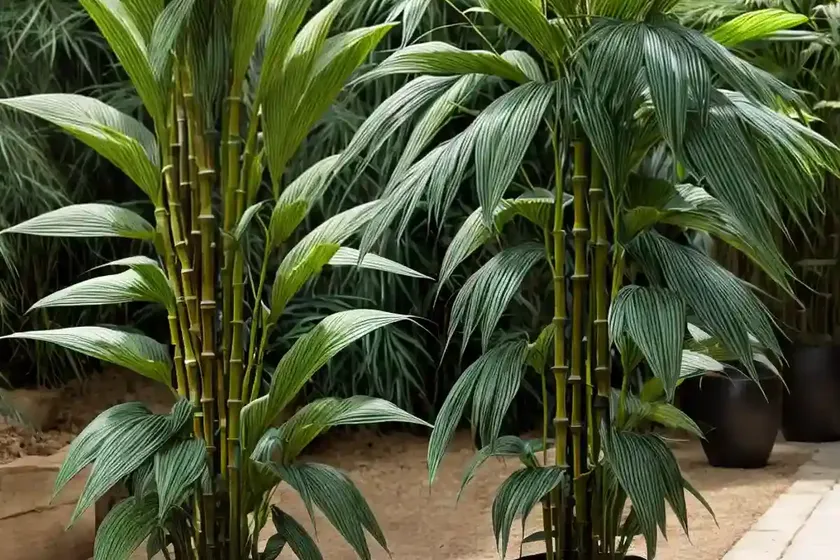
As a plant scientist with a passion for exploring the diverse world of flora, one finds solace in the beauty and resilience of plants. Each plant has a unique story to tell and offers a plethora of benefits to the ecosystem. In this blog, we will delve into the enchanting world of Dragon Head Bamboo or Fargesia Rufa, a fascinating plant that offers numerous ecological and aesthetic advantages.
What is Dragon Head Bamboo (Fargesia Rufa)?
Dragon Head Bamboo, scientifically known as Fargesia Rufa, is a clumping bamboo species that belongs to the Poaceae family. Unlike the invasive running bamboo species, clumping bamboos like Fargesia Rufa grow in tightly packed clumps, making them an excellent choice for gardeners seeking non-invasive bamboo varieties. Native to China, this bamboo species is highly valued for its ornamental appeal, fast growth rate, and low maintenance requirements.
Key Takeaways – Dragon Head Bamboo (Fargesia Rufa)
Before we dive into the detailed plant care guide for Dragon Head Bamboo, let’s glimpse at the key takeaways for this fascinating species:
- Dragon Head Bamboo, also known as Fargesia Rufa, is a clumping bamboo native to China.
- It is prized for its ornamental qualities, fast growth rate, and non-invasive nature.
- This bamboo species is well-suited for landscaping, privacy screens, and creating natural barriers.
- Dragon Head Bamboo thrives in moist, well-draining soil and requires adequate sunlight to flourish.
- The plant is low-maintenance and offers several ecological benefits, such as air purification and wildlife shelter.
With these key takeaways in mind, let’s explore the comprehensive care guidelines for Dragon Head Bamboo, covering its cultural preferences, uses, and maintenance techniques.
Culture
Uses
Dragon Head Bamboo, with its graceful appearance and dense foliage, serves various practical and aesthetic purposes in landscaping and gardening. Here are some common uses of Fargesia Rufa:
- Privacy Screens: Due to its rapid growth and dense clumping habit, Dragon Head Bamboo is widely utilized to create natural privacy screens in gardens and outdoor spaces.
- Landscaping: The ornamental appeal of Fargesia Rufa makes it an ideal choice for ornamental landscaping, adding a touch of elegance to gardens.
- Erosion Control: The strong root system of this bamboo species helps in preventing soil erosion, making it suitable for stabilizing slopes and embankments.
- Wildlife Shelter: Dragon Head Bamboo provides shelter and nesting sites for birds and small mammals, contributing to the biodiversity of garden ecosystems.
- Air Purification: Like all bamboo species, Fargesia Rufa actively contributes to air purification, making it a sustainable choice for outdoor and indoor green spaces.
Water
Proper watering is crucial for the healthy growth of Dragon Head Bamboo. While Fargesia Rufa exhibits good drought tolerance once established, it thrives in consistently moist soil, especially during its initial establishment phase. Adequate watering helps in promoting vigorous growth and lush foliage.
Key Watering Tips:
- Establishment Phase: During the first year of planting, ensure that Dragon Head Bamboo receives regular and thorough watering to aid in root development and establishment.
- Regular Maintenance: Once mature, maintain consistent moisture levels in the soil, particularly during dry spells or hot weather.
- Avoid Waterlogging: While the plant prefers moist soil, it is essential to prevent waterlogging, as excessively wet conditions can lead to root rot and other issues.
Sunlight
Being a sun-loving plant, Dragon Head Bamboo thrives in locations with ample sunlight. While it can tolerate partial shade, providing sufficient sunlight is key to promoting robust growth and vibrant foliage.
Sunlight Requirements:
- Full Sun: Ideally, plant Fargesia Rufa in a location that receives at least 6-8 hours of direct sunlight daily for optimal growth.
- Partial Shade: While the plant prefers full sun, it can adapt to partial shade conditions, especially in regions with intense summer heat.
Fertilizer
Proper fertilization plays a vital role in sustaining the health and vigor of Dragon Head Bamboo. By supplying essential nutrients, fertilizers support the plant’s growth, boost foliage density, and enhance overall vitality.
Fertilization Guidelines:
- Balanced Fertilizer: Apply a balanced, slow-release fertilizer in spring to provide a steady supply of nutrients throughout the growing season.
- Organic Amendments: Incorporating organic matter, such as compost or well-rotted manure, into the soil around the base of the plant can enhance soil fertility and support the long-term health of Dragon Head Bamboo.
Soil
Fargesia Rufa thrives in loose, well-drained soil with high organic content. A fertile and well-aerated soil structure supports the robust growth and development of the plant, ensuring optimal nutrient uptake and root system health.
Soil Preferences:
- Loamy Soil: Plant Dragon Head Bamboo in loamy soil, which offers a balanced mix of sand, silt, and clay, providing good drainage and moisture retention.
- Acidic to Neutral pH: The plant prefers soil with a slightly acidic to neutral pH range, typically between 5.5 and 7.0.
Pruning
Regular pruning is essential for maintaining the desired shape and size of Dragon Head Bamboo, promoting air circulation, and removing any dead or damaged canes. Pruning practices also contribute to the overall health and aesthetics of the plant.
Pruning Techniques:
- Thinning Out: Periodically thin out older, weak, or crowded canes to allow space for new growth and maintain the plant’s vigor.
- Height Control: Trim the tops of the canes to manage the height of the plant, keeping it within the desired limits for landscaping or container growth.
- Sanitization: Use clean and sharp pruning tools to make precise cuts, preventing the spread of diseases and ensuring the efficiency of the pruning process.
Propagation
While Dragon Head Bamboo primarily spreads through its rhizome system, gardeners can propagate new plants through division or clump separation. These propagation methods offer an opportunity to multiply the plant’s presence in the garden or create new clumps for landscaping purposes.
Propagation Techniques:
- Division: During the plant’s dormant season, carefully divide the clumps, ensuring that each division features a healthy root system and adequate canes for sustaining growth.
- Clump Separation: Separate smaller clumps from the main plant, ensuring that each division contains a balanced mix of canes and roots for successful establishment.
Container Popularity
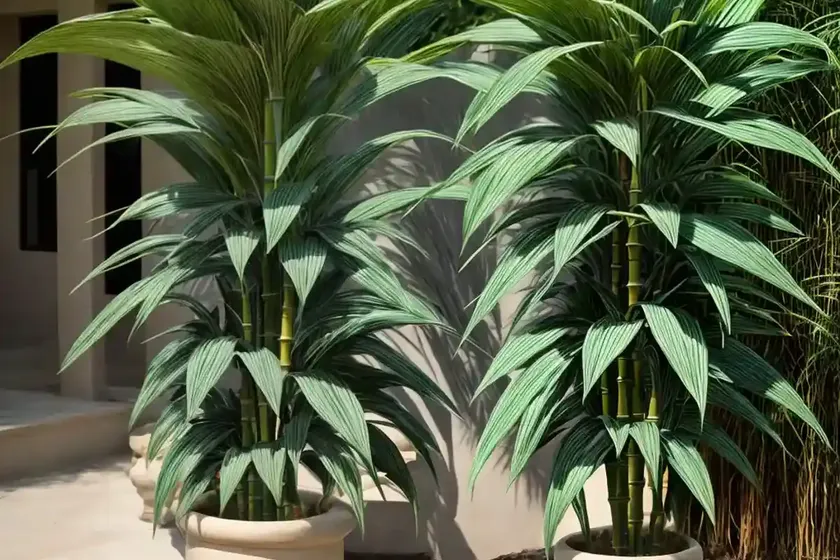
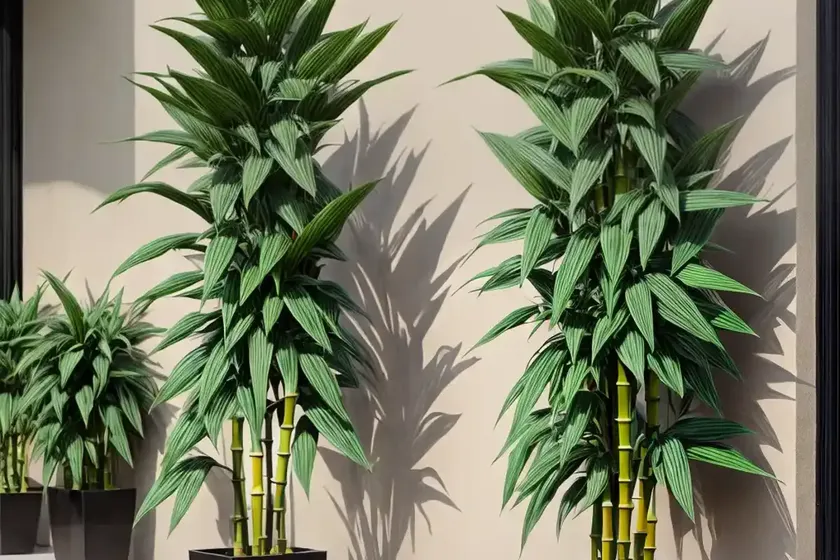
The adaptability and non-invasive nature of Dragon Head Bamboo make it a popular choice for container gardening. Its graceful appearance and ease of maintenance make it an excellent plant for adding allure to outdoor spaces and patios.
Container Gardening Benefits:
- Versatile Decoration: Fargesia Rufa adds a touch of lush greenery and elegance to outdoor spaces, such as balconies, terraces, and entryways.
- Space Management: Container growth allows for easy management of the plant’s size and spread, making it suitable for smaller gardens or restricted landscapes.
- Movable Ornament: Containers offer the flexibility to move and rearrange Dragon Head Bamboo, enabling dynamic and versatile outdoor decor.
Common Diseases
While Dragon Head Bamboo is generally resistant to most diseases and pests, certain environmental conditions or cultural practices may lead to the development of specific issues. Understanding common diseases and their diagnosis is crucial in maintaining the plant’s health.
Disease Diagnosis
Common Diseases:
- Bamboo Mosaic Virus: Characterized by yellow or mosaic patterns on the leaves, this viral disease affects the overall vigor and appearance of the plant.
- Root Rot: Excessive moisture or waterlogged soil can lead to root rot, causing the plant to exhibit wilting, yellowing foliage, and a decline in overall health.
- Leaf Spot: Fungal pathogens can cause spotting or browning of the leaves, potentially reducing the ornamental appeal of Dragon Head Bamboo.
Disease Management
Preventive Measures:
- Proper Watering: Avoid overwatering and ensure well-drained soil to prevent the onset of root rot and fungal diseases.
- Sanitary Practices: Regularly remove and dispose of any diseased or damaged foliage to prevent the spread of diseases within the plant.
Common Pests
Dragon Head Bamboo is relatively resistant to pest infestations, owing to its strong and fibrous culm structure and the presence of natural deterrents. However, some pests may occasionally target the plant, requiring proactive measures to manage infestations.
Potential Pests:
- Aphids: These tiny, sap-sucking insects can cluster on new growth, causing deformities and weakening the plant.
- Spider Mites: Spider mites may infest the undersides of leaves, leading to discoloration and stippling on the foliage.
Integrated Pest Management:
- Beneficial Predators: Encourage natural predators such as ladybugs or lacewings that feed on aphids and other potential pests, helping maintain a balanced ecosystem in the garden.
- Horticultural Oils: Application of horticultural oils or insecticidal soaps can effectively control pest populations while minimizing environmental impact.
Botanist’s Tips
As a plant scientist deeply passionate about the world of botanical wonders, I have gathered some key insights and tips for successfully caring for Dragon Head Bamboo (Fargesia Rufa). Here are a few essential guidelines:
- Observation is Key: Regularly observe the plant for any signs of stress, disease, or pests, allowing for early intervention and mitigation of potential issues.
- Healthy Soil, Healthy Plant: Prioritize soil health and fertility, as it forms the foundation for the robust growth and vitality of Dragon Head Bamboo.
- Appropriate Placement: Select the planting location strategically, considering the plant’s sunlight and space requirements to ensure optimal growth and aesthetic appeal.
Fun Facts
Before concluding our comprehensive care guide for Dragon Head Bamboo, here are some captivating and lesser-known facts about this remarkable plant:
- Symbolic Significance: In Chinese culture, bamboo is revered for its resilience, grace, and symbolism of strength and prosperity, making it a cherished theme in art, literature, and folklore.
- Sustainable Resource: The versatile nature of bamboo allows for various applications, from construction and craftsmanship to culinary use, showcasing its diverse ecological and cultural significance.
- Panda Forage: Certain species of clumping bamboo, including Fargesia Rufa, serve as a primary food source for giant pandas, underlining the critical role of bamboo in the preservation of endangered species.
Links to External Resources
I highly encourage enthusiasts and gardeners to explore additional resources and information on Dragon Head Bamboo and Fargesia Rufa to gain a deeper understanding of this captivating plant species. Here are some valuable references for further exploration:
- Royal Horticultural Society – Fargesia Rufa Plant Profile
- American Bamboo Society – Dragon Head Bamboo Varieties
- Missouri Botanical Garden – Bamboo Gardening Guide
In conclusion, Dragon Head Bamboo (Fargesia Rufa) represents a captivating and versatile plant species with an array of practical and ecological benefits. By understanding its cultural preferences, uses, and maintenance guidelines, gardeners and enthusiasts can cultivate thriving and enchanting landscapes featuring the timeless allure of this clumping bamboo. Whether used for privacy screens, ornamental landscaping, or ecological sustainability, Dragon Head Bamboo continues to weave its elegant charm into diverse outdoor environments. Embrace the beauty and resilience of Fargesia Rufa, and let the allure of this graceful bamboo species adorn your garden with timeless elegance and ecological vitality.
Happy gardening! 🌿