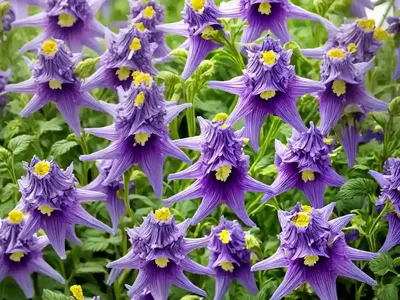
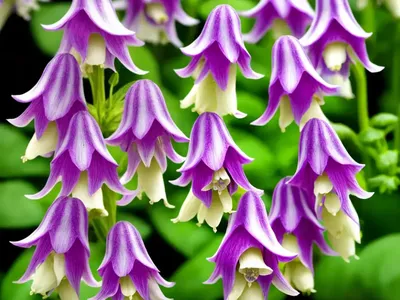
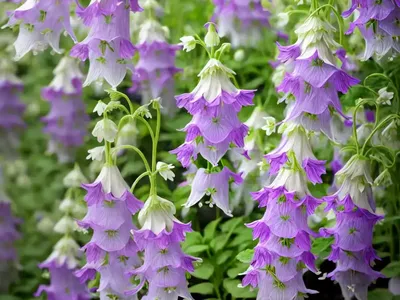
Tussock Bellflower (Campanula Carpatica)
Plants play an essential role in our lives, providing oxygen, food, and natural beauty. Among the vast diversity of flora, the Tussock Bellflower.
Introduction
Plants play an essential role in our lives, providing oxygen, food, and natural beauty. Among the vast diversity of flora, the Tussock Bellflower (Campanula Carpatica) stands out as a stunning and versatile plant that can enhance any garden or landscape. In this comprehensive guide, we will explore the culture, uses, care requirements, and maintenance of the Tussock Bellflower, providing valuable insights for plant enthusiasts and horticulturalists alike.
What is Tussock Bellflower (Campanula Carpatica)?
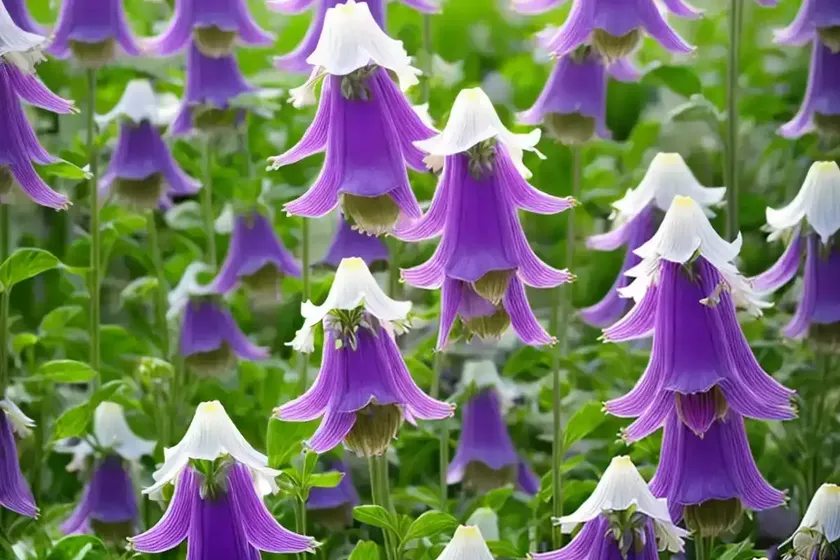
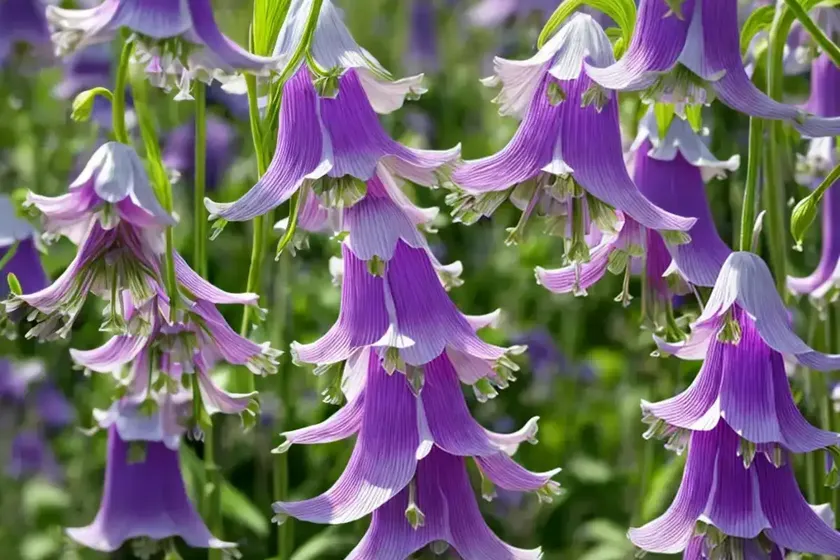
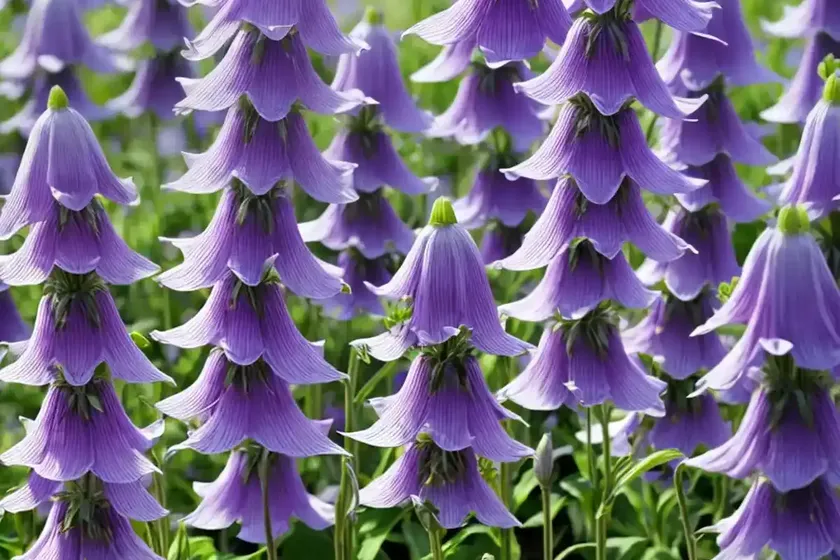
Tussock Bellflower, scientifically known as Campanula Carpatica, is a perennial herbaceous plant belonging to the Campanulaceae family. It is native to the Carpathian Mountains in Central and Eastern Europe. This elegant plant is admired for its charming bell-shaped flowers and compact growth habit, making it a popular choice for gardens, borders, and rockeries.
Tussock Bellflower (Campanula Carpatica): Key Takeaways
Let’s begin by summarizing the essential aspects of Tussock Bellflower, ranging from its cultural requirements to common pests and diseases.
- Culture
- Tussock Bellflower is a perennial plant that thrives in temperate climates.
-
It is cherished for its compact size and profuse blooming qualities, making it an excellent choice for small gardens and containers.
-
Uses
- This versatile plant serves various purposes in gardens, including as edging plants, ground covers, and ornamental features in mixed borders.
-
Its charming flowers also make it a popular choice for cut flower arrangements and floral decorations.
-
Water
-
Tussock Bellflower prefers moderate watering, maintaining evenly moist soil to support healthy growth and flowering.
-
Sunlight
-
It thrives in partial shade to full sun conditions, making it adaptable to different light exposures.
-
Fertilizer
-
The plant benefits from a balanced, all-purpose fertilizer applied in early spring to promote robust flowering.
-
Soil
-
Well-draining, fertile soils with a slightly acidic to neutral pH are ideal for Tussock Bellflower.
-
Pruning
-
Regular deadheading of spent blooms can encourage continuous flowering and maintain a tidy appearance.
-
Propagation
- Tussock Bellflower can be propagated through division or from seeds, offering flexibility in plant multiplication.
Tussock Bellflower (Campanula Carpatica): Culture
To cultivate Tussock Bellflower successfully, it’s essential to understand its cultural requirements, starting from its watering needs to its preferred sunlight conditions and soil preferences.
Water
Proper watering is crucial for the health and vitality of Tussock Bellflower. While it appreciates consistent moisture, it’s important to avoid waterlogged conditions that can lead to root rot. During dry periods, regular watering is advised to support vigorous growth and flowering. Mulching the soil surface can help retain moisture and regulate soil temperature, promoting optimal plant performance.
Sunlight
Tussock Bellflower thrives in partial shade to full sun environments. In regions with intense summer heat, providing some afternoon shade can protect the plant from excessive stress and maintain its vibrant flower color. Adequate sunlight is essential for robust growth and prolific blooming, making it an adaptable and versatile plant for various garden settings.
Fertilizer
A balanced, all-purpose fertilizer can greatly benefit the growth and flowering of Tussock Bellflower. Applying a slow-release fertilizer in early spring, as new growth emerges, can provide essential nutrients for the plant’s development. Additionally, supplementing with a bloom-boosting fertilizer during the flowering period can enhance the quantity and quality of the blooms, creating a visually appealing display in the garden.
Soil
The choice of soil greatly influences the performance of Tussock Bellflower. Well-draining, fertile soils with a slightly acidic to neutral pH are ideal for promoting vigorous growth and flowering. Amending the soil with organic matter, such as compost or well-rotted manure, can improve its structure and fertility, creating a hospitable environment for the plant to thrive. It’s important to avoid heavy, compacted soils that impede root development and water infiltration.
Tussock Bellflower (Campanula Carpatica): Uses
Tussock Bellflower serves a multitude of purposes in garden and landscape settings, contributing to its popularity among gardeners and horticultural enthusiasts. Let’s explore the diverse uses of this charming plant and its potential applications in various horticultural scenarios.
Garden Planting
Tussock Bellflower is an excellent choice for garden planting, adding a touch of elegance and beauty to flower beds, borders, and rock gardens. Its compact growth habit and prolific flowering make it a valuable addition to any garden, creating a lively and colorful ambiance throughout the growing season. It can be used as an edging plant, accentuating pathways and garden borders with its graceful blooms and lush foliage.
Ground Cover
The spreading nature of Tussock Bellflower makes it well-suited for use as a ground cover, forming a lush carpet of foliage and flowers that can conceal bare patches and enhance the visual appeal of landscape areas. Its low-growing habit and rapid spread enable it to fill in empty spaces, suppressing weed growth and maintaining ground moisture, promoting a healthy and vibrant ground cover effect.
Container Gardening
The compact size and charming appearance of Tussock Bellflower make it a perfect candidate for container gardening. Whether grown in individual pots or mixed container arrangements, it adds a delightful accent to patios, balconies, and outdoor living spaces. Its versatility in containers allows for creative combinations with other plants, creating visually striking and harmonious arrangements that can brighten any outdoor setting.
Cut Flower Arrangements
The beautiful bell-shaped flowers of Tussock Bellflower make it a popular choice for cut flower arrangements and floral decorations. Its long-lasting blooms and diverse color varieties provide ample opportunities for creating stunning bouquets and floral compositions, adding a touch of natural elegance to interior spaces and special occasions. By incorporating Tussock Bellflower into flower arrangements, one can showcase its beauty and charm as a floral focal point.
Ornamental Features
Tussock Bellflower serves as an ornamental feature in mixed borders, adding a delightful contrast of color and texture to herbaceous and perennial plantings. Its graceful form and abundant flowers create a captivating visual display, attracting pollinators and beneficial insects while contributing to the overall aesthetic appeal of the garden. With careful placement and thoughtful design, Tussock Bellflower can serve as a charming focal point in garden landscapes, enhancing the natural beauty of the surroundings.
Tussock Bellflower (Campanula Carpatica): Maintenance
To ensure the health and longevity of Tussock Bellflower, proper maintenance practices are essential. From regular pruning to disease prevention and pest control, attending to the plant’s maintenance needs can promote sustained growth and flowering, allowing it to thrive in garden and landscape environments.
Pruning
Regular pruning and deadheading are beneficial for Tussock Bellflower, as they help maintain a tidy appearance and encourage continuous blooming. Removing spent flower stems promotes the production of new blooms, prolonging the flowering period and enhancing the visual appeal of the plant. Additionally, periodic removal of damaged or diseased foliage can improve air circulation and reduce the risk of fungal infections, contributing to overall plant health and vitality.
Disease Prevention
While Tussock Bellflower is relatively resistant to diseases, certain preventive measures can help mitigate potential issues and ensure the plant’s well-being. Avoiding overhead watering, especially during humid weather, can minimize the risk of foliar diseases such as powdery mildew and leaf spot. Furthermore, maintaining proper spacing between plants and providing adequate air circulation can reduce the likelihood of fungal infections, safeguarding the plant from disease-related stress.
Pest Control
Tussock Bellflower is generally resilient to pest infestations, but occasional monitoring for common garden pests is advisable. Keeping an eye out for aphids, snails, and slugs can help detect early signs of pest presence, allowing for prompt intervention to minimize potential damage. In cases of pest infestations, environmentally friendly control methods, such as handpicking, natural predators, or organic insecticidal soaps, can effectively manage pest populations without harming the plant or the surrounding environment.
Winter Protection
Providing adequate winter protection is crucial for the survival of Tussock Bellflower in regions prone to harsh winter conditions. Applying a layer of mulch around the base of the plant can insulate it from extreme temperature fluctuations and prevent frost heaving, which can cause damage to the roots. Additionally, covering the plant with a breathable frost cloth during periods of severe cold can shield it from frost damage, preserving its vitality for the upcoming growing season.
Tussock Bellflower (Campanula Carpatica): Fun Facts
In addition to its practical uses and maintenance considerations, Tussock Bellflower is associated with intriguing fun facts and historical significance. Exploring the unique characteristics and cultural aspects of this plant adds depth to its appreciation and understanding in horticultural contexts.
Folklore and Symbolism
Tussock Bellflower has been intertwined with folklore and symbolism in various cultures, often representing themes of gratitude, humility, and enduring beauty. Its bell-shaped flowers are associated with poetic symbolism, evoking sentiments of enchantment and grace. In some traditions, it is believed that the presence of Tussock Bellflower in a garden or home brings good fortune and positivity, enriching the lives of those who encounter its delicate blooms.
Medicinal and Culinary Uses
While primarily valued for its ornamental qualities, Tussock Bellflower has historical applications in traditional medicine and culinary practices. Certain cultural traditions have utilized the plant for its purported medicinal properties, using it in remedies for minor ailments and wellness preparations. Additionally, the flowers of Tussock Bellflower have been utilized in culinary creations, adding a touch of floral essence and visual appeal to select dishes and beverages, showcasing its versatility beyond the realm of horticulture.
Wildlife Habitat and Conservation
Tussock Bellflower serves as a valuable wildlife attractant, drawing pollinators such as bees, butterflies, and hummingbirds to its nectar-rich flowers. By providing a vital food source for these beneficial insects, the plant contributes to the ecological balance of its surroundings, supporting biodiversity and ecosystem health. Furthermore, through its cultivation and preservation, Tussock Bellflower contributes to botanical conservation efforts, preserving its genetic diversity and ecological significance for future generations to appreciate and enjoy.
Tussock Bellflower (Campanula Carpatica): Botanist’s Tips
From a botanical perspective, Tussock Bellflower offers unique insights and educational opportunities for enthusiasts and professionals in the field of botany. Understanding its ecological interactions, propagation methods, and ornamental features can enrich the knowledge and appreciation of this captivating plant.
Propagation Methods
Tussock Bellflower can be propagated through various methods, including division, seed sowing, and stem cuttings. Each propagation technique offers distinct advantages and considerations, allowing for flexibility in plant multiplication and genetic diversity. Exploring these propagation methods can provide valuable hands-on experience and deepen one’s understanding of plant reproduction and genetic inheritance.
Ecological Interactions
Studying the ecological interactions of Tussock Bellflower offers valuable insights into its role in supporting pollinators, wildlife, and soil health. Observing the plant’s interactions with native fauna and microorganisms fosters a greater appreciation for its ecological significance and impact within its natural habitat. It also underscores the interconnectedness of plants within their ecosystems, highlighting the importance of preserving their unique roles and contributions to the environment.
Ornamental Features
Appreciating the ornamental features of Tussock Bellflower provides botanists with an opportunity to delve into its morphological characteristics, flower structure, and genetic traits. By examining the plant’s floral variations, leaf morphology, and growth patterns, botanists can gain a deeper understanding of its evolutionary adaptations and genetic diversity. This in-depth exploration contributes to the broader knowledge of plant diversity and evolutionary biology, enriching the field of botany with valuable insights and research opportunities.
Tussock Bellflower (Campanula Carpatica): Common Diseases
While Tussock Bellflower is relatively resilient to diseases, certain common fungal infections and bacterial issues may affect its health and vitality. Recognizing the symptoms and implementing appropriate disease management strategies are essential for preserving the well-being of the plant.
Disease Diagnosis
- Powdery Mildew: The presence of powdery white patches on the leaves and stems indicates powdery mildew, a fungal disease that thrives in humid conditions. Proper air circulation and fungal treatments can help mitigate its spread and protect the plant from extensive damage.
- Leaf Spot: Circular lesions with necrotic centers on the foliage may signal the presence of leaf spot, caused by fungal pathogens. Pruning affected foliage and providing adequate ventilation can reduce the incidence of leaf spot and maintain the plant’s overall health.
Tussock Bellflower (Campanula Carpatica): Common Pests
Tussock Bellflower is generally resistant to pest infestations, but certain common garden pests may target the plant, requiring vigilant monitoring and intervention to prevent damage.
Common Pests
- Aphids: These small, sap-sucking insects can congregate on the tender new growth of Tussock Bellflower, causing distortion and stunted growth. Natural predators and insecticidal soaps can effectively manage aphid populations without harming the plant or the surrounding environment.
- Snails and Slugs: These mollusks often feed on the foliage and flowers of Tussock Bellflower, leaving behind distinctive feeding trails and irregular damage. Handpicking, barriers, and organic control methods can help deter snails and slugs, preventing extensive feeding damage to the plant.
Tussock Bellflower (Campanula Carpatica): Links to External Resources
For further information on Tussock Bellflower (Campanula Carpatica), including its varieties, cultivation tips, and landscape uses, the following external resources offer valuable insights and guidance:
- Royal Horticultural Society – Campanula Carpatica
- Missouri Botanical Garden – Campanula Carpatica
- The Spruce – How to Grow and Care for Campanula
Conclusion
In conclusion, Tussock Bellflower (Campanula Carpatica) stands as a captivating and versatile plant with a wealth of ornamental, ecological, and horticultural significance. Its culture, uses, and maintenance requirements offer valuable insights for gardeners, horticulturists, and plant enthusiasts, enriching their understanding of this charming perennial. By embracing the diverse applications and unique attributes of Tussock Bellflower, individuals can cultivate and appreciate this delightful plant, enhancing their outdoor spaces and connecting with the natural world in meaningful ways.
Incorporating Tussock Bellflower into garden landscapes, containers, and floral arrangements opens the door to a world of beauty, creativity, and botanical exploration. As we continue to explore and celebrate the diversity of plants, the enduring allure of Tussock Bellflower shines brightly, enriching our lives and landscapes with its timeless charm and natural elegance.