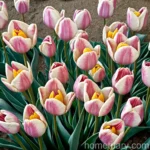
Tulipa ‘Santander’ (Fringed Tulip): A Comprehensive Guide
What is the Tulipa ‘Santander’ (Fringed Tulip)?
The Tulipa ‘Santander’, commonly known as the Fringed Tulip, is a striking flowering plant that belongs to the genus Tulipa and the family Liliaceae. This particular cultivar is celebrated for its distinct fringed edges on its petals, which contribute to its unique and captivating appearance. With its vibrant colors and exquisite form, the Fringed Tulip has gained popularity among gardening enthusiasts and is cherished for its stunning visual impact in gardens, landscapes, and floral arrangements.
In this comprehensive guide, we aim to delve into the various aspects of the Tulipa ‘Santander’, providing valuable insights into its characteristics, cultivation requirements, maintenance, and much more. Whether you are a seasoned gardener or a novice enthusiast, this guide will equip you with the knowledge needed to appreciate and nurture this exceptional flowering plant.
Key Takeaways – Tulipa ‘Santander’ (Fringed Tulip)
Before we proceed further into the details, let’s take a quick look at the key takeaways related to the Fringed Tulip. Understanding these essential points will set the foundation for our exploration of this captivating plant.
- Plant Name: Tulipa ‘Santander’ (Fringed Tulip)
- Common Name: Fringed Tulip
- Genus: Tulipa
- Family: Liliaceae
- Characteristics: Vibrant, fringed petals; multiple color variations
- Cultivation: Requires well-draining soil; partial to full sunlight; moderate watering; suitable for containers
- Maintenance: Minimal pruning; regular fertilization during the growing season
- Propagation: Offsets, seeds
- Popularity: Widely admired for its ornamental value
- Common Diseases: Botrytis, viral infections
- Common Pests: Aphids, thrips
- Blooming Period: Spring
- Special Features: Fringed petals, suitable for cut flowers
- Companion Plants: Hyacinths, daffodils, muscari
- External Links: Royal Horticultural Society – Tulips, American Tulip Society
Now that we have a brief overview, let’s delve deeper into the various aspects of the Tulipa ‘Santander’ and gain a comprehensive understanding of its characteristics, cultivation, and maintenance.
Tulip ‘Santander’ Characteristics
The Tulipa ‘Santander’ is renowned for its distinctive characteristics, setting it apart from other tulip varieties. Understanding its unique traits is essential for appreciating and cultivating this captivating flowering plant.
- Fringed Petals: One of the most notable features of the ‘Santander’ tulip is its fringed petals. These delicate, frilly edges add an exquisite allure to the flower, enhancing its visual appeal and making it an attractive choice for floral arrangements and ornamental displays.
- Color Variations: The Fringed Tulip is available in a wide array of colors, ranging from vibrant reds and oranges to soft pinks and pure whites. Some varieties exhibit multi-colored petals, creating stunning and unique combinations that add diversity to garden landscapes.
- Tulip Shape: The ‘Santander’ tulip typically displays a classic tulip shape, with a cup-like form and gracefully tapering petals. This timeless floral structure adds to its charm, making it a beloved choice for traditional and contemporary garden designs.
- Height: Depending on the specific cultivar, the ‘Santander’ tulip can reach varying heights, typically ranging from 12 to 24 inches. This moderate height makes it suitable for various planting schemes, including borders, rock gardens, and container displays.
These distinctive characteristics contribute to the allure of the Tulipa ‘Santander’ and make it a captivating addition to any garden or landscape setting.
Fringed Tulip ‘Santander’ Description
When describing the Fringed Tulip, it’s essential to capture its essence in words, conveying its visual splendor and unique attributes. A detailed description helps paint a vivid picture of this exceptional flowering plant.
The Tulipa ‘Santander’, better known as the Fringed Tulip, showcases a mesmerizing display of frilly-edged petals that exude elegance and charm. With its classic tulip shape and vibrant hues, this cultivar captures the essence of spring, bringing a burst of color and vitality to any garden or floral arrangement.
The fringed petals of the ‘Santander’ tulip create a delicate and ethereal effect, as if each petal has been adorned with intricate lacework. Whether in bold, fiery shades or soft, pastel tones, the fringed edges add depth and texture to the blossoms, elevating them to a level of enchanting beauty.
With its graceful posture and moderate height, the ‘Santander’ tulip stands as a beacon of spring, heralding the arrival of the season with its resplendent blooms. Its enticing fragrance and vibrant colors make it a standout choice for garden borders, flower beds, and containers, offering a visual spectacle that captivates the senses.
The ‘Santander’ tulip is a must-have for enthusiasts seeking to infuse their outdoor spaces with the joy and vibrancy of spring, creating a captivating tapestry of color and charm.
Growing Tips for Tulipa ‘Santander’
To ensure the successful growth and blooming of the Tulipa ‘Santander’, it’s vital to understand and implement appropriate growing tips. By following these guidelines, you can optimize the cultivation conditions for this exceptional flowering plant, allowing it to thrive and flourish in your garden or landscape.
Soil
- Well-Draining: The ‘Santander’ tulip thrives in well-draining soil to prevent waterlogging and root rot. Ensure that the soil provides adequate drainage to support healthy root development and overall plant vigor.
Water
- Moderate Moisture: Provide moderate moisture to the ‘Santander’ tulip, especially during the growing season. While it appreciates consistent moisture, avoid overwatering, as excessive moisture can lead to fungal issues and other complications.
Sunlight
- Partial to Full Sun: Position the ‘Santander’ tulip in an area that receives partial to full sunlight. Adequate sunlight is crucial for promoting robust growth and vibrant blooms, making it essential for the overall health of the plant.
Fertilizer
- Balanced Fertilization: Apply a balanced fertilizer during the growing season to provide essential nutrients for the ‘Santander’ tulip. Choose a fertilizer specifically formulated for flowering bulbs to support healthy growth and prolific blooming.
Soil
- Neutral to Slightly Alkaline pH: The ‘Santander’ tulip thrives in soil with a neutral to slightly alkaline pH. Conduct a soil test to assess the pH levels and make any necessary amendments to create an optimal growing environment for the plant.
Pruning
- Minimal Pruning: Practice minimal pruning on the ‘Santander’ tulip, primarily removing spent flowers and yellowing foliage. Avoid excessive pruning, as this can impact the plant’s ability to store energy for the following growing season.
By implementing these growing tips, you can create an ideal environment for the Tulipa ‘Santander’, promoting its health and ensuring a spectacular display of fringed blooms in your garden.
Tulip ‘Santander’ Care Guide
Caring for the Tulipa ‘Santander’ involves attentive maintenance and a proactive approach to nurturing its growth. By following a comprehensive care guide, you can support the health and vitality of this captivating flowering plant, allowing it to reach its full ornamental potential.
Maintenance
- Regular Inspection: Conduct regular inspections of the ‘Santander’ tulip to monitor its overall health and detect any signs of disease or pest infestations. Early intervention is key to addressing potential issues and preserving the plant’s well-being.
Watering
- Consistent Moisture: Maintain consistent moisture levels for the ‘Santander’ tulip, particularly during the growing season. Be mindful of fluctuations in weather conditions and adjust watering frequency accordingly to support the plant’s hydration needs.
Fertilization
- Seasonal Feeding: Provide seasonal feedings of a balanced fertilizer formulated for flowering bulbs. Follow the manufacturer’s recommendations for application rates and timing to ensure the ‘Santander’ tulip receives essential nutrients for robust growth and prolific blooms.
Mulching
- Protective Mulch: Apply a layer of mulch around the base of the ‘Santander’ tulip to conserve soil moisture and suppress weed growth. Organic mulches such as shredded bark or compost can also contribute to the enrichment of the soil as they decompose.
Soil Care
- Soil Amendments: Monitor the soil conditions and make appropriate amendments to maintain optimal pH levels and nutrient content. Regular soil testing and adjustments can promote a healthy growing environment for the ‘Santander’ tulip.
Disease Prevention
- Sanitation Practices: Practice good sanitation in the garden to minimize the risk of disease spread. Remove any debris or decaying plant material around the ‘Santander’ tulip to prevent potential fungal and bacterial issues.
By adhering to this care guide, you can ensure the well-being of the Tulipa ‘Santander’, fostering its growth and enhancing its ornamental value within your garden landscape.
How to Plant Fringed Tulip ‘Santander’
Planting the Fringed Tulip ‘Santander’ requires thoughtful consideration of its specific requirements to establish an optimal growing environment. By following proper planting guidelines, you can set the stage for a remarkable display of fringed blooms in your garden or landscape.
Planting Instructions
- Timing: Plant the ‘Santander’ tulip bulbs in the fall, ideally before the first frost. This allows the bulbs to establish roots before the onset of winter and ensures a robust start for the following spring.
Depth and Spacing
- Planting Depth: Dig a hole to the appropriate depth for planting the ‘Santander’ tulip bulbs. Generally, bulbs should be planted at a depth that is three times their diameter, ensuring secure anchoring in the soil.
- Spacing: Space the ‘Santander’ tulip bulbs approximately 4 to 6 inches apart to provide ample room for growth and development. Avoid overcrowding to prevent competition for resources.
Soil Preparation
- Well-Drained Soil: Prepare the planting site with well-drained soil that is rich in organic matter. Incorporate compost or peat moss to improve soil structure and fertility, creating an ideal foundation for the ‘Santander’ tulip bulbs.
Sunlight Exposure
- Sun-Soaked Location: Choose a planting location that receives partial to full sunlight, as the Fringed Tulip ‘Santander’ thrives in bright, sunny conditions. Ensure that the site offers the necessary sun exposure for optimal growth and blooming.
Planting Technique
- Upright Positioning: Plant the ‘Santander’ tulip bulbs with their pointed ends facing upward. This orientation ensures that the emerging shoots will grow in the correct direction, facilitating the development of healthy and vigorous plants.
By following these planting instructions, you can establish a favorable environment for the ‘Santander’ tulip, setting the stage for a magnificent spring display of fringed blooms.
Tulipa ‘Santander’ Blooms and Colors
The blooms of the Tulipa ‘Santander’ are a sight to behold, showcasing a diverse range of colors and captivating visual appeal. Understanding the nuances of its blooms and color variations is essential for appreciating the beauty of this exceptional flowering plant.
Blooming Period
- Spring Spectacle: The ‘Santander’ tulip graces the garden with its iconic blooms during the spring season, ushering in a vibrant display of color and vitality. Its emergence marks a celebratory moment, signaling the arrival of a new season of growth and renewal.
Color Variations
- Vibrant Palette: The ‘Santander’ tulip is available in an array of captivating colors, including radiant reds, sunny yellows, rich purples, and elegant whites. Some varieties feature bi-colored or multi-colored petals, creating visually stunning combinations that add depth and diversity to garden landscapes.
Blooming Duration
- Prolific Blooms: The ‘Santander’ tulip produces abundant blooms that endure for an extended period, offering a sustained showcase of its striking colors and fringed petals. Its prolific blooming contributes to a captivating floral display that enchants both garden enthusiasts and casual admirers.
Floral Form
- Classic Elegance: The blooms of the ‘Santander’ tulip exhibit a classic tulip form, characterized by cup-shaped petals and an overall graceful demeanor. This timeless floral structure adds an element of elegance and sophistication to its visual presentation, further enhancing its allure.
The blooms and colors of the Tulipa ‘Santander’ exemplify the beauty and charm of this exceptional flowering plant, making it a cherished addition to spring garden landscapes.
Best Soil for Fringed Tulip ‘Santander’
Selecting the best soil for the Fringed Tulip ‘Santander’ is crucial for creating an optimal growing environment that supports its health, vigor, and blooming potential. By understanding the soil preferences of this exquisite flowering plant, you can enhance its cultivation conditions and promote a spectacular display of fringed blooms.
Soil Composition
- Well-Draining Texture: The ideal soil for the ‘Santander’ tulip is characterized by a well-draining texture that prevents waterlogging and promotes healthy root development. Sandy loam or loamy soils with good drainage properties are well-suited for this flowering plant.
Organic Matter
- Enriched Fertility: Incorporate organic matter such as compost, well-rotted manure, or peat moss to enrich the soil and improve its fertility. Organic amendments contribute to enhanced nutrient availability and soil structure, providing a conducive growing medium for the ‘Santander’ tulip.
pH Range
- Neutral to Alkaline pH: The ‘Santander’ tulip thrives in soil with a neutral to slightly alkaline pH range, typically between 6.0 and 7.5. Conduct a soil test to determine the pH levels and make any necessary adjustments to create an optimal pH environment for the plant.
Soil Preparation
- Pre-Planting Care: Prepare the soil for planting by cultivating it to a suitable depth and incorporating organic amendments. This preparation enhances soil structure, promotes aeration, and establishes an ideal foundation for the ‘Santander’ tulip’s root development.
By selecting and preparing the best soil for the Fringed Tulip ‘Santander’, you can create a nurturing environment that supports its growth and ensures the flourishing of its fringed blooms.
Tulip ‘Santander’ Varieties
The Tulipa ‘Santander’ exhibits a range of captivating varieties, each offering its own unique flair and visual appeal. Exploring the diverse varieties of the ‘Santander’ tulip presents an opportunity to appreciate the breadth of its ornamental diversity and choose the most suitable options for garden landscapes.
Color Variations
- Vibrant Hues: The ‘Santander’ tulip is available in an assortment of colors, including vivid reds, warm oranges, intense purples, and soft pinks. Some varieties feature bi-colored or multi-colored patterns, adding a delightful complexity to the visual compositions of the blooms.
Petal Forms
- Fringed Petals: Various ‘Santander’ tulip varieties showcase distinctive fringed petals, each exhibiting its own level of ruffle and intricacy. From delicate frills to pronounced edges, these fringed petal forms contribute to the unique character of each variety.
Height Variants
- Moderate Stature: Different varieties of the ‘Santander’ tulip may vary in height, offering options for creating dynamic layers and visual interest in garden landscapes. Ranging from compact varieties to taller selections, the height variants cater to diverse planting schemes and design preferences.
Blooming Patterns
- Early to Late Blooms: The ‘Santander’ tulip varieties may exhibit variations in their blooming periods, providing opportunities to extend the display of fringed blooms throughout the spring season. Selecting varieties with staggered blooming times can orchestrate an extended showcase of colorful displays in the garden.
Exploring the varieties of the Tulipa ‘Santander’ facilitates a deeper appreciation of its ornamental diversity and enriches the selection process for creating captivating garden landscapes.
Tips for Successful Tulip ‘Santander’ Cultivation
Successfully cultivating the Tulipa ‘Santander’ relies on implementing key strategies and practices that cater to its specific requirements. By following these tips, you can optimize the growth and blooming potential of this exceptional flowering plant, ensuring a rewarding and remarkable gardening experience.
Early Planting
- Timely Bulb Installation: Plant the ‘Santander’ tulip bulbs early in the fall, providing them with ample time to establish roots before the onset of winter. Early planting sets the stage for robust growth and prolific blooms in the following spring.
Soil Preparation
- Optimal Soil Conditions: Prepare the soil for the ‘Santander’ tulip by ensuring it is well-draining, enriched with organic matter, and within the preferred pH range. Well-prepared soil sets the foundation for healthy root development and overall plant vitality.
Watering Care
- Consistent Moisture: Maintain consistent moisture levels for the ‘Santander’ tulip, especially during the growing season. Avoid drought stress by providing adequate hydration, while also preventing waterlogged conditions through proper drainage.
Fertilization Routine
- Balanced Nutrient Supply: Implement a regular fertilization routine using a balanced fertilizer formulated for flowering bulbs. Monitor the feeding schedule to ensure the ‘Santander’ tulip receives essential nutrients for robust growth and prolific blooms.
Disease Vigilance
- Proactive Monitoring: Stay vigilant for signs of disease or pest issues by regularly inspecting the ‘Santander’ tulip. Prompt intervention and preventive measures can safeguard the plant from potential threats and preserve its overall health.
Mulching Benefits
- Protective Mulch Application: Apply a layer of mulch around the base of the ‘Santander’ tulip to conserve soil moisture and regulate temperature fluctuations. Mulching offers protective benefits while also contributing to the enrichment of the soil over time.
Adhering to these cultivation tips fortifies the pathway to successful growth and bloom production for the Tulipa ‘Santander’, fostering a thriving garden display that reflects the beauty and vitality of this exceptional flowering plant.
Tulipa ‘Santander’ Maintenance Guide
Maintaining the health and ornamental value of the Tulipa ‘Santander’ requires diligent care and attention to its specific maintenance needs. By following a comprehensive maintenance guide, you can ensure that this exceptional flowering plant thrives and continues to enchant with its fringed blooms.
Seasonal Inspections
- Vigilant Monitoring: Conduct seasonal inspections of the ‘Santander’ tulip to assess its growth, blooming progress, and overall health. Seasonal inspections offer valuable insights into the plant’s development and allow for timely interventions when necessary.
Pruning Practices
- Prudent Trimming: Practice prudent pruning by removing spent flowers and yellowing foliage from the ‘