

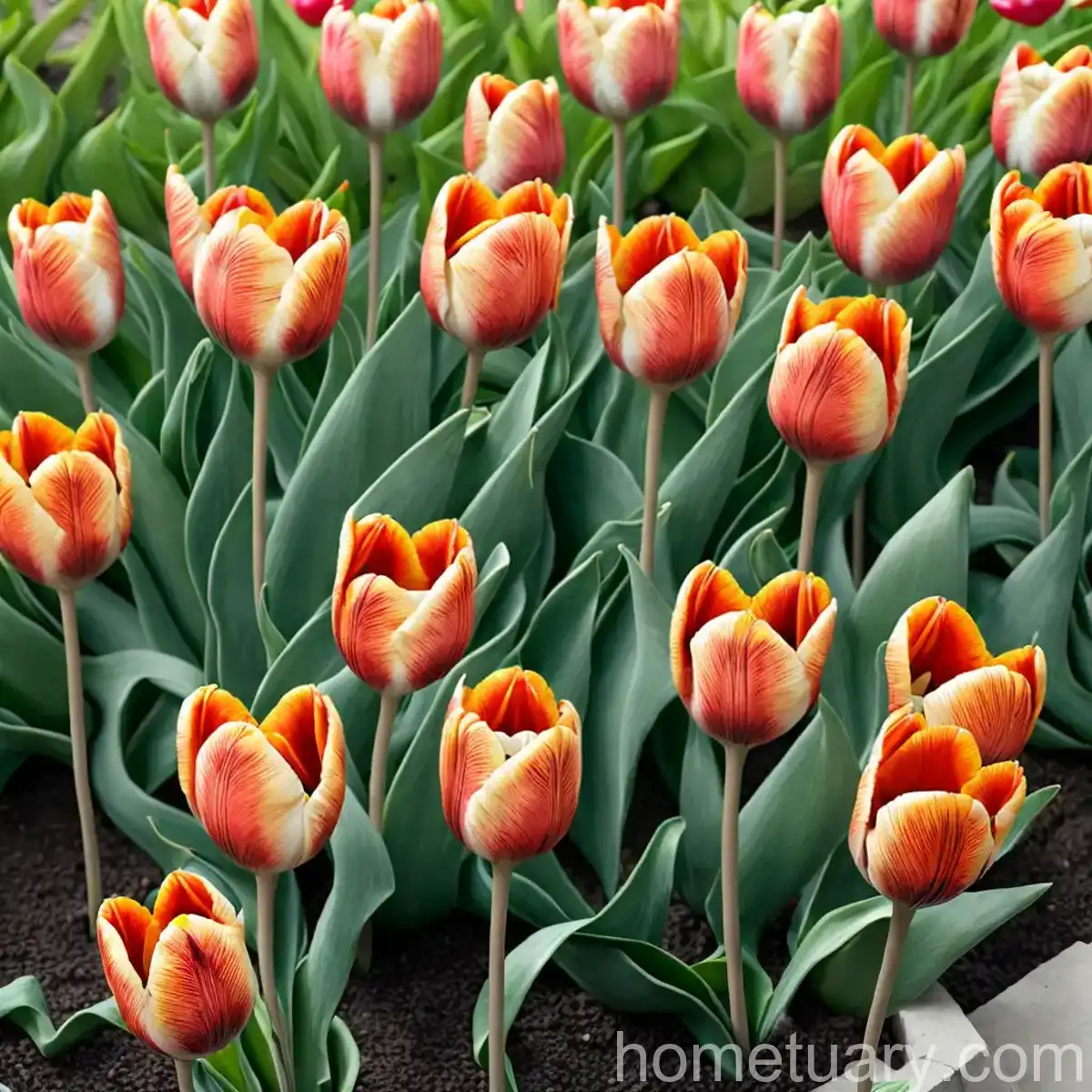
Tulipa ‘Purissima’ (Fosteriana Tulip) – A Comprehensive Guide
The Tulipa ‘Purissima’ (Fosteriana Tulip) is a stunning flowering plant that has captivated gardeners and plant enthusiasts for centuries. With its elegant blooms and easy-to-care-for nature, the Fosteriana Tulip ‘Purissima’ has become a beloved addition to gardens, landscapes, and floral arrangements around the world.
In this comprehensive guide, we’ll explore everything you need to know about the Tulipa ‘Purissima’ (Fosteriana Tulip), covering its culture, uses, care requirements, propagation techniques, common diseases, and much more. Whether you’re a seasoned gardener or a beginner plant enthusiast, this guide will provide valuable insights into cultivating and enjoying the beauty of this remarkable plant.
What is the Tulipa ‘Purissima’ (Fosteriana Tulip)?
The Tulipa ‘Purissima’ is a member of the Fosteriana group of tulips, which are known for their large, brilliant flowers and sturdy stems. This particular variety, commonly referred to as the Fosteriana Tulip ‘Purissima’, is prized for its pristine white petals with a hint of cream or pale yellow at the base, creating a striking contrast. The flowers of the ‘Purissima’ tulip are cup-shaped and have a light fragrance, adding an extra dimension to their allure.
Fosteriana Tulips are also recognized for their early bloom time, often heralding the arrival of spring with their radiant displays. As a bulbous perennial, the ‘Purissima’ Tulip emerges from the ground in early spring, gracing gardens with its elegant presence. The plant’s overall height can reach up to 16 inches (40 cm), making it well-suited for borders, rock gardens, and various landscape designs.
Key Takeaways – Tulipa ‘Purissima’ (Fosteriana Tulip)
Before delving into the specific aspects of caring for the Tulipa ‘Purissima’ (Fosteriana Tulip), let’s highlight some key takeaways that will shape our exploration of this exceptional plant.
Culture
- Fosteriana Tulips are revered for their exceptional beauty and reliable performance in gardens and landscapes.
- The ‘Purissima’ variety is known for its pristine white blooms with a touch of cream or pale yellow at the base, creating a captivating visual impact.
- These tulips are early bloomers, typically gracing the garden with their radiant flowers in early spring.
- The Fosteriana group is valued for its vigor and perennial nature, providing years of stunning displays when properly cared for.
Uses
- The ‘Purissima’ Tulip is a versatile plant that can be used in various garden settings, including borders, rock gardens, and mixed perennial beds.
- Its elegant blooms make it an excellent choice for cut flower arrangements, adding a touch of sophistication to floral displays.
With these key takeaways in mind, let’s explore the specific care requirements and best practices for cultivating the Tulipa ‘Purissima’ (Fosteriana Tulip) to ensure its continued beauty and vitality in your garden.
Water
Proper watering is essential for the health and vitality of the Tulipa ‘Purissima’ (Fosteriana Tulip). While these plants are relatively low-maintenance once established, they do require adequate moisture, especially during their active growth and blooming periods.
- Watering Guidelines
- During the growing season, water the ‘Purissima’ Tulip regularly, ensuring that the soil remains consistently moist but not waterlogged.
- Adjust your watering frequency based on the prevailing weather conditions. If there is prolonged dryness, increase the frequency of watering to prevent the soil from becoming excessively dry.
-
When watering, aim to moisten the soil to a depth of 6-8 inches (15-20 cm) to ensure that the water reaches the root zone where the tulip bulbs are located.
-
Watering Tips
- Use a soaker hose or drip irrigation system to deliver water directly to the soil, minimizing water waste and reducing the risk of fungal diseases that can result from overhead watering.
- Monitor the soil moisture levels regularly, especially during hot and dry periods, and adjust your watering schedule as needed to provide consistent moisture for the ‘Purissima’ Tulip.
Ensuring adequate hydration for your Fosteriana Tulip ‘Purissima’ will contribute to robust growth and vibrant blooms, allowing you to fully appreciate the beauty of this exceptional plant.
Sunlight
Proper sunlight exposure is crucial for the Tulipa ‘Purissima’ (Fosteriana Tulip) to thrive and achieve its full potential. Understanding the sunlight preferences of this plant will allow you to create an optimal growing environment and maximize its ornamental value in your garden.
- Sunlight Requirements
- Plant your ‘Purissima’ Tulip in a location that receives full to partial sunlight, ideally providing at least 6-8 hours of direct sunlight each day.
- Ensure that the chosen planting site has well-draining soil to prevent waterlogging, especially in full sun exposure, which can lead to root rot and other moisture-related issues.
-
The ‘Purissima’ Tulip can tolerate light shade, making it adaptable to various garden settings and allowing for creative placement in mixed perennial beds or under deciduous trees.
-
Sunlight Tips
- Observe the sunlight patterns in your garden throughout the day to identify the best locations for planting the ‘Purissima’ Tulip, taking into account factors such as nearby structures, trees, and the movement of sunlight throughout the growing season.
- In hot climates, afternoon shade can provide relief from intense heat and help prolong the longevity of the tulip blooms, while still allowing for sufficient sunlight during the morning and early afternoon hours.
By providing the appropriate sunlight conditions, you can support the ‘Purissima’ Tulip in expressing its full splendor, showcasing its pristine white petals against the backdrop of a well-balanced garden landscape.
Fertilizer
Supplemental fertilization is beneficial for promoting the growth, blooming, and overall vigor of the Tulipa ‘Purissima’ (Fosteriana Tulip). By providing essential nutrients to the soil, you can enhance the plant’s performance and ensure a season of abundant, healthy blooms.
- Fertilization Guidelines
- Apply a balanced, slow-release fertilizer with an NPK ratio of 10-10-10 or a similar formulation in early spring as the ‘Purissima’ Tulip begins its active growth phase.
- Gently work the fertilizer into the soil around the base of the tulip plants, ensuring even distribution and avoiding direct contact with the plant’s foliage to prevent potential burning.
-
Water the area thoroughly after applying the fertilizer to facilitate its absorption into the soil and uptake by the tulip bulbs.
-
Fertilization Tips
- Consider using an organic, all-purpose fertilizer if you prefer a natural approach to gardening, applying it according to the recommended rates based on the size and spacing of your ‘Purissima’ Tulip plantings.
- Refrain from over-fertilizing, as excessive nutrient levels can lead to lush foliage growth at the expense of flower production, compromising the visual impact of the ‘Purissima’ Tulip’s blooms.
Strategic fertilization will provide the ‘Purissima’ Tulip with the essential nutrients it needs to develop robust foliage and produce an abundance of captivating flowers, elevating the overall aesthetic appeal of your garden.
Soil
The quality and composition of the soil play a significant role in the successful cultivation of the Tulipa ‘Purissima’ (Fosteriana Tulip). Understanding the preferred soil characteristics and implementing appropriate soil management practices will ensure optimal growing conditions for this remarkable plant.
- Soil Requirements
- Plant the ‘Purissima’ Tulip in well-draining soil with a loamy texture, which allows excess water to permeate easily and prevents the bulbs from sitting in waterlogged conditions that can lead to rotting.
-
A slightly acidic to neutral soil pH in the range of 6.0 to 7.0 is ideal for the ‘Purissima’ Tulip, facilitating nutrient uptake and overall nutrient availability for the plant.
-
Soil Preparation
- Prior to planting, amend the soil with organic matter such as compost or well-aged manure to improve its structure, fertility, and moisture retention capacity, providing an optimal foundation for the ‘Purissima’ Tulip’s growth.
- Avoid compacted or heavy clay soils, as they can impede proper drainage and root development, compromising the overall health and performance of the ‘Purissima’ Tulip.
Creating a hospitable soil environment for the ‘Purissima’ Tulip will set the stage for successful growth and stunning floral displays, ensuring that the plant thrives and flourishes in your garden.
Pruning
Pruning is an essential aspect of caring for the Tulipa ‘Purissima’ (Fosteriana Tulip), as it helps maintain the plant’s aesthetics, promotes air circulation, and contributes to its long-term health and vitality. By understanding the principles of effective pruning, you can optimize the visual impact of the ‘Purissima’ Tulip and encourage its continued growth and blooming in subsequent seasons.
- Pruning Guidelines
- Remove spent flowers promptly to prevent the formation of seed pods, redirecting the plant’s energy towards bulb development and ensuring a more robust bloom the following year.
-
Once the foliage of the ‘Purissima’ Tulip turns yellow and begins to wither, carefully trim it back to ground level, allowing the bulbs to enter a dormancy period and prepare for the next growing season.
-
Pruning Tips
- Use clean, sharp garden shears or scissors when pruning the ‘Purissima’ Tulip, minimizing the risk of injury to the plant and promoting quick, clean cuts that facilitate healing and regrowth.
- Avoid removing the foliage prematurely, as the leaves play a vital role in photosynthesis and nutrient storage, replenishing the tulip bulbs for the next blooming cycle.
Adhering to proper pruning practices will not only enhance the aesthetic appeal of the ‘Purissima’ Tulip but also contribute to the plant’s longevity and ability to produce captivating displays year after year.
Propagation
Understanding the propagation techniques appropriate for the Tulipa ‘Purissima’ (Fosteriana Tulip) allows you to expand your collection of these exquisite plants and share their beauty with others. Whether you’re interested in dividing existing clumps or starting new plants from seeds, the following guidelines will help you navigate the process of propagating the ‘Purissima’ Tulip with confidence.
- Propagation Methods
- Division: Propagating the ‘Purissima’ Tulip through division involves carefully separating the offsets or bulblets that develop around the original bulbs, typically conducted during the plant’s dormant phase in late summer or early autumn.
-
Seeds: Growing the ‘Purissima’ Tulip from seeds requires patience and attention to detail, as the process involves harvesting ripe seeds, providing a period of cold stratification, and nurturing the emerging seedlings until they reach a suitable size for transplanting into the garden.
-
Propagation Tips
- When dividing the ‘Purissima’ Tulip bulbs, ensure that each division has several offsets and ample root structure to support healthy growth when replanted.
- When collecting seeds for propagation, choose seeds from healthy, well-formed tulip plants, and follow established protocols for scarification and cold treatment to enhance germination rates and seedling vigor.
Mastering the art of propagation will empower you to foster the continued abundance and diversity of the ‘Purissima’ Tulip in your own garden or share its beauty with fellow gardening enthusiasts.
Container Popularity
The ‘Purissima’ Tulip’s popularity in container gardening stems from its adaptability to growing in pots, allowing individuals with limited garden space or those seeking to accentuate outdoor living areas to enjoy the plant’s luxurious blooms up close. When cultivating the ‘Purissima’ Tulip in containers, certain considerations and best practices can maximize its ornamental value and ensure successful growth.
- Container Selection
- Choose a spacious container with adequate drainage holes, providing ample room for the ‘Purissima’ Tulip bulbs to develop and allowing excess water to escape, preventing waterlogged conditions that can harm the plants.
-
Select a container with a neutral or complementary color that enhances the visual impact of the white blooms of the ‘Purissima’ Tulip, creating an attractive focal point in your outdoor living spaces.
-
Container Care
- Use a high-quality potting mix designed for flowering bulbs or general container gardening, ensuring proper aeration, moisture retention, and nutrient availability for the ‘Purissima’ Tulip.
- Monitor the soil moisture levels regularly and adjust your watering frequency based on environmental factors such as temperature and humidity, providing consistent moisture for the ‘Purissima’ Tulip while preventing waterlogging.
Successfully cultivating the ‘Purissima’ Tulip in containers offers an opportunity to bring its timeless elegance to patios, balconies, and other outdoor locations, infusing these spaces with the beauty of spring blooms in a compact and manageable form.
Common Diseases
Though generally resilient, the Tulipa ‘Purissima’ (Fosteriana Tulip) is susceptible to certain diseases and disorders that can affect its growth and blooming. Being proactive in identifying and addressing these issues is essential for maintaining the health and vitality of the plant, allowing it to continue gracing your garden with its exquisite flowers.
Disease Diagnosis
-
Botrytis Blight: This fungal disease can manifest as grayish-brown spots on the leaves and flower petals of the ‘Purissima’ Tulip, often leading to rapid wilting and decay of affected tissues. Proper air circulation and moisture management can help prevent botrytis blight.
-
Tulip Fire: Caused by the fungal pathogen Botrytis tulipae, tulip fire results in discoloration and distortion of the foliage, as well as characteristic brown streaking and wilting of the stem. Prompt removal and destruction of infected plants can limit the spread of tulip fire.
-
Penicillium Soft Rot: This bacterial disease can lead to soft, water-soaked areas on the ‘Purissima’ Tulip bulbs, accompanied by foul odors and rapid deterioration. Discard affected bulbs and ensure proper soil drainage to reduce the risk of penicillium soft rot.
Disease Prevention
-
Cultural Practices: Implementing proper cultural practices, such as watering at the base of the plant to minimize foliage wetting and improving air circulation, can reduce the risk of fungal diseases affecting the ‘Purissima’ Tulip.
-
Sanitation: Regularly remove debris and spent foliage from the garden bed to reduce the presence of disease-causing organisms and minimize potential sources of infection for the ‘Purissima’ Tulip.
Vigilance and proactive management of potential diseases will safeguard the ‘Purissima’ Tulip against common ailments, preserving its beauty and longevity in your garden.
Common Pests
In addition to diseases, certain pests can pose a threat to the health and vitality of the Tulipa ‘Purissima’ (Fosteriana Tulip). By recognizing the signs of pest infestations and implementing appropriate intervention strategies, you can mitigate their impact and protect the plant from potential damage.
Pest Identification
-
Aphids: These small, soft-bodied insects can cluster on the stems and foliage of the ‘Purissima’ Tulip, draining sap and causing distortion and yellowing of the leaves. Natural predators and insecticidal soaps can help manage aphid populations effectively.
-
Narcissus Bulb Fly: The larvae of this fly species can feed on the ‘Purissima’ Tulip bulbs, resulting in internal damage and reduced bulb vigor. Monitoring adult fly activity and implementing physical barriers can prevent infestations by the narcissus bulb fly.
-
Slugs and Snails: These moisture-loving pests can leave behind characteristic trails and feed on the foliage and flowers of the ‘Purissima’ Tulip, causing unsightly damage. Cultural controls, such as removing hiding spots and applying barriers, can help manage slug and snail populations.
Pest Management
-
Natural Predators: Encouraging the presence of natural predators, such as ladybugs and lacewings, in the garden can help control aphid populations and limit their impact on the ‘Purissima’ Tulip.
-
Barrier Methods: Implementing physical barriers, such as fine mesh netting or protective coverings, can prevent adult narcissus bulb flies from accessing the ‘Purissima’ Tulip bulbs, reducing the risk of infestation.
By remaining vigilant and addressing pest issues promptly and effectively, you can safeguard the ‘Purissima’ Tulip against potential threats and ensure its continued growth and flowering in your garden.
Botanist’s Tips
As a plant scientist with a passion for nurturing and understanding the intricacies of botanical marvels, I’d like to share some additional insights and tips to enhance your experience with the Tulipa ‘Purissima’ (Fosteriana Tulip).
Fun Facts
-
Botanical Heritage: The ‘Purissima’ Tulip belongs to the Fosteriana group, named after the famed horticulturist Michael Foster, who played a crucial role in popularizing and cultivating tulips in England during the late 19th and early 20th centuries.
-
Symbolic Significance: In the language of flowers, white tulips such as the ‘Purissima’ variety are often associated with purity, forgiveness, and new beginnings, making them a meaningful choice for various occasions and expressions.
-
Cultivation Legacy: Fosteriana tulips, including the ‘Purissima’ variety, are celebrated for their longevity and naturalization capabilities, often forming large colonies over time and enriching the landscape with their timeless beauty.
Links to External Resources
To further enrich your knowledge and appreciation of the Tulipa ‘Purissima’ (Fosteriana Tulip), I recommend exploring the following reputable resources:
- Royal Horticultural Society (RHS) – The RHS provides in-depth information on tulip cultivation, care tips, and recommended varieties, offering valuable insights for gardeners of all levels.
- American Tulip Society – The American Tulip Society’s website features a wealth of resources on tulip species and cultivars, including historical background, growing guidelines, and horticultural events.
These external resources offer authoritative guidance and diverse perspectives on the ‘Purissima’ Tulip and the captivating world of tulip horticulture, serving as valuable companions on your journey of discovery and appreciation for this extraordinary plant.
In conclusion, the Tulipa ‘Purissima’ (Fosteriana Tulip) stands as a timeless emblem of grace, elegance, and natural splendor, enriching gardens and landscapes with its ethereal blooms and enduring charm. By embracing the insights and best practices outlined in this comprehensive guide, you can cultivate, admire, and preserve the captivating allure of the ‘Purissima’ Tulip, nurturing its presence as a cherished




