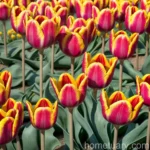
Tulipa ‘Montreux’ (Double Early Tulip): A Complete Guide
Tulips are one of the most beloved and widely cultivated ornamental plants in the world, adorning gardens with their vibrant colors and elegant shapes. Among the vast array of tulip varieties, Tulipa ‘Montreux’ stands out as a particularly alluring selection, known for its double early blooms and striking visual appeal. In this comprehensive guide, we will delve into the various aspects of this captivating plant, covering its characteristics, cultivation, and optimal care to help you maximize its beauty in your garden.
What is Tulipa ‘Montreux’ (Double Early Tulip)?
Tulipa ‘Montreux’ is a cultivar of the species Tulipa, and it belongs to the category of Double Early Tulips. These tulips are characterized by their double-layered, peony-like flowers and their early bloom time, which adds to their allure for gardeners looking to kick off the spring season with vibrant floral displays. The ‘Montreux’ variety specifically is known for its brilliant coloration and striking visual impact, making it a popular choice for both professional landscapers and home gardeners.
Key Takeaways – Tulipa ‘Montreux’ (Double Early Tulip)
Before we delve into the details of cultivating and caring for the Tulipa ‘Montreux’, let’s summarize its key characteristics and uses.
- Common Name: Tulipa ‘Montreux’ (Double Early Tulip)
- Botanical Name: Tulipa ‘Montreux’
- Type: Bulbous flowering plant
- Flower Type: Double-petaled, peony-like blossoms
- Bloom Time: Early spring
- Color: Vibrant shades of pink, red, or white
- Cultural Use: Ornamental landscaping, cut flowers
- Growth Habit: Upright, elegant stems with multiple flowers per bulb
- Hardiness Zone: 3-8
- Sunlight: Full sun to partial shade
- Soil Type: Well-draining, fertile soil
- Watering: Moderate, well-distributed moisture
- Maintenance: Low to moderate
Now that we have a brief overview of the Tulipa ‘Montreux’, let’s delve into the specific aspects of its cultivation and care, including its water, sunlight, fertilizer, soil, pruning, propagation, and disease management.
Cultivation and Care Guide for Tulipa ‘Montreux’
Water
Proper watering is crucial for the healthy growth and prolonged blooming of Tulipa ‘Montreux’. While these tulips are generally low-maintenance once established, they require consistent moisture during their active growing period. It is important to ensure that the soil remains evenly moist but not waterlogged, especially during the spring when the plants are in their active growth phase.
- Watering Needs: Moderate, avoid waterlogging
- Frequency: Water when the soil begins to dry out, about once or twice a week
- Depth: Provide enough water to reach the root zone, typically 6-8 inches deep
- Irrigation: Water deeply to encourage deep root establishment
Sunlight
Like many tulip varieties, Tulipa ‘Montreux’ thrives in full sun to partial shade conditions. Adequate sunlight exposure is essential for strong, healthy growth and vibrant flower production. When selecting a planting location, it is important to consider the sunlight availability and ensure that the plants receive the optimal amount of light for their growth and blooming requirements.
- Sunlight Preference: Full sun to partial shade
- Duration: At least 6-8 hours of direct sunlight per day
- Exposure: Eastern or southern exposure is ideal for morning to midday sunlight
Fertilizer
Appropriate fertilization is key to promoting robust growth and prolific flowering in Tulipa ‘Montreux’. Before planting the bulbs, it is recommended to enrich the soil with a balanced, slow-release fertilizer to provide essential nutrients for the plants. Additionally, a supplementary feeding regimen during the growing season can further support the plants’ vitality and flowering performance.
- Fertilizer Type: Balanced, slow-release granular fertilizer
- Application Time: Prior to planting in fall and early spring
- Frequency: Reapply fertilizer every 4-6 weeks during the growing season
- Dosage: Follow manufacturer’s recommendations for bulb and flowering plant fertilization
Soil
The soil conditions play a critical role in the overall health and performance of Tulipa ‘Montreux’. These tulips thrive in well-draining, fertile soil that provides a stable foundation for their roots and promotes healthy growth. It is essential to prepare the planting site with suitable soil amendments to create an optimal environment for the bulbs.
- Soil Type: Well-draining loamy soil
- pH Level: Slightly acidic to neutral (pH 6.0-7.0)
- Texture: Rich, crumbly soil with good structure
- Amendments: Incorporate organic matter such as compost or peat moss for improved fertility and drainage
Pruning
While tulips, including the ‘Montreux’ variety, do not require extensive pruning, removing spent flowers and seedpods can contribute to the overall vitality and aesthetics of the plants. Deadheading, the process of removing faded blossoms, prevents seed formation and encourages the plants to redirect their energy towards bulb development and future growth.
- Pruning Method: Snip off faded flowers just below the base of the flower head
- Timing: Remove spent blossoms promptly to prevent seed formation
- Benefits: Promotes energy allocation to bulb development and future flowering
Propagation
Tulipa ‘Montreux’ can be propagated through offsets, which are small bulbils that develop around the base of the main bulb. These offsets can be carefully removed and replanted to establish new plants. When propagating tulips, it is important to ensure that the new bulbs are healthy and mature enough to thrive in their new growing environment.
- Propagation Method: Division of offsets
- Timing: Propagate in late spring or early summer when the bulbs are dormant
- Process: Gently separate the viable offsets from the parent bulb and plant them at the appropriate depth
Container Cultivation
The beauty of Tulipa ‘Montreux’ is not limited to traditional garden beds; these tulips are well-suited for container cultivation, adding a vibrant touch to decks, patios, and balconies. When growing tulips in containers, it is essential to select an appropriate pot size, provide adequate drainage, and maintain suitable growing conditions to ensure the plants’ success.
Container Requirements
- Pot Size: Select a container with a depth of at least 12 inches to accommodate the tulip bulbs’ root development
- Drainage: Ensure proper drainage holes to prevent waterlogging and root rot
- Soil: Use well-draining, quality potting mix amended with perlite or vermiculite for improved aeration
- Sunlight: Position the containers in a location that receives ample sunlight
Container Care
- Watering: Monitor the soil moisture and water the containers as needed to maintain even moisture levels
- Fertilization: Apply a balanced liquid fertilizer during the growing season to support the plants’ nutrient requirements
- Overwintering: In regions with harsh winters, consider protecting the containers from extreme cold to ensure the bulbs’ survival
Popularity and Common Uses of Tulipa ‘Montreux’
Tulipa ‘Montreux’ has gained popularity among gardeners and horticultural enthusiasts for its captivating floral display and versatile uses in ornamental landscapes. Whether utilized in traditional garden borders, mixed flower beds, or container arrangements, these double early tulips add a touch of elegance and color to various settings.
Garden Planting
- Bedding Displays: Create stunning mass plantings of Tulipa ‘Montreux’ for impactful bursts of color in early spring
- Mixed Borders: Combine with other spring-blooming bulbs, perennials, or annuals for diverse and vibrant garden displays
- Rock Gardens: Introduce these tulips to rock gardens to infuse vivid hues and vertical interest
- Naturalizing: Establish naturalized colonies of ‘Montreux’ tulips in meadows or woodland areas for a spectacular wildflower effect
Cut Flowers
Tulipa ‘Montreux’ serves as an excellent cut flower, adding charm and beauty to floral arrangements and indoor bouquets. The peony-like blossoms, with their lush petals and rich hues, make for striking and enduring floral displays, bringing the essence of the spring garden indoors.
Container Gardening
As mentioned earlier, Tulipa ‘Montreux’ thrives in containers, offering a delightful option for balcony gardens, patio planters, and courtyard displays. Their manageable size and enchanting blooms make them ideal candidates for container cultivation, allowing urban and suburban gardeners to enjoy their beauty in a confined space.
Common Diseases and Pest Management for Tulipa ‘Montreux’
Maintaining the health and vigor of Tulipa ‘Montreux’ involves vigilant disease and pest management to protect the plants from potential threats. While these tulips are relatively resilient, they can be susceptible to certain issues that may impact their growth and flowering performance. By implementing proactive measures and timely interventions, gardeners can safeguard their ‘Montreux’ tulips and ensure a thriving garden display.
Disease Diagnosis
- Botrytis Blight: Identified by gray mold on the foliage and flowers, favored by prolonged wet and cool conditions
- Fusarium Wilt: Causes yellowing and withering of foliage, often leading to the collapse of the entire plant
- Bulb Rot: Manifests as soft, discolored areas on the bulbs, often stemming from excessive moisture and poor drainage
- Viral Diseases: Result in deformed leaves and flowers, as well as stunted growth; viral infections are often transmitted by aphids and other pests
Common Pests
- Aphids: Small, sap-sucking insects that congregate on the tender shoot tips and flower buds, leading to distortion and discoloration of plant tissues
- Narcissus Bulb Fly: Larvae of this pest can infest tulip bulbs and cause extensive damage, leading to weakened plants and reduced flowering
- Spider Mites: Minute arachnids that feed on plant sap, resulting in stippled, discolored foliage and diminished plant vigor
Pest Control
- Cultural Practices: Implement good sanitation, such as removing and disposing of diseased plant material, to reduce disease spread
- Natural Predators: Encourage the presence of beneficial insects and predatory arthropods to control aphid and mite populations
- Physical Barriers: Protect bulbs from pests by using fine mesh or netting to prevent access to potential infestation sites
- Selective Pesticides: If necessary, apply targeted insecticidal soaps or horticultural oils to manage pest populations, ensuring minimal impact on beneficial organisms
Botanist’s Tips for Growing Tulipa ‘Montreux’
To further enhance your success in cultivating Tulipa ‘Montreux’ and maximizing its charm in your garden, consider the following expert tips and recommendations from botanists and experienced gardeners.
- Bulb Selection: Choose large, firm bulbs with no signs of damage or disease for optimal growth and flowering performance.
- Aspect Consideration: While ‘Montreux’ tulips enjoy full sun, in regions with intense heat, providing afternoon shade can prevent heat stress and prolong flower longevity.
- Mulching Method: Apply a light layer of mulch around the base of the tulip plants to conserve soil moisture and regulate soil temperature, particularly in regions with fluctuating weather conditions.
- Dormancy Period: After the tulips have completed their blooming cycle, allow the foliage to mature and yellow naturally before removing it, as this process contributes to the bulbs’ replenishment for the following season.
Fun Facts about Tulipa ‘Montreux’
As much as we appreciate the practical aspects of growing and caring for plants, it’s always delightful to uncover some intriguing and captivating facts about these botanical wonders. Here are some fun facts about Tulipa ‘Montreux’ that further accentuate its appeal in the gardening world.
- Historical Significance: Tulips, including the ‘Montreux’ variety, have been esteemed for centuries and have held cultural and economic significance, particularly in the Netherlands during the “Tulip mania” period.
- Symbolism: In various cultures, tulips are associated with diverse symbolism, including love, passion, and rebirth, adding a layer of depth to their visual allure.
- Genetic Diversity: The Tulipa genus encompasses an astonishing array of species and hybrids, showcasing an immense spectrum of colors, forms, and bloom patterns.
- Wildlife Interaction: While the ‘Montreux’ tulips are cherished for their captivating appearance, they also offer nectar and pollen to beneficial pollinators such as bees and butterflies, contributing to the ecological balance in garden spaces.
Links to External Resources
As we conclude this comprehensive guide to Tulipa ‘Montreux’ (Double Early Tulip), here are some recommended external resources that provide additional insights, visual references, and practical tips for cultivating and enjoying these enchanting tulips.
- Royal Horticultural Society – Tulipa
- American Society of Landscape Architects – Plant Database
- The Spruce – Growing Tulips: Planting, Growing, and Maintenance Tips
- Missouri Botanical Garden – Tulipa Cultivation Guide
Incorporating diverse perspectives and expert guidance can enrich your understanding of Tulipa ‘Montreux’ and inspire new strategies for cultivating these captivating tulips in your garden.
In Conclusion
The allure of Tulipa ‘Montreux’ extends far beyond its exquisite petals and vibrant hues; it embodies a rich tapestry of cultural significance, ecological interaction, and horticultural versatility. Whether adorning garden borders, gracing indoor vases, or captivating pollinators, these double early tulips offer a symphony of charm and botanical splendor, enriching the tapestry of the natural world.
As you embark on your journey of cultivating and appreciating Tulipa ‘Montreux’, may the insights and recommendations offered in this guide serve as valuable companions, guiding you towards a flourishing and vibrant display of these enchanting tulips in your own garden sanctuary.
Remember, the path to a bountiful garden is paved with curiosity, care, and a deep reverence for the captivating beauty of nature’s floral treasures.
In crafting this comprehensive guide to Tulipa ‘Montreux’ (Double Early Tulip), I aimed to provide a rich tapestry of insights, practical tips, and engaging facts to nurture a deep appreciation for these enchanting plants. I hope this guide serves as an invaluable resource for passionate gardeners and horticultural enthusiasts, illuminating the path to a thriving and vibrant garden display adorned with the incomparable charm of Tulipa ‘Montreux’.
If there are any additional questions, clarifications, or requests for further information, please feel free to reach out. I am here to support your botanical endeavors and foster a deeper connection with the captivating world of plants.