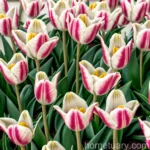
Tulipa ‘Green River’ (Viridiflora Tulip)
Tulips are among the most beloved spring-flowering bulbs, and for good reason. Their striking blooms bring vibrant color to the garden and are a true sign that winter is behind us. There are countless tulip varieties available, each with its own unique charm and characteristics. One of the standout varieties is the Tulipa ‘Green River’, also known as the Viridiflora Tulip. In this comprehensive guide, we will delve into the culture, uses, care tips, and much more for this captivating tulip variety.
What is the Tulipa ‘Green River’ (Viridiflora Tulip)?
The Tulipa ‘Green River’ is a stunning member of the Viridiflora tulip species, known for its distinctive green markings on the petals. This unique feature sets it apart from other tulips and makes it a highly sought-after variety for both professional landscape design and home gardening. The green coloration of the petals gives the ‘Green River’ tulip an enchanting and fresh appearance, making it an excellent choice for adding a touch of uniqueness to floral arrangements and garden displays.
Viridiflora tulips, in general, are characterized by their striking color patterns, typically featuring a combination of green and contrasting colors. The ‘Green River’ tulip, in particular, displays a mesmerizing blend of green hues that are complemented by a base color, creating a visually stunning effect when in full bloom.
Key Takeaways – Tulipa ‘Green River’ (Viridiflora Tulip)
Before we delve further into the specifics of growing and caring for the Tulipa ‘Green River’, let’s take a quick look at the key takeaways for this captivating tulip variety:
- The ‘Green River’ tulip is a member of the Viridiflora tulip species, known for its distinctive green markings on the petals.
- Its unique green coloration sets it apart from other tulip varieties, making it a highly desirable choice for gardeners and landscapers.
- The tulip’s captivating appearance makes it an excellent option for floral arrangements, garden borders, and landscape focal points.
- Proper care, including understanding its water, sunlight, fertilizer, and soil needs, is crucial for ensuring the ‘Green River’ tulip thrives in the garden.
Now that we have an overview of the ‘Green River’ tulip, let’s explore the various aspects of its culture, uses, and essential care tips to help you cultivate and enjoy this stunning tulip variety in your own garden.
Culture
Uses
The Tulipa ‘Green River’ holds significant horticultural and ornamental value, making it a versatile plant for various uses. Here are some common uses of the ‘Green River’ tulip:
- Garden Display: The striking green and contrasting petal colors make the ‘Green River’ tulip an ideal choice for creating visually captivating garden displays. Its unique coloration adds depth and intrigue to floral arrangements, landscape designs, and garden borders.
- Container Planting: Due to its captivating appearance, the ‘Green River’ tulip is often used in container gardening to add color and vibrancy to outdoor spaces. When planted in containers, it can be easily admired on patios, balconies, and other outdoor settings.
Water
Proper watering is essential for the healthy growth and prolific blooming of the ‘Green River’ tulip. Here are some watering considerations to keep in mind:
- Well-Drained Soil: Ensure that the soil is well-drained to prevent waterlogging, which can lead to root rot and other issues. Consistent moisture is important, but the soil should not remain soggy.
- Moderate Watering: During the active growing season, maintain moderate soil moisture to support healthy bulb development and robust flowering. However, be cautious not to overwater, as excessive moisture can be detrimental to the tulip bulbs.
Sunlight
Like most tulip varieties, the ‘Green River’ tulip thrives in full to partial sunlight. Adequate sunlight is crucial for the plant’s overall health and blooming. Here’s what you need to know about sunlight requirements for the ‘Green River’ tulip:
- Full Sun: Ideally, provide the ‘Green River’ tulip with at least 6-8 hours of direct sunlight per day for optimal growth and blooming. In regions with intense summer heat, partial shade during the hottest part of the day can be beneficial.
- Morning Sun: If possible, position the tulip bulbs in an area that receives morning sunlight, as this can help prevent issues related to excessive heat and promote more robust flowering.
Fertilizer
Proper fertilization is key to ensuring that the ‘Green River’ tulip receives essential nutrients for vigorous growth and stunning blooms. Consider the following points when fertilizing this tulip variety:
- Balanced Fertilizer: Use a balanced, slow-release fertilizer or a specialized bulb fertilizer to provide the necessary nutrients for the ‘Green River’ tulip. Look for a fertilizer with a formulation specifically designed for flowering bulbs.
- Timing: Apply the fertilizer in early spring before the tulips begin active growth. This will help provide the necessary nutrients as the bulbs emerge from dormancy and start developing foliage and flower buds.
Soil
The soil environment plays a crucial role in the overall health and performance of the ‘Green River’ tulip. Ideal soil conditions can promote robust growth and abundant flowering. Consider the following soil-related factors for this tulip variety:
- Well-Drained Soil: Plant the ‘Green River’ tulip bulbs in well-drained soil to prevent waterlogging and root rot. Sandy loam or loamy soil with good drainage is typically ideal for tulips.
- Soil pH: Aim for a slightly acidic to neutral soil pH range, ideally between 6.0 to 7.0, for optimal growth and nutrient absorption. Conduct a soil test to determine the pH and make adjustments if necessary.
Pruning
Pruning requirements for the ‘Green River’ tulip are minimal, as the focus is primarily on allowing the foliage to wither naturally to support the growth and development of the bulbs. Here are some essential points to keep in mind regarding pruning:
- Foliage Maintenance: After the tulip blooms have faded, allow the foliage to remain in place until it turns yellow and wilts. This period allows the foliage to replenish the bulbs with essential nutrients for the next growing season.
- Pruning Guidelines: Once the foliage has withered, you can gently remove it, being careful not to damage the bulbs. Avoid cutting the foliage prematurely, as this can reduce the bulbs’ ability to store energy for the following year’s growth and blooming.
Propagation
The ‘Green River’ tulip can be propagated through bulb division, which involves separating the offsets or bulblets from the parent bulb and planting them in a suitable location. Here’s a brief overview of bulb division for propagating this tulip variety:
- Bulb Offsets: When the original tulip bulbs have multiplied and produced smaller bulbs, known as offsets or bulblets, they can be carefully separated from the parent bulb. Each offset should have its own growing point and root system.
- Planting: Plant the separated bulb offsets in a prepared location with well-drained soil and suitable sunlight conditions. Follow the general planting guidelines for tulip bulbs to ensure successful establishment and growth.
Container Popularity
The ‘Green River’ tulip’s captivating appearance and vibrant coloration make it a popular choice for container gardening. When planted in containers, it can serve as a focal point in outdoor spaces and add a splash of color to patios, balconies, and other areas. Consider the following points for successful container planting of the ‘Green River’ tulip:
- Container Selection: Choose a well-draining container that is spacious enough to accommodate the tulip bulbs and allow for healthy root development. Consider the aesthetic appeal of the container, as it will contribute to the overall visual impact of the tulip display.
- Soil and Planting: Use a high-quality potting mix that provides good drainage and aeration for the tulip bulbs. Plant the bulbs at the appropriate depth, typically around 6-8 inches, and ensure they receive adequate sunlight and water while in containers.
Common Diseases and Pest Management
Common Diseases
Like other tulip varieties, the ‘Green River’ tulip is susceptible to certain diseases that can impact its overall health and blooming. Understanding common diseases and their management is crucial for maintaining the plant’s vigor. Here are some common diseases that may affect the ‘Green River’ tulip:
- Botrytis Blight: This fungal disease can cause gray mold to develop on the tulip foliage and flowers, particularly in humid conditions. Proper air circulation and avoiding overhead watering can help prevent botrytis blight.
- Tulip Fire: Caused by the fungus Botrytis tulipae, tulip fire can lead to distorted and discolored foliage, as well as flower blight. Remove and destroy infected plant material to prevent the spread of the disease.
Disease Diagnosis
Diagnosing and identifying diseases affecting the ‘Green River’ tulip is essential for implementing effective management strategies. Here are some tips for diagnosing common diseases in tulips:
- Symptom Recognition: Learn to recognize common disease symptoms such as abnormal leaf spots, discolored foliage, wilting, or atypical growth. Accurately identifying the symptoms can help narrow down potential diseases.
- Professional Consultation: If you encounter unfamiliar or persistent symptoms in your tulips, consider consulting with a horticulturist or plant pathologist to identify the specific disease and receive guidance on management strategies.
Common Pests
In addition to diseases, pests can also pose a threat to the ‘Green River’ tulip and other tulip varieties. Understanding common pests and their management is crucial for preserving the plant’s health and vitality. Here are some common pests that may affect tulips:
- Aphids: These small, soft-bodied insects can gather on the tender growth of tulip plants and feed on plant sap, potentially causing distortion and stunted growth. Insecticidal soaps and natural predators can be used for pest control.
- Nematodes: Soil-dwelling nematodes can cause root damage and affect the overall health of tulip plants. Implementing good soil management practices and avoiding soil contamination can help reduce nematode-related issues.
Botanist’s Tips
As a plant scientist, I must emphasize the following tips for successfully growing and enjoying the Tulipa ‘Green River’ in your garden:
- Site Selection: Choose a well-drained, sunny location for planting the ‘Green River’ tulip bulbs, as this will provide the ideal growing conditions for vigorous growth and flowering.
- Bulb Maintenance: After the tulip blooms have faded, allow the foliage to wither naturally to ensure the bulbs receive essential nutrients for the following season. This will help maintain the tulip’s vigor and blooming performance.
- Disease Monitoring: Regularly inspect the ‘Green River’ tulips for signs of diseases or pest infestations. Early detection and appropriate management can help prevent significant damage to the plants.
Fun Facts
Here are some intriguing and fun facts about the Tulipa ‘Green River’ (Viridiflora Tulip):
- The green coloration of the ‘Green River’ tulip’s petals is a unique feature that sets it apart from many other tulip varieties, making it a captivating choice for gardeners and floral enthusiasts.
- The name “Viridiflora” is derived from the Latin words “viridis,” meaning green, and “flora,” referring to the flowers, indicating the tulip’s defining characteristic of green-tinged blooms.
With its mesmerizing green hues and vibrant presence, the ‘Green River’ tulip stands out as a captivating addition to garden displays and floral arrangements.
Links to External Resources
For additional information on the Tulipa ‘Green River’ (Viridiflora Tulip) and related topics, explore the following resources:
- Royal Horticultural Society (RHS): Growing Tulips
- American Tulip Society
- University of Minnesota Extension: Planting and Care of Bulbs
In conclusion, the Tulipa ‘Green River’ (Viridiflora Tulip) offers gardeners and enthusiasts a captivating tulip variety with distinct green markings and vibrant blooms. Understanding its culture, uses, and essential care tips is key to fostering its growth and enjoying its unique beauty in garden settings and floral displays. By integrating this striking tulip variety into your garden, you can elevate the visual appeal and introduce a touch of allure to your outdoor spaces.