Plant Scientist’s Guide to Tulipa ‘Davenport’ (Fringed Tulip)
What is Tulipa ‘Davenport’?
Tulipa ‘Davenport’ is a stunning fringed tulip that adds a touch of elegance and beauty to any garden or landscape. This perennial plant is a member of the Liliaceae family and is native to the mountains of Central Asia. Its delicate, fringed petals and vibrant colors make it a popular choice among gardeners and flower enthusiasts.
Tulipa ‘Davenport’ Description
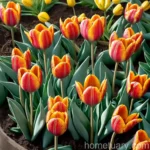
The Tulipa ‘Davenport’ is characterized by its unique fringed petals that give the flower a distinctive and striking appearance. The fringed edges of the petals give the tulip a delicate and intricate look, making it a standout in any garden or floral arrangement. The plant typically grows to a height of 12 to 18 inches (30 to 45 cm) and blooms in late spring.
Key Takeaways – Tulipa ‘Davenport’ (Fringed Tulip)
Fringed Tulip Facts
- Species: Tulipa ‘Davenport’
- Family: Liliaceae
- Common Name: Fringed Tulip
- Origin: Central Asia
- Bloom Time: Late spring
- Height: 12 to 18 inches (30 to 45 cm)
Now, let’s dive into the specifics of caring for and growing this captivating plant.
Culture
Cultivating and caring for Tulipa ‘Davenport’ can be a rewarding experience for any plant enthusiast. Understanding its culture, including its water, sunlight, fertilizer, soil, and pruning needs, is essential for ensuring the plant’s health and longevity.
Uses
Tulipa ‘Davenport’ has several uses, including:
- Ornamental garden plant
- Cut flower for floral arrangements
- Landscape enhancement
Its visually appealing characteristics and versatility make it a sought-after addition to gardens and landscapes.
Growing Tulipa ‘Davenport’
Water
When it comes to watering Tulipa ‘Davenport’, it is crucial to maintain a balanced approach. The soil should be kept consistently moist, but not waterlogged. During the active growing season, regular watering is necessary, particularly during dry spells.
Sunlight
Tulipa ‘Davenport’ thrives in full sun to partial shade. It is essential to provide the plant with ample sunlight to ensure healthy growth and vibrant blooms.
Fertilizer
Applying a balanced, all-purpose fertilizer in early spring can help promote healthy growth and vibrant blooms. However, it is important not to over-fertilize, as this can lead to excessive foliage growth at the expense of flower production.
Soil
The fringed tulip thrives in well-draining soil with a slightly acidic to neutral pH. Loamy, well-aerated soil with good fertility is ideal for optimal growth and flowering.
Pruning
Minimal pruning is required for Tulipa ‘Davenport’. Once the flowers have finished blooming, deadheading can help divert energy back into the bulb for the following year’s growth. Additionally, removing any yellowing or damaged foliage can help maintain the plant’s appearance.
Propagation
Tulipa ‘Davenport’ can be propagated through offsets and seeds. When dividing bulbs, it is important to ensure that each offset has sufficient roots to support its growth. Seed propagation requires patience, as it may take a few years for the plants to reach flowering size.
Container
Tulipa ‘Davenport’ can be successfully grown in containers, making it a versatile option for those with limited garden space. When planting in containers, it is important to use well-draining soil and provide adequate moisture and sunlight.
Popularity
The unique and stunning appearance of Tulipa ‘Davenport’ has contributed to its popularity among gardeners and floral enthusiasts. Its fringed petals and vibrant colors make it a sought-after addition to gardens, landscapes, and floral arrangements.
Common Diseases
While Tulipa ‘Davenport’ is generally resistant to diseases, there are a few potential issues to be mindful of, including:
- Botrytis
- Tulip Fire
- Bulb Rot
Proper cultural practices, such as planting in well-draining soil and providing adequate air circulation, can help prevent these issues.
Disease Diagnosis
When dealing with potential diseases, it is important to closely monitor the plant for any signs of discoloration, wilting, or abnormal growth. Proper diagnosis can help identify the specific issue and guide appropriate treatment.
Common Pests
Tulipa ‘Davenport’ may be susceptible to certain pests, including:
- Aphids
- Thrips
- Slugs and snails
Regular inspections and proactive pest control measures can help safeguard the plant from infestations.
Botanist’s Tips
- Keep the soil consistently moist, but not waterlogged, to promote healthy growth and blooming.
- Provide ample sunlight to ensure vibrant flower color and sturdy stems.
- Protect the plant from potential pests and diseases through regular monitoring and appropriate control measures.
- When planting in containers, use a well-draining potting mix to prevent waterlogged conditions.
Care Tips for Fringed Tulip
- Plant in well-draining soil with good fertility.
- Provide regular, balanced watering during the growing season.
- Apply a balanced, all-purpose fertilizer in early spring.
- Deadhead spent flowers to promote continued blooming and divert energy back into the bulb.
Planting Tulipa ‘Davenport’
When planting Tulipa ‘Davenport’, it is essential to consider the following:
- Choose a well-draining location to prevent waterlogging.
- Ensure ample sunlight for healthy growth and vibrant blooms.
- Plant bulbs at the appropriate depth, typically three times the bulb’s height.
- Provide adequate spacing between bulbs to allow for proper air circulation.
Tulipa ‘Davenport’ Varieties
Tulipa ‘Davenport’ is available in a range of colors, including:
- Red
- Pink
- Yellow
- White
Each variety offers its own unique beauty and charm, adding diversity to garden landscapes and floral displays.
Fringed Tulip Characteristics
The distinctive fringed petals and vibrant colors of Tulipa ‘Davenport’ are its defining characteristics. The plant’s graceful and elegant appearance makes it a standout in any garden or floral setting.
Tulipa ‘Davenport’ Cultivation
Cultivating Tulipa ‘Davenport’ requires attention to its specific cultural needs, including soil, water, sunlight, and maintenance requirements. By providing optimal growing conditions, the plant can thrive and produce stunning blooms year after year.
Fringed Tulip Care Guide
Following a comprehensive care guide is essential for ensuring the health and vitality of Tulipa ‘Davenport’. By addressing its specific care requirements, gardeners can enjoy the full beauty of this captivating plant.
Tulipa ‘Davenport’ Planting Guide
A thorough planting guide can provide valuable insights into the proper techniques and considerations for planting Tulipa ‘Davenport’. By following best practices, gardeners can establish the plant for long-term success.
Fringed Tulip Species
As a species of tulip, Tulipa ‘Davenport’ belongs to a diverse group of plants known for their stunning flowers and diverse characteristics. Understanding its place within the tulip family can provide a broader perspective on its unique attributes.
Tulipa ‘Davenport’ Care Requirements
Meeting the care requirements of Tulipa ‘Davenport’ is essential for promoting healthy growth and vibrant blooms. By addressing its specific needs, gardeners can help the plant thrive in various garden and landscape settings.
Fringed Tulip Garden Tips
Incorporating Tulipa ‘Davenport’ into garden designs and landscaping can greatly enhance the visual appeal of outdoor spaces. With proper care and placement, the fringed tulip can contribute to stunning garden displays and captivating floral arrangements.
Tulipa ‘Davenport’ Flower Characteristics
The distinct flower characteristics of Tulipa ‘Davenport’, including its fringed petals and vibrant colors, make it a standout feature in any garden or floral composition. Understanding and appreciating its unique flower traits is essential for maximizing its ornamental value.
Fringed Tulip Maintenance
Regular maintenance, including deadheading spent flowers and managing potential pests and diseases, is essential for preserving the health and appearance of Tulipa ‘Davenport’. By tending to its maintenance needs, gardeners can ensure long-lasting beauty and vitality.
Tulipa ‘Davenport’ Growth Habits
Understanding the growth habits of Tulipa ‘Davenport’, including its height, bloom time, and overall development, is valuable for planning and integrating the plant into garden landscapes and floral designs.
Fringed Tulip Landscaping Ideas
Incorporating Tulipa ‘Davenport’ into landscaping offers a range of creative opportunities to accentuate outdoor spaces with its vibrant colors and graceful appearance. With thoughtful design and placement, the fringed tulip can elevate the visual impact of gardens and landscape features.
Tulipa ‘Davenport’ Diseases
Although generally resistant to diseases, Tulipa ‘Davenport’ may be susceptible to certain issues that can impact its health and appearance. Awareness of potential diseases and their prevention can help safeguard the plant’s well-being.
Fringed Tulip Pests
Keeping an eye out for potential pests, such as aphids, thrips, and slugs, is essential for protecting Tulipa ‘Davenport’ from infestations. Proactive pest control measures can help preserve the plant’s vitality and ornamental value.
Tulipa ‘Davenport’ Container Gardening
Growing Tulipa ‘Davenport’ in containers offers flexibility and convenience for gardeners with limited space or for those looking to create captivating floral displays on patios, balconies, or decks. By choosing the right container and providing proper care, the fringed tulip can thrive in a container garden.
Fringed Tulip Season
Tulipa ‘Davenport’ typically blooms in late spring, adding a vibrant burst of color to garden landscapes and floral arrangements during the season. Understanding its seasonal characteristics is important for maximizing its ornamental impact.
Tulipa ‘Davenport’ Blooming Time
The blooming time of Tulipa ‘Davenport’ is a noteworthy event in the garden, as the vibrant flowers emerge to brighten outdoor spaces with their captivating colors and elegant appearance. Observing its blooming time offers a delightful experience for gardeners and enthusiasts.
Fringed Tulip Hardiness
As a perennial plant, Tulipa ‘Davenport’ exhibits a level of hardiness that allows it to thrive and return year after year. Understanding its hardiness characteristics can guide gardeners in successfully cultivating and preserving the plant.
Tulipa ‘Davenport’ Planting Instructions
Following precise planting instructions is essential for establishing Tulipa ‘Davenport’ with the best prospects for healthy growth and prolific blooming. By adhering to recommended planting practices, gardeners can ensure the plant’s long-term success.
Fringed Tulip Soil Requirements
The soil requirements of Tulipa ‘Davenport’ play a crucial role in its overall health and performance. Understanding and providing the right soil conditions can greatly influence the plant’s ability to thrive and produce vibrant blooms.
Tulipa ‘Davenport’ Sunlight Needs
Adequate sunlight is essential for the healthy growth and blooming of Tulipa ‘Davenport’. Understanding its sunlight needs and providing the appropriate exposure can help maximize the plant’s ornamental potential.
Fringed Tulip Water Requirements
Balanced and consistent watering is vital for supporting the growth and blooming of Tulipa ‘Davenport’. Understanding its water requirements and implementing appropriate watering practices can contribute to the plant’s vitality and beauty.
Tulipa ‘Davenport’ Winter Care
Proper winter care is important for protecting Tulipa ‘Davenport’ during the dormant season and ensuring its vigor for the following year. Implementing winter care practices can help the plant withstand cold conditions and emerge healthy for the next growing season.
Fringed Tulip Propagation Methods
Exploring various propagation methods, such as division and seed propagation, provides opportunities for expanding the presence of Tulipa ‘Davenport’ in gardens and landscapes. Understanding and applying effective propagation techniques can help cultivate new plants for future enjoyment.
Tulipa ‘Davenport’ Pest Control
Proactive pest control measures are necessary for safeguarding Tulipa ‘Davenport’ from potential insect infestations that can compromise its health and ornamental value. By monitoring for pests and implementing appropriate control strategies, gardeners can protect the plant from harm.
Fringed Tulip Disease Prevention
Preventing diseases through proactive measures, such as proper cultural practices and regular monitoring, is essential for maintaining the health and appearance of Tulipa ‘Davenport’. By minimizing disease risks, gardeners can promote the long-term well-being of the plant.
Tulipa ‘Davenport’ Pruning Techniques
Applying suitable pruning techniques, such as deadheading spent flowers and removing damaged foliage, is important for preserving the appearance and vitality of Tulipa ‘Davenport’. By addressing its pruning needs, gardeners can maintain the plant’s aesthetic appeal.
Fringed Tulip Companion Plants
Pairing Tulipa ‘Davenport’ with compatible companion plants can enhance the visual impact of garden beds and containers, creating harmonious and appealing combinations. Considering suitable companion plants can contribute to well-balanced and captivating garden designs.
Tulipa ‘Davenport’ Flower Arrangements
Utilizing Tulipa ‘Davenport’ in floral arrangements offers opportunities for creating captivating displays and bringing the plant’s vibrant colors and elegant flowers indoors. With thoughtful arrangement techniques, the fringed tulip can brighten any setting with its ornamental beauty.
Fringed Tulip Landscaping Uses
Incorporating Tulipa ‘Davenport’ into landscaping designs offers a range of creative possibilities for enhancing the visual appeal of outdoor spaces. Whether in garden beds, borders, or containers, the fringed tulip can contribute to stunning landscape compositions.
Tulipa ‘Davenport’ Garden Design
Integrating Tulipa ‘Davenport’ into garden designs provides opportunities to create visually captivating displays and enhance the overall aesthetic appeal of outdoor spaces. By considering the plant’s characteristics and cultural needs, gardeners can achieve well-planned and delightful garden layouts.
Fringed Tulip Pollination
As a flowering plant, Tulipa ‘Davenport’ plays a role in pollination by attracting and supporting pollinating insects. Understanding its role in pollination contributes to a broader appreciation of the plant’s ecological significance.
Tulipa ‘Davenport’ Natural Habitat
Exploring the natural habitat of Tulipa ‘Davenport’, particularly in the mountains of Central Asia, offers valuable insights into the plant’s native environment and growing conditions. Understanding its natural habitat can inspire thoughtful care and cultivation practices.
Fringed Tulip History
The history of Tulipa ‘Davenport’ encompasses its origins, cultivation, and significance throughout the years. Exploring the plant’s history provides context for its enduring appeal and cultural importance.
Tulipa ‘Davenport’ Symbolism
In various cultures and traditions, flowers often carry symbolism and meaning. Understanding the symbolism associated with Tulipa ‘Davenport’ can provide additional appreciation for its significance beyond its ornamental beauty.
Fringed Tulip Cultural Significance
The cultural significance of Tulipa ‘Davenport’ spans across different societies and contexts, reflecting its enduring appeal and influence. Exploring its cultural significance offers insights into its diverse interpretations and uses.
Tulipa ‘Davenport’ Medicinal Properties
Some plant species have historical or contemporary medicinal uses. Exploring the potential medicinal properties of Tulipa ‘Davenport’ adds depth to the understanding of its biological and chemical attributes.
Fringed Tulip Cooking Uses
Certain plants, including flowers, may have culinary uses that extend beyond their ornamental value. Exploring potential cooking uses for Tulipa ‘Davenport’ offers avenues for creative and innovative culinary applications.
Tulipa ‘Davenport’ Wild Varieties
Wild varieties of Tulipa ‘Davenport’ showcase the plant’s diverse adaptations and characteristics within its natural habitat. Exploring wild varieties contributes to a broader understanding of the plant’s genetic diversity and ecological significance.
Fringed Tulip Hybridization
Hybridization efforts have contributed to the development of diverse tulip varieties, including potential hybrids involving Tulipa ‘Davenport’. Understanding hybridization provides insights into the breeding and selection of new plant cultivars.
Tulipa ‘Davenport’ Popular Cultivars
Tulipa ‘Davenport’ is available in a range of popular cultivars that offer various colors, shapes, and characteristics. Exploring popular cultivars adds to the diversity and appeal of this striking fringed tulip.
Fringed Tulip Flower Colors
The vibrant flower colors of Tulipa ‘Davenport’ include a range of hues, such as:
- Red
- Yellow
- Pink
- White
Each color variation offers its own unique visual impact, adding diversity to the plant’s ornamental value.
Tulipa ‘Davenport’ Fragrance
The fragrance of Tulipa ‘Davenport’ may vary among different cultivars, ranging from subtle to aromatic. Exploring the fragrance of this fringed tulip adds an additional sensory dimension to its appeal.
Fringed Tulip Insect Pollinators
Tulipa ‘Davenport’ attracts and supports a range of insect pollinators, including bees and butterflies, contributing to the ecological interactions and biodiversity of garden settings.
Tulipa ‘Davenport’ Garden Pest Repellent
The presence of Tulipa ‘Davenport’ may serve as a natural deterrent for certain garden pests, providing additional benefits beyond its ornamental value. Observing its potential pest-repellent properties contributes to a broader appreciation of the plant’s ecological roles.
Fun Facts
- The fringed petals of Tulipa ‘Davenport’ create a delicate and intricate appearance that captivates onlookers.
- The plant’s vibrant colors and graceful blooms make it a standout choice for gardens, landscapes, and floral arrangements.
- Tulipa ‘Davenport’ is a versatile plant that can thrive in both garden beds and containers, offering flexibility for various garden settings.
Links to External Resources
For further information, refer to the following external resources:
- Royal Horticultural Society (RHS) – Growing Tulips
- University of Minnesota Extension – Growing Tulips
- North Carolina State University Extension – Tulip Fire
- Cornell University College of Agriculture and Life Sciences – Tulip Diseases
- Colorado State University Extension – Planting Bulbs
- American Society for the Prevention of Cruelty to Animals (ASPCA) – Toxic and Non-Toxic Plants: Tulip
By exploring these resources, you can gain a deeper understanding of Tulipa ‘Davenport’ and its cultivation, care, and overall significance in horticulture and gardening.
In conclusion, Tulipa ‘Davenport’ is a captivating fringed tulip that embodies elegance, beauty, and versatility. Its unique characteristics, cultural significance, and ornamental value make it a cherished plant in gardens, landscapes, and floral displays. With adequate care and attention to its specific cultural needs, this stunning fringed tulip can thrive and enrich outdoor spaces with its vibrant colors and graceful presence.
Remember to embrace the delight of cultivating and appreciating Tulipa ‘Davenport’ as it flourishes in various garden and landscape settings, adding a touch of natural beauty and charm for all to enjoy.
Happy gardening!
The information provided in this article is for educational and informational