The Wonderful World of “Tulipa clusiana chrysantha ‘Tubergen’s Gem’ (Botanical Tulip)”
What is a Plant?
Plants are living organisms that belong to the kingdom Plantae. They are often characterized by their ability to produce their own food through photosynthesis and their lack of mobility, requiring them to be rooted in soil or other growing medium to thrive. There is an incredible diversity of plant species, ranging from tiny mosses to towering trees, and they play integral roles in various ecosystems, contributing to oxygen production, soil health, and providing habitats for numerous other organisms.
Plants possess the remarkable capability to adapt to different environments, and their evolutionary traits make them crucial components of the Earth’s biodiversity. Beyond their ecological importance, plants have been valuable to human societies for food, medicine, industry, aesthetics, and cultural rituals.
Tulipa clusiana chrysantha ‘Tubergen’s Gem’ (Botanical Tulip)
The Tulipa clusiana chrysantha ‘Tubergen’s Gem’, more commonly known as the Botanical Tulip, is a stunning tulip species that has captivated the hearts of gardeners and plant enthusiasts around the world. Originating from Afghanistan, Kazakhstan, Kyrgyzstan, Pakistan, Tajikistan, and Uzbekistan, this tulip species belongs to the Liliaceae family and the genus Tulipa.
Key Takeaways
Before delving deeper into the fascinating world of the Botanical Tulip, let’s explore some key takeaways about this exquisite plant:
- Tulipa clusiana chrysantha ‘Tubergen’s Gem’ (Botanical Tulip):
- A botanical tulip species hailed for its captivating beauty and resilience in various climates.
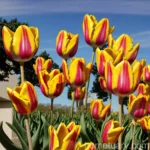
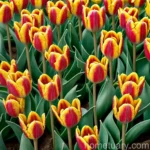
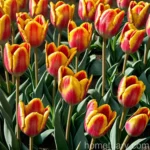
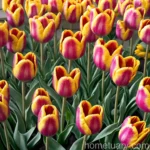
- Characterized by its teardrop-shaped blooms in enchanting shades of yellow and red.
- Native to Central Asia, specifically Afghanistan, Kazakhstan, Kyrgyzstan, Pakistan, Tajikistan, and Uzbekistan.
- A top choice for gardeners seeking a vibrant and low-maintenance addition to their outdoor spaces.
Now, let’s embark on a journey through the cultivation, care, and enchanting characteristics of the Botanical Tulip.
Culture
When considering the culture of the Tulipa clusiana chrysantha ‘Tubergen’s Gem’ (Botanical Tulip), it’s essential to understand the specific conditions that facilitate its healthy growth and beautiful blooms. This encompasses various aspects, including its water requirements, sunlight preferences, soil needs, and more.
Uses
The Botanical Tulip holds numerous uses, adding both visual and ecological value to its surroundings. From ornamental purposes in residential gardens to contributing to the biodiversity of natural landscapes, the uses of this tulip extend beyond aesthetic appeal.
- Ornamental Beauty: Adorning gardens, parks, and landscapes with vibrant hues and delicate blooms.
- Pollinator Support: Attracting pollinators like bees and butterflies, thus contributing to the local ecological balance.
- Naturalization: Thriving and spreading in suitable environments, contributing to the natural beauty of meadows and open spaces.
Water
Water is a vital component of successful tulip cultivation. Understanding the water needs of the Botanical Tulip is essential for maintaining its health and vibrant appearance.
- Optimal Watering: Provide well-draining soil and water when the soil is dry to the touch, especially during the active growth and blooming phases.
- Avoid Waterlogging: Prevent waterlogging, as excessive moisture can lead to bulb rot and other detrimental conditions.
Sunlight
The Botanical Tulip’s sunlight requirements play a significant role in its overall health and blooming patterns.
- Full Sun: Thrives in full sunlight, typically requiring at least 6-8 hours of direct sunlight daily.
- Partial Shade: Can tolerate partial shade, especially in regions with intense midday sun or high temperatures.
Fertilizer
Fertilization can significantly impact the growth and blooming of the Botanical Tulip, thus warranting attention to the specific nutrient requirements of this tulip species.
- Balanced Fertilizer: Apply a balanced fertilizer with a lower nitrogen content in the early spring to support healthy growth and robust blooms.
- Avoid Over-fertilizing: Refrain from over-fertilizing, as it can lead to lush foliage at the expense of blooming.
Soil
The choice of soil and its quality are crucial factors contributing to the overall vitality and vibrancy of the Botanical Tulip.
- Well-Draining Soil: Requires well-draining soil to prevent waterlogging and root rot.
- Neutral to Alkaline pH: Thrives in neutral to slightly alkaline soil conditions.
Pruning
Pruning plays a critical role in maintaining the health, aesthetics, and longevity of the Botanical Tulip.
- Post-Blooming Maintenance: Remove spent flowers to prevent seed formation and encourage the bulb to focus on energy storage for the following growing season.
- Foliage Management: Allow the foliage to yellow and wither naturally, as this process facilitates nutrient storage in the bulb for the next growing cycle.
Propagation
Understanding the methods of propagating the Botanical Tulip is essential for expanding its presence in gardens and landscapes.
- Separation of Offsets: Propagate by separating the offsets, or small bulbs, produced by the parent bulb after the flowering period.
- Seed Propagation: While viable seeds can be used for propagation, this method often requires more time and patience compared to bulb division.
Container Popularity
The Botanical Tulip’s allure and relatively compact size make it a popular choice for container gardening, adding bursts of color and elegance to patios, balconies, and other confined spaces.
- Balcony Beautification: Ideal for adding vibrant hues to urban balconies and terraces.
- Seasonal Display: Perfect for creating stunning seasonal displays in containers.
Container
The Botanical Tulip’s adaptability to container cultivation presents exciting opportunities for plant enthusiasts with limited outdoor space or those seeking versatile gardening options.
- Container Size: Use a container with adequate depth for proper root development.
- Well-Draining Potting Mix: Employ well-draining potting mix to maintain optimal soil moisture levels.
Common Diseases
While the Botanical Tulip is relatively resilient, understanding the potential diseases it may encounter is essential for proactive management and prevention.
- Fungal Diseases: Watch for signs of fungal diseases, such as Botrytis and Fusarium, especially in damp and humid conditions.
- Viral Infections: Be mindful of virus-transmitting insects that can introduce viral infections to the plant.
Disease Diagnosis
Prompt and accurate diagnosis of diseases impacting the Botanical Tulip is pivotal for implementing targeted treatment measures and preventing further spread.
- Visual Symptoms: Carefully observe the plant for discoloration, unusual growth patterns, or signs of distress.
- Professional Consultation: Seek guidance from local gardening experts or horticultural professionals for precise disease diagnosis.
Common Pests
Though generally resilient, the Botanical Tulip can encounter pests that can impact its growth and vibrancy.
- Aphids: Watch for aphid infestations, especially during periods of new growth and blooming.
- Thrips: Monitor for thrips, tiny insects that can cause aesthetic damage to tulip blooms.
Botanist’s Tips
Incorporate the following expert tips to enhance the cultivation and care of the Tulipa clusiana chrysantha ‘Tubergen’s Gem’ (Botanical Tulip):
- Healthy Soil: Prioritize well-draining and fertile soil to support robust growth and blooming.
- Mulching: Mulch the soil around the tulips to help retain moisture and deter weed growth.
- Bulb Inspection: Regularly inspect bulbs for signs of disease or damage before planting.
Fun Facts
Delight in these fascinating tidbits about the Botanical Tulip as you nurture and appreciate this captivating plant:
- Emblem of Afghanistan: The Tulipa clusiana chrysantha is designated as the national flower of Afghanistan.
- Perennial Charm: This tulip species exhibits perennial characteristics, returning year after year with proper care and conditions.
- Historical Significance: Tulips have a rich historical significance, with certain species playing prominent roles in art, culture, and economics.
Links to External Resources
As you continue your exploration and cultivation of the Botanical Tulip, consider these valuable external resources for further insights and guidance:
- The Royal Horticultural Society (RHS): Tulip Planting and Growing Guide
- American Horticultural Society: Tulip Bulbs Planting Guide
- University of Minnesota Extension: Tulip Diseases and Pests
In conclusion, the Tulipa clusiana chrysantha ‘Tubergen’s Gem’ (Botanical Tulip) stands as a remarkable and enchanting plant species, enriching gardens, landscapes, and hearts with its vibrant colors and enduring beauty. By embracing its specific cultural requirements, understanding its uses and potential challenges, and incorporating botanist-recommended care practices, enthusiasts can cultivate and cherish this splendid tulip species to the fullest.
As you embark on your journey with the Botanical Tulip, may these insights and guidelines serve as valuable companions, nurturing your appreciation for this magnificent plant and elevating your gardening endeavors to new heights of splendor and success.