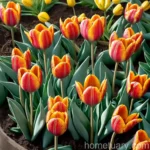
Tulipa ‘Belle du Monde’ (Single Late Tulip)
Tulips are some of the most recognizable and beloved spring-blooming flowers, and the Tulipa ‘Belle du Monde’ (Single Late Tulip) is no exception. With its elegant and striking appearance, this particular variety of tulip has become a favorite among gardeners and flower enthusiasts. In this comprehensive guide, we will explore everything you need to know about the Tulipa ‘Belle du Monde’, from its characteristics and care requirements to its uses and landscape applications.
What is Tulipa ‘Belle du Monde’?
Tulipa ‘Belle du Monde’ is a stunning variety of Single Late Tulip that belongs to the Liliaceae family. It is known for its tall, graceful stems and large, cup-shaped flowers. The ‘Belle du Monde’ tulip typically blooms in late spring, adding a burst of color to gardens and landscapes. The plant’s blooms are particularly eye-catching, featuring creamy white petals that are accented with pale pink and greenish-yellow highlights. This unique combination of colors contributes to the tulip’s allure and makes it a sought-after addition to spring gardens.
Key Takeaways – Tulipa ‘Belle du Monde’ (Single Late Tulip)
Before delving into the specifics of caring for Tulipa ‘Belle du Monde’, let’s take a look at some of the key takeaways associated with this exquisite variety:
- Botanical Name: Tulipa ‘Belle du Monde’
- Common Name: Single Late Tulip
- Belle du Monde Tulip: A variety known for its late blooming and elegant, cup-shaped flowers.
- Growing Conditions: Requires well-drained soil, ample sunlight, and regular watering.
- Landscape Uses: Ideal for borders, containers, and flower arrangements.
- Disease Resistance: Exhibits good resistance to common tulip diseases.
- Pest Control: May require protection against certain pests, such as aphids and bulb-munching rodents.
- Propagation: Can be propagated through offsets or bulb division.
Now that we have an overview of the key aspects of Tulipa ‘Belle du Monde’, let’s delve deeper into its culture, uses, and care requirements.
Culture of Tulipa ‘Belle du Monde’
The successful cultivation of Tulipa ‘Belle du Monde’ relies on understanding and providing the ideal growing conditions for this particular variety. From soil preferences to watering requirements, a strategic approach to culture can ensure the healthy and vibrant growth of these beautiful tulips.
Water
Proper watering is essential for the growth and flowering of Tulipa ‘Belle du Monde’. Here are some key points to consider:
- Spring Moisture: As the ‘Belle du Monde’ tulip blooms in late spring, it is important to ensure that the soil remains consistently moist during the growing season.
- Well-Drained Soil: While ample moisture is important, it is equally crucial to avoid waterlogging, as this can lead to bulb rot and other issues. Ensure that the soil provides good drainage to prevent water accumulation around the bulbs.
Sunlight
Like many flowering bulbs, Tulipa ‘Belle du Monde’ thrives in full sun. Adequate sunlight is necessary to promote strong, healthy stems and vibrant blooms. When selecting a planting location for these tulips, prioritize spots that receive at least 6-8 hours of direct sunlight each day.
Fertilizer
Fertilization plays a key role in supporting the growth and flowering of Tulipa ‘Belle du Monde’. Here’s what you need to know about fertilizing these tulips:
- Pre-Planting Fertilization: Prior to planting the bulbs, incorporate a balanced, slow-release fertilizer into the soil to provide essential nutrients for the growing plants.
- Post-Bloom Fertilization: After the tulips have finished blooming, apply a phosphorus-rich fertilizer to support bulb development and prepare the plants for the following year’s growth.
Soil
The soil composition and quality can significantly impact the performance of Tulipa ‘Belle du Monde’. Consider the following soil-related factors when cultivating these tulips:
- Well-Drained Loam: ‘Belle du Monde’ tulips prefer loamy soil that is well-drained and rich in organic matter. This type of soil provides a balanced environment for root development and water retention.
- Soil pH: Aim for a slightly acidic to neutral soil pH (6.0-7.0) to create a favorable growing environment for the tulips.
- Soil Preparation: Prior to planting, prepare the soil by loosening it to a depth of at least 12 inches and incorporating organic matter, such as compost, to improve its structure and fertility.
Pruning
Pruning plays a minimal role in the care of Tulipa ‘Belle du Monde’, particularly during and after the flowering period. As the blooms fade and the foliage begins to yellow and wither, you can gently remove the spent flowers and trim back the yellowing foliage. However, it’s important to allow the foliage to complete the photosynthesis process and replenish the bulbs with nutrients for the following year. Therefore, avoid cutting back the foliage until it has completely yellowed and is ready to be removed.
Propagation
Tulipa ‘Belle du Monde’ can be propagated through offset bulbs and bulb division. As the plants mature and produce offsets, these can be carefully separated from the parent bulbs and replanted to create new plants. Additionally, dividing and replanting the bulbs every few years can help rejuvenate the plants and ensure continued vigor and flowering.
Container Popularity
The striking beauty and elegant form of Tulipa ‘Belle du Monde’ make it a popular choice for container gardening. Whether grown in individual pots or combined with other spring-flowering bulbs, these tulips can bring a touch of grace and sophistication to patios, balconies, and garden spaces. When growing ‘Belle du Monde’ tulips in containers, ensure that the pots provide adequate drainage and use a well-draining potting mix to promote healthy root development.
Common Diseases
Despite their allure and popularity, tulips, including the ‘Belle du Monde’ variety, are susceptible to a number of diseases that can affect their growth and blooming. Understanding these common diseases and their prevention measures is essential for maintaining the health and vitality of the tulips. Some of the issues to be mindful of include:
Disease Diagnosis
- Botrytis Blight: Characterized by the development of fuzzy gray mold on the foliage and flowers, particularly during cool, damp weather.
- Tulip Fire: Caused by the fungus Botrytis tulipae, this disease leads to distinctive brown lesions on the foliage and flowers, often accompanied by a withered appearance.
- Fusarium Bulb Rot: This fungal disease affects the bulbs, causing them to become soft, discolored, and ultimately decayed.
Common Pests
In addition to diseases, tulips, including Tulipa ‘Belle du Monde’, can attract certain pests that may pose a threat to the plants. Vigilance and timely intervention can help mitigate the damage caused by these common pests:
- Aphids: These small, sap-sucking insects can infest tulip plants, causing distorted growth and the development of sticky honeydew on the foliage.
- Rodent Damage: Squirrels, mice, and other rodents may dig up and consume tulip bulbs, particularly during the planting and dormant seasons. Protective measures, such as bulb covers and deterrents, can help safeguard the bulbs from these pests.
Botanist’s Tips for Success
Based on the specific requirements and characteristics of Tulipa ‘Belle du Monde’, here are some valuable tips from botanists and experienced gardeners to ensure the successful cultivation of these graceful tulips:
- Selecting Bulbs: When purchasing ‘Belle du Monde’ tulip bulbs, choose firm, healthy specimens and avoid bulbs that show signs of mold, damage, or softness.
- Planting Depth: Plant the tulip bulbs at a depth that is approximately three times the bulb’s height, ensuring adequate coverage and protection.
- Naturalizing: To create a naturalized look, consider planting ‘Belle du Monde’ tulips in clusters or drifts, allowing them to multiply and form a stunning display over time.
- Companion Planting: Pair ‘Belle du Monde’ with early-blooming perennials or other spring bulbs, such as daffodils and grape hyacinths, to create captivating combinations and extended seasonal interest.
Fun Facts about Tulipa ‘Belle du Monde’
- The ‘Belle du Monde’ tulip is known for its exquisite fragrance, adding an additional sensory delight to its visual appeal.
- This variety is often used in flower arrangements and bouquets, where its classic beauty and long stems make it a favored choice for florists and designers.
- Tulipa ‘Belle du Monde’ is adored by pollinators, particularly bees and other nectar-seeking insects, making it a valuable addition to pollinator-friendly gardens.
Links to External Resources
For additional information on Tulipa ‘Belle du Monde’ (Single Late Tulip), the following resources can provide valuable insights into its cultivation and uses:
- Royal Horticultural Society – Tulipa ‘Belle du Monde’
- Missouri Botanical Garden – Tulipa ‘Belle du Monde’
As we continue to explore the world of plants and delve into the intricate details of individual varieties, it becomes apparent that each species and cultivar offers its own unique charm and requirements. Tulipa ‘Belle du Monde’ exemplifies the timeless elegance and captivating allure of tulips, making it a valuable addition to spring gardens and landscapes. With a mindful approach to culture, care, and appreciation for its distinctive features, the ‘Belle du Monde’ tulip can grace our outdoor spaces with its beauty and fragrance for years to come.