Truncate Living Stone (Lithops Pseudotruncatella)
Plants are among the most diverse and fascinating life forms on our planet, ranging from towering trees in the Amazon rainforest to tiny succulents that.
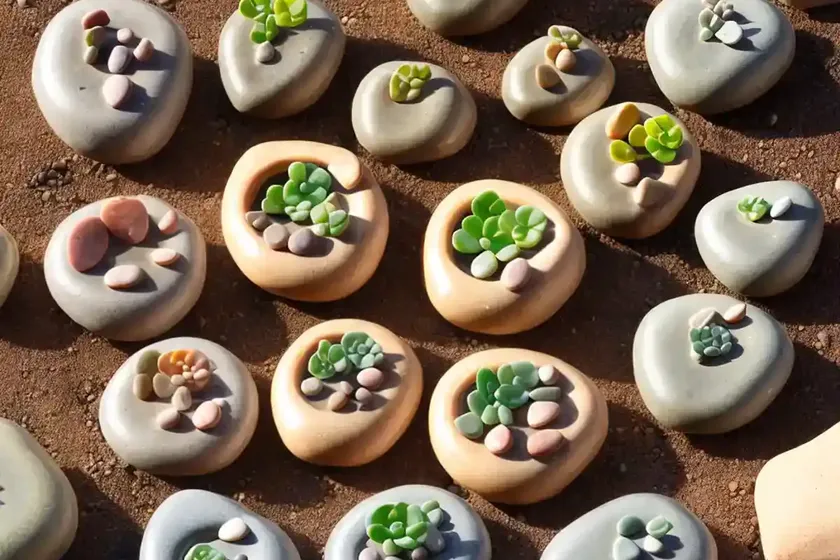
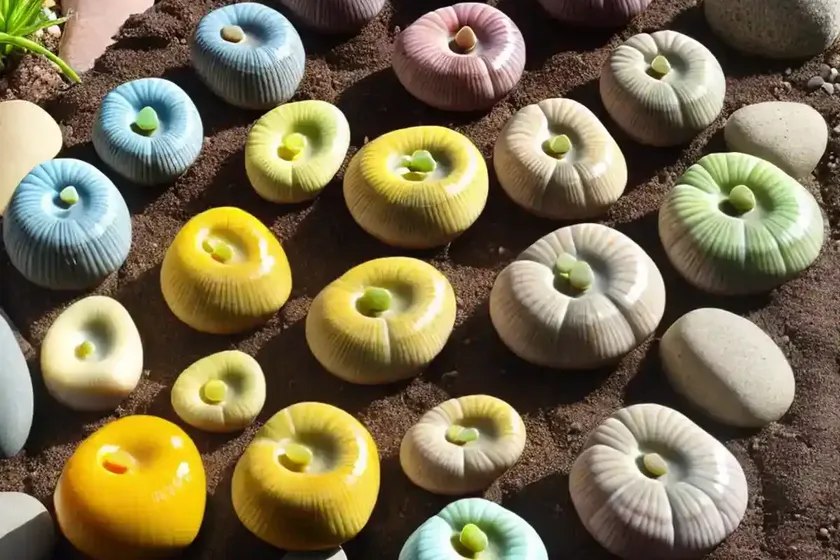
Plants are among the most diverse and fascinating life forms on our planet, ranging from towering trees in the Amazon rainforest to tiny succulents that thrive in arid deserts. In this article, we will explore the unique and intriguing plant species known as “Truncate Living Stone” (Lithops pseudotruncatella). From its cultural significance to its growth requirements and common diseases, we will delve into every aspect of this remarkable succulent.
What is a Plant?
Before we delve into the specifics of Lithops pseudotruncatella, it’s important to understand the broader concept of plants. Plants are multicellular organisms in the kingdom Plantae that use photosynthesis to produce their own food. They are characterized by their green pigment, chlorophyll, which enables them to capture light energy from the sun and convert it into organic compounds.
Plants are essential for life on Earth, as they serve as the primary producers in most ecosystems, providing food and oxygen for other organisms. They also play a crucial role in regulating the Earth’s climate and are a valuable source of medicine, food, and raw materials for countless human societies.
With this fundamental understanding of plants, let’s move on to the specific plant we will be exploring in this article: Lithops pseudotruncatella, also known as the Truncate Living Stone.
Truncate Living Stone (Lithops pseudotruncatella)
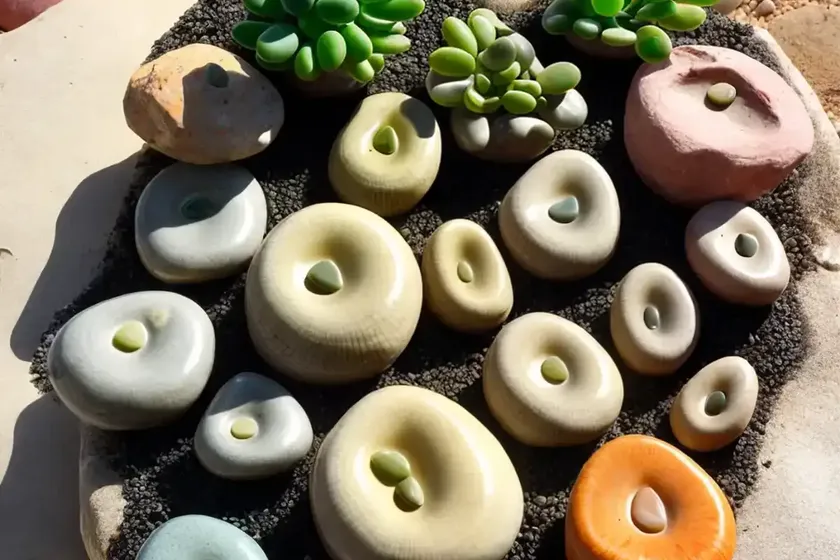
Lithops pseudotruncatella, commonly referred to as the Truncate Living Stone, is a species of succulent plant native to the arid regions of southern Africa. It belongs to the genus Lithops, which is renowned for its unique appearance and remarkable adaptation to harsh, dry environments. The name “Lithops” is derived from the Greek words “lithos,” meaning stone, and “ops,” meaning face, alluding to the plant’s resemblance to small pebbles or stones.
Key Takeaways – Truncate Living Stone (Lithops pseudotruncatella)
Before we delve into the specific cultural practices and care requirements for Lithops pseudotruncatella, let’s summarize the key takeaways for this remarkable succulent:
- Common Name: Truncate Living Stone
- Scientific Name: Lithops pseudotruncatella
- Plant Type: Succulent
- Native Habitat: Arid regions of southern Africa
- Growth Cycle: Typically grows from autumn to spring and is dormant during the summer months
- Special Features: Camouflage-like appearance, resembling small stones or pebbles
- Cultivation: Grown for ornamental purposes in containers
With these key takeaways in mind, let’s explore the cultural practices and care guidelines for cultivating Lithops pseudotruncatella.
Culture
Cultivating Lithops pseudotruncatella involves understanding its native habitat and providing conditions that mimic its natural environment. This includes considerations such as watering, sunlight exposure, soil type, and temperature requirements.
Uses
Lithops pseudotruncatella is primarily cultivated for ornamental purposes, prized for its unique appearance and low maintenance requirements. It is commonly grown in containers, making it a popular choice for indoor and outdoor displays, rock gardens, and xeriscaping projects.
Water
Watering is a critical aspect of caring for Lithops pseudotruncatella, as this succulent has specific requirements to thrive. Given its natural habitat in arid regions, it is adapted to infrequent and sparse rainfall. Overwatering can be detrimental to Lithops, leading to rot and other health issues. During the plant’s active growth period in autumn to spring, it is important to water sparingly, allowing the soil to dry out between waterings. However, during the summer dormancy period, it is best to refrain from watering entirely, mimicking the natural dry conditions of its native habitat.
Sunlight
Lithops pseudotruncatella thrives in bright, indirect sunlight. In its natural habitat, it is exposed to intense sunlight, and as a result, it is essential to provide ample light when cultivating this succulent. When grown indoors, placing the plant near a south-facing window or providing supplemental grow lights can ensure it receives adequate light for healthy growth.
Fertilizer
Feeding Lithops pseudotruncatella should be approached with caution, as it is sensitive to excessive nutrients. A low-nitrogen liquid fertilizer diluted to half-strength can be applied sparingly during the plant’s active growth phase in autumn and spring. Fertilization should be avoided during the summer dormancy period.
Soil
The soil mix for Lithops pseudotruncatella should be well-draining and formulated to mimic the rocky, mineral-rich substrate of its native habitat. A commercial cactus or succulent mix with added perlite or coarse sand is suitable for promoting proper drainage and preventing waterlogged soil, which can be detrimental to the plant’s health.
Pruning
Pruning requirements for Lithops pseudotruncatella are minimal. Removal of withered or dead leaves can be performed as needed, using sterile pruning shears to maintain the plant’s aesthetic appearance. However, it’s important to avoid excessive pruning, as this can disrupt the plant’s natural growth and lead to potential issues.
Propagation
Propagation of Lithops pseudotruncatella is typically achieved through division or by sowing seeds. Division involves carefully separating offsets or “pups” from the parent plant and allowing them to root in a separate container. Sowing seeds can be a rewarding but time-intensive method, as Lithops have a unique seed structure and require specific conditions for successful germination.
Container
When grown in containers, Lithops pseudotruncatella thrives in small, shallow pots that mimic the shallow depth of its natural rocky habitat. The containers should have adequate drainage holes to prevent waterlogging, and a gritty, well-draining soil mix should be used to promote optimal growing conditions.
Popularity
Lithops pseudotruncatella has gained popularity among succulent enthusiasts and collectors due to its captivating appearance and unique growth habits. Its ability to thrive in arid, low-water environments makes it an attractive choice for individuals seeking low-maintenance plants for their indoor or outdoor spaces.
Common Diseases
Despite its ability to thrive in challenging environments, Lithops pseudotruncatella is susceptible to certain diseases and health issues. Understanding these potential ailments is crucial for maintaining the plant’s health and addressing any problems promptly.
Disease Diagnosis
Some common diseases that can affect Lithops pseudotruncatella include:
-
Root Rot: This can occur due to overwatering or poor soil drainage, leading to decay of the plant’s roots. Symptoms include wilting, yellowing of the leaves, and a foul odor emanating from the soil.
-
Fungal Infections: Various fungal pathogens can affect Lithops, leading to issues such as leaf spots, rot, or mold formation on the plant’s surface. Proper air circulation and avoiding excessive moisture can help prevent fungal infestations.
-
Bacterial Infections: Bacterial diseases can manifest as soft rot or blackened areas on the plant’s tissue. Sanitation practices, such as using sterile tools and avoiding overwatering, can mitigate bacterial issues.
-
Pest Infestations: While not a disease per se, pest infestations can weaken the plant and make it more susceptible to diseases. Common pests that can affect Lithops pseudotruncatella include aphids, mealybugs, and spider mites.
Common Pests
Lithops pseudotruncatella, like many other succulents, can fall victim to pest infestations that may compromise its health and vigor. Identifying and addressing these pests in a timely manner is crucial for preserving the plant’s well-being.
Some common pests that can affect Lithops pseudotruncatella include:
-
Aphids: These small, sap-sucking insects can cluster on the plant’s new growth, causing distortion and yellowing of the leaves.
-
Mealybugs: Recognizable by their white, cottony appearance, mealybugs can infest the plant and feed on its sap, leading to stunted growth and yellowing of the foliage.
-
Spider Mites: These minuscule arachnids can create fine webbing on the plant and cause stippling or discoloration of the leaves as they feed on the plant’s sap.
-
Scale Insects: Scale insects can attach themselves to the plant and feed on its juices, often appearing as raised, waxy bumps on the stems or leaves.
Botanist’s Tips
To ensure the successful cultivation of Lithops pseudotruncatella, it’s important to follow best practices and consider the following tips from botanists and experienced growers:
-
Observe Dormancy Cycles: Understanding the plant’s natural growth and dormancy cycles is essential for providing appropriate care. During the summer dormancy period, refrain from watering and allow the plant to rest.
-
Provide Proper Drainage: Ensuring that the soil and containers have adequate drainage is crucial for preventing issues such as root rot and waterlogged soil.
-
Avoid Excessive Fertilization: Succulents, including Lithops, are adapted to low-nutrient environments, and excessive fertilization can harm the plant. Use a diluted, low-nitrogen fertilizer sparingly during the active growth period.
-
Monitor for Pests: Regularly inspect the plant for signs of pest infestations, and take proactive measures, such as using natural predators or horticultural oils, to address pest issues.
Fun Facts
As we explore the intriguing world of Lithops pseudotruncatella, here are some fun and fascinating facts about this unique succulent:
-
Lithops pseudotruncatella is often referred to as “Living Stones” due to its remarkable resemblance to small pebbles or stones, serving as camouflage in its arid habitat.
-
The tiny, daisy-like flowers of Lithops pseudotruncatella can emerge from clefts between its fleshy leaves, adding a delightful touch to its appearance during the flowering season.
-
Lithops have evolved to mimic the surrounding rocks not only in appearance but also in their growth habits, with new leaf pairs emerging to replace older ones.
-
The genus Lithops is known for its extensive diversity, with numerous species and varieties showcasing a stunning array of colors, patterns, and textures.
With these fascinating tidbits in mind, we have only scratched the surface of the captivating world of Lithops pseudotruncatella. Now, let’s turn our attention to some external resources and references to further enrich our understanding of this remarkable succulent.
Links to External Resources
For further exploration and in-depth information on Lithops pseudotruncatella and related topics, here are some valuable external resources:
-
The Lithops.info website – A comprehensive online resource dedicated to Lithops, offering detailed care guidelines, species profiles, and cultivation tips.
-
The Cactus and Succulent Society of America (CSSA) – The CSSA website provides a wealth of information on cacti, succulents, and related plants, including articles, publications, and community forums.
-
The Royal Horticultural Society (RHS) – The RHS offers a range of resources on succulent cultivation, pest and disease management, and horticultural best practices.
-
Succulent Plant Care – This website provides practical advice on caring for a wide variety of succulent plants, including tips specific to Lithops pseudotruncatella.
By exploring these external resources, enthusiasts and aspiring plant caretakers can delve deeper into the world of Lithops pseudotruncatella and expand their knowledge of succulent plants in general.
In conclusion, the Truncate Living Stone (Lithops pseudotruncatella) stands as a testament to the incredible diversity and adaptability of succulent plants. With its stone-like appearance, fascinating growth habits, and ornamental appeal, it continues to capture the fascination of plant enthusiasts around the world. By understanding its cultural requirements, addressing potential issues, and appreciating its unique attributes, we can cultivate and celebrate this captivating succulent in our own homes and gardens.
As we continue to explore the astonishing world of plant life, let us embrace the wonder and diversity that nature presents, and seek to nurture and safeguard these precious living treasures for generations to come.