Living Stones (Lithops Helmutii)
Plants are an essential part of our world, providing us with oxygen, food, and natural beauty. Among the plethora of plant species, there exist some.
Plants are an essential part of our world, providing us with oxygen, food, and natural beauty. Among the plethora of plant species, there exist some extraordinary specimens that captivate the imagination and curiosity of plant enthusiasts. Living Stones, scientifically known as Lithops Helmutii, is one such plant that has gained widespread admiration due to its unique appearance and interesting characteristics.
In this extensive guide, we will delve into the fascinating world of Lithops Helmutii, exploring its cultural practices, uses, care requirements, and much more. Whether you are a seasoned succulent aficionado or a novice plant lover, this comprehensive resource will equip you with in-depth knowledge about the enigmatic Living Stones.
What is Plant: Living Stones (Lithops Helmutii)?
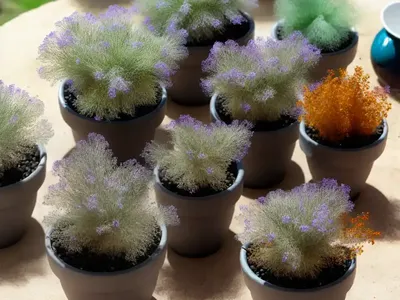
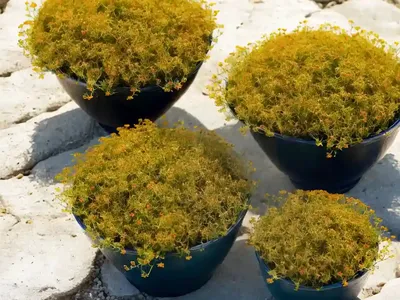
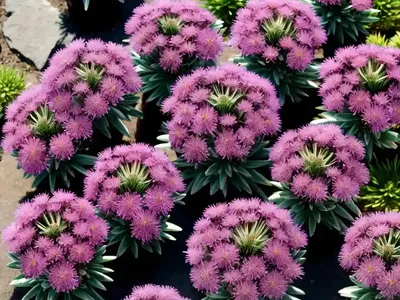
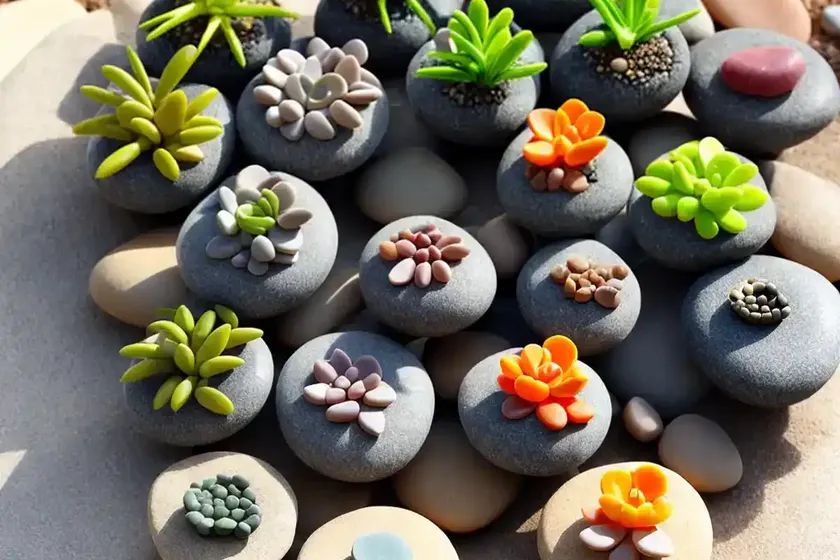
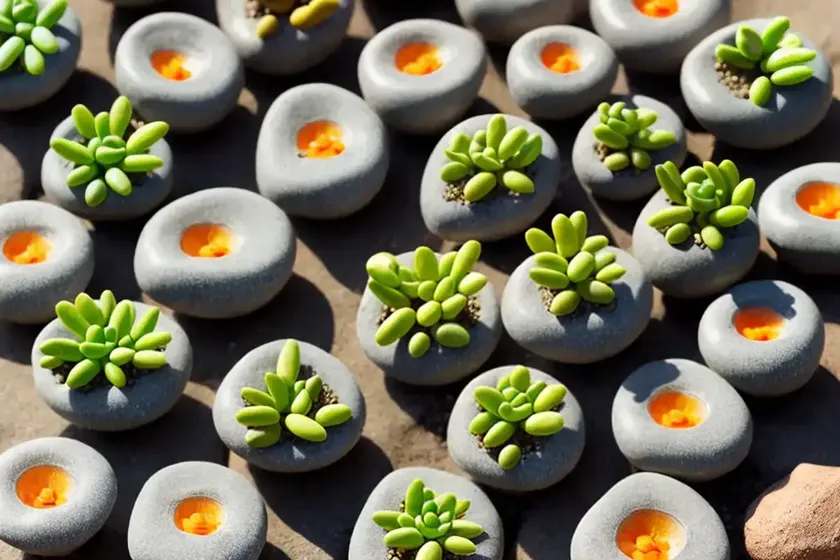
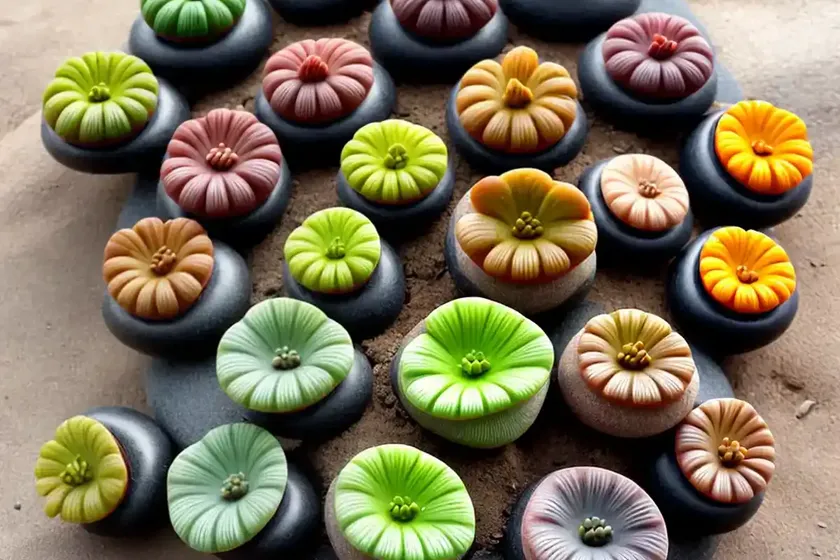
Living Stones, also known by their scientific name Lithops Helmutii, are a species of succulent plants native to southern Africa. These remarkable plants belong to the Aizoaceae family and are renowned for their striking resemblance to small stones or pebbles. The name “Lithops” is derived from the Greek words “lithos,” meaning stone, and “ops,” meaning face, perfectly encapsulating the plant’s appearance.
Lithops Helmutii exhibit a remarkable adaptation to their arid and semi-arid habitats, characterized by their ability to camouflage among rocky terrains to evade herbivores and harsh environmental conditions. This unique trait has earned them the moniker “Living Stones,” as they mimic the appearance of the stones in their natural surroundings.
The remarkable camouflage of Lithops Helmutii serves as a defense mechanism, allowing the plant to blend seamlessly into its environment and avoid predation. Additionally, their appearance also aids in minimizing water loss by reducing the surface area exposed to the sun, thereby enhancing their survival in arid regions.
Key Takeaways – Living Stones (Lithops Helmutii)
To fully understand and appreciate the intriguing nature of Lithops Helmutii, it’s essential to explore various aspects related to their culture, care, uses, and characteristics. Below are the key takeaways that we will extensively cover in this guide:
- Culture
- Uses
- Water
- Sunlight
- Fertilizer
- Soil
- Pruning
- Propagation
- Container
- Popularity
- Common Diseases
- Disease Diagnosis
- Common Pests
- Botanist’s Tips
- Fun Facts
- Links to External Resources
Now, let’s embark on an enriching journey through the world of Living Stones, uncovering the intricacies of Lithops Helmutii and gaining valuable insights into the care and cultivation of these extraordinary plants.
Lithops Helmutii Care
Culture
Cultivating Lithops Helmutii entails creating an environment that mimics their natural habitat, characterized by arid and rocky conditions. Understanding the plant’s cultural requirements is crucial for ensuring its optimal growth and health.
Key Considerations for Lithops Helmutii Culture:
| Aspect | Description |
|——————–|——————————————————————————|
| Climate | Thrives in arid and semi-arid environments |
| Temperature | Prefers warm temperatures and can withstand high heat |
| Humidity | Requires low humidity levels, typical of arid regions |
| Watering | Follows a distinct watering schedule to mimic natural rainfall patterns |
| Soil | Thrives in well-draining, rocky or mineral-based soil |
| Container | Suited for shallow containers to simulate rocky terrain |
| Light | Requires abundant sunlight, preferring direct sun exposure |
| Fertilization | Requires minimal fertilization, especially during dormancy |
The cultural practices for Lithops Helmutii are intrinsically linked to their natural habitat, necessitating a thoughtful approach to provide them with the optimal conditions for growth.
Uses
Lithops Helmutii are revered for their ornamental value and serve as captivating additions to succulent gardens, rockeries, and desert-themed landscapes. Their distinctive appearance and low-maintenance nature make them sought-after plants for various horticultural and decorative purposes.
Key Uses of Lithops Helmutii:
– Ornamental plant for succulent gardens
– Desirable addition to rock and alpine gardens
– Ideal for xeriscaping and drought-tolerant landscapes
– Decorative feature in containers and terrariums
– Showcased in botanical gardens and succulent collections
The aesthetic appeal and adaptability of Living Stones make them versatile plants that can enhance diverse outdoor and indoor settings, adding a touch of uniqueness to any environment.
Water
Watering practices play a critical role in the care of Lithops Helmutii, as they have specific requirements that reflect their natural habitat’s precipitation patterns and arid conditions. Understanding the nuances of watering is essential to prevent issues such as rot and dehydration.
Essential Aspects of Watering Lithops Helmutii:
– Implement a watering schedule that replicates natural rainfall patterns
– Water moderately during the plant’s active growing season, typically in autumn and spring
– Reduce watering significantly during the plant’s dormancy period in summer
– Avoid overwatering to prevent root rot and fungal diseases
– Utilize a well-draining soil mix to promote proper moisture levels
The precise approach to watering Living Stones is fundamental to their thriving, ensuring that they receive adequate hydration while mitigating the risks associated with excessive moisture.
Sunlight
As inhabitants of arid regions, Lithops Helmutii have adapted to thrive in environments with abundant sunlight. Providing the appropriate light conditions is pivotal for the plant’s photosynthetic processes and overall well-being.
Key Considerations for Sunlight Exposure:
– Position the plant in a location with ample direct sunlight
– Ensure exposure to at least 6 hours of sunlight daily for optimal growth
– Protect from intense midday sun in exceptionally hot climates to prevent sunburn
– Consider indoor placement near south-facing windows for sufficient light exposure
– Monitor for signs of etiolation or sun damage, and adjust light conditions accordingly
Balancing the need for sunlight exposure with protection against excessive heat is essential for promoting healthy growth and vibrant coloration in Lithops Helmutii.
Fertilizer
Fertilization requirements for Lithops Helmutii are minimal, reflecting their adaptation to nutrient-poor soils in their natural habitat. An appropriate approach to fertilization involves utilizing a balanced fertilizer formulation and applying it sparingly during specific growth stages.
Recommended Fertilization Practices:
– Use a fertilizer with a balanced NPK ratio, diluted to half or quarter strength
– Apply fertilizer sparingly during the active growing season in autumn and spring
– Refrain from fertilizing during the dormancy period in summer to mimic natural conditions
– Incorporate organic matter into the soil mix to enhance nutrient availability without over-fertilizing
By adopting a conservative approach to fertilization, we can support the nutritional needs of Lithops Helmutii while preventing the potential detrimental effects of excessive nutrient supply.
Soil
The choice of soil is fundamental in providing an environment conducive to the growth and development of Lithops Helmutii. Their natural habitat’s rocky and mineral-based terrain serves as a guide for formulating an ideal soil mix for cultivation.
Optimal Soil Characteristics for Lithops Helmutii:
– Well-draining and porous texture to prevent waterlogged conditions
– Incorporation of coarse materials such as sand, pumice, or perlite for improved drainage
– Absence of excessive organic matter to mimic the low-nutrient soils in their native environment
– Alkaline pH levels, ideally ranging from 6.0 to 8.5, suitable for succulent growth
Creating a well-balanced soil mix that mirrors the lithic characteristics of native habitats is crucial for establishing an environment conducive to the health and prosperity of Living Stones.
Pruning
Pruning requirements for Lithops Helmutii are minimal, as their compact and stone-like growth habits do not necessitate extensive trimming or shaping. However, occasional maintenance practices can aid in preserving the plant’s aesthetics and vitality.
Practical Considerations for Pruning:
– Remove dried or withered leaves by gently detaching them from the plant
– Prune any damaged or diseased parts with clean and sterilized tools to prevent infection
– Avoid excessive pruning or manipulation, as it can compromise the plant’s natural form and health
– Aim for minimal intervention and allow the plant to maintain its characteristic appearance
Prudent pruning practices for Lithops Helmutii involve selective removal of unsightly or compromised foliage while respecting the plant’s innate growth patterns.
Propagation
The propagation of Lithops Helmutii offers a rewarding and engaging opportunity to expand your collection of Living Stones. Understanding the methods and requirements for successful propagation is essential for achieving favorable outcomes.
Effective Techniques for Propagating Lithops Helmutii:
– Utilize the division method, which involves carefully separating offsets or “pups” from the parent plant
– Ensure that the separated offsets have developed their own root systems before potting them individually
– Avoid propagation during the plant’s dormancy period to optimize the success rate
– Provide the propagated plants with suitable environmental conditions to facilitate establishment and growth
By practicing proper propagation techniques, enthusiasts can multiply their Lithops Helmutii while preserving the unique characteristics of the parent plants.
Container
Selecting suitable containers for planting Lithops Helmutii is integral to creating an environment that replicates their natural habitat while accommodating their growth habits and requirements.
Key Considerations for Container Selection:
– Choose shallow and wide containers to mimic the rocky and compact environment of the plants’ native terrain
– Prioritize containers with adequate drainage holes to prevent waterlogging and promote soil aeration
– Opt for materials such as terracotta, clay, or unglazed ceramic to facilitate breathability and moisture regulation
– Consider the aesthetic and functional aspects of the container to complement the distinct appearance of Living Stones
Strategic choices in container selection contribute to the overall well-being and visual appeal of Lithops Helmutii, providing them with a conducive and harmonious growing environment.
Popularity
The widespread popularity of Lithops Helmutii can be attributed to their remarkable visual appeal, low-maintenance nature, and capacity to thrive in diverse environmental conditions. As a beloved specimen in the realm of succulent plants, the Living Stones have captivated the hearts and gardens of enthusiasts worldwide.
Factors Contributing to the Popularity of Lithops Helmutii:
– Unique resemblance to stones or pebbles, adding an element of intrigue and fascination
– Enduring appeal as low-maintenance and drought-tolerant plants, suitable for various gardening styles
– Versatility in landscaping applications, from rock gardens to container displays and arid landscapes
– High adaptability to indoor and outdoor settings, expanding their accessibility to a broad audience
– Cultivation as collector’s plants, inspiring a dedicated community of succulent enthusiasts
The enduring popularity of Lithops Helmutii is a testament to their allure and adaptability, cementing their status as cherished additions to horticultural collections and living artworks.
Common Diseases
While Lithops Helmutii are generally resilient to many common plant diseases, certain issues can arise due to unfavorable growing conditions, excessive moisture, or pathogens. Understanding potential diseases and their management is essential for safeguarding the health of these unique succulents.
Notable Diseases Affecting Lithops Helmutii:
– Fungal Infections: Occur as a result of overwatering or prolonged exposure to damp conditions, leading to rot and discoloration of the plant
– Bacterial Diseases: Manifest in the form of soft, mushy spots on the plant, often caused by poor ventilation and excessive moisture
– Viral Diseases: Rare but possible, resulting in stunted growth, deformities, and discoloration of the plant
Vigilant monitoring and the implementation of appropriate cultural practices are paramount for preventing and managing diseases that can potentially impact the health and vigor of Lithops Helmutii.
Disease Diagnosis
In order to effectively address diseases affecting Lithops Helmutii, accurate diagnosis is essential to identify the underlying issues and implement targeted interventions.
Key Steps in Disease Diagnosis:
1. Visual Inspection: Carefully examine the plant for any signs of discoloration, lesions, or unusual growth patterns.
2. Assess Growing Conditions: Evaluate the watering practices, light exposure, and ventilation to identify potential stressors.
3. Conduct Soil Analysis: Determine soil moisture levels and drainage to assess the risk of fungal and bacterial infections.
4. Seek Professional Input: If unsure, consult with a knowledgeable horticulturist or plant pathologist for expert guidance.
By conducting a thorough diagnosis, we can effectively address diseases and promote the recovery and vitality of Lithops Helmutii.
Common Pests
While Lithops Helmutii are relatively resilient to many pests due to their succulent nature, certain insects and mites can pose a threat to these plants. Recognizing common pests and adopting preventive measures is essential for safeguarding the health and aesthetics of Living Stones.
Notable Pests Affecting Lithops Helmutii:
– Mealybugs: Sap-sucking insects that appear as white, cottony clusters on the plant’s surface, leading to weakened growth and vitality.
– Aphids: Tiny insects that feed on plant sap, causing distortion of leaves, yellowing, and general decline in the plant’s health.
– Spider Mites: Microscopic pests that infest plants and create webbing, causing stippling, discoloration, and reduced vigor.
Consistent monitoring, holistic pest management strategies, and maintaining a healthy growing environment are pivotal for preventing and addressing pest infestations in Lithops Helmutii.
Botanist’s Tips
Drawing from the expertise of botanists and experienced growers can offer valuable insights and practical tips for cultivating and appreciating Lithops Helmutii. Incorporating the following recommendations can contribute to the successful care and enjoyment of Living Stones.
Botanist’s Tips for Lithops Helmutii Care:
– Emulate Natural Conditions: Strive to replicate the arid and rocky habitat of Lithops Helmutii in their growing environment to optimize their health and growth.
– Observe Dormancy Signals: Pay close attention to the plant’s natural growth cycles and adjust cultural practices during dormancy periods to promote vitality.
– Minimal Intervention: Avoid excessive handling, watering, and fertilization, as Living Stones thrive when they are left undisturbed in their optimal conditions.
– Cultivate Patience: Recognize that Lithops Helmutii are slow-growing plants, and exercise patience while awaiting their growth and blooming cycles.
By heeding the advice of botanists and knowledgeable enthusiasts, we can nurture thriving and resilient Lithops Helmutii while gaining a deeper appreciation for their captivating qualities.
Fun Facts
Exploring the captivating world of Lithops Helmutii unveils a treasure trove of fascinating and delightful facts that showcase the unique allure and adaptive prowess of these extraordinary plants.
Entertaining and Intriguing Fun Facts about Lithops Helmutii:
1. Lithops Helmutii belong to a diverse genus of approximately 40 recognized species, each with its own mesmerizing patterns and forms.
2. The distinct appearance of Living Stones serves as a natural camouflage, allowing them to blend seamlessly into their arid habitats and evade herbivores.
3. During the blooming season, Lithops Helmutii produce stunning daisy-like flowers in hues of white, yellow, or pink, contrasting with their stony exterior.
4. The plant’s growth cycle follows a fascinating rhythm of new leaf pairs emerging each year, gradually replacing the previous pairs as they mature and wither.
5. Lithops Helmutii have enraptured plant enthusiasts and collectors, leading to the establishment of dedicated communities and societies focused on these remarkable succulents.
These captivating fun facts offer a glimpse into the remarkable world of Lithops Helmutii, shedding light on their enchanting attributes and enthralling life cycle.
Links to External Resources
To further enrich your knowledge and appreciation of Lithops Helmutii, the following links provide valuable resources, insights, and platforms for connecting with the vibrant community of plant enthusiasts and experts.
- Lithops and Living Stones
- Succulent Plant Care
- The Cactus and Succulent Society of America
- Royal Horticultural Society – Lithops Care Guide
These external resources offer a wealth of information, guidance, and opportunities for engaging with the expansive world of Lithops Helmutii, fostering continuous learning and appreciation of these enchanting succulents.
In conclusion, exploring the enchanting realm of Lithops Helmutii unveils a tapestry of intriguing characteristics, cultural practices, and captivating uses, solidifying their status as prized additions to horticultural collections and living artworks. By embracing the unique allure and adaptive resilience of Living Stones, we embark on a journey enriched by their enigmatic charm and enduring appeal, celebrating the beauty and complexity of the natural world.
Whether adorning gardens, succulent displays, or personal collections, Lithops Helmutii stand as living testaments to the remarkable diversity and resilience of plant life, inspiring awe and admiration in the hearts of plant enthusiasts and nature admirers alike.