Trumpet-flower (Tecoma Stans)
Plants bring life and vibrancy to any space they inhabit. From adding a touch of nature to our homes to creating picturesque landscapes, plants enrich our.
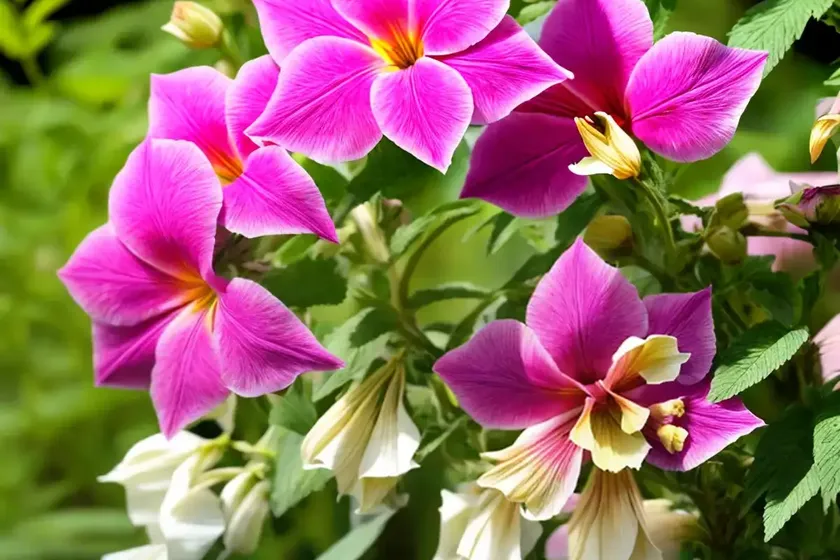
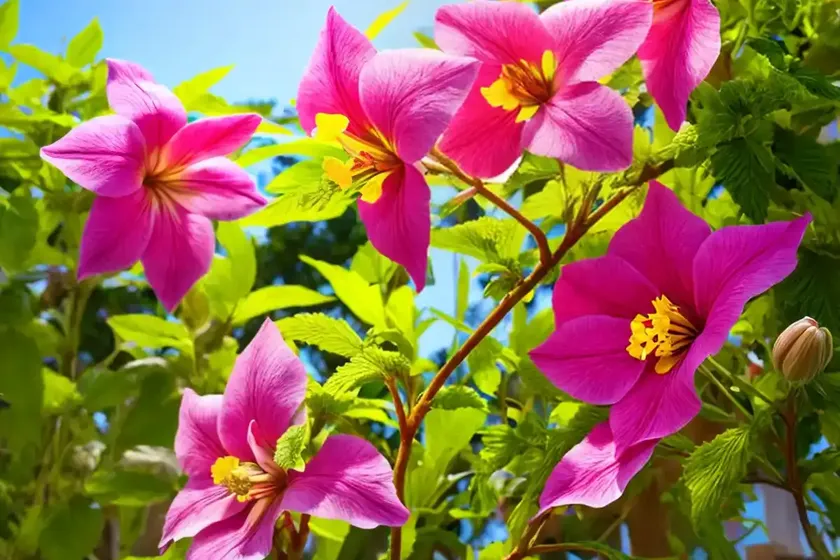
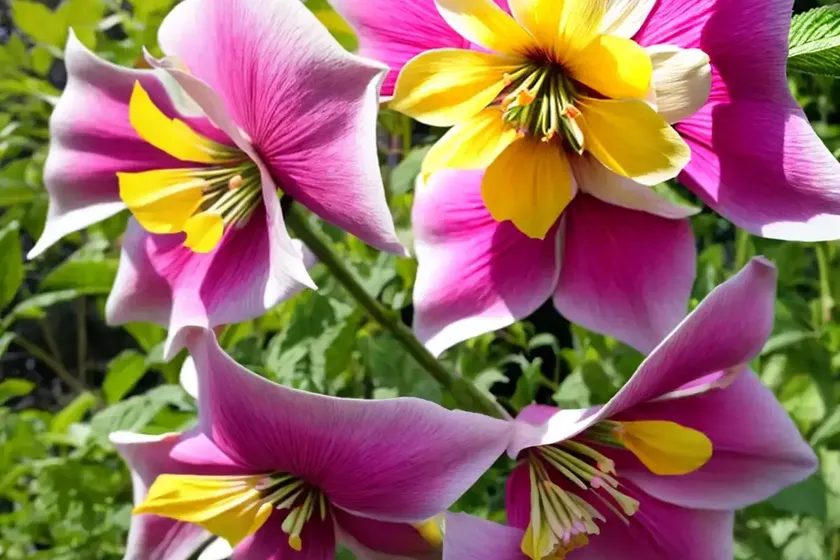
Plants bring life and vibrancy to any space they inhabit. From adding a touch of nature to our homes to creating picturesque landscapes, plants enrich our surroundings in numerous ways. Among the vast array of plant species, the trumpet-flower (Tecoma stans) shines as a symbol of grace and charm, captivating enthusiasts with its vibrant blooms and alluring fragrance. In this comprehensive guide, we will delve into the captivating world of Tecoma stans, exploring its unique characteristics, cultivation, uses, and much more.
What is Plant Trumpet-Flower (Tecoma Stans)?
Trumpet-flower, scientifically known as Tecoma stans, is a species of flowering shrub in the family Bignoniaceae. The plant is also referred to by various other names, including trumpet vine, yellow bells, trumpet creeper, trumpet bush, angel’s trumpet, and yellow elder. Its former scientific name is Bignonia stans. The genus name “Tecoma” is derived from the Nahuatl (Aztec language) word “tecomaxochitl,” which means “yellow flower.” The specific epithet “stans” also originates from Latin, signifying “erect” or “upright,” describing the plant’s growth habit.
Key Takeaways – Trumpet-Flower (Tecoma Stans)
- Scientific Name: Tecoma stans
- Other Common Names: Trumpet vine, yellow bells, trumpet creeper, trumpet bush, angel’s trumpet, yellow elder
- Family: Bignoniaceae
- Former Scientific Name: Bignonia stans
- Genus Origin: Nahuatl (Aztec language), meaning “yellow flower”
- Specific Epithet Origin: Latin, meaning “erect” or “upright”
Culture of Trumpet-Flower (Tecoma Stans)
Cultivating a thriving trumpet-flower plant involves understanding its specific cultural requirements, including the appropriate amount of water, sunlight, fertilizer, soil type, and pruning regimen. Let’s explore each of these aspects in detail.
Uses
Before delving into the cultural requirements of the Tecoma stans plant, it is essential to understand its diverse uses. The trumpet-flower is often cultivated for ornamental purposes, adorning gardens, landscapes, and indoor spaces with its charming yellow blooms. Additionally, the plant holds medicinal significance in traditional medicine, with various parts of the plant being used for their therapeutic properties. Its attractive foliage and ability to attract pollinators also make it a desirable choice for wildlife gardens and outdoor spaces.
Water
Tecoma stans, like many plants, requires adequate water to support healthy growth and abundant flowering. However, it is crucial to strike a balance, as excessive water can lead to waterlogged soil and root rot. On the other hand, insufficient watering can result in wilting and diminished blooming. It is recommended to water the plant deeply but infrequently, allowing the soil to partially dry out between watering sessions. This approach encourages the development of a robust root system capable of withstanding periods of drought.
Sunlight
Being native to tropical and subtropical regions, Tecoma stans thrives in full sunlight. It is vital to provide the plant with at least 6-8 hours of direct sunlight daily to promote vigorous growth and profuse flowering. In regions with scorching summers, providing filtered light during the hottest part of the day can help prevent sunburn and stress on the plant.
Fertilizer
To support its energetic growth and ensure abundant blooms, trumpet-flower plants benefit from regular fertilization during the growing season. A balanced, slow-release fertilizer with an NPK ratio of 10-10-10 or 20-20-20 is suitable for Tecoma stans. Applying fertilizer every 4-6 weeks during the growing season, from spring to early fall, helps meet the plant’s nutritional requirements and encourages robust flowering.
Soil
Well-draining, fertile soil is essential for the successful cultivation of Tecoma stans. A loamy soil enriched with organic matter provides an ideal growing medium for the plant. Additionally, maintaining a slightly acidic to neutral soil pH (6.0-7.5) supports optimal nutrient uptake and overall plant health.
Pruning
Regular pruning plays a crucial role in shaping and maintaining trumpet-flower plants. Pruning helps remove dead or damaged growth, enhances airflow within the canopy, and promotes the development of new flowering shoots. It is advisable to prune Tecoma stans in late winter or early spring before the onset of new growth to rejuvenate the plant and stimulate prolific flowering.
Propagation
Tecoma stans can be propagated through various methods, including stem cuttings, seeds, and layering. Stem cuttings taken from semi-hardwood or hardwood stems during the active growing season tend to root successfully and develop into vigorous plants. Additionally, collecting and sowing mature seeds in well-draining potting mix, followed by consistent moisture and warmth, can yield new trumpet-flower seedlings.
Container Popularity
The stunning allure of Tecoma stans, coupled with its manageable size, makes it a popular choice for container gardening. Whether grown in large, decorative planters on patios or balconies or as a focal point in mixed container gardens, the plant adds a touch of tropical elegance to outdoor spaces. Its ability to thrive in containers also makes it a versatile option for gardeners with limited garden space or those seeking to bring a touch of the tropics to their urban dwellings.
Common Diseases and Pests of Trumpet-Flower (Tecoma Stans)
While Tecoma stans is a hardy and resilient plant, it is susceptible to certain diseases and pest infestations that can compromise its health and vigor. Understanding the common issues and their appropriate management strategies is essential for ensuring the plant’s longevity and wellbeing.
Disease Diagnosis
Several fungal diseases, such as powdery mildew, leaf spot, and root rot, can affect trumpet-flower plants under favorable environmental conditions. Powdery mildew, characterized by white, powdery patches on leaves and stems, often thrives in humid and poorly ventilated environments. Leaf spot, manifested as dark, irregular spots on the foliage, is commonly associated with waterlogged or overly wet conditions. Root rot, caused by overly moist or waterlogged soil, can lead to rotting of the plant’s root system, resulting in wilting and decline.
Common Pests
Aphids, spider mites, and whiteflies are among the common pests that can infest Tecoma stans plants, causing damage to the foliage and negatively impacting their overall health. Aphids, characterized by their small size and tendency to cluster on tender new growth, suck plant sap and excrete honeydew, leading to stunted growth and distorted foliage. Spider mites, which thrive in hot and dry conditions, pierce plant cells to feed, causing stippling and discoloration of the leaves. Whiteflies, with their powdery white appearance, congregate on the undersides of leaves, sucking sap and potentially transmitting viral diseases to the plant.
Botanist’s Tips for Cultivating Trumpet-Flower (Tecoma Stans)
- Regular Maintenance: Consistent care and maintenance, including watering, fertilizing, and pruning, are essential for keeping trumpet-flower plants healthy and blooming profusely.
- Supportive Structures: As a climbing or sprawling vine, Tecoma stans benefits from supportive structures such as trellises, arbors, or fences, enabling it to showcase its graceful growth habit and colorful blooms.
- Attracting Pollinators: The trumpet-shaped flowers of Tecoma stans attract a myriad of pollinators, including butterflies, bees, and hummingbirds. Planting it in wildlife gardens or mixed borders can further enhance its ecological significance.
Fun Facts about Trumpet-Flower (Tecoma Stans)
- Tecoma stans is a prized plant for wildlife gardens, as its nectar-rich flowers attract a diverse array of pollinators, contributing to the ecosystem’s biodiversity.
- In traditional medicine, various parts of the Tecoma stans plant are utilized for their medicinal properties, with applications ranging from treating fevers to alleviating respiratory ailments.
- The vibrant yellow blooms of the trumpet-flower plant symbolize joy, optimism, and positive energy, making it a delightful addition to gardens and landscapes.
Links to External Resources
- Missouri Botanical Garden – Tecoma Stans
- University of Florida IFAS Extension – Tecoma Stans
- Texas A&M AgriLife Extension – The Esperanza or Yellow Bells
In conclusion, the trumpet-flower (Tecoma stans) stands as a captivating botanical specimen, enchanting enthusiasts with its striking blooms, charming fragrance, and versatile uses. By understanding its cultural requirements, diseases, pests, and botanical significance, gardeners can cultivate and appreciate this enchanting plant to the fullest. Whether adorning landscapes, attracting pollinators, or serving as a beacon of tropical allure in container gardens, Tecoma stans continues to leave an indelible mark on the world of horticulture.