Yellow Bells (Tecoma stans): The Golden Trumpet Shrub
Plants play a crucial role in our world, sustaining life and adding vibrant beauty to our surroundings. Among these amazing botanical wonders is the yellow bells, scientifically known as Tecoma stans. The spectacular yellow trumpet-shaped flowers of this shrub make it a popular ornamental choice for landscapes and gardens. In this comprehensive guide, we will dive into the captivating world of Tecoma stans, exploring its cultural significance, uses, care requirements, and much more. By the end of this journey, you will have gained a profound understanding of this enchanting plant, its care needs, and its valuable attributes.
What is Yellow Bells (Tecoma stans)?
Yellow bells, or Tecoma stans, is a flowering perennial shrub that belongs to the trumpet vine family, Bignoniaceae. Also commonly known as yellow elder or trumpet flower, this plant is native to the Americas, primarily found in the southern regions of North America, Central America, and parts of South America. The species name, stans, is derived from Latin, meaning “upright” or “standing,” which aptly describes the plant’s growth habit.
Key Takeaways – Yellow Bells (Tecoma stans)
Before delving into the details of caring for yellow bells, let’s highlight some key takeaways:
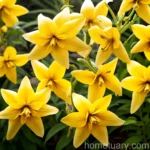
- Native to the Americas, Tecoma stans is an upright shrub known for its bright yellow, bell-shaped flowers.
- This plant is a versatile addition to gardens and landscapes, offering aesthetic appeal and attracting various pollinators.
- Tecoma stans is adaptable to a range of environmental conditions and is prized for its low maintenance requirements.
Now, let’s explore the various aspects of cultivating and appreciating this magnificent plant.
Culture
Understanding the culture and significance of Tecoma stans is essential in appreciating its importance in different societies and contexts.
Uses
The yellow bells shrub holds several notable uses across different cultures and settings:
- Ornamental Purposes: Tecoma stans is widely cultivated for its stunning, trumpet-shaped blooms that add color and visual interest to gardens, parks, and landscapes.
- Medicinal Properties: In traditional medicine, parts of the Tecoma stans plant are used for their potential medicinal properties, although further research is needed to validate these claims.
- Wildlife Attraction: The nectar-rich flowers of Tecoma stans attract a variety of pollinators, including butterflies, bees, and hummingbirds, contributing to the overall biodiversity of the ecosystem.
Water
Providing adequate water is crucial for the health and vitality of yellow bells. While Tecoma stans is relatively tolerant of drought conditions, consistent watering is beneficial, especially during the plant’s active growing season.
- Water Needs: Yellow bells thrive in well-draining soil and prefer regular watering, especially during hot and dry periods. However, they can withstand short periods of drought once established.
- Water Conservation: Employing water-conservation techniques, such as mulching and drip irrigation, can help maintain optimal soil moisture levels while conserving water resources.
Sunlight
Yellow bells is renowned for its ability to thrive in sunny conditions, making it an excellent choice for bright and radiant landscapes.
- Sun Exposure: Tecoma stans flourishes in full sunlight, requiring at least 6-8 hours of direct sunlight per day. Adequate sunshine promotes vigorous growth and abundant flowering.
- Drought Tolerance: The plant’s affinity for sunlight is complemented by its remarkable drought tolerance, making it an ideal option for arid and semi-arid regions.
Fertilizer
Proper fertilization is essential for promoting the growth and blooming of yellow bells, ensuring the plant receives the necessary nutrients for optimal performance.
- Nutrient Requirements: Yellow bells benefits from a balanced fertilizer regimen, with an emphasis on phosphorus to support flowering. Applying a slow-release, organic fertilizer in spring can provide sustained nutrition throughout the growing season.
- Fertilizer Application: Care should be taken to apply fertilizer according to the manufacturer’s instructions, avoiding excessive amounts that may lead to nutrient imbalances or environmental pollution.
Soil
Understanding the soil preferences of Tecoma stans is crucial in creating a conducive growing environment for optimal plant development.
- Soil Composition: Yellow bells thrives in well-draining, loamy soil with a slightly acidic to neutral pH range (pH 6.0-7.0). Soil with good aeration and structure supports healthy root development and overall plant vigor.
- Amendment: Incorporating organic matter, such as compost or well-rotted manure, into the soil can enhance its fertility and moisture-retention capabilities, benefiting the growth of Tecoma stans.
Pruning
Pruning is an important aspect of yellow bells care, contributing to the plant’s health, shape, and flowering performance.
Pruning Techniques
- Deadheading: Regular removal of spent flowers, or deadheading, promotes continuous blooming and prevents the plant from expending energy on seed production.
- Thinning: Periodically thinning out older or overcrowded stems helps maintain an open and well-ventilated growth habit, reducing the risk of disease and promoting new growth.
- Shape Maintenance: Trimming and shaping the plant during the dormant season helps achieve the desired form and size, enhancing its overall aesthetic appeal.
Pruning Schedule
- Dormant Season: Conduct major pruning, if necessary, during the late winter or early spring when the plant is dormant. This allows for the removal of any damaged or diseased growth while shaping the plant for the upcoming growing season.
- Maintenance Pruning: Throughout the growing season, occasional light pruning can be performed to remove straggly growth, maintain the plant’s form, and encourage new flowering shoots.
Propagation
Tecoma stans can be propagated through various methods, providing opportunities to expand its presence in different settings and landscapes.
Propagation Methods
- Seeds: Propagating yellow bells from seeds offers a cost-effective and straightforward approach, although it may take longer to see the plant reach maturity and start flowering.
- Cuttings: Stem cuttings, taken from healthy and actively growing shoots, can be rooted in a suitable propagation medium to produce genetically identical clones of the parent plant.
- Division: Dividing mature plants into smaller sections, each with an adequate root system, can propagate new individuals with established root systems and a higher likelihood of successful establishment.
Container Popularity
The adaptability of yellow bells to container culture makes it a favored choice for various gardening and landscaping applications.
Container Gardening
- Aesthetic Appeal: The vibrant, yellow blossoms of Tecoma stans make it an attractive centerpiece for container displays, adding a touch of elegance and vibrancy to patios, decks, and outdoor living spaces.
- Space Utilization: Container-grown yellow bells offer flexibility in garden design, allowing individuals with limited outdoor space to enjoy the beauty and benefits of this ornamental shrub.
Common Diseases
While Tecoma stans is relatively resistant to many pests and diseases, there are certain issues to be mindful of for optimal plant health.
Disease Diagnosis
- Leaf Spot: Fungal leaf spot diseases may affect Tecoma stans, presenting as dark or discolored spots on the foliage. Proper air circulation and moisture management can help mitigate this issue.
- Powdery Mildew: White, powdery fungal growth on the leaves may indicate powdery mildew infection, which can be addressed with appropriate fungicidal treatments and environmental adjustments.
- Root Rots: Excessive soil moisture can lead to root rot diseases, causing wilting and decline in the plant. Improving soil drainage and avoiding overwatering can help prevent these issues.
Common Pests
Yellow bells is generally resilient against many common pests, but vigilance is essential in monitoring for potential infestations.
- Aphids: These small, sap-sucking insects may occasionally appear on the new growth of Tecoma stans, leading to distorted leaves and reduced plant vigor. Natural predators, such as ladybugs, and insecticidal soaps can help manage aphid populations.
- Whiteflies: Whiteflies, with their distinctive waxy appearance and tendency to flutter when disturbed, can infest yellow bells, leading to leaf yellowing and diminished plant health. Using horticultural oils or insecticidal sprays can control whitefly populations.
Botanist’s Tips
As a botanist with a deep appreciation for Tecoma stans, here are some valuable insights and tips for cultivating and enjoying this remarkable plant:
- Pollinator Paradise: Yellow bells’ abundant and nectar-rich flowers attract various pollinators, contributing to the overall ecological balance and biodiversity of the garden.
- Landscaping Accent: Consider incorporating yellow bells as a focal point in your garden design, allowing its vibrant blooms to serve as a central feature and an eye-catching attraction.
- Companion Planting: Pairing Tecoma stans with other pollinator-friendly and drought-tolerant plants can create a synergistic and harmonious garden environment, fostering a healthy and vibrant ecosystem.
Fun Facts
Discover some intriguing and captivating facts about Tecoma stans that showcase its unique attributes and significance:
- Drought Resistance: The remarkable drought tolerance of Tecoma stans makes it a valuable addition to xeriscapes and water-wise landscapes, thriving in challenging environmental conditions.
- Bird Attraction: The bright, yellow blooms of yellow bells are known to attract various bird species, enriching the garden with their delightful presence and contributing to a lively and dynamic outdoor space.
- Native Heritage: Tecoma stans holds cultural and historical significance as a native plant in various regions, serving as a symbol of resilience and adaptability in the face of environmental challenges.
Links to External Resources
For further exploration and in-depth information on Tecoma stans, here are some valuable external resources:
- University of Florida IFAS Extension – Tecoma stans
- Missouri Botanical Garden – Tecoma stans
- Arizona State University – Yellow Bells
In conclusion, Tecoma stans, or yellow bells, is a captivating and versatile perennial shrub that enchants with its golden trumpet-shaped flowers and resilience in diverse environmental conditions. Whether adorning landscapes, attracting pollinators, or providing a vibrant focal point in gardens, this plant continues to inspire and enrich our natural world. By understanding and embracing the care needs and unique attributes of yellow bells, we can cultivate and celebrate this remarkable botanical treasure, contributing to the beauty and vitality of our surroundings.