Tree Ivy Plants (Fatshedera)
Tree Ivy plants, scientifically known as Fatshedera, are versatile and resilient plants that can thrive both indoors and outdoors. They are a hybrid of two.
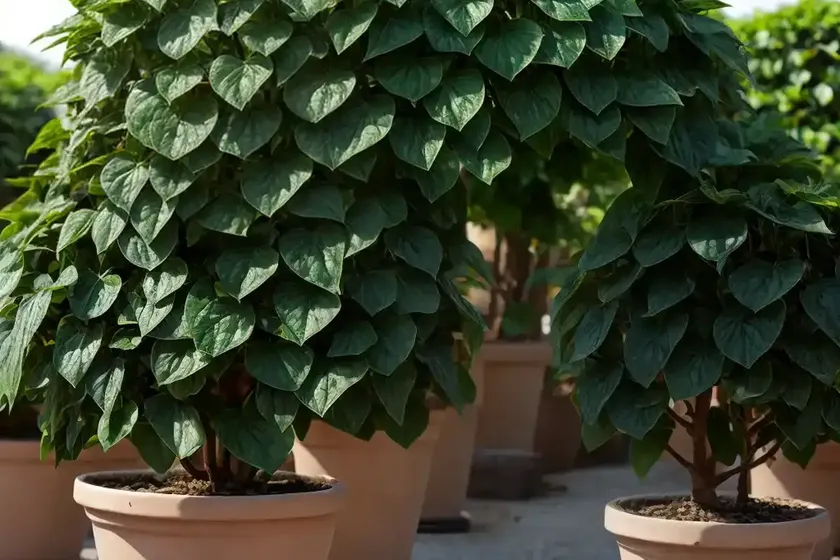
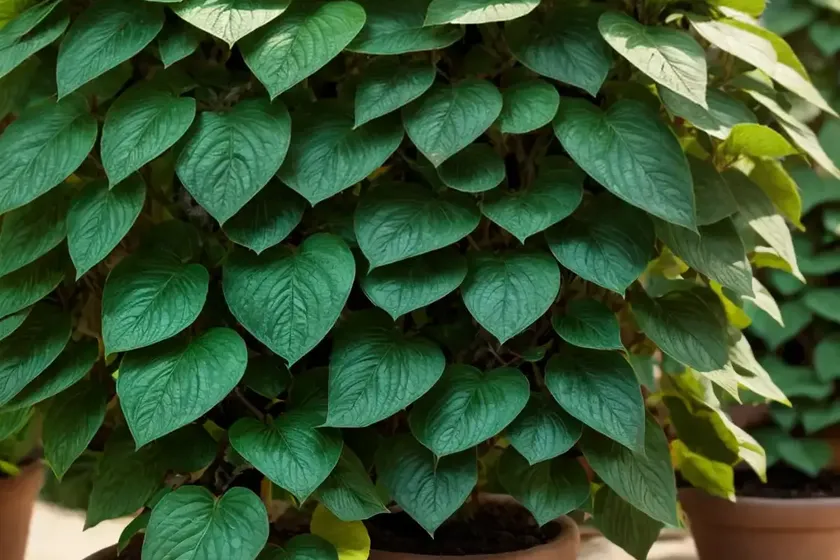
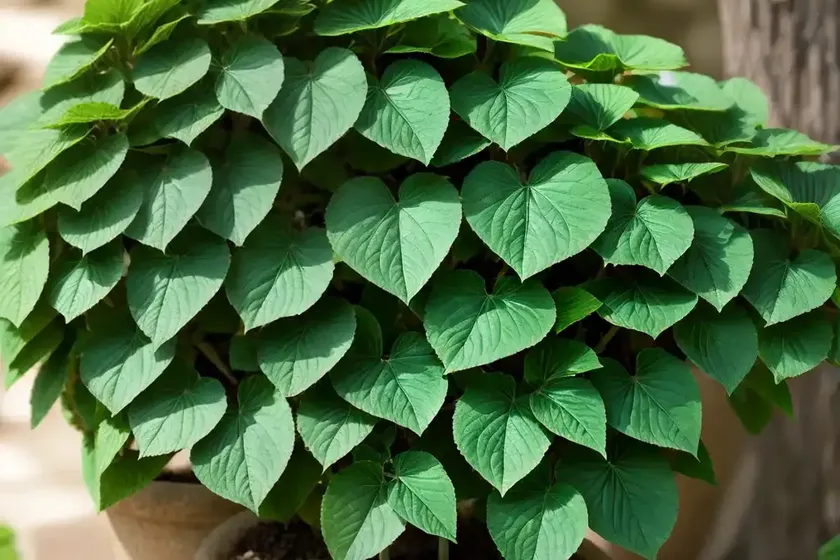
Tree Ivy plants, scientifically known as Fatshedera, are versatile and resilient plants that can thrive both indoors and outdoors. They are a hybrid of two popular plant genera, Fatsia and Hedera. The resultant hybrid, Fatshedera, inherits the attractive foliage of both parent plants and combines it with its own unique characteristics.
In this comprehensive guide, we will explore the various facets of caring for Tree Ivy plants, offering insights into their culture, uses, preferred growing conditions, propagation, container gardening, common diseases and pests, and much more. Whether you’re an experienced gardener or a novice plant enthusiast, this guide is designed to provide you with all the essential information required for successful cultivation and maintenance of Tree Ivy plants.
What is a Plant?
Plants are living organisms belonging to the kingdom Plantae, characterized by their ability to produce their own food through the process of photosynthesis. They play a critical role in the environment, serving as primary producers in the food chain and contributing to the oxygen content of the atmosphere. Apart from their ecological significance, plants also have immense aesthetic, cultural, and economic value. They are utilized for decoration, landscaping, food, medicine, and various industrial purposes. Additionally, plants enhance the quality of the air we breathe and contribute to the overall well-being of the planet.
Tree Ivy Plants (Fatshedera)
Tree Ivy plants, also known by their botanical name Fatshedera, are fascinating hybrid plants that exhibit a striking combination of features inherited from their parent plants, Fatsia and Hedera. Fatshedera plants are treasured for their attractive, glossy foliage and adaptability to diverse environments. They are a popular choice for both indoor and outdoor cultivation and are resilient enough to withstand a range of growing conditions. In the following sections, we will delve into the specific aspects of care, cultivation, and maintenance of Tree Ivy plants.
Key Takeaways – Tree Ivy Plants (Fatshedera)
Before we explore the intricacies of growing and caring for Tree Ivy plants, it’s beneficial to understand some of the key takeaways associated with these plants.
- Versatile Cultivation: Tree Ivy plants can thrive in both indoor and outdoor settings, making them highly adaptable to various living and growing conditions.
- Attractive Foliage: The glossy, variegated leaves of Fatshedera plants make them a visually appealing addition to any space, adding a touch of natural elegance.
- Resilience: These plants are known for their ability to withstand a certain degree of neglect and environmental stress, making them suitable for beginner gardeners.
- Hybrid Vigor: As a cross between Fatsia and Hedera, Fatshedera plants benefit from hybrid vigor, exhibiting robust growth and vitality.
- Decorative and Functional Uses: Tree Ivy plants can serve as decorative elements within indoor spaces, while also contributing to outdoor landscaping and greenery.
With these key takeaways in mind, let’s proceed to examine the specific aspects of caring for Tree Ivy plants, encompassing culture, preferred growing conditions, uses, propagation, container gardening, common diseases and pests, and more.
Culture of Tree Ivy Plants (Fatshedera)
Water
Proper watering is crucial for the health and vitality of Tree Ivy plants. While these plants are relatively resilient, they do require consistent moisture to thrive. Here are some guidelines for watering Tree Ivy plants:
- Moderate Moisture: Fatshedera plants prefer consistently moist, but not waterlogged, soil. Allow the top inch of the soil to dry out slightly between watering sessions.
- Use of Drainage: Ensure that the containers or planting beds have adequate drainage to prevent waterlogging, which can lead to root rot.
- Avoid Overwatering: While maintaining consistent moisture is important, overwatering should be avoided as it can lead to issues such as root rot and fungal diseases.
Sunlight
Tree Ivy plants exhibit a degree of flexibility when it comes to light requirements, making them suitable for a range of light conditions. However, specific guidelines can help optimize their growth and appearance:
- Indoor Placement: When grown indoors, Tree Ivy plants benefit from bright, indirect light. They can tolerate some direct sunlight, particularly during the morning hours.
- Outdoor Situations: In outdoor settings, these plants thrive in partially shaded to fully shaded areas. They should be protected from harsh midday sun, especially in regions with intense summer heat.
Fertilizer
Appropriate fertilization contributes to the healthy growth and development of Tree Ivy plants. Consider the following tips for fertilizing Fatshedera:
- Balanced Fertilizer: Use a balanced, all-purpose liquid fertilizer during the growing season, typically from spring to early fall.
- Reduced Fertilization: In the winter months, reduce or suspend fertilization as the plant’s growth slows down.
Soil
The choice of soil can significantly impact the overall health and vigor of Tree Ivy plants. The following considerations are essential for selecting an appropriate growing medium:
- Well-Draining Soil: Fatshedera plants thrive in well-draining, loamy soil that retains moisture without becoming waterlogged.
- Potting Mix: When grown in containers, a high-quality potting mix tailored for indoor plants is recommended, providing adequate aeration and moisture retention.
Pruning Tree Ivy Plants
Pruning is an essential aspect of maintaining the appearance and health of Tree Ivy plants. Proper pruning techniques can help manage their growth and shape them according to your preferences. Consider the following guidelines for pruning Fatshedera:
- Regular Pruning: Periodic pruning helps control the size and shape of the plant, promoting a bushier and more compact growth habit.
- Removal of Leggy Growth: Trim back any leggy or excessively long stems to encourage a fuller, more robust appearance.
- Deadheading: Remove spent or fading leaves and flowers to maintain the plant’s overall aesthetics.
Propagation of Tree Ivy Plants
Propagation of Tree Ivy plants can be achieved through several methods, including stem cuttings and division. Both indoor and outdoor gardeners can utilize these techniques to multiply their Fatshedera plants. Here’s a brief overview of propagation methods for Tree Ivy plants:
- Stem Cuttings: Take 4-6 inch stem cuttings and root them in a moist, well-draining rooting medium. Maintain high humidity and warmth to facilitate rooting.
- Division: Divide mature plants during the growing season, ensuring that each division has a sufficient root system to support its growth.
Tree Ivy Plants in Containers
The adaptability of Tree Ivy plants makes them an excellent choice for container gardening, whether indoors or outdoors. When cultivating Fatshedera in containers, the following considerations can help optimize their growth and appearance:
- Appropriate Container Size: Select containers with adequate size and drainage holes to accommodate the root system of the plant and prevent waterlogging.
- Indoor Placement: In indoor settings, position the containers in areas with bright, indirect light to support healthy growth.
- Outdoor Containers: When growing Tree Ivy plants outdoors, choose containers that are suitable for the specific environmental conditions, be it partial shade or full shade.
Popularity of Tree Ivy Plants
Tree Ivy plants, with their attractive foliage and relative ease of care, have gained popularity among gardeners and plant enthusiasts. The versatility of Fatshedera, which allows them to be used as both indoor and outdoor plants, contributes to their widespread appeal. Additionally, their ability to thrive under varying light and moisture conditions makes them an attractive option for individuals seeking low-maintenance yet visually stunning plants.
Common Diseases of Tree Ivy Plants
While Tree Ivy plants are generally resilient, they can be susceptible to certain diseases if the growing conditions are not optimal. Some common diseases that may affect Fatshedera plants include:
- Root Rot: This condition arises from overwatering or poor drainage, leading to the decay of the plant’s roots. Preventing overwatering and ensuring proper drainage can help avoid this issue.
- Leaf Spot: Fungal leaf spot diseases can occur in overly moist conditions or in situations where the plant’s foliage remains consistently wet. Proper airflow and appropriate watering practices can minimize the risk of leaf spot.
- Pest-Induced Diseases: Infestations by common pests such as spider mites and aphids can lead to secondary fungal infections, impacting the overall health of Tree Ivy plants. Regular monitoring and timely pest management can mitigate these risks.
Disease Diagnosis and Prevention
Diagnosing and preventing diseases in Tree Ivy plants involves vigilant observation and proactive measures to maintain their health. Here are some tips for disease diagnosis and prevention:
- Observation: Regularly inspect the foliage, stems, and overall appearance of the plant for any signs of discoloration, wilting, or abnormal growth.
- Prompt Action: If any disease symptoms are identified, address them promptly by adjusting watering practices, improving air circulation, and, if necessary, applying appropriate fungicides or pesticides.
- Preventive Care: Implement proper cultural practices including appropriate watering, pruning, and fertilization to maintain the overall vigor and disease resistance of the plant.
Common Pests Affecting Tree Ivy Plants
Tree Ivy plants are susceptible to infestations by various pests, ranging from insects to mites. Being aware of these potential threats and adopting preventive measures can safeguard the health and appearance of Fatshedera. Some common pests affecting Tree Ivy plants include:
- Spider Mites: These tiny pests can cause stippling and discoloration of the foliage, particularly in dry indoor environments. Regular misting and maintaining adequate humidity can deter spider mite infestations.
- Aphids: These small, soft-bodied insects can cluster on the tender shoots and new growth of Tree Ivy plants, leading to distorted leaves and reduced vigor. Manual removal or the use of insecticidal soaps can control aphid populations.
- Mealybugs: These white, cottony pests can congregate on the undersides of the leaves or in leaf axils, sapping the plant’s vitality. A swab dipped in rubbing alcohol can be used to remove mealybugs from affected areas.
Botanist’s Tips for Growing Tree Ivy Plants
Seasoned botanists and horticulturists often provide valuable insights into the cultivation and maintenance of various plant species. When it comes to growing Tree Ivy plants, the following tips can prove invaluable:
- Balanced Moisture: Strive to maintain consistently moist, but not waterlogged, soil for Fatshedera plants, as they prefer moderate moisture levels.
- Adequate Airflow: Ensure adequate air circulation around the plant, particularly in indoor settings, to minimize the risk of fungal diseases and pest infestations.
- Occasional Pruning: Regular, light pruning can promote denser growth and a more uniform appearance for Tree Ivy plants, enhancing their overall aesthetic appeal.
Fun Facts about Tree Ivy Plants
Uncovering interesting and noteworthy facts about plants can enhance our appreciation and understanding of their unique qualities. Here are some fun facts about Tree Ivy plants:
- Hybrid Origins: Tree Ivy plants are a result of the crossbreeding between Fatsia and Hedera, combining the best attributes of both parent genera in one resilient and visually appealing plant.
- Variegated Foliage: Many varieties of Tree Ivy plants exhibit variegated foliage, often showcasing striking combinations of green, white, and sometimes yellow hues.
- Indoor Vigor: Fatshedera plants can thrive in indoor environments, adding a touch of nature and greenery to living spaces while also contributing to indoor air quality.
Links to External Resources
To further enhance your knowledge and understanding of Tree Ivy plants, consider exploring the following resources:
- Fatshedera Plant Care
- Growing Tree Ivy Plants
- Tree Ivy Plants for Indoors
- Tree Ivy Plants Sunlight Requirements
- Best Soil for Tree Ivy Plants
- Tree Ivy Plants Pests and Diseases
- Tree Ivy Plants Pruning Techniques
By exploring these resources and delving into the specifics of caring for Tree Ivy plants, you can enrich your horticultural knowledge and develop a deeper appreciation for the versatile and resilient nature of Fatshedera.
Conclusion
In conclusion, Tree Ivy plants (Fatshedera) represent a fascinating intersection of beauty, resilience, and adaptability. Their attractive foliage, combined with their versatility for both indoor and outdoor cultivation, makes them a desirable addition to any plant lover’s collection. By understanding and implementing the guidelines for their care, cultivation, and maintenance, you can ensure the health and vibrancy of Tree Ivy plants in your living spaces and garden areas. Incorporating the insights from seasoned botanists, fun facts, and external resources further enriches your understanding of Fatshedera, providing a well-rounded perspective on these captivating plants. Whether you’re a novice gardener or an experienced horticulturist, the allure of Tree Ivy plants lies in their ability to thrive, beautify, and contribute to the natural harmony of their surroundings.