Trachystemon Orientalis (Trachystemon Orientalis)
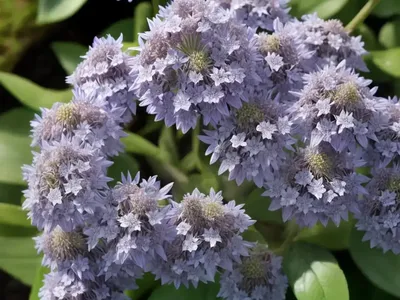
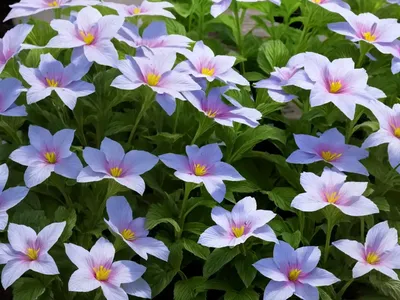
Trachystemon orientalis, also known as Abraham-Isaac-Jacob, is a perennial herbaceous plant native to the Caucasus region and Northern Iran. It belongs to.
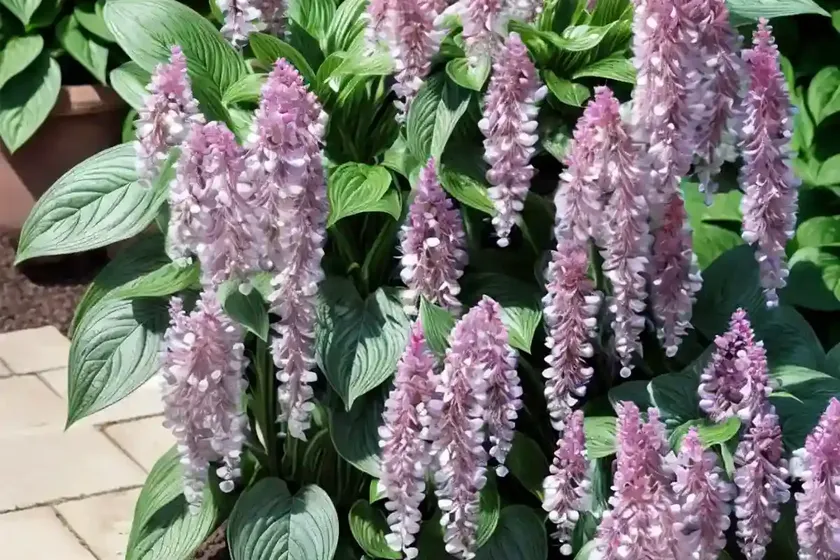
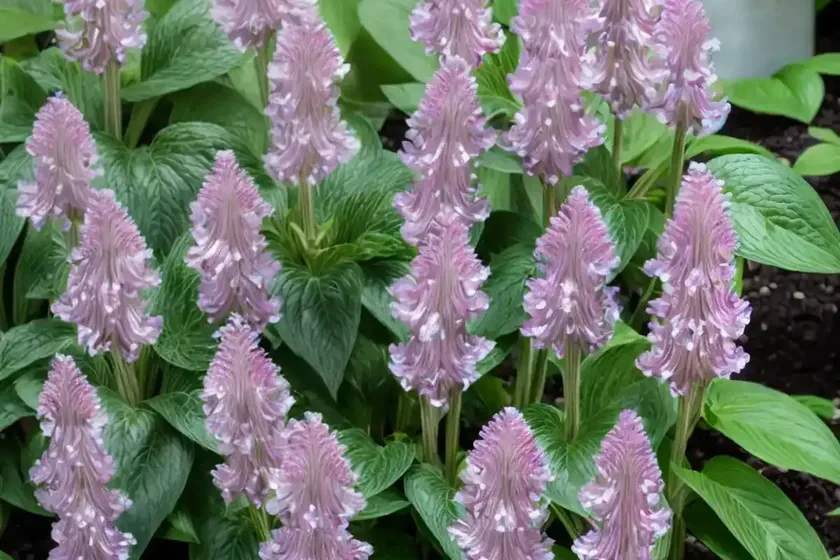
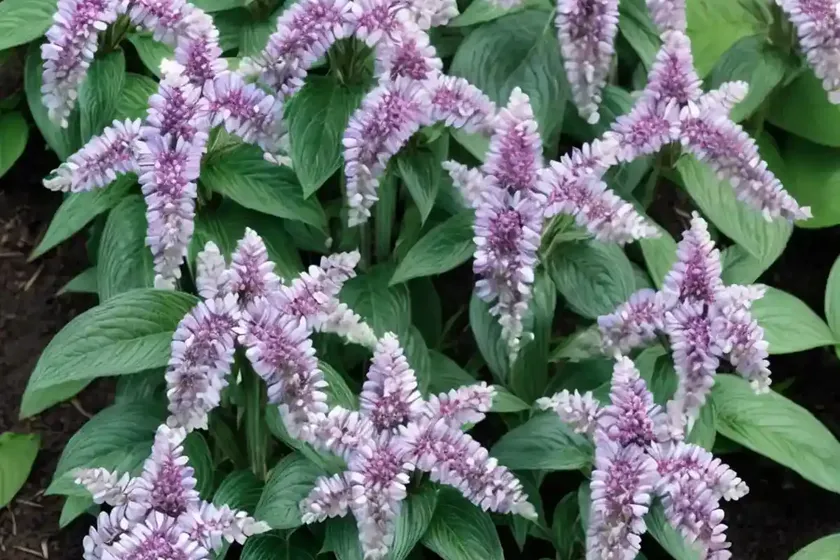
Trachystemon orientalis, also known as Abraham-Isaac-Jacob, is a perennial herbaceous plant native to the Caucasus region and Northern Iran. It belongs to the Boraginaceae family and is recognized for its beautiful blue flowers and impressive suitability to various landscape designs. In this comprehensive guide, we will delve into the various aspects of Trachystemon orientalis care, including cultivation, uses, maintenance, and much more.
What is Trachystemon orientalis?
Trachystemon orientalis is a low-maintenance, hardy perennial plant with charming blue flowers. It has a sprawling growth habit and large, heart-shaped leaves, making it an attractive addition to gardens and landscapes. Known for its resilience and adaptability, Trachystemon orientalis is a valued choice for both novice and experienced gardeners.
Key Takeaways – Trachystemon orientalis
Before we explore the in-depth care and maintenance of Trachystemon orientalis, here are some key takeaways:
- Scientific Name: Trachystemon orientalis
- Common Names: Abraham-Isaac-Jacob, Oriental Borage
- Family: Boraginaceae
- Plant Type: Perennial herbaceous
- Native Region: Caucasus region, Northern Iran
- Watering: Moderate
- Sunlight: Partial shade to full shade
- Soil: Well-draining, fertile soil
- Uses: Ornamental, ground cover, medicinal
- Maintenance: Low
- Pest and Disease Resistance: High
Now, let’s delve into the various aspects of Trachystemon orientalis care and cultivation.
Culture
Uses
Trachystemon orientalis serves multiple purposes in gardening and landscaping. Some of its key uses include:
- Ornamental Plant: The attractive blue flowers and lush, heart-shaped leaves make it a popular choice for ornamental planting.
- Ground Cover: Its spreading growth habit and low maintenance make it suitable as a ground cover in shaded areas.
- Medicinal Uses: In traditional medicine, various parts of the Trachystemon orientalis plant are used for their medicinal properties.
Water
Trachystemon orientalis prefers moderate watering. It thrives in moist but well-draining soil and is tolerant of periodic drought conditions. Overwatering can lead to root rot, so it is important to allow the soil to dry out slightly between watering sessions.
Sunlight
This plant prefers partial to full shade, making it an excellent choice for shaded gardens or areas with dappled sunlight. In hotter climates, it benefits from protection against harsh afternoon sun.
Fertilizer
Being a low-maintenance plant, Trachystemon orientalis does not require heavy fertilization. A once-a-year application of a balanced, slow-release fertilizer in spring can support healthy growth. Refrain from over-fertilizing, as this can lead to excessive foliage growth at the expense of flower production.
Soil
The ideal growing medium for Trachystemon orientalis is a well-draining, fertile soil. It appreciates a slightly acidic to neutral pH and benefits from the addition of organic matter, such as compost, to improve soil structure and fertility.
Pruning
Given its sprawling growth habit, Trachystemon orientalis may benefit from light pruning in early spring to tidy up the plant and encourage new growth. Removing spent flower stems can also prolong the blooming period.
Propagation
Trachystemon orientalis can be propagated through division or from seeds. Division is best carried out in early spring, separating the plant into smaller sections while ensuring that each division has an adequate root system. When propagating from seeds, sow them in a well-prepared seedbed and keep the soil consistently moist until germination occurs.
Container Popularity
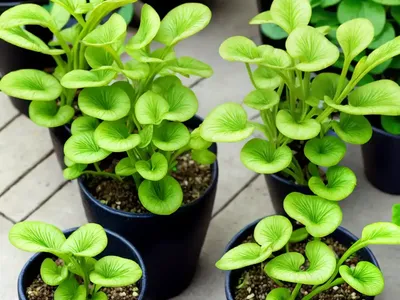
While primarily grown in garden beds, Trachystemon orientalis can also thrive in containers. Its ornamental foliage and flowers make it an attractive option for shaded patios, balconies, or other outdoor spaces.
Common Diseases
Trachystemon orientalis is relatively resistant to diseases. However, it may be susceptible to root rot if the soil is poorly draining and waterlogged. Taking care to provide the proper growing conditions can mitigate the risk of disease.
Disease Diagnosis
If symptoms of disease, such as wilting, yellowing leaves, or stunted growth, appear, it is essential to inspect the plant’s roots for signs of rot or damage. Adjusting the watering regimen and improving soil drainage can often address these issues.
Common Pests
This plant is relatively resistant to pests, but it may occasionally attract slugs, snails, or aphids. Regular inspection and prompt intervention, such as handpicking pests or using environmentally friendly pest control methods, can keep infestations at bay.
Botanist’s Tips
- Hydration: Avoid overwatering, as Trachystemon orientalis prefers moderate moisture levels.
- Light: Provide partial to full shade, especially in warmer climates.
- Propagation: Consider division in early spring for expanding plantings or sharing with fellow gardeners.
- Maintenance: Light pruning in early spring can maintain the plant’s shape and encourage new growth.
Fun Facts
- Trachystemon orientalis is also known by the common names ‘Abraham-Isaac-Jacob’ and ‘Oriental Borage.’
- This plant has been used for centuries in traditional medicine for its various medicinal properties.
Links to External Resources
For further information on Trachystemon orientalis and its cultivation, the following resources are available:
- Royal Horticultural Society – Trachystemon orientalis
- Missouri Botanical Garden – Trachystemon orientalis
Now that we have extensively covered the care, uses, and cultivation of Trachystemon orientalis, it is evident that this plant is an excellent choice for adding beauty and resilience to gardens and landscapes. Whether used as an ornamental accent, ground cover, or for its potential medicinal benefits, Trachystemon orientalis is a versatile plant that deserves a place in many horticultural settings.