Treasure Flower (Gazania (group)
Gazania, commonly known as treasure flower, is a vibrant and resilient group of plants that belongs to the Asteraceae family. These attractive and hardy.
Introduction
Gazania, commonly known as treasure flower, is a vibrant and resilient group of plants that belongs to the Asteraceae family. These attractive and hardy plants are native to Southern Africa, particularly South Africa, and are highly valued for their bright, daisy-like flowers and their ability to thrive in hot and dry conditions.
In this comprehensive guide, we will delve into the various aspects of the treasure flower (Gazania group), including its culture, uses, care requirements, propagation, common diseases, pests, and much more. Whether you are a novice gardener or an experienced horticulturist, this guide will equip you with the knowledge and expertise to cultivate and appreciate these stunning plants in your garden or indoor spaces.
What is the Treasure Flower (Gazania Group)?
The treasure flower, scientifically known as Gazania, is a genus of flowering plants that encompasses several species, all of which are renowned for their striking, daisy-like flowers. These plants are predominantly low-growing and form dense mats of foliage, making them ideal for ground cover or ornamental purposes in gardens, rockeries, and containers.
Key Takeaways – Treasure Flower (Gazania Group)
Before delving into the specific aspects of cultivating and caring for treasure flowers, let’s highlight the key takeaways associated with these remarkable plants:
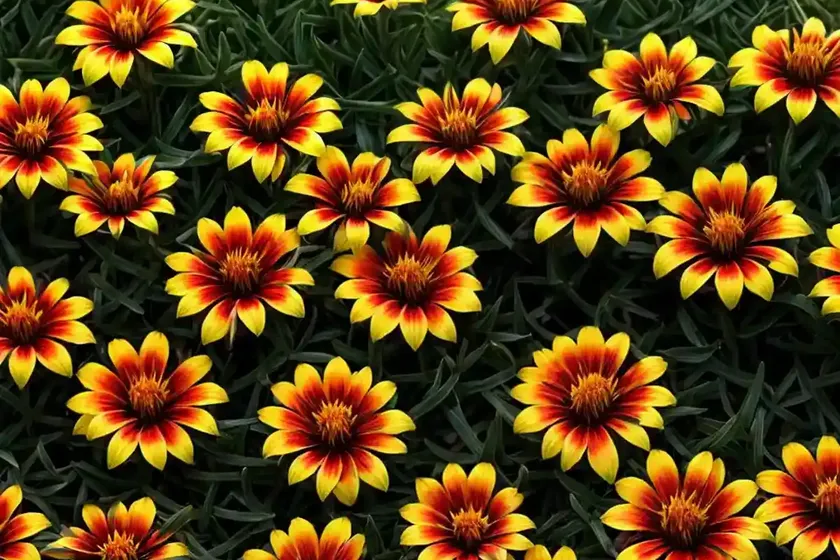
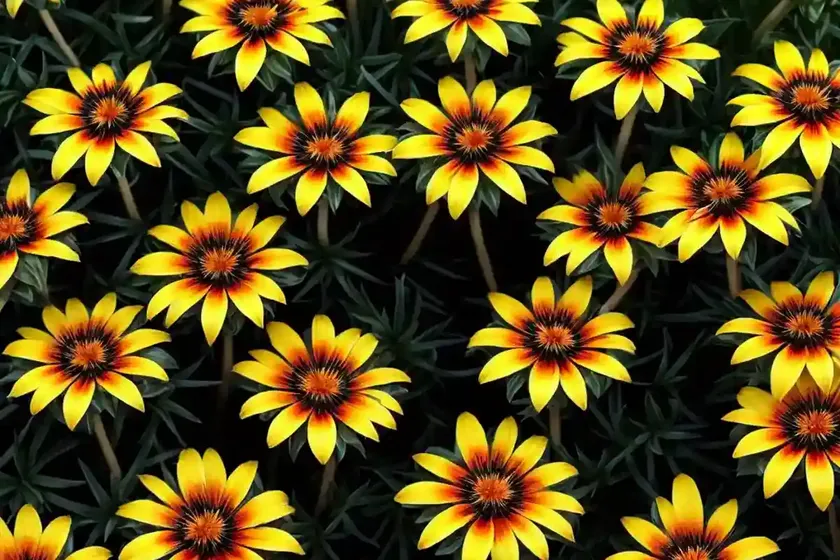
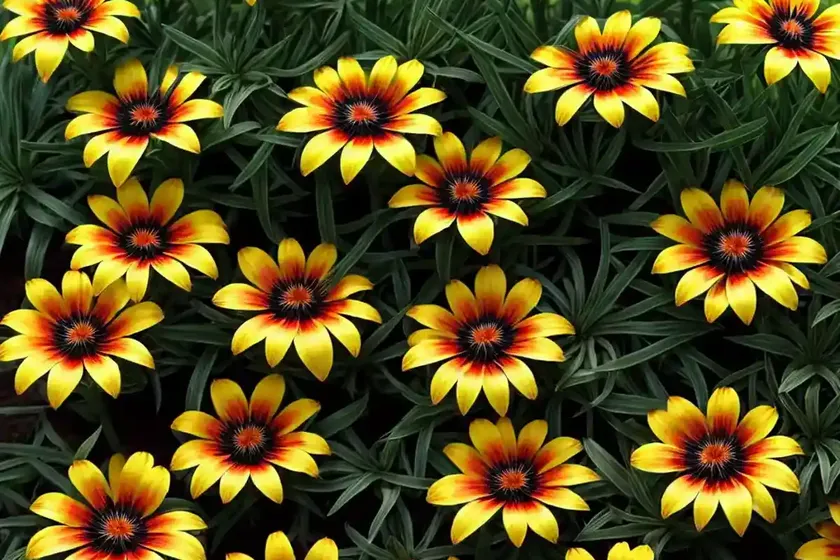
- Gazania flowers are characterized by their vibrant and colorful petals, which often feature striking patterns and markings, adding a visually captivating element to gardens and landscapes.
- These plants are well-adapted to arid and semi-arid climates, making them excellent choices for water-wise gardening and regions with hot, dry summers.
- The treasure flower is a versatile plant that can be used for various purposes, including ground cover, borders, rock gardens, and container arrangements.
- Gazanias are relatively low-maintenance plants, requiring minimal intervention once established, and they are generally resistant to diseases and pests.
- These plants are known for their extended flowering period, often blooming from late spring through the end of summer, providing a sustained burst of color in the outdoor environment.
Now, let’s explore the details regarding the culture, uses, and care requirements of treasure flowers.
Culture
Uses
The treasure flower (Gazania group) offers a multitude of uses, ranging from ornamental and aesthetic purposes to practical and environmental contributions. Some of the primary uses of Gazanias are as follows:
-
Ornamental Use: Gazanias are widely cultivated for their attractive blooms, which add vibrant color to flower beds, borders, and containers. Their low-growing habit makes them suitable for ground cover, and their drought tolerance makes them valuable in xeriscaping projects.
-
Erosion Control: Due to their ability to form dense mats of foliage, Gazanias are utilized to control soil erosion on slopes and embankments, where their extensive root systems help stabilize the soil.
-
Pollinator Support: The nectar-rich flowers of Gazanias, which often attract butterflies and other pollinators, contribute to the overall biodiversity and ecological balance in garden spaces.
-
Cut Flower Production: Certain species and cultivars of Gazanias are grown for the cut flower industry, where their long-lasting blooms are incorporated into floral arrangements and bouquets.
Water
Gazanias are well-suited to dry conditions and have evolved to thrive in arid environments. These plants are remarkably drought-tolerant once established, and overwatering can be detrimental to their health. When cultivating Gazanias, it is crucial to allow the soil to dry out between waterings, particularly in well-draining soil. Overly moist conditions can lead to root rot and other issues, so a lean watering regimen is advisable.
-
Watering Frequency: During the establishment phase, newly planted Gazania seedlings or transplants should be watered more frequently to promote root development. Once established, water the plants deeply but infrequently, allowing the soil to dry out partially between waterings.
-
Irrigation Method: Drip irrigation or soaker hoses are effective methods for providing water to Gazanias, as they deliver moisture directly to the root zone without wetting the foliage excessively.
-
Rainfall Considerations: In regions with summer rainfall, it may be necessary to adjust watering practices to account for natural precipitation. Monitor the moisture level of the soil and adjust supplemental irrigation accordingly.
Sunlight
Gazanias exhibit a preference for full sun and thrive in bright, sunny locations. Adequate sunlight is crucial for promoting healthy growth and prolific flowering in these plants. When selecting a site for cultivating Gazanias, prioritize locations that receive ample sunlight throughout the day, especially in climates with cooler summers.
-
Sun Exposure: Aim to provide Gazanias with at least 6-8 hours of direct sunlight daily to ensure robust growth and abundant flowering.
-
Shade Tolerance: While Gazanias are generally sun-loving plants, they may exhibit some tolerance for light afternoon shade in exceptionally hot climates or during periods of intense heat.
-
Morning Sun vs. Afternoon Sun: In regions with scorching afternoon sun, positioning Gazanias where they receive morning sun and partial afternoon shade can help prevent stress and sunburn on the foliage.
Fertilizer
Gazanias are relatively light feeders and do not typically require heavy fertilization. When provided with fertile, well-draining soil, these plants can thrive without frequent applications of fertilizer. However, in certain circumstances, supplemental feeding can support healthy growth and a profusion of blooms.
-
Fertilizer Type: Choose a balanced, water-soluble fertilizer with an NPK ratio of 10-10-10 or similar, suitable for flowering plants. Alternatively, opt for a specialized fertilizer formulated for blooming perennials or for plants adapted to arid conditions.
-
Application Timing: Apply fertilizer to Gazanias sparingly, preferably in early spring as new growth emerges, and again in midsummer to sustain flowering. Avoid excessive applications, as this can lead to a buildup of salts in the soil.
-
Soil Amendments: Prior to planting Gazanias, incorporate organic matter, such as compost or well-rotted manure, into the soil to provide a steady source of nutrients for the plants.
Soil
The soil requirements for cultivating Gazanias are relatively straightforward, with an emphasis on well-draining, lean soils that mimic their native growing conditions. These plants are adaptable to various soil types, including sandy, loamy, and rocky soils, as long as excessive moisture is prevented.
-
Soil Composition: Gazanias thrive in soils that are low in organic matter and have excellent drainage. Avoid heavy, compacted soils that retain moisture, as they can lead to root rot and other problems.
-
pH Range: The preferred pH range for soil supporting Gazanias is slightly acidic to neutral, typically between 6.0 and 7.0. Conduct a soil test to determine the pH of the planting area and make amendments if necessary.
-
Improving Soil Drainage: In heavy clay soils or areas prone to waterlogging, incorporate coarse sand or perlite into the soil to enhance drainage and prevent the accumulation of excess moisture around the roots.
Pruning
Pruning requirements for Gazanias are minimal, primarily focusing on the removal of spent blooms and occasional tidying to maintain an attractive appearance. Pruning practices can help prolong the flowering period and promote compact, bushy growth in these plants.
-
Deadheading: Regularly deadhead faded flowers by snipping them off at the base of the stem to encourage the production of new blooms. This practice also prevents the formation of seed heads, redirecting the plant’s energy into further blooming.
-
Trimming Overgrown Foliage: If Gazanias become leggy or develop excessive foliage, light trimming can help rejuvenate the plants and promote a more compact growth habit.
Propagation
Gazanias can be propagated through various methods, including seed propagation, division, and softwood cuttings. Each approach offers distinct advantages and is suitable for different circumstances, enabling gardeners to expand their collection of these captivating plants.
-
Seed Propagation: Sow Gazania seeds indoors in early spring, providing bottom heat to facilitate germination. Alternatively, direct sow seeds in the garden after the last frost date, ensuring that the soil is warm and the threat of frost has passed.
-
Division: Divide mature clumps of Gazania plants in early spring or after flowering, carefully separating the individual plants and their root systems. Replant the divisions in suitable locations and water thoroughly to promote establishment.
-
Softwood Cuttings: Take softwood cuttings in late spring or early summer, selecting healthy, non-flowering shoots for propagation. Dip the cuttings in rooting hormone and plant them in a well-draining growing medium to stimulate root development.
Container Popularity
Gazanias are highly popular as container plants, owing to their compact size, colorful blooms, and adaptability to container gardening. These plants are well-suited to various types of containers, including pots, window boxes, and hanging baskets, allowing for creative and versatile display options.
-
Container Selection: Choose containers with adequate drainage holes and a size appropriate for the number of Gazania plants being cultivated. Potting mix specifically formulated for container gardening can be utilized to provide optimal growing conditions.
-
Placement: Position containers of Gazanias in locations that receive abundant sunlight, such as patios, balconies, or sunny corners of the garden. Ensure that the containers are protected from strong winds to prevent damage to the delicate foliage and flowers.
Container Common Diseases
When growing Gazanias in containers, certain diseases may pose a risk to the plants, particularly those associated with excess moisture and poor air circulation. Understanding and mitigating these potential issues is essential for maintaining the health and vigor of container-grown Gazanias.
-
Root Rot: Overly moist growing media can lead to the development of root rot, a fungal condition that causes the roots of plants to decay. To prevent this, ensure that containers have adequate drainage and water the plants sparingly.
-
Powdery Mildew: In conditions of high humidity and poor air circulation, powdery mildew can affect the foliage of Gazanias, leading to a white, powdery coating on the leaves. To mitigate this disease, provide good air movement around the plants and avoid overhead watering.
-
Botrytis Blight: Botrytis blight, also known as gray mold, can affect container-grown Gazanias during periods of prolonged wetness. This fungal disease manifests as brown spots on the foliage and flowers. Adopting proper watering practices and preventing water from accumulating on the plant surfaces can help reduce the risk of Botrytis blight.
Disease Diagnosis
Diagnosing diseases affecting Gazanias, particularly when grown in containers, involves careful observation of the plants and an awareness of common disease symptoms. By recognizing the signs of potential diseases early, prompt intervention can be implemented to protect the plants from significant damage.
-
Symptoms of Root Rot: Wilting, yellowing, and stunted growth are typical symptoms of root rot in Gazanias. Upon inspection, affected roots may appear dark, mushy, or have a foul odor, indicating the presence of the fungal disease.
-
Powdery Mildew Signs: If a powdery, white substance is observed on the foliage, accompanied by distorted or stunted growth, the plants may be affected by powdery mildew. In advanced stages, yellowing and premature leaf drop may occur.
-
Botrytis Blight Indications: Brown lesions and moldy growth on the leaves and flowers are characteristic indications of Botrytis blight. The affected plant parts may become increasingly discolored and decayed if the disease progresses unchecked.
Common Pests
While Gazanias are generally resistant to many pests, certain insects may pose a threat to the plants, particularly when they are grown in outdoor settings or alongside susceptible plant species. Vigilance and proactive pest management strategies can help safeguard Gazanias from infestations.
-
Aphids: These small, sap-sucking insects can infest the tender growth of Gazanias, causing distorted foliage and the secretion of sticky honeydew. Regularly inspect the plants for aphid colonies and eliminate them by spraying with water or utilizing insecticidal soap.
-
Spider Mites: Spider mites are tiny arachnids that can cause stippling, discoloration, and webbing on the foliage of Gazanias. Employing natural predators, such as ladybugs, and practicing regular hosing of the plants can help control spider mite populations.
-
Snails and Slugs: These mollusks are known to feed on the tender foliage of Gazanias, leaving behind characteristic slime trails and irregular holes in the leaves. Implementing physical barriers and employing organic baits can effectively manage snail and slug activity.
Botanist’s Tips
To ensure the successful growth and flourishing of Gazanias in your garden or landscape, consider the following expert tips from botanists and horticultural specialists:
-
Ample Sunlight: Prioritize sunny locations for planting Gazanias to promote robust growth and prolific flowering. Ensure that the plants receive sufficient light throughout the day, especially in regions with cooler summers.
-
Lean Watering Regimen: Adopt a conservative watering approach for Gazanias, allowing the soil to partially dry out between waterings. Overwatering can lead to root rot and other complications, so monitor moisture levels closely.
-
Deadheading Routine: Regularly deadhead spent flowers to encourage continuous blooming and maintain the overall vitality of Gazanias. This practice redirects the plant’s energy into producing new blooms rather than seed production.
-
Avoiding Overcrowding: When planting Gazanias, provide adequate spacing between individual plants to allow for proper air circulation and minimize the risk of disease development, particularly in humid climates.
-
Overwintering Precautions: In regions with cold winters, consider providing protection for Gazanias, such as covering them with mulch or relocating potted plants to sheltered areas, to mitigate potential damage from freezing temperatures.
Fun Facts
- The name “Gazania” honors Theodorus Gaza, a 15th-century Greek scholar who translated the works of Theophrastus, a renowned ancient botanist.
- Gazanias are often referred to as “treasure flowers” due to the striking and jewel-toned appearance of their blooms, which resemble treasures from the natural world.
- The wide variety of colors and patterns found in Gazania flowers is a result of extensive breeding efforts, leading to an impressive array of cultivars with diverse petal designs.
Links to External Resources
For further information on treasure flowers (Gazania group) and related topics, you can refer to the following external resources:
-
Gazania Flowers: A Growing Guide – A comprehensive guide to cultivating and caring for Gazania flowers in a garden setting.
-
The Royal Horticultural Society – Gazania – An in-depth overview of Gazanias, including their cultivation requirements, varieties, and potential uses in landscaping.
-
Planting and Growing Guide: Gazania – A detailed planting and growing guide for Gazania flowers, offering practical tips for successful cultivation.
-
Managing Diseases in the Garden – An informative resource on identifying and managing common diseases that may affect garden plants, including preventive and treatment measures.
-
Pest Identification and Management – An extensive database encompassing pest identification and management strategies for various ornamental plants, including potential pests of Gazanias.
-
Container Gardening Techniques – A guide to container gardening techniques, offering insights into selecting containers, optimizing growing media, and caring for plants in containers, including Gazanias.
-
Plant Propagation Methods – Instructions for home gardeners on propagating plants by stem cuttings, a method applicable to the propagation of Gazanias.
-
Xeriscaping Principles – An overview of xeriscaping principles and practices, providing guidance on water-efficient landscaping and the selection of plants suitable for arid climates.
In conclusion, treasure flowers (Gazania group) represent a valuable addition to gardens and landscapes, offering an array of colorful blooms, drought tolerance, and adaptability to various growing conditions. By understanding and implementing the cultural practices, care tips, and propagation techniques outlined in this guide, gardeners can harness the beauty and resilience of Gazanias to create captivating outdoor spaces and container displays.